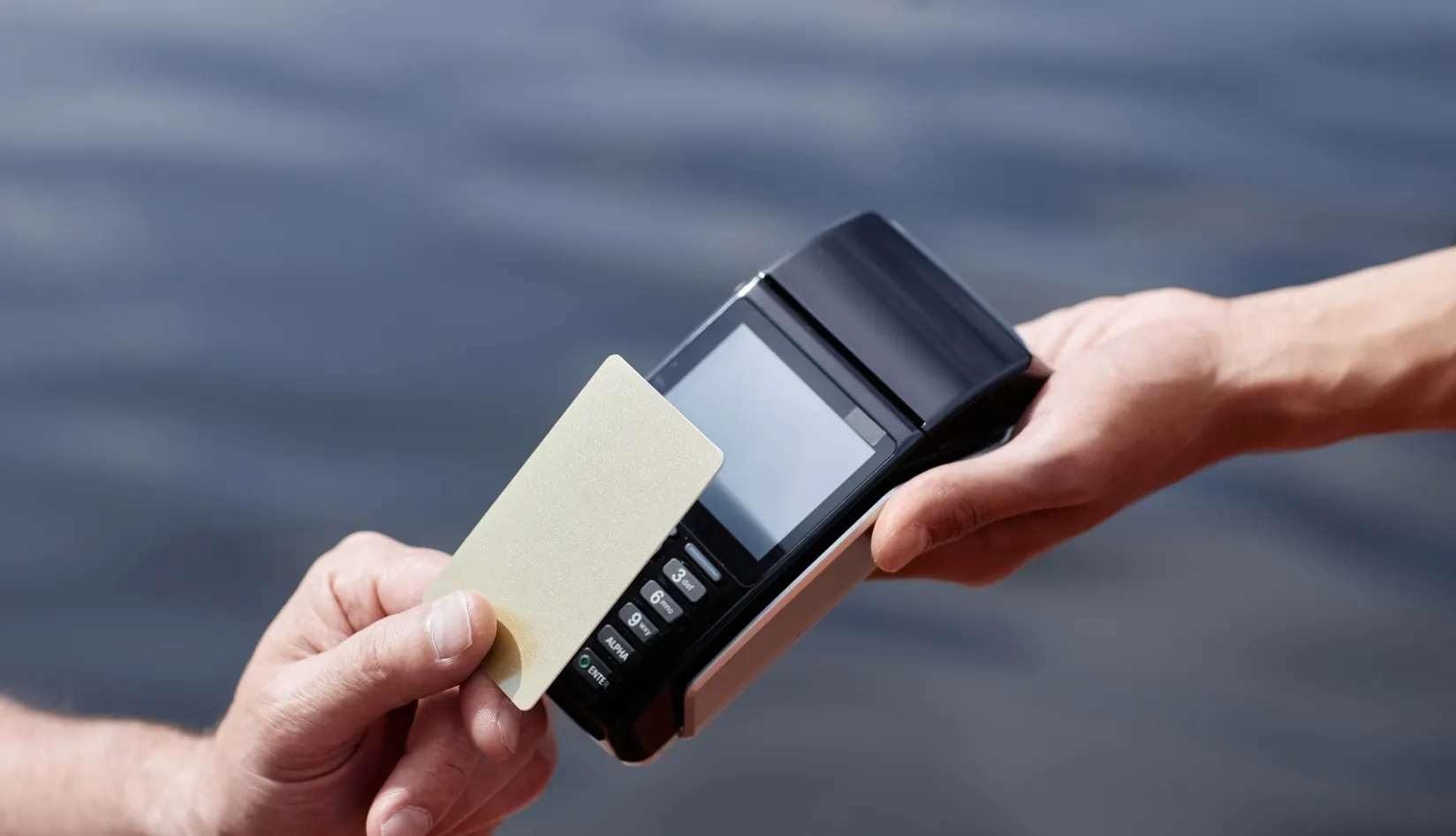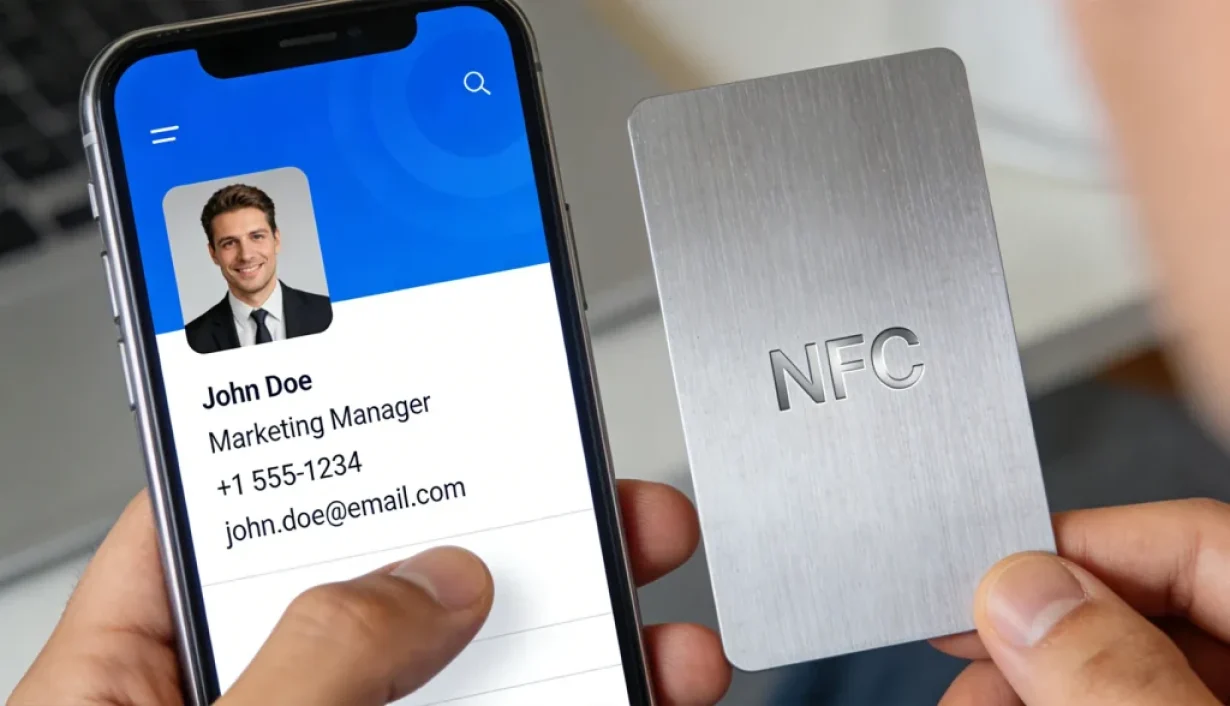

The transition from paper to digital networking tools marks a significant evolution in professional communication. At the forefront of this shift is the NFC enabled business card, a sophisticated piece of technology that transcends its physical form to become an integral part of a user’s digital identity system. Choosing the right supplier for this technology is a critical business decision. This comprehensive guide is designed to help you evaluate potential partners across five key dimensions.
1. Chip & Technical Specifications
The core functionality and performance of any digital card hinge on the embedded NFC chip.

1.1 Chip Type
Not all chips are created equal, and chip choice has a direct impact on performance, compatibility, and longevity.
Reputable suppliers typically use well-known NFC chip models such as NTAG213, NTAG215, or NTAG216. These chips differ mainly in memory capacity, which determines how much data can be stored directly on the chip or how flexibly it can redirect users to digital content.
- NTAG213 is sufficient for basic use cases such as redirecting to a single digital profile or URL.
- NTAG215 and NTAG216 offer larger memory capacities, making them more suitable for storing multiple records, richer data structures, or future expansion.
1.2 Read Performance
A digital business card is only as good as its ability to be read quickly and reliably. High read performance translates directly to a high tap success rate, minimizing awkward moments during networking.
A high-quality supplier should deliver:
- High tap success rates, even on the first interaction
- Fast response times without requiring precise positioning
- Consistent performance across different phone models, operating systems, and tap angles
2. Cross-Platform Compatibility & User Experience
The true value of a digital networking tool is realized when it is universally accessible and easy to use. Compatibility and user experience are non-negotiable factors in selecting a supplier.
2.1 iPhone and Android Compatibility
A critical requirement for any NFC enabled business card is native compatibility with both iOS and Android devices, without requiring users to download an app. While modern Android devices have long supported this, recent iPhone models also offer robust native NFC reading capabilities. A top-tier supplier ensures compatibility across a wide range of OS versions and device models, proactively testing their products against new mobile updates to prevent service disruption.
2.2 Frictionless User Interaction
The strength of an NFC enabled business card lies in its simplicity. The ideal experience is a single tap that immediately opens a mobile-optimized page—no prompts, no extra steps, and no confusion.
Key experience factors include:
- One-tap interaction instead of multi-step confirmation flows
- Fast page load times, even on mobile networks
- Clean, responsive design optimized for small screens
Additionally, thoughtful suppliers provide offline fallback options, such as a discreetly printed QR code, ensuring accessibility when NFC is unavailable or disabled.
3. Customization, Branding & Material Options
An NFC enabled business card is a physical extension of your brand. The supplier’s ability to deliver high-quality, customized products is vital for maintaining corporate identity and making a strong impression.

3.1 Physical Card Customization
The physical card should reflect the quality and professionalism of your organization. Supplier should offer a variety of card materials for you to choose from, including durable PVC, premium metal, sustainable wood, or eco-friendly recycled options. Beyond material, look for suppliers who excel in print quality, offering high-resolution graphics, precise engraving, and various finishes.
For corporate deployments, the supplier must demonstrate the capability to maintain brand consistency across large orders and different form factors, ensuring every card issued meets strict corporate design guidelines.
3.2 Digital Profile Customization
Beyond the physical card, the digital profile experience defines long-term value. Suppliers vary significantly in how much control they offer over the digital layer.
Look for suppliers that provide:
- Customizable landing pages rather than rigid templates
- Support for brand colors, logos, typography, and layout control
- The ability to update information dynamically without reissuing cards
This flexibility allows users to adapt their profiles as roles, companies, or campaigns change—extending the lifespan of each NFC enabled business card.
4. Software & Value-Added Services
The physical card is merely the key; the software platform is the engine that drives its utility.
4.1 Supporting Software / Platform
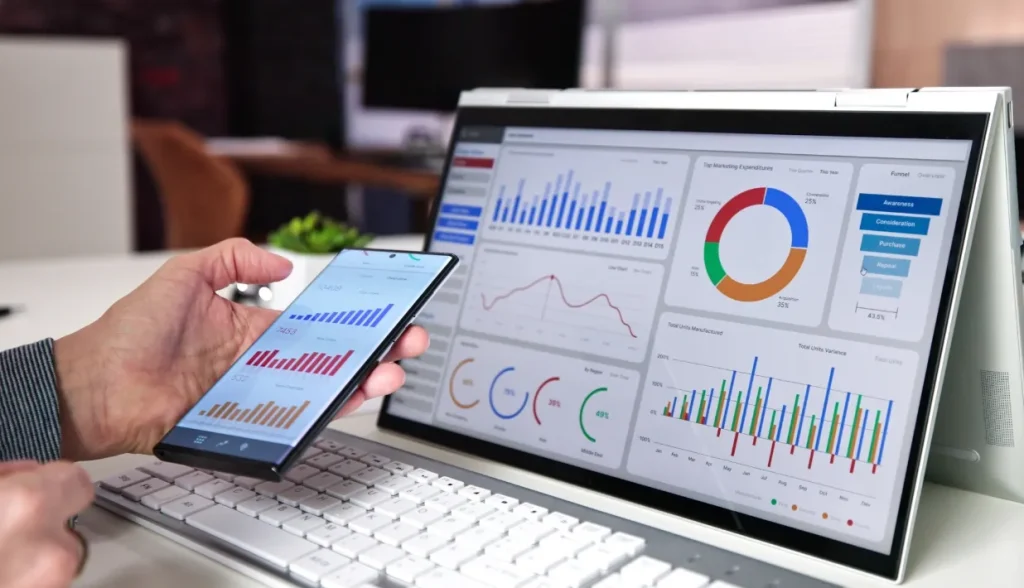
The digital business card landing pages should be hosted on a reliable, secure platform. Essential features include multi-language support for global teams and comprehensive analytics capabilities. Tracking metrics such as page visits, click-through rates on social media links, and geographic location of taps provides invaluable insight into networking effectiveness and campaign performance. This data allows businesses to measure the ROI of their digital card deployment.
4.2 After-Sales & Technical Support
For enterprise clients, the supplier’s technical capabilities must extend beyond the consumer-grade offering. Look for API integration capability, which is essential for syncing card data with existing Customer Relationship Management (CRM) systems, Human Resources Information Systems (HRIS), or internal directories. Furthermore, suppliers offering white-label or private deployment options allow large organizations to fully integrate the digital card platform under their own domain and branding.
5. Supplier Reliability & Long-Term Partnership
A digital card deployment is a long-term investment. Selecting a supplier with proven reliability and stability is crucial for ensuring uninterrupted service and future growth.

5.1 Industry Experience and Track Record
Evaluate the supplier’s history. Years of experience specifically with NFC or RFID products, rather than just general printing, indicates a deep understanding of the technology’s nuances. A strong track record is often evidenced by a portfolio of existing enterprise or global clients, suggesting the supplier can meet the rigorous demands of large-scale corporate deployments. With over 10 years of experience in the RFID industry, RFIDCard is committed to delivering high-quality products and reliable service guarantees.
5.2 Supply Chain Stability
The ability to handle large or repeat orders without significant delays is a critical factor. Assess the supplier’s supply chain stability, including their capacity for sourcing genuine chips and raw materials. For international organizations, the supplier should offer regional fulfillment and logistics support to minimize shipping costs and lead times across different operational territories.
5.3 Lead Time & Production Capacity
Understand the supplier’s production timelines. This includes the sample turnaround time for initial prototypes and the mass production lead time for large-volume orders. A reliable partner maintains sufficient supply stability during peak seasons to prevent bottlenecks that could impact business operations.
5.4 Certifications & Compliance
Compliance demonstrates a commitment to quality and ethical manufacturing. Look for certifications such as ISO, REACH, and RoHS. For companies operating in specific regions, ensuring regulatory compliance for target markets is non-negotiable, especially concerning the handling of personal contact data transmitted by the NFC enabled business card.
6. Support, Service & Post-Sale Commitment
The relationship with your supplier should not end once the cards are shipped. Ongoing support and service are essential for maximizing the utility of the platform.

6.1 Technical Support
Effective technical support is vital for resolving issues quickly. This includes expertise in NFC troubleshooting and providing clear, accessible setup guidance for first-time users and administrators. The support team should be knowledgeable about both the physical card and the digital platform.
6.2 Ongoing Service
The supplier’s commitment to the platform’s future is reflected in their ongoing service model. This covers profile updates and platform maintenance, ensuring the digital infrastructure remains secure and up-to-date with the latest web standards. Clear replacement and warranty policies provide assurance against manufacturing defects or premature chip failure.
6.3 Communication & Collaboration
The best suppliers act as partners, not just vendors. They should demonstrate the ability to understand your business use cases, offering strategic advice on deployment and integration rather than simply selling a product. Their technical support response should be fast and professional, facilitating a collaborative relationship that drives the long-term success of your digital networking initiative.
7. Conclusion
The decision to adopt an NFC enabled business card is a strategic move toward modernizing professional networking. The right supplier delivers reliability, flexibility, and scalability, ensuring your cards perform flawlessly today and adapt to future technological changes.
RFIDCard is a company with over ten years of industry experience. We provide high-quality products and strong after-sales support. If you have any questions about NFC business cards, feel free to contact us for consultation.
Recommended Product
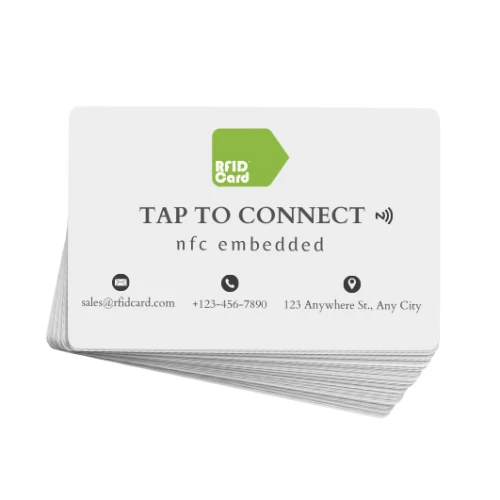
NFC Business Cards Custom encoding & printing

The NFC business cards are embedded with NFC chips in the standard credit card size. The package comes with custom printing and custom data encoding. The contact information encoded in the NFC business card can then be accessed or saved on an NFC-enabled phone.