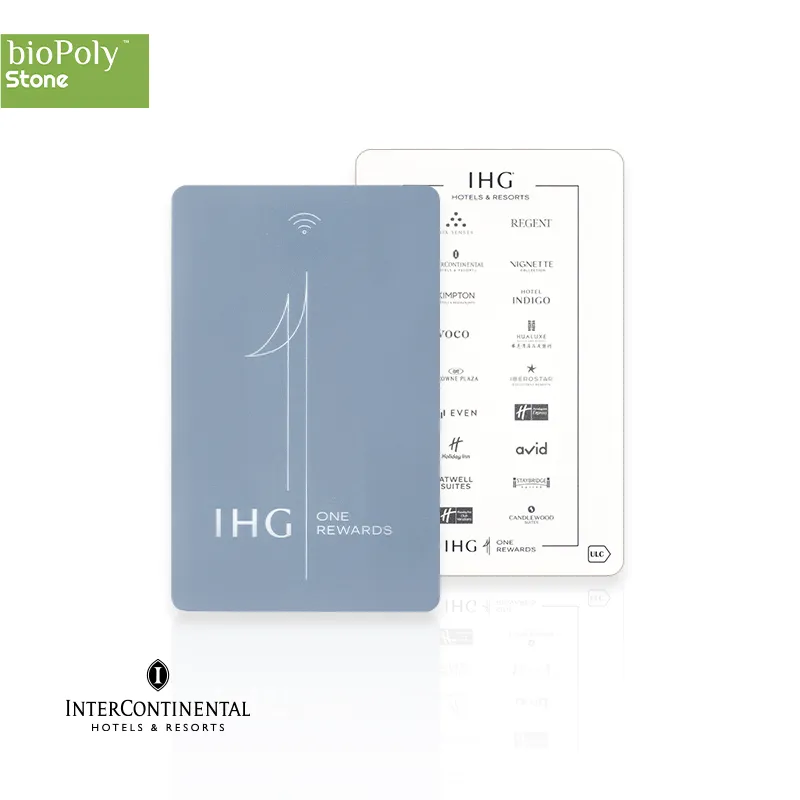
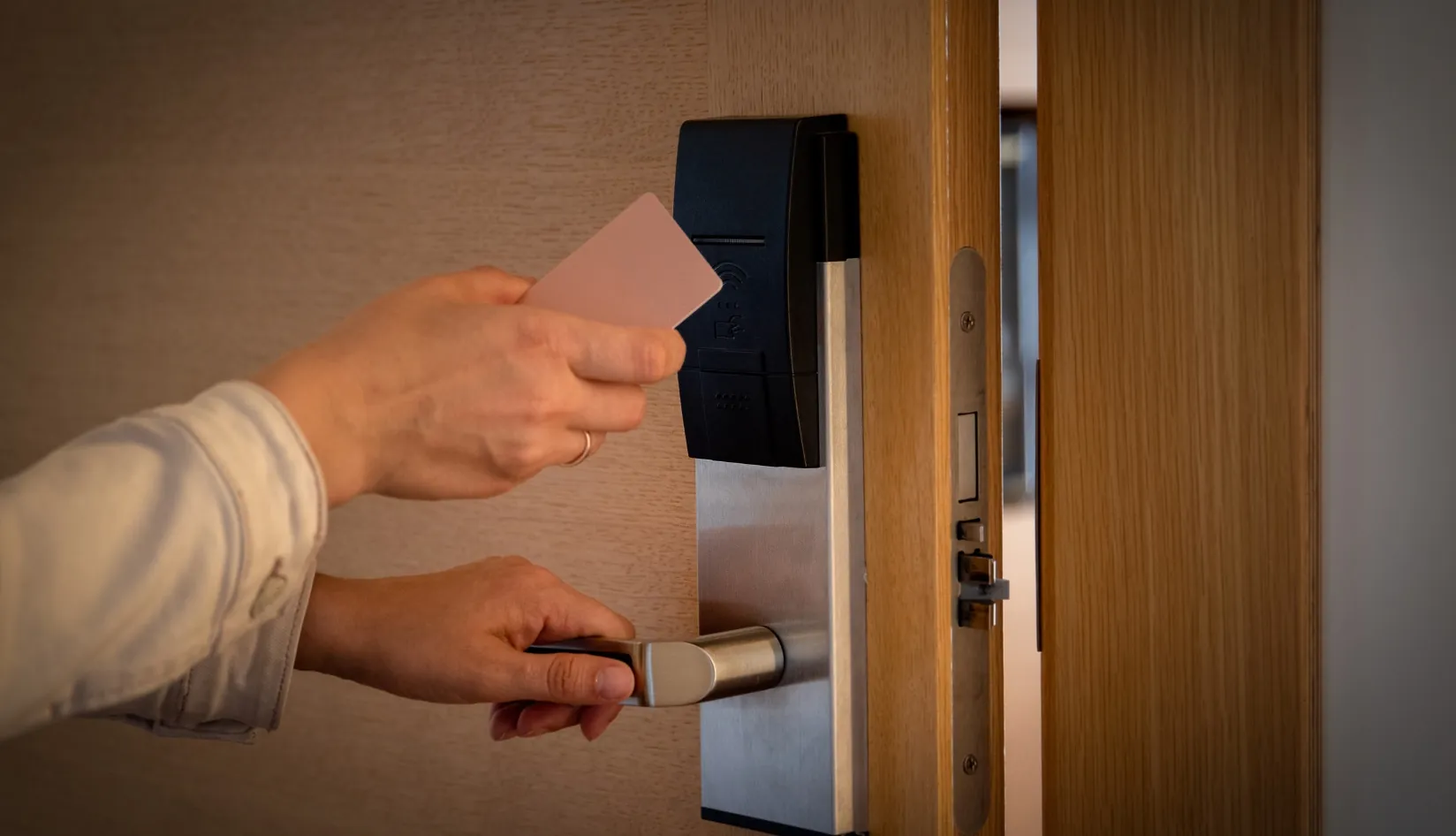
In today’s hotel scene, key cards have become more than just tools; they’re the gateway to a comfy stay and a big part of a hotel’s brand identity. Whether it’s about checking in, using facilities, or taking advantage of extra services, these cards are vital to the whole guest experience. They’re not just a physical pass; they symbolize the invisible connection between the hotel and its guests.
But picking the right key card material is about more than just making the cards tough. The choice directly impacts hotel costs, environmental obligations, and how guests feel overall. To really impress guests, hotels need not just great service and amenities but also to highlight their unique vibe through the little things—like the key card, which can effectively communicate the hotel’s brand values and culture.
With options ranging from traditional PVC to eco-friendly wood and bio-based materials, the market has plenty to offer. Each material comes with its own perks. So, how can hotels make smart choices based on their brand and target audience? And how do they strike a balance between durability, sustainability, and cost?

Types of Common Materials for Hotel Key Cards
When hotels pick key cards, the material choice has a big impact on how the cards look, feel, and hold up over time. With more hotels caring about the environment, there’s been a shift toward using sustainable materials that still get the job done without harming the planet. Traditional options like PVC, PET, and ABS are still popular, while newer eco-friendly materials like wood, BioPoly™ Vinyl, and BioPoly™ Stone are making waves in upscale and eco-conscious hotels.
Here, we’ll break down some common traditional and eco-friendly materials to help hotels figure out what best fits their needs.
Traditional Materials
PVC (Polyvinyl Chloride)
PVC is a synthetic plastic used in a ton of everyday products, including key cards, thanks to its durability and ease of processing.
It is a go-to material for key cards because it’s cheap, durable, and resistant to water and stains.
Features: Inexpensive, tough, resistant to water and stains, widely used across various hotels.
Pros: Great value and good durability across many settings.
Cons: Not very eco-friendly; hard to break down, not ideal for sustainability-minded hotels.
ColorEdge™ PVC (Color-Core PVC)
ColorEdge™ PVC is colorful PVC really amps up the visual impact of the cards, showing off a bunch of colors, and it’s perfect for hotels that need unique designs.
Features: Offers various color options, blending aesthetics with durability.
Pros: Not only does it maintain the durability of regular PVC, but it also showcases bright colors, making it ideal for hotel key cards that require personalized designs.
Cons: Despite its impressive visual appeal, its eco-friendliness is lacking, similar to standard PVC, making it hard to break down.
PET (Polyethylene Terephthalate)
PET is a common plastic that’s durable and suitable for industrial use, PET is often used for hotel key cards due to its high durability.
Features: Strong impact resistance and can handle heat well, ideal for demanding environments.
Pros: Performs better than PVC in hot or extreme conditions, good for locations with high usage.
Cons: Slightly pricier, processing can be more challenging, so not the best fit for budget hotels.
ABS (Acrylonitrile Butadiene Styrene)
ABS is an engineering plastic often used in high-demand industries, ABS is especially durable.
Features: High strength, tough against impacts, perfect for upscale hotels.
Pros: Hard and resistant to changes, very durable.
Cons: Costs more than PVC or PET, best for hotels focused on quality.
Silicone
Silicone is a flexible, heat-resistant synthetic rubber that’s also in kitchenware and medical devices, now making its way into hotel key cards.
Features: Soft, comfy, and wear-resistant, made for modern hotels.
Pros: Feels great to the touch, flexible, and durable for long-term use.
Cons: Might not look as high-end as harder materials, potentially unsuitable for traditional luxury hotels.
Metal Materials
Metals like aluminum and stainless steel offer a luxurious touch for key cards in high-end hotels.
Common Metal Materials: Aluminum, stainless steel.
Features: Shiny and strong, giving off a posh vibe.
Pros: Unique and upscale, very durable.
Cons: Expensive and heavier, not great for bulk production.
Eco-Friendly Materials
With growing awareness of environmental issues, many hotels are now opting for eco-friendly materials to create key cards. This not only aligns with sustainable development goals but also boosts the hotel’s green reputation.
Wood
As a natural material, wood offers unique patterns and a warm touch, making it a perfect choice for luxury hotels and resorts.
Features: Each wooden key card has its own unique texture, giving it a natural and upscale vibe.
Pros:
Unique Patterns: The natural grain and color of wood make every card one-of-a-kind, enhancing guests’ visual and tactile experience.
Eco-Friendly: Made from FSC-certified wood, guaranteeing responsible and sustainable sourcing.
Luxurious Feel: High-end hotels and resorts frequently use wood key cards to convey elegance and refinement.
Cons: Higher price point, and wood is susceptible to moisture and damage, needing special care.
BioPoly™ Vinyl (Biodegradable PVC)
BioPoly™ Vinyl is a PVC alternative containing bio-based additives that can decompose in certain environments.
Features: Made with bio-based additives, it can completely break down within 3 years—quite eco-friendly.
Pros:
Environmentally Safe: Naturally degrades in 3 years, reducing the risk of pollution.
Durable: Comparable to traditional PVC in durability, ideal for long-term use.
Certifications: Meets international environmental standards like RoHS and REACH.
Cons: Costs more than traditional PVC, making it a better fit for eco-conscious luxury hotels.
BioPoly™ Stone
BioPoly™ Stone combines natural minerals and bio-based materials, offering PVC-like durability.
Features: Made from a mix of natural minerals—primarily calcium carbonate—providing durability similar to PVC.
Pros:
Eco-Friendly: Biodegradable with harmless calcium carbonate residue, making it suitable for green hotels.
Durable: Good water and oil resistance, adaptable to various conditions.
Safe: FDA approved, suitable for family-oriented hotels.
Cons: Also on the pricier side.

Key Considerations for Choosing Hotel Key Card Materials
When picking materials for hotel key cards, it’s not just about function and looks—hotels need to consider a bunch of factors. Each material’s properties can directly impact things like durability, brand image, environmental friendliness, and cost. So, when making a choice, hotels need to weigh their individual needs against these factors. Here are some key considerations for choosing hotel key card materials.
Durability and Lifespan
Durability is the top priority when selecting materials for hotel key cards. These cards face frequent use and various environmental conditions, such as heat, humidity, and physical wear and tear. So, picking a material that holds up over time is super important.
Frequent Use Scenarios: PVC and BioPoly™ Vinyl are champs in durability, able to handle heavy use and tough environments. On the flip side, wooden options are unique but have lower impact resistance and can get damaged or warped in humid conditions, making them better for milder settings.
Extreme Conditions: For particularly harsh environments, PET and ABS are the way to go. These materials offer high impact resistance and can withstand high temperatures, ensuring key cards stay intact in tough conditions.
Brand Image and Customer Experience
Key cards are a major extension of a hotel’s brand; they’re not just access tools for guests but also a part of the hotel’s identity. The material choice plays a big role in shaping first impressions and overall experiences.
Luxury Hotels: For upscale hotel brands, high-quality materials like wood and metal are often more appealing. Wooden key cards can give off a natural, luxurious vibe, while metal cards bring a modern, high-tech feel—perfect for fancy hotels and resorts.
Sustainability: More hotels are focusing on environmental aspects in their brand messaging. Opting for eco-friendly materials boosts brand image and attracts eco-conscious guests. Wood, BioPoly™ Vinyl, and BioPoly™ Stone are sustainable choices that satisfy hotels’ needs for a green image while enhancing guest experiences.
Cost and Budget
Hotels should make sensible choices based on their budgets when selecting key card materials. Material costs can vary widely, and picking the right materials affects the hotel’s investment and overall value.
Budget-Friendly Options: Traditional choices like PVC and PET are cheap and ideal for hotels with tight budgets. These materials are plentiful and have stable prices, making them great for bulk use.
Long-Term Value: While wood and eco-friendly materials might have a higher upfront cost, they can enhance a hotel’s image and provide unique guest experiences. For premium hotels focused on brand building, eco-friendly options could be a smart long-term investment.
Customization and Personalization Needs
Hotel key cards often need to reflect the hotel’s overall branding. That makes customization and personalization super important. The choice of material affects processing and printing capabilities.
Printing Options: Different materials support various printing methods—think UV printing, laser engraving, or heat transfer foiling. Wood, metal, and BioPoly™ Vinyl can allow for detailed customization, offering a range of textures, designs, and effects.
Nicknaming It Up: Hotels aiming to wow their guests can create personalized key cards with different shapes, colors, and materials, making them extra appealing. Especially high-end hotels and resorts can leverage customized key cards to strengthen brand recognition and boost customer experiences.

Future Trends: The Importance of Eco-Friendliness and Sustainability
As awareness of environmental issues continues to grow worldwide, the hotel industry is experiencing a shift in material choices toward eco-friendliness and sustainability. More hotels are realizing that using sustainable materials is not just a response to government policies, but an indication of social responsibility. This trend is about more than just lessening negative environmental impacts; it’s also about boosting hotel brand value and competitiveness through material choices.
Eco-Friendly Trends: Steering Industry Transformation
With tightening global environmental regulations, the hotel industry’s supply chains are moving toward more sustainable and eco-friendly practices. Choosing environmentally sustainable materials helps hotels not only reduce their operational environmental impacts but also gain long-term economic and brand benefits.
Environmental Regulations: As more regions enforce stricter environmental laws, the hotel sector must adapt by gradually eliminating harmful materials like PVC and plastic. This shift is leading many hotels to adopt biodegradable or recyclable materials, reducing waste and pollution.
Green Certifications: Hotels that use sustainable materials and achieve certifications (like LEED or Green Key) can enhance their eco-image and attract consumers focused on sustainability, driving further market growth.
Brand Value: Crafting a Green Image
As consumers become more eco-conscious, they increasingly favor hotels that prioritize sustainability. The use of environmentally friendly materials not only showcases the hotel’s commitment to social responsibility but can also significantly increase its brand value.
Appealing to Green Consumers: Eco-aware consumers tend to choose hotels that provide sustainable solutions. By incorporating materials like BioPoly™ Vinyl and wood, hotels can capture the interest of these consumers and improve their standing in the green market.
Customer Loyalty: Hotels focusing on sustainability build strong brand loyalty; guests who enjoy quality service while recognizing the hotel’s commitment to eco-practices feel a strong emotional attachment, which leads to lasting customer relationships.
Social Responsibility: By using eco-friendly materials, hotels can demonstrate their commitment to corporate responsibility, establishing themselves as positive corporate players. In today’s world, where environmental protection is a key focus, this reputation can lead to increased positive visibility and customer affinity.
Innovation and Growth of Eco-Friendly Materials
With advances in technology, the types and properties of eco-friendly materials are rapidly evolving. In the future, new innovative green materials will enter the hotel industry to meet the demand for sustainable practices. For instance, BioPoly™ Stone and BioPoly™ Vinyl combine natural and bio-based components, providing durability comparable to traditional PVC while also decomposing naturally after use, thus lessening environmental impacts.
Using Biodegradable and Recyclable Materials: The goal of incorporating eco-friendly materials extends beyond minimizing their environmental footprint; it includes managing their lifecycle. More hotels are expected to implement easy-to-recycle or fully biodegradable materials, promoting greener resources.
Innovative Manufacturing: The creation of new eco-friendly materials is not solely focused on their environmental credentials but also involves innovative production processes. Enhanced energy-efficient processing can further reduce energy usage and waste, fostering sustainable growth in the hotel sector.

How to Make Sure Hotel Key Cards Are Top-Notch?
Quality is everything when it comes to selecting and producing hotel key cards. Top-notch key cards not only last long but also ensure guests have a great experience while using them. So, hotels have to take solid steps to guarantee their key cards are up to snuff during the ordering process. Let’s look into how picking the right suppliers and rigorous quality checks can keep hotel key cards on point.
Pick a Trustworthy Supplier
The first move in ensuring quality key cards is choosing a trustworthy supplier. An experienced and tech-savvy supplier can hook hotels up with high-quality cards that tick the boxes for durability, eco-friendliness, and good looks.
Supplier Experience: Go for suppliers that have been around for a while. Take RFIDCard.com, for example; they’re a big name in the game, being the first to use BioPoly™ Stone for cards and have over ten years of experience cranking out over 100 million cards annually. They serve more than 2,000 hotels worldwide, including names like Hilton, Marriott, and IHG. A supplier with this level of expertise can provide the best materials and customized services you need.
Quality Assurance and Certifications: A solid supplier usually offers quality guarantees and relevant certifications to back up their products. Make sure they have quality management certifications (like ISO9001) and environmental ones (like RoHS and REACH). This will help ensure hotels are picking up eco-friendly and reliable products.
Tech and Innovation: With tech constantly advancing, suppliers keep rolling out new eco-friendly materials and cutting-edge production processes. Picking a supplier that embraces new tech, like using bio-based materials such as BioPoly™ Stone, can give hotels a two-for-one deal on quality and eco-friendliness.
Tough Quality Testing
To keep key cards in good shape over time, hotels need to put those cards through some tough quality tests. Regular checks can help spot and fix issues early, making sure key cards stand the test of time and meet environmental standards in real-world use.
Durability Tests: Durability is a major factor for hotel key cards, especially when they’re used a lot or face tough conditions. Running regular tests for wear and tear, impact resistance, and heat tolerance can confirm that cards will hold up over time, saving costs linked to broken cards.
Eco-Performance Tests: With environmental regulations tightening up, hotels have to make sure their materials check out sustainability-wise. If they’re going with biodegradable options (like BioPoly™ Vinyl or BioPoly™ Stone), they need to get the right certifications and tests to ensure those materials break down properly after use, keeping pollution at bay.
Printing and Finishing Quality Tests: How a card looks and works can hinge on its printing and processing quality. Hotels should ask suppliers for samples to check printing clarity and processing quality to ensure colors pop, designs are clear, and numbering as well as barcoding are spot on.
Ongoing Quality Monitoring and Improvement
While hotels are using key cards, they should keep tabs on quality based on guest feedback and how well the cards are holding up. Regularly collecting guest comments can help hotels gauge key card performance in the real world, spot potential issues, and communicate with suppliers for any tweaks needed, keeping card quality in peak condition.

Conclusion: How to Nail the Perfect Hotel Key Card Material Choice?
When it comes to picking materials for hotel key cards, hotels need to weigh a bunch of factors, including durability, eco-friendliness, brand image, and the guest experience. Every material has its pros and cons, and only by doing a thorough analysis can hotels find the best fit for their needs. For example, while traditional materials like PVC are cheap and tough, they really fall short on environmental friendliness. On the flip side, eco-friendly materials like BioPoly™ Vinyl, BioPoly™ Stone, and wood can boost a hotel’s brand image and meet sustainability goals.
With the growing emphasis on eco-awareness, hotels should make it a priority to use biodegradable and eco-friendly materials. This not only reduces harm to the environment but also enhances the hotel’s social responsibility profile, attracting more clients who are into sustainable choices. By selecting the right materials, hotels can ramp up customer satisfaction while also doing their part for green initiatives.

FAQs
How Hotel Key Card Materials Impact Sustainability Goals
Opting for eco-friendly materials like wood, BioPoly™ Vinyl, and BioPoly™ Stone helps hotels lower their environmental impact. Using biodegradable or recyclable materials not only slices down on waste but also cuts carbon footprints, driving sustainable growth and complying with tougher environmental regulations while also boosting the hotel’s image as socially responsible.
Why Wooden Key Cards Boost the Customer Experience?
Wooden key cards offer a unique natural look and a high-end feel that elevate the luxury atmosphere of the hotel, creating a lasting brand impression for guests. This is especially beneficial for upscale hotels and resorts, where wooden cards convey exclusivity, enhance the hotel’s brand identity, and foster a connection with nature, thus enriching the guest experience.
Why Some Hotels Prefer BioPoly™ Vinyl Over Traditional PVC?
BioPoly™ Vinyl is a biodegradable alternative to PVC that fully decomposes within three years, cutting down on environmental pollution. It has comparable durability to traditional PVC, but its eco-friendly benefits make it increasingly popular among hotels focused on sustainability, aligning perfectly with today’s consumers’ eco-conscious values while helping hotels lessen their environmental impact.
How Hotels Balance Cost and Eco-friendly Needs in Key Card Material Selection?
When choosing key card materials, hotels must strike a balance between upfront costs and long-term investments. Traditional materials like PVC and PET are budget-friendly, making them appealing for hotels on a tight budget. However, eco-friendly materials like wood and BioPoly™ Vinyl may have higher initial costs but they can deliver long-term brand advantages, from a better hotel image to attracting eco-conscious guests and reducing their environmental footprint.
How Personalization Affects Key Card Material Choices?
The personalization demands for hotel key cards directly influence material selection. Different materials support varying customization methods, such as laser engraving, UV printing, and laser coding. Hotels looking to make unique cards that highlight their brand might choose materials like ABS or wood, which can handle different printing and engraving techniques. Meanwhile, eco-friendly options like BioPoly™ Vinyl and BioPoly™ Stone can also enhance personalization through high-quality craftsmanship.