As technology keeps advancing, a bunch of traditional industries are starting to adopt cool, new tech to boost efficiency and upgrade customer experience. The hotel industry is riding this wave too, with RFID technology stepping up as a major player in hotel management. From speeding up check-ins to boosting security, RFID tech is gradually transforming how hotels operate.

The Role of RFID Technology in Hotels
In the hotel industry, implementing RFID technology has made a noticeable improvement in operational management and the overall customer experience.
What is RFID Technology?
RFID stands for Radio Frequency Identification, and it’s a tech that enables contactless data transfer using radio waves. The basic idea is pretty straightforward: RFID tags (which usually have a tiny microchip inside) and readers communicate wirelessly to identify and track stuff or people. A typical RFID system includes three parts: RFID tags, readers, and data processing systems.
RFID Tags: These usually consist of an antenna and a microchip that holds info related to an object or person.
RFID Readers: The reader chats with the tag using radio waves to grab the info stored in it.
Data Processing Systems: This system relays the data collected to a backend system for storage, analysis, and application.
One of RFID’s biggest perks is it allows for quick and accurate data reads without needing to physically touch or align anything with the device. That’s why it’s been adopted in a ton of areas like logistics, retail, transportation, and healthcare.
The Boom of RFID in Hotels
With consumers demanding more convenience, security, and personalized service, the old-school hotel management methods just can’t cut it anymore. Enter RFID technology: it quickly gained traction in the hotel industry and has become key to boosting management efficiency and enhancing guest experience.
Back in the day, hotels relied on mechanical or magnetic strip cards to grant guests room access, but those systems often brought about security concerns and were pretty inconvenient. The arrival of RFID tech has changed the game:
Convenient Check-In: RFID key cards allow hotels to offer super-fast and contactless check-ins and check-outs, so guests can skip the long lines and don’t have to bother with inserting cards, massively improving front desk efficiency.
Better Security: RFID enhances hotel security with encryption and identity verification. It not only effectively blocks card cloning but also keeps guest and employee access tightly managed.
Smart Services: RFID keys do more than just unlock doors—they connect with other hotel features (like smart lighting, A/C, and TVs), offering guests personalized, high-tech services.
Streamlined Operations: With RFID, hotels can keep tabs on guest and equipment usage in real-time, run data analyses, and fine-tune room assignments, equipment maintenance, and resource scheduling.
So, the broad use of RFID tech not only amps up hotel operational efficiency but also gives a significant boost to guest experience, pushing the hotel industry into a digital and smart future.

Basic Features of RFID Hotel Key Cards
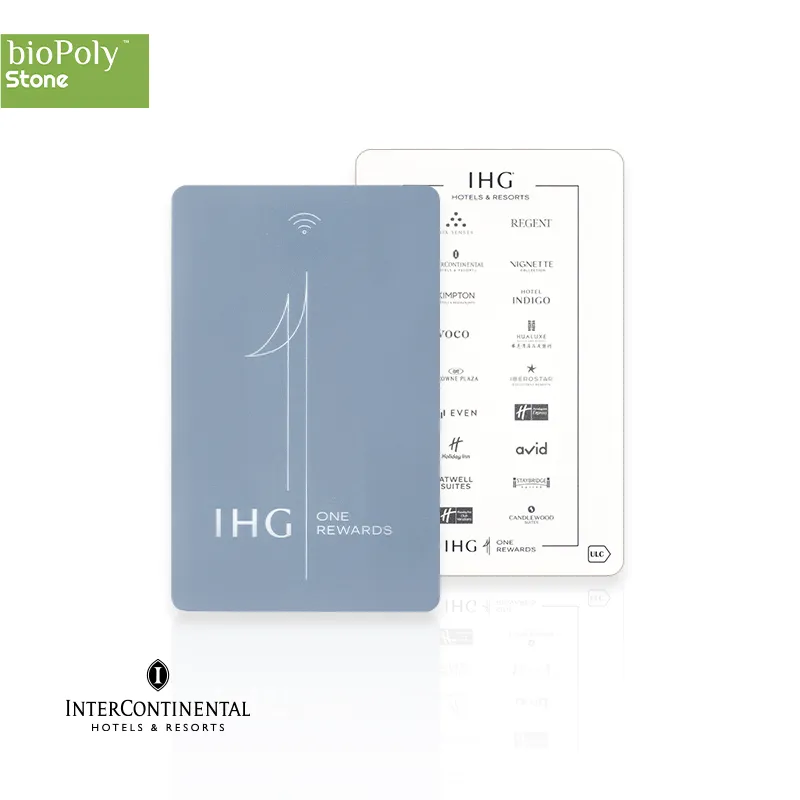
As RFID technology has gained traction in the hotel industry, RFID hotel key cards have become a crucial part of modern hotel management systems. Their main functions include door access and automated room assignment.
Door Access Functionality
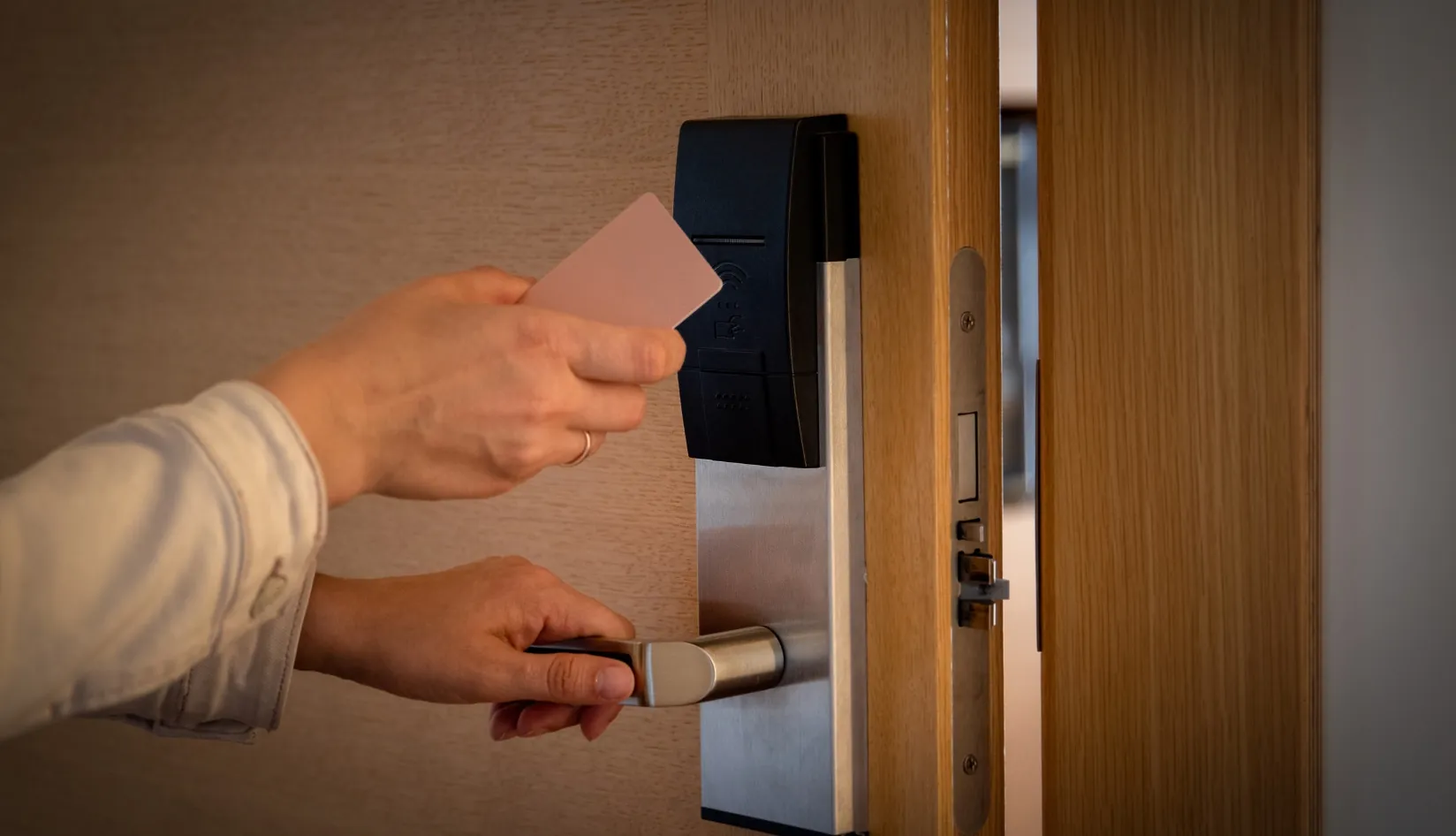
In traditional hotels, guests usually used metal keys or magnetic cards to unlock doors, but those options often came with headaches like getting lost, getting damaged, or having to wait in line for help. The arrival of RFID key cards has made things a lot simpler. Guests just hold their key card close to the RFID reader on the door, and the lock system wirelessly communicates with the key to verify the information, unlocking the door automatically without needing to insert a card or turn a key. RFID tech not only speeds up door access but also significantly improves security and convenience.
Here are the advantages of the RFID key card’s door access functionality:
Contactless Operation: RFID keys use radio waves to communicate with the door reader, meaning no physical contact is needed. This makes unlocking doors faster and more hygienic.
High Security: The data in RFID key cards is encrypted, which prevents copying or unauthorized reading. Even if a key gets lost or stolen, the hotel management system can quickly freeze it, keeping guests safe.
Smart Lock Systems: Many hotels have smart lock systems that allow guests to access doors with RFID keys and automatically lock when a key expires or after checkout, boosting hotel management efficiency.
Room Assignment and Automation
Besides basic door access, RFID hotel key cards can integrate tightly with the hotel management system to deliver a smoother and more convenient check-in experience, particularly regarding room assignment and automation.
Quick Check-In: The traditional check-in process usually requires guests to queue at the front desk to register, fill out their info, and get their key cards. With RFID key cards, hotels can enable contactless self-check-in. For instance, guests might receive an electronic version or QR code of their RFID key card via email or mobile app when they book, then pick up their key card directly from a self-serve kiosk or check-in terminal when they arrive—no direct interaction with front desk staff necessary, saving valuable time.
Automated Room Assignment: RFID tech can smoothly connect with the hotel’s Property Management System (PMS). After booking is completed, the system automatically assigns rooms to guests and sends the relevant RFID card information to their phone or key card. This not only boosts check-in efficiency but also avoids mistakes made in manual room assignments, ensuring each guest gets a room that meets their needs.
Enhanced Guest Satisfaction: The efficient functions of RFID key cards enable hotels to offer more personalized services. For instance, by using the RFID card, hotels can track guests’ preferences (like room temperature, pillow type, lighting preferences, etc.) and automatically adjust room settings for returning guests, providing a customized and comfy experience.
Optimized Backend Management: RFID key cards can also feed into the hotel management system for real-time tracking of room occupancy and guest needs. The hotel backend can automatically know if guests have checked in, whether they are using other hotel amenities (like dining and the gym), allowing hotels to improve resource usage and streamline service processes.

Multiple Uses of RFID Hotel Key Cards
As RFID technology continues to evolve, hotels are leveraging it beyond just traditional room access and into a variety of other applications.
Payment and Checkout Functions
One major function of RFID hotel key cards is as a payment tool, making it easier for guests to settle charges within the hotel.
In-Hotel Payments: RFID key cards can be integrated with the hotel’s POS (Point of Sale) systems, allowing guests to make purchases at hotel restaurants, bars, spas, gyms, and more, simply by using their key cards. Whether it’s for dining bills or other expenses, guests can pay without carrying cash or credit cards, making transactions easy and quick.
Optimized Checkout Efficiency: RFID cards are deeply integrated with the hotel’s checkout systems, enabling management to update guest billing info in real-time. During checkout, guests simply use their key cards to settle their bills without tedious calculations or manual interventions, significantly reducing the time it takes to check out.
This payment method is not only convenient but also enhances the hotel’s digital management, improves customer experience, and minimizes security risks related to handling cash.
Smart Room Control
RFID key cards are not just for opening doors; they can also act as controllers for smart devices in the rooms.
Control of Lights, Air Conditioning, and TVs: Many modern hotels integrate RFID key cards with room smart devices. When guests enter their rooms, inserting or tapping their RFID cards automatically turns on the lights, air conditioning, and TV according to preset settings, creating a comfortable environment. This smart control feature enables hotels to deliver a more personalized experience for guests.
Integration with Smart Home Systems: RFID key cards can seamlessly connect with the hotel’s smart home systems for a higher level of customized service. For instance, room settings can adjust automatically based on guests’ historical preferences (like temperature and light intensity), creating a tailored comfort experience. For long-stay or VIP guests, RFID cards can set up an even more precise smart environment based on their habits.
This intelligent room control not only improves the guest experience but also makes hotel operations more efficient. Hotels can adjust room environments in real-time, reducing energy waste and increasing room usage efficiency.
Access Management and Security
RFID technology plays an essential role in enhancing hotel safety and management efficiency, particularly in access control and the protection of sensitive areas.
Internal Access Management: Beyond just controlling guest room doors, RFID key cards can be used to manage access to other public spaces within the hotel. For instance, guests can use their RFID cards to access gyms, pools, executive lounges, and other specific areas. For staff and management, RFID cards serve as keys for employee areas, storage rooms, or technical areas, ensuring that only authorized personnel can enter specified zones.
Increased Hotel Security: Utilizing RFID technology, hotels can monitor and record the usage of every card in real-time. If a card is lost or stolen, the hotel can quickly freeze it and issue a new one, preventing unauthorized access to sensitive areas of the hotel. Additionally, RFID cards can work in conjunction with CCTV systems, boosting security management.
This efficient access management not only enhances hotel security but also increases guest trust and satisfaction.
Membership and Loyalty Programs
RFID hotel key cards can also serve as identity verification tools for membership, helping hotels implement loyalty programs that increase client retention.
Membership Points and Rewards: Through RFID cards, hotels can easily track guests’ spending records, automatically updating points and rewards systems via the cards. Members’ expenses (like dining, spa services, room bookings, etc.) are recorded automatically, and their points are updated in real-time without needing extra actions from guests.
Customized Experiences: Based on data from RFID card usage, hotels can offer personalized services to returning guests. For instance, VIP members might receive specific room arrangements based on their past stays (like sheet color, pillow type, room temperature, etc.) or enjoy unique welcome gestures (like complimentary drinks or special gifts) upon check-in. This level of customization enhances customer loyalty and encourages repeat visits to the hotel.
The membership and loyalty features of RFID key cards help hotels improve customer retention while enhancing the overall experience, creating a more competitive brand.
Baggage Tracking and Storage Management
RFID technology has a crucial role in hotel baggage management systems, helping improve operational efficiency and customer satisfaction.
Baggage Tracking: RFID technology enables hotels to track baggage location in real time. When guests check in, the hotel places RFID tags on their luggage. Staff can quickly confirm luggage location using RFID readers, ensuring safe and accurate delivery. This functionality significantly reduces the risk of lost or misdirected luggage, boosting overall guest satisfaction.
Storage Management: For guests who need to store their luggage, hotels can manage storage areas using RFID systems, ensuring secure storage and easy retrieval. The use of RFID labels not only increases storage management efficiency but also decreases errors related to manual log entries and handling.
With an RFID baggage management system, hotels are able to provide guests with more convenient and secure baggage services, enhancing overall operational efficiency.

The Security and Privacy Protection of RFID Key Cards
With the widespread use of RFID technology in the hotel industry, it has brought significant convenience and advantages, but it also raises certain security and privacy concerns. Since RFID technology involves data transmission and remote identification, it may be susceptible to information leaks, data tampering, and hacking attacks. Thus, while enjoying the benefits and efficiencies RFID technology offers, the hotel industry must prioritize the security of RFID cards and the protection of customer privacy.
Challenges to RFID Security
Although RFID technology offers convenient automated services for hotels, its wireless nature makes it vulnerable to potential security threats.
Information Leakage: RFID room keys transmit data via radio waves, meaning that data can be scanned and captured illegally from the air. Especially with low-frequency or high-frequency RFID tags, hackers can use certain devices to read the information stored on the cards without having direct contact, such as room numbers and check-in details. If this information is not encrypted, third parties can misuse or steal it.
Data Tampering and Forgery: Since some data stored on RFID cards may be unencrypted, hackers can alter or forge the card’s content through technical methods. This type of attack is especially dangerous because attackers can use forged cards to gain unauthorized access to hotel rooms or sensitive areas, posing a security threat.
Replay Attacks: Within RFID systems, hackers may use signal replication technology to capture valid RFID signals and replay them to deceive the system during authentication. Through this technique, attackers can circumvent security measures and gain access.
Physical Damage and Misuse: While RFID cards do not require direct contact, risks of physical damage and malicious alteration still exist. If a card is lost or stolen, malicious users might attempt to exploit it for improper purposes, posing challenges to hotel security management.
If hotels do not address these security challenges promptly, they could seriously threaten their operational security and guests’ personal information. Therefore, ensuring the security of RFID cards is crucial for hotels implementing RFID technology.
Solutions
Encryption Technology: Protecting the data on RFID cards using encryption algorithms is an effective way to prevent data leakage and tampering. Encryption technology ensures that even if hackers capture the card’s contents through wireless signals, they cannot decrypt the data, keeping it unintelligible. Common encryption technologies include AES (Advanced Encryption Standard) and RSA encryption protocols, which effectively protect against data leaks.
Dynamic Keys and One-Time Passwords: To prevent hackers from conducting replay attacks and data forgery, hotels can utilize dynamic keys or one-time password technology to enhance RFID card security. Each time the system scans the card, it generates a dynamic key that remains valid for a short period; once it expires, the system deactivates it, preventing reuse even if hackers capture the key.
Two-Factor Authentication: To further enhance RFID card security, hotels can implement two-factor authentication (2FA). For instance, in addition to showing the RFID card, guests may need to provide additional authentication details such as passwords, fingerprints, or facial recognition, ensuring only authorized users can access rooms or other sensitive spaces.
Protection for RFID Readers: You can encrypt the RFID readers to prevent unauthorized devices from accessing the RFID card data. By establishing an encrypted channel between the RFID readers and the hotel management system, you can secure all data exchanges and stop hackers from launching attacks via intercepted signals.
Regular Updates and Maintenance: Hotels should regularly update and maintain their RFID card security systems, including changing keys and updating encryption algorithms. Routine security checks help identify potential vulnerabilities and quickly address them, ensuring long-term security for RFID systems.
With these encryption and authentication measures in place, hotels can effectively mitigate the security risks associated with RFID cards, safeguarding customer information and preventing potential security threats.
Privacy Protection Measures in Hotels
Data Minimization Principle: When hotels utilize RFID cards, they should adhere to the data minimization principle, collecting and storing only the information essential for service provision. For example, the RFID card may only store room numbers and check-in dates without holding other sensitive personal data (like ID numbers or credit card info). As a result, even if someone loses or compromises a card, it will not disclose excessive personal information.
Data Encryption and Anonymization: In addition to encrypting the data on RFID cards themselves, hotels can utilize data anonymization techniques to separate customer identity information from RFID card operation records, preventing direct connections to the customers’ personal data. Even if hackers obtain RFID card data, they will be unable to reconstruct specific customer identities.
Privacy Policies and Customer Authorization: Hotels should clearly communicate to customers the purposes of collecting and using data through RFID cards, obtaining customers’ informed consent. Guests should understand how their personal information will be used and stored, and hotels should commit to protecting their privacy by refraining from disclosing personal details to third parties.
Access Management and Data Control: Hotels should maintain strict control over access to the data within their RFID systems, ensuring that only authorized personnel can access sensitive information. By implementing role-based access control and maintaining logs of access, hotels can safeguard data and prevent unauthorized access to customer information from employees or outsiders.
Preventing RFID Card Misuse: For lost or stolen RFID cards, hotels should offer a quick freezing or cancellation process. When guests realize their RFID card is missing, they should report it immediately through customer service or online platforms, ensuring the system promptly deactivates the card to prevent misuse.

Conclusion
RFID hotel key cards are used for much more than just opening doors these days. They play a significant role in boosting hotel operational efficiency, enhancing security, and improving the overall guest experience. Beyond just unlocking doors, RFID room cards can manage smart room controls, facilitate payments, handle access management, and support loyalty programs. This greatly elevates service quality and management efficiency at hotels. With RFID technology, hotels can offer more convenient, efficient, and personalized services, cut down on manual intervention, and ultimately boost customer satisfaction.
On top of that, RFID technology has improved hotel security by reducing the risks of loss and counterfeiting that come with traditional cards. RFID protects guests’ personal information and safety through techniques like encryption and identity verification, lowering potential risks.
As technology keeps advancing and innovating, RFID will continue to play a bigger role in the hotel industry. Looking ahead, with the rise of the Internet of Things and smart devices, the applications of RFID technology will likely expand further, steering the hotel sector towards smarter, more personalized, and efficient operations. This shift will not only enhance operational efficiency for hotels but also create a safer, more convenient, and customer-friendly stay for guests.

FAQs
Can you duplicate RFID hotel key cards?
RFID hotel key cards are a lot tougher to copy than traditional magnetic stripe cards due to their use of wireless communication and encryption. While it’s theoretically possible to replicate them, it requires specialized gear and technical expertise. Most modern hotels use encryption algorithms and dynamic keys, which adds even more security. So generally, copying an RFID card is pretty difficult.
Are RFID cards safe?
RFID cards are generally safe, but there are still some risks, like information leaks and hacking. To keep things secure, hotels typically employ encryption, identity verification, and dynamic keys to minimize these risks. Plus, the overall safety of RFID cards relies heavily on the hotel’s security management practices, such as blocking unauthorized access to data and regularly updating their security measures.
What’s the difference between RFID hotel key cards and traditional key cards?
Unlike traditional mechanical key cards, RFID hotel key cards don’t require insertion into the door lock. They communicate wirelessly with the lock system, making them easier to use. RFID cards offer superior security since they can’t be physically copied and they can integrate multiple functions like payments and smart controls. Overall, RFID cards provide a more efficient, advanced, and secure service experience compared to traditional key cards.
What should I do if I lose my RFID key card?
If you lose your RFID key card, you should contact the hotel front desk or customer service right away. Hotels will typically deactivate the lost card quickly by verifying your identity and issue a new room card to keep your room and personal info safe. To prevent any hassle, hotels usually have emergency reporting and reissuing services in place.
Do RFID hotel key cards need battery changes?
Most RFID hotel key cards don’t have batteries; they communicate with door locks using wireless signals, so there’s no battery upkeep needed. Some higher-end RFID cards might come with built-in batteries for longer usage, but they usually last a long time. If the battery does start to run low, hotels will typically take care of replacing it.