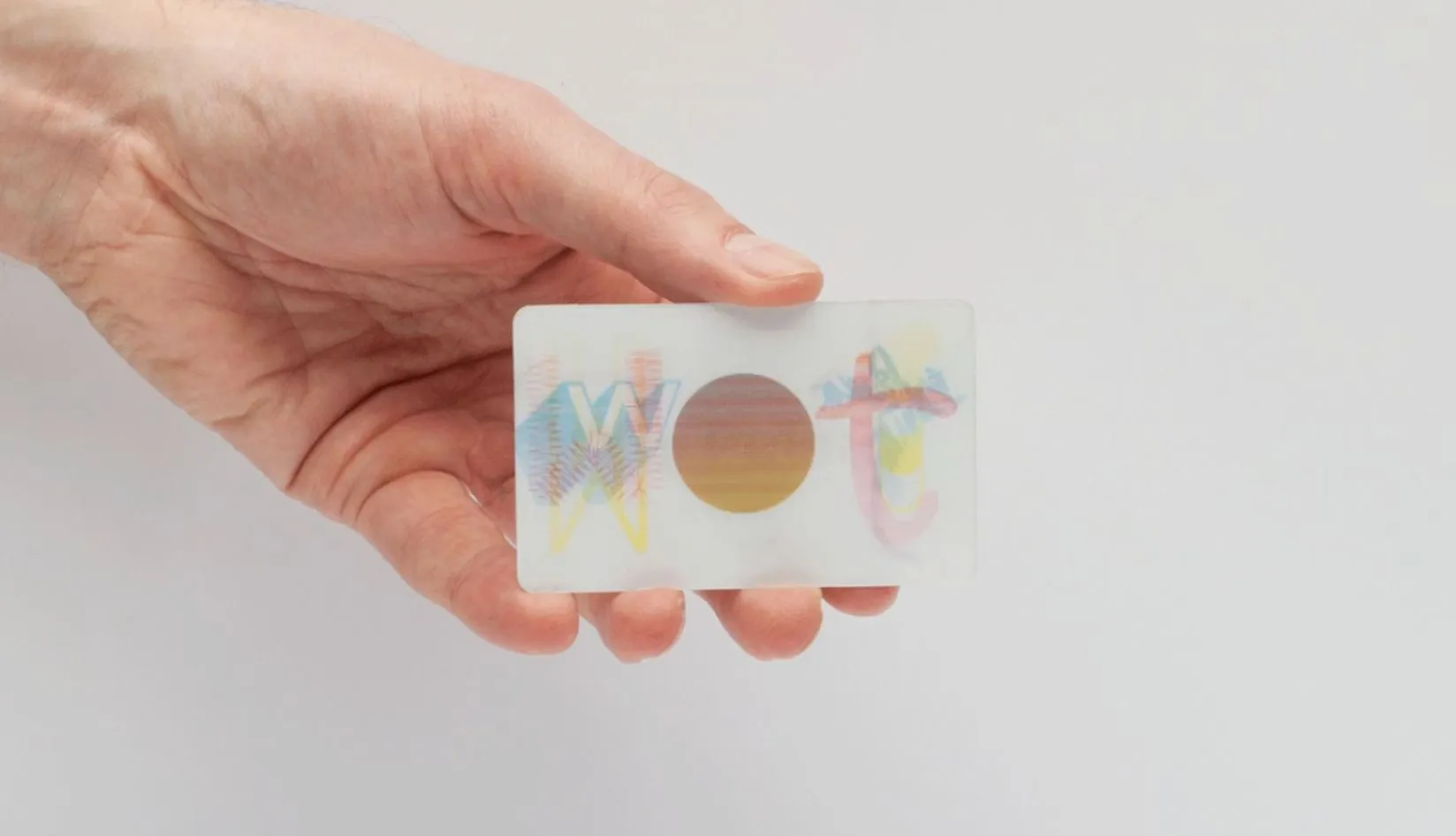
In an age when sustainability has become a defining factor in how businesses operate, the eco-friendly RFID card stands out as a symbol of innovation meeting responsibility. These cards, which combine radio frequency identification (RFID) technology with biodegradable or recycled materials, are transforming industries that have long relied on traditional plastic cards. From hotels and public transportation systems to universities and corporate offices, more organizations are realizing that they can maintain security and convenience while reducing environmental impact. The global movement toward sustainability has accelerated this shift—consumers and corporations alike are demanding greener solutions. Let’s explore five real-world examples where eco-friendly RFID cards are making a difference, demonstrating their practical application and profound impact across diverse industries.
1. Hospitality Industry: Sustainable Room Access at Green Hotels

The hospitality sector, a significant consumer of plastic keycards, is at the forefront of embracing sustainable alternatives. Hotels, particularly those marketing themselves as “green” or “eco-conscious”, are increasingly replacing their traditional PVC keycards with biodegradable or recycled eco-friendly RFID cards. This strategic shift offers multifaceted benefits, extending beyond mere compliance to enhancing brand image and operational efficiency. By opting for cards made from materials like wood, bamboo, corn starch (PLA), or recycled plastics, hotels significantly reduce their contribution to plastic waste. This commitment resonates strongly with environmentally aware travelers, who often prioritize accommodations that demonstrate genuine environmental responsibility. The seamless guest access provided by RFID technology remains intact, ensuring a smooth and convenient experience, while the underlying material choice champions sustainability.
For instance, a growing number of hotel chains, such as those under the Green Key Global certification, report a substantial move towards sustainable keycard solutions. Industry data suggests that approximately 30% of hotels in North America are actively exploring or have already implemented sustainable keycard programs, with projections indicating this figure could exceed 50% within the next five years. This trend is driven by both consumer demand and corporate social responsibility initiatives, highlighting how an eco-friendly RFID card can be a powerful tool for both environmental protection and market differentiation. The benefits are clear: reduced landfill burden, improved public perception, and a tangible demonstration of a hotel’s dedication to a greener future.
2. Public Transportation: Greener Commutes with Eco-Friendly RFID Cards

Public transportation systems around the world are also turning to eco-friendly RFID solutions to promote greener urban living. Traditional transit cards, often made from non-recyclable plastics, contribute to significant environmental waste. In contrast, recyclable or biodegradable eco-friendly RFID cards offer a long-lasting and sustainable alternative.
Cities like Vancouver, with its Compass Card system, and various European transit authorities are piloting or fully implementing transit cards made from recycled PET or other sustainable polymers. The durability of these eco-friendly RFID cards ensures a long lifespan, comparable to traditional PVC cards, while their material composition allows for easier recycling at the end of their utility. Furthermore, advancements in recycling infrastructure specifically for these types of materials are making the circular economy model more viable for public transit. The convenience of tap-and-go payment remains, but now with the added benefit of a significantly reduced environmental footprint. This initiative not only addresses waste management but also educates millions of daily commuters about the importance of sustainable choices, integrating environmental responsibility into the fabric of urban life.
3. Corporate Access Control: Sustainable Security at Workplaces
In corporate environments, access control systems play a crucial role in security and operations. Companies issue millions of employee ID badges every year, many of which are discarded during rebranding or staff turnover. Recognizing the environmental impact of this practice, forward-thinking businesses are adopting eco-friendly RFID cards made from recycled PET, wood, or other biodegradable materials.
Employees welcomed the change as a visible and practical symbol of the company’s values. The cards also offered improved design options, with natural finishes and reduced carbon footprints during production. Because RFID technology ensures secure access control, there is no compromise on functionality. In fact, the cards can be easily deactivated and reissued, reducing waste even further.
4. Educational Institutions: Green Campus Initiatives
Universities and colleges are vibrant ecosystems where innovation and sustainability often intersect. Many institutions are now implementing comprehensive ‘green campus’ initiatives, and eco-friendly RFID cards are becoming a cornerstone of these efforts. These cards serve multiple functions: student IDs, library access, cafeteria payment, dormitory entry, and even tracking attendance for events. By choosing cards made from sustainable materials, educational institutions are not only upgrading their campus systems but also actively educating their student body about the practical applications of sustainability.
A prominent university in the United States, for example, introduced biodegradable RFID student ID cards made from corn-based PLA (polylactic acid). The switch aligned with the school’s zero-waste goals and sustainability curriculum. The initiative reduced annual plastic use by several tons and helped raise awareness among students about responsible material choices.
5. Events & Membership Programs: Going Paperless and Plastic-Free

The events industry, known for its temporary nature and often significant waste generation, is finding innovative ways to become more sustainable through eco-friendly RFID cards and wristbands. Music festivals, conferences, exhibitions, and fitness centers are increasingly adopting these solutions for ticketing, access control, cashless payments, and interactive experiences. The benefits are immediate and substantial: faster check-in processes, reduced queues, and a significant reduction in paper and single-use plastic waste.
Many event organizers are implementing reusable RFID passes. Attendees receive an eco-friendly RFID wristband or card that can be returned at the end of the event, then cleaned, re-encoded, and reused for future events. This model drastically cuts down on waste and embodies the principles of a circular economy. For membership programs, durable, sustainable RFID cards enhance the member experience while reinforcing the organization’s green credentials. The ability to track attendance and engagement through these cards also provides valuable data for optimizing future events, all while minimizing environmental impact. This approach showcases how an eco-friendly RFID card can elevate both the attendee experience and the event’s sustainability profile.
6. Conclusion
The widespread adoption of eco-friendly RFID card solutions across diverse industries underscores a powerful global movement towards sustainability. From hospitality to public transportation, corporate offices, educational institutions, and large-scale events, these cards are proving that environmental responsibility does not necessitate a compromise on performance or security. They offer a robust, efficient, and secure means of identification and access control, while simultaneously addressing the critical issue of plastic waste and resource depletion.
Recommended Product

BioPoly™ Stone RFID Card Made with 100% Paper-Based Antenna NXP® MIFARE Ultralight® EV1

The RFID BioPoly™ Stone Card Made with 100% Paper-Based Antenna is designed for brands seeking high performance with a lower environmental footprint. Featuring a Zero PET, Zero PVC paper-based antenna combined with durable BioPoly™ Stone, it delivers rock-solid strength and reliable RFID performance. As the industry’s first developer of paper-antenna RFID cards, we continue to advance eco-friendly RFID solutions through sustainable innovation. Powered by NXP® MIFARE Ultralight® EV1 and compliant with ISO/IEC 14443-A, it is ideal for access control and identification applications.