
Physical cards remain an important part of brand communication, product packaging, events, and collectible experiences. However, traditional printed cards often have limited interaction after production. Once the card is handed to customers, the brand message, product information, or campaign content usually remains fixed and difficult to update.
Custom NFC 3D lenticular cards provide a new way to extend the value of physical cards by combining eye-catching visual effects with digital interaction. From product inserts and limited-edition collectibles to VIP event cards and membership programs, NFC 3D lenticular cards help connect physical experiences with digital content, creating more engaging and memorable customer interactions.
1. What Are NFC 3D Lenticular Cards?
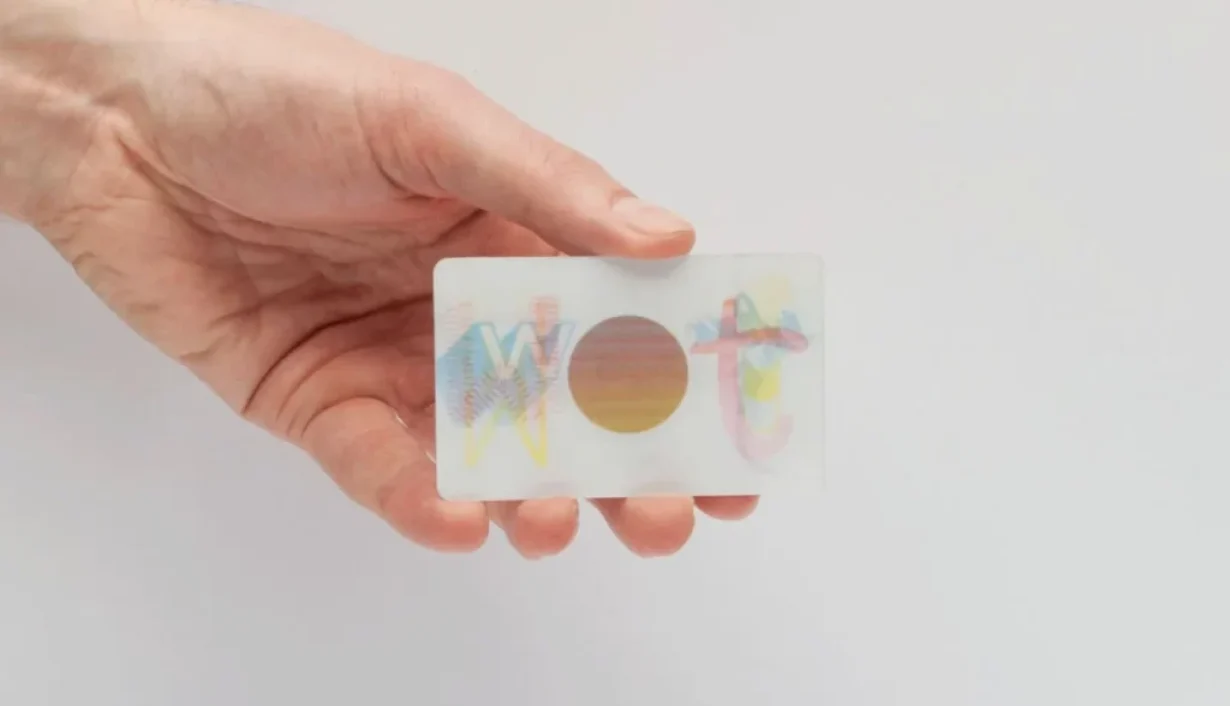
NFC 3D lenticular cards are customized physical cards that combine 3D lenticular printing technology with an embedded NFC chip to create both visual effects and digital interactions. The lenticular surface creates changing images, motion effects, or a sense of depth when viewed from different angles, while the NFC chip allows users to access connected digital content by tapping the card with a compatible smartphone.
A traditional printed card mainly delivers fixed visual information, but an NFC 3D lenticular card adds a digital interaction layer. The card can be programmed with an NDEF record, such as a URL, digital profile, application deep link, or other compatible data. When a user taps the card with an NFC-enabled smartphone, the device can open the linked content, such as a product page, campaign website, event information, tutorial, membership page, or authentication portal.
An NFC 3D lenticular card typically consists of three key elements:
3D lenticular layer: Creates visual effects such as image transformation, animation-like motion, depth perception, or premium collectible designs.
NFC chip and antenna: Enables short-range wireless communication and allows the card to connect physical products with digital content.
Customized card structure: Supports different materials, printing methods, finishes, and formats based on brand, event, or collectible requirements.
2. Why Add NFC Technology to 3D Lenticular Cards?
A 3D lenticular card already creates a strong visual impression through motion effects, depth perception, and unique image transformations. However, its printed content remains fixed after production. By integrating NFC technology, the card gains a digital interaction layer that allows brands to connect physical products with online experiences.
With NFC functionality, a 3D lenticular card can become more than a visual marketing piece. It can serve as a digital entry point for product information, campaigns, membership services, event experiences, or authentication platforms. The actual functions depend on the NFC chip type, programmed data, and connected digital systems.
2.1. Connect Physical Cards with Digital Content More Easily
One of the main advantages of adding NFC technology to 3D lenticular cards is that it reduces the steps required for users to access digital information.
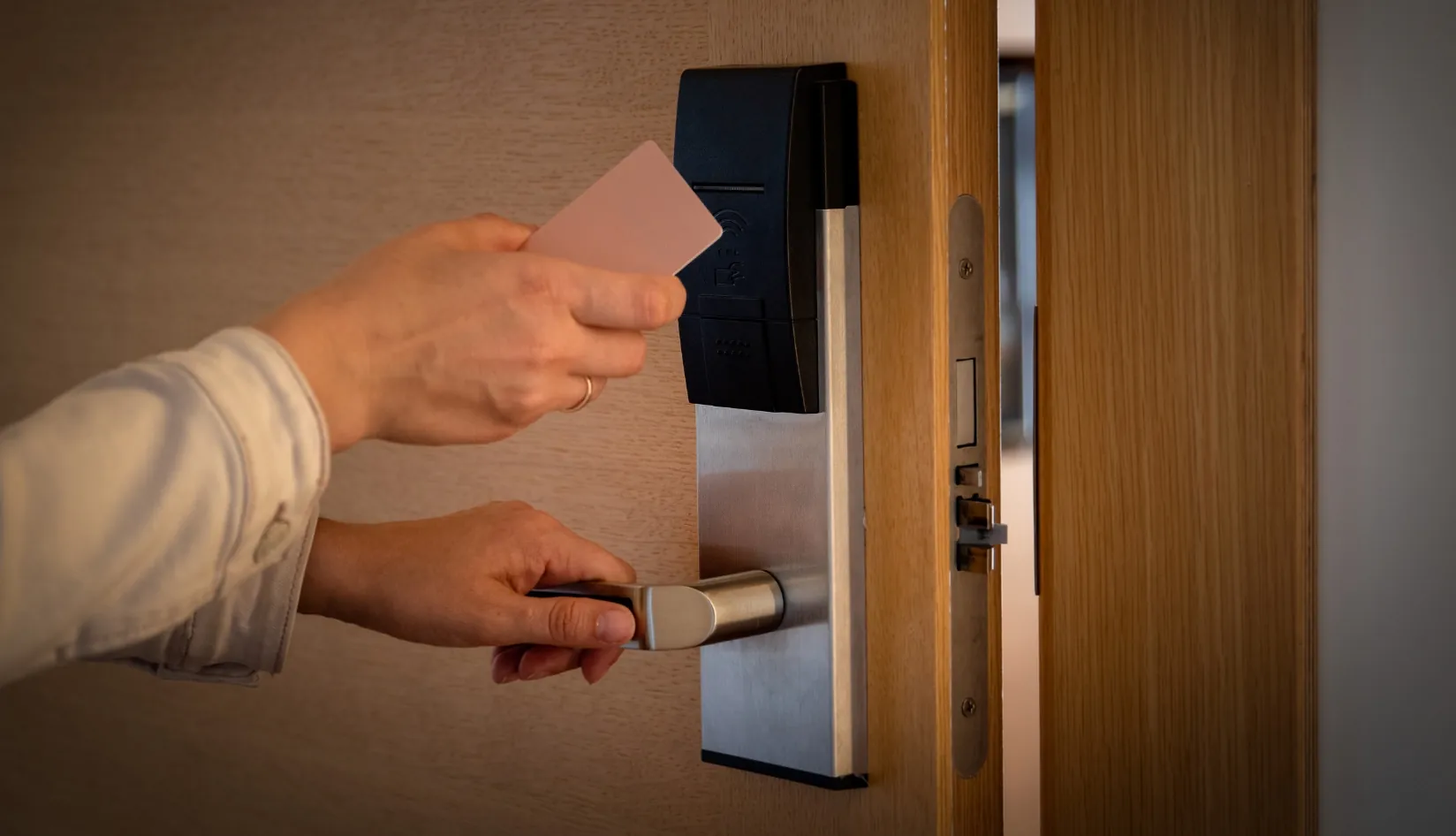
An NFC chip can be programmed with NDEF records, such as URLs, digital profiles, or application deep links. When users tap the card with a compatible NFC-enabled smartphone within a short distance, they can access connected content such as product pages, event information, tutorials, appointment systems, redemption pages, or exclusive brand content.
Compared with manually entering a website address or searching for campaign information online, NFC provides a more direct way to connect physical cards with digital experiences. This makes the card a convenient bridge between offline touchpoints and online content.
However, NFC interaction itself does not automatically identify customers, generate sales, or collect personal information. These functions require additional systems, such as user login, forms, CRM platforms, analytics tools, or marketing automation solutions.
2.2. Keep Digital Content Flexible After Card Production
The visual design of a 3D lenticular card is created during the manufacturing process and remains fixed after production. In contrast, the digital content connected through NFC can often be updated without replacing the physical card.
For example, a brand can update the webpage linked to an NFC card to display:
- new product information
- updated campaign content
- membership benefits
- event schedules
- promotional offers
This flexibility helps extend the lifecycle of physical cards and reduces the need to reprint cards whenever digital content changes.
As a result, NFC 3D lenticular cards can be suitable for applications such as membership cards, collectible cards, gift box inserts, and long-term brand engagement programs.
2.3. Support Membership and Loyalty Programs
NFC-enabled cards can support membership and loyalty experiences by connecting physical cards with digital membership platforms.
Depending on the system design, an NFC card can provide access to:
- membership pages
- loyalty program information
- exclusive offers
- event registration
- digital passes
Some organizations also use NFC technology together with digital wallet solutions to distribute membership or loyalty passes. These solutions may allow users to view updated information such as benefits, offers, or account-related content.
However, NFC cards alone do not create a complete loyalty system. Functions such as points accumulation, member identification, personalized communication, and customer segmentation require integration with membership platforms, wallet providers, CRM systems, or other backend solutions.
2.4. Enhance Event Experiences with Interactive Cards
For exhibitions, conferences, VIP events, and brand activations, 3D lenticular NFC cards can combine the visual appeal of premium credentials with digital interaction capabilities.
For example, an NFC VIP card can include:
- event schedules
- venue maps
- registration pages
- exhibitor information
- appointment booking links
- sponsor content
The 3D lenticular design helps the card stand out as a memorable physical item, while NFC provides a convenient way to access event-related digital resources.
For advanced applications such as access control, attendee tracking, or lead collection, the card needs to work together with compatible readers, event management platforms, identity systems, CRM integrations, and appropriate privacy processes. The NFC card itself is only one part of the overall solution.
2.5. Add Digital Authentication and Collectible Experiences
For collectible cards, limited editions, and licensed products, NFC technology can help connect physical items with digital records.
By linking NFC chip information with online databases, brands can create digital access points for:
- product information
- edition details
- ownership records
- official images
- certification pages
For higher-security applications, specialized NFC chips with security features, combined with backend authentication platforms, can support solutions such as protected digital links or product verification.
However, a standard NFC tag with a static URL or basic chip identifier should not be described as a complete anti-counterfeiting solution. The level of protection depends on the selected chip, system architecture, and verification process.
3. How Do 3D Lenticular and NFC Technologies Work Together?
| Layer | 3D Lenticular Technology Provides | NFC Technology Provides | Business Value |
| Visual Experience | Creates visual effects such as image transformation, motion effects, depth perception, and premium collectible designs | Does not create visual effects | Helps cards attract attention and improves physical product presentation |
| Digital Interaction | Encourages users to pick up, view, and explore the card design | Enables users to access digital content through a smartphone tap | Connects physical cards with webpages, applications, campaigns, and digital resources |
| Brand Engagement | Displays brand identity, product themes, characters, event designs, or collectible elements | Links cards with membership, registration, redemption, ticketing, authentication, or CRM systems | Creates measurable interactions such as page visits, registrations, check-ins, or content engagement |
| Security & Verification | Provides visual recognition through customized designs but is not a security feature | Can support authentication solutions when combined with suitable NFC chips and backend systems | Enables verification records, status checking, and controlled digital access |
4. Industries That Can Benefit from NFC 3D Lenticular Cards
NFC 3D lenticular cards are suitable for industries that want to combine physical product presentation with digital interaction. By combining visual effects with NFC-enabled access, these cards can support product marketing, customer engagement, events, membership programs, and collectible experiences.
| Industry | Common Applications | How 3D Lenticular and NFC Work Together |
| Consumer Brands, Retail Brands, and Licensed IP Companies | Product launches, gift box inserts, limited-edition collaborations, unboxing experiences, and retail promotions | The lenticular design creates visual impact and collectible appeal, while NFC connects users with product information, tutorials, campaign pages, membership benefits, or replenishment services |
| Exhibition Organizers, Brands, Sponsors, and Event Agencies | VIP invitations, attendee cards, event check-in, access management, exhibitor engagement, and sponsor activations | The 3D design improves card visibility and creates a memorable event item, while NFC provides access to schedules, registration pages, meeting appointments, digital materials, and event resources |
| Sports Organizations, Trading Card Companies, Entertainment IP Owners, and Authentication Services | Limited-edition cards, fan memberships, numbered releases, signed cards, and sports memorabilia | The lenticular effect highlights athletes, characters, or event moments, while NFC can link cards to official content, card information, membership benefits, or authentication pages |
| Associations, Fitness Clubs, Retail Membership Programs, and Community Organizations | Membership cards, anniversary cards, loyalty programs, rewards, and redemption campaigns | The visual design strengthens membership identity and collectability, while NFC connects users with digital memberships, benefits, booking pages, or redemption systems |
| Hotels, Resorts, DMCs, Cruises, Real Estate, and Private Clubs | VIP welcome cards, MICE events, guest experiences, resident services, and premium invitations | The lenticular effect enhances the premium physical experience, while NFC provides access to maps, reservations, itineraries, property information, or service resources |
5. Choosing the Right NFC Chip for 3D Lenticular Cards
The right NFC chip for a 3D lenticular card depends on the intended application, data requirements, security level, and digital experience that brands want to provide.
For simple marketing campaigns, an NFC chip that stores a URL may be sufficient. For collectible products, membership programs, or authentication applications, brands may need chips with larger memory capacity or additional security features.
Common NFC chips used for 3D lenticular cards include:
NTAG213: Suitable for Basic Digital Interactions
NTAG213 is commonly used for applications that require simple NFC interactions, such as:
- Website links
- Product pages
- Campaign landing pages
- Basic digital content access
It is a practical option for promotional cards, product inserts, and marketing campaigns where users only need to tap the card to access online information.
NTAG216: Suitable for Larger Digital Content Requirements
NTAG216 provides larger memory capacity compared with NTAG213, making it suitable for applications that require more stored data.
Typical applications include:
- Richer digital profiles
- More complex URLs or data records
- Expanded product information
- Additional campaign content
For brands that want to include more digital information directly on the NFC chip, NTAG216 can provide additional storage flexibility.
NTAG424 DNA: Suitable for Secure Digital Links and Authentication Applications
NTAG424 DNA includes advanced security features that can support applications requiring protected digital connections.
It can be considered for:
- Secure authentication links
- Product verification solutions
- Limited-edition collectibles
- Brand protection applications
However, NFC security depends not only on the chip itself but also on the complete system design, including backend platforms, verification processes, and data management methods.
How to Select the Right NFC Chip for Your Project
Before choosing an NFC chip for 3D lenticular cards, brands should consider:
- What digital content will the card connect to?
- Does the project require only URL access or additional data storage?
- Is authentication or secure verification required?
- Will the card be used for marketing, membership, events, or collectibles?
Selecting the right NFC chip ensures that the physical design, digital experience, and business objectives work together effectively.
Looking for custom NFC 3D lenticular cards for your brand, event, or collectible project? RFIDCard.com provides customized NFC card solutions with flexible chip options, materials, printing effects, and finishes to meet different application requirements.
FAQs
Can NFC chips be embedded into 3D lenticular cards?
Yes. NFC chips can be embedded into customized 3D lenticular cards during the manufacturing process. By combining a lenticular visual layer with an NFC inlay, the card can provide both a unique physical design and digital interaction capabilities.
When designing an NFC 3D lenticular card, factors such as card thickness, material structure, printing effects, and chip selection should be considered together to ensure the card meets the requirements of the intended application.
Do NFC 3D lenticular cards require an app?
Not always. Many NFC 3D lenticular cards use NDEF records, such as URLs, which allow compatible smartphones to open linked digital content without installing a dedicated application.
Depending on the application, NFC cards can connect users to different types of digital experiences, including product pages, campaign websites, event information, membership platforms, or authentication portals.
For advanced functions such as loyalty management, user identification, or secure verification, additional platforms and backend systems may be required.
Can NFC 3D lenticular cards prevent counterfeiting?
NFC 3D lenticular cards can support authentication solutions when combined with suitable NFC chips, secure digital links, and backend verification systems. For example, brands can connect a card’s NFC data with official product records, certification pages, or digital databases.
However, a standard NFC tag, static URL, or basic chip identifier alone should not be considered a complete anti-counterfeiting solution. The actual level of protection depends on factors such as the selected NFC chip, authentication method, system architecture, and verification process.
Recommended Products

NFC Business Cards Custom encoding & printing

The NFC business cards are embedded with NFC chips in the standard credit card size. The package comes with custom printing and custom data encoding. The contact information encoded in the NFC business card can then be accessed or saved on an NFC-enabled phone.