
NFC technology has become an important part of contactless communication, enabling smartphones, smart cards, and NFC tags to exchange information within a short distance. From mobile payments and access control to product authentication and smart packaging, NFC has created new ways for businesses and consumers to interact with digital information.
While many people associate NFC mainly with mobile payments, NFC technology actually supports three different operating modes that enable different types of interactions between devices, cards, and tags. These modes determine how NFC-enabled devices communicate, whether they act as a smart card, a reader, or a device that exchanges data directly with another NFC device.
Understanding these three NFC operating modes helps businesses select the right NFC cards, tags, and solutions for applications such as access control, authentication, smart packaging, hospitality, and digital customer experiences. By understanding how each mode works and where it is commonly used, organizations can better evaluate which NFC solution best fits their operational requirements.
Three NFC Working Modes Explained
Each NFC operating mode serves a different business purpose, from replacing physical access cards to enabling product authentication and device connectivity. Below are the three NFC operating modes and their real-world applications.
1. NFC Card Emulation Mode
NFC Card Emulation Mode allows an NFC-enabled device, such as a smartphone or wearable device, to behave like a traditional contactless smart card. In this mode, the NFC device does not act as a reader. Instead, it stores or securely accesses card credentials that can be recognized by an NFC reader.
The communication process typically works as follows:
NFC Smartphone
↓
Emulates Smart Card
↓
NFC Reader
↓
Authentication
↓
Access / Payment
In card emulation mode, an NFC-enabled smartphone can communicate with compatible readers in the same way as a physical RFID smart card. This technology is commonly based on contactless card standards such as ISO/IEC 14443A/B and supports various smart card technologies, including MIFARE cards and payment cards.
Mobile Payments
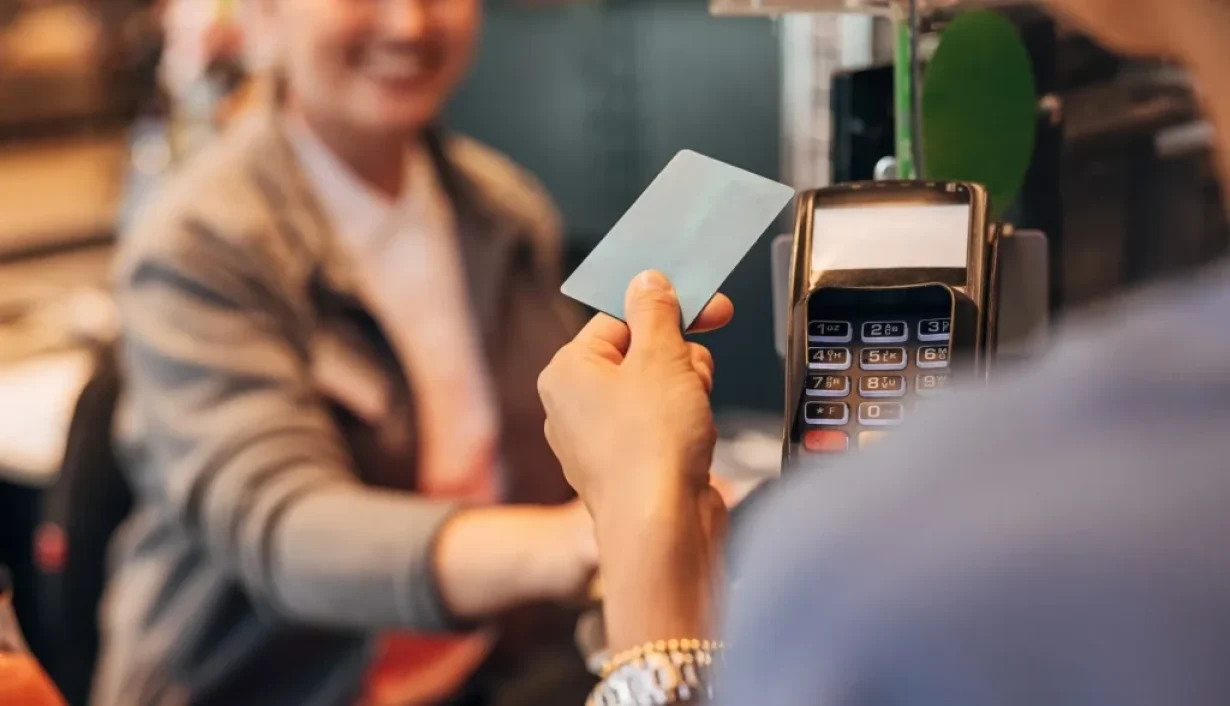
One of the most widely recognized applications of NFC card emulation is contactless payment. Smartphones can securely store payment credentials and communicate with payment terminals through NFC.
Common examples include:
Apple Pay
Google Wallet
Samsung Pay
Users can complete transactions by simply bringing their NFC-enabled device close to a compatible payment reader.
Mobile Access Control
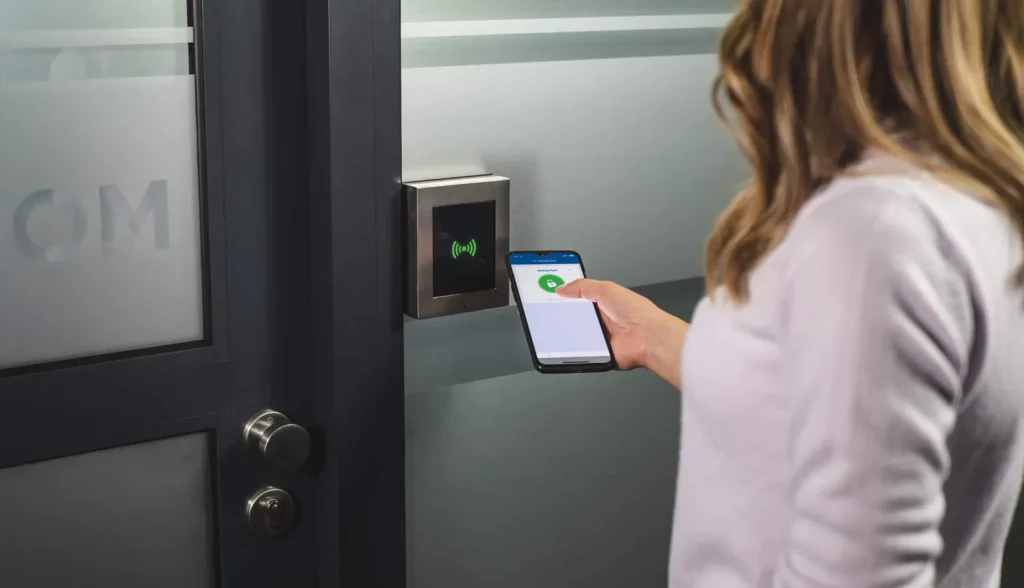
NFC card emulation is also transforming traditional access control systems. Instead of carrying a physical RFID access card, employees can use smartphones as digital credentials.
Traditional access control:
Employee → RFID Card → Door Reader
Mobile credential solution:
Employee → Smartphone → NFC Reader
Compared with traditional cards, NFC mobile credentials offer several advantages:
No physical card needed
Easier credential management and updates
More convenient user experience
However, NFC mobile credentials are not designed to completely replace physical RFID cards. They provide an alternative solution for organizations that want to support smartphone-based access while maintaining compatibility with existing RFID card systems.
2. NFC Reader/Writer Mode
NFC Reader/Writer Mode allows an NFC-enabled device, such as a smartphone or dedicated NFC reader, to read information stored on NFC tags or cards. Unlike card emulation mode, where the device behaves like a card, the device actively retrieves or writes data from an NFC-enabled product.
The communication process works as follows:
Smartphone
↓
NFC Reader Mode
↓
NFC Tag / Card
↓
Data Exchange
In this mode, NFC devices can interact with NFC tags based on standards such as ISO/IEC 14443 and ISO/IEC 15693. The stored information can include website links, product details, authentication data, contact information, or other digital content.
NFC Product Authentication
One important application of NFC reader/writer mode is product authentication. Customers can use smartphones to scan NFC tags embedded in products and verify information stored on the tag.
For example, secure NFC chips such as NXP NTAG 424 DNA support advanced authentication features that help brands protect products against counterfeiting.
A typical process:
Customer Smartphone
↓
Reads NFC Authentication Tag
↓
Connects to Verification Platform
↓
Confirms Product Authenticity
Applications include:
Luxury goods authentication
Pharmaceutical traceability
Wine and spirits verification
Smart packaging solutions
Smart Business Cards
NFC reader/writer mode also enables digital business cards. Users can tap a smartphone against an NFC business card or tag to access:
Contact information
Company websites
Social media profiles
Digital portfolios
This provides a convenient and environmentally friendly alternative to traditional paper business cards.
Library and Asset Tracking
NFC reader/writer mode can also be used in identification and tracking applications. Smartphones or handheld readers can retrieve information from RFID tags used for:
Library management
Asset identification
Inventory tracking
For longer reading distance applications, ISO/IEC 15693-based RFID tags are often used because they provide greater read range compared with standard NFC applications.
3. NFC Peer-to-Peer Mode
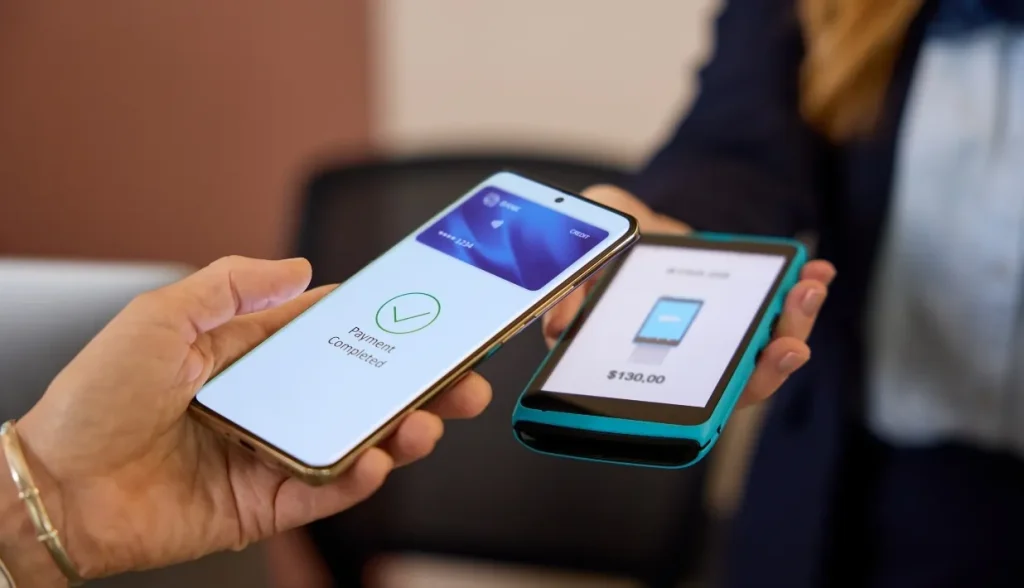
NFC Peer-to-Peer Mode enables two NFC-enabled devices to communicate directly and exchange information without requiring a separate NFC reader or tag.
The communication process works as follows:
Device A
↕ NFC Communication
Device B
Unlike card emulation mode and reader/writer mode, both devices actively participate in the communication process.
Device Pairing and Connection
In the past, NFC peer-to-peer mode was used for direct data transfer between smartphones, such as Android Beam. However, this application is less common today as other wireless technologies provide faster data transmission.
Modern applications focus more on using NFC as a simple way to initiate connections between devices.
Examples include:
Bluetooth pairing assistance
Smart device connection
Quick device configuration
Contact sharing
For example, a user may tap an NFC-enabled device to quickly establish a Bluetooth connection with another smart device, reducing the need for manual pairing steps.
Although peer-to-peer mode has fewer commercial applications compared with card emulation and reader/writer modes, it remains an important part of NFC technology and demonstrates the flexibility of short-range wireless communication.
NFC Operating Modes Comparison
The three NFC operating modes differ mainly in how NFC-enabled devices communicate and what role they play during data exchange. The table below summarizes the key differences between Card Emulation Mode, Reader/Writer Mode, and Peer-to-Peer Mode.
| Feature | Card Emulation Mode | Reader/Writer Mode | Peer-to-Peer Mode |
| Main Role | Acts as a contactless smart card | Acts as an NFC reader | Enables direct communication between devices |
| Communication Method | Device → NFC Reader | Device → NFC Tag/Card | Device ↔ Device |
| Working Principle | NFC device stores or accesses credentials and behaves like a smart card | NFC device reads or writes information stored on NFC tags or cards | Two NFC-enabled devices exchange data directly |
| Common Examples | Apple Pay, Google Wallet, mobile access credentials | NFC tag scanning, product authentication, digital business cards | Device pairing, connection setup, contact sharing |
| Typical Applications | Mobile payment, access control, transit systems | Product authentication, smart packaging, marketing, asset identification | Smart device connection and data exchange |
How NFC Operating Modes Support Different Business Applications
NFC technology provides flexible communication options for different business needs. By selecting the right NFC operating mode, organizations can improve security, enhance customer experiences, and create more efficient ways to connect physical products with digital information.
From mobile access control and hospitality solutions to product authentication and smart packaging, the three NFC operating modes support a wide range of real-world applications.
Access Control: Flexible Authentication Solutions
Access control is one of the most widely adopted applications of NFC technology. Businesses can use NFC Card Emulation Mode to enable smartphone-based credentials, while traditional NFC/RFID access cards remain a reliable option for employees, visitors, and organizations that require physical credentials.
Depending on their operational needs, companies may choose:
- Smartphone-based mobile credentials for digital access management
- NFC/RFID cards for convenient and cost-effective access control
Many organizations combine both solutions to provide flexible and secure access experiences.
Smart Packaging: Connecting Products with Digital Experiences
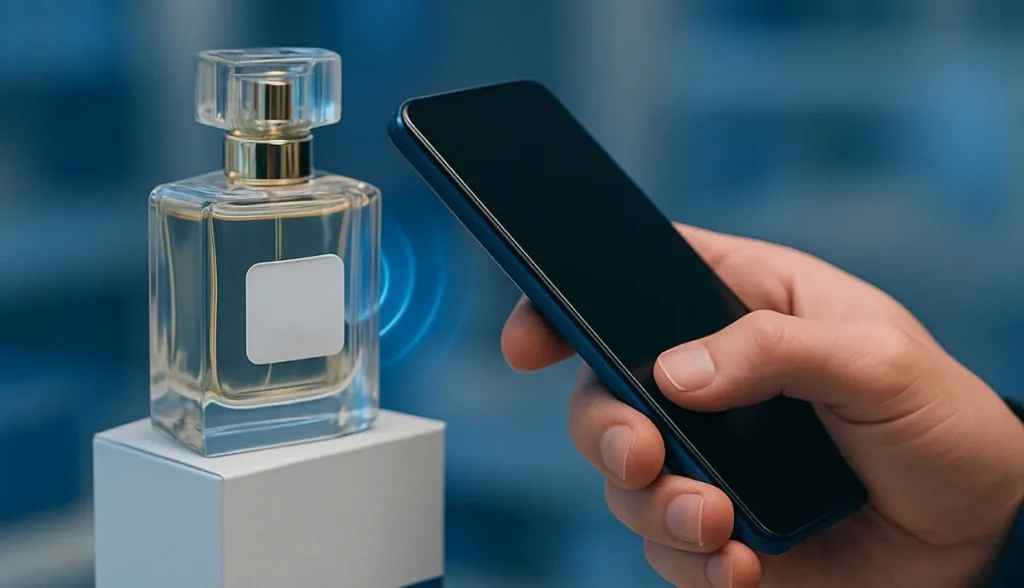
Smart packaging commonly uses NFC Reader/Writer Mode, allowing customers to interact with products by simply tapping an NFC-enabled smartphone on an NFC tag or card.
The interaction process is:
Customer Smartphone
↓
Reads NFC Tag
↓
Accesses Digital Information
Depending on the application, NFC tags can provide:
Product details
Usage instructions
Brand stories
Promotional content
Digital services
For brands, NFC-enabled smart packaging creates a direct connection between physical products and digital experiences. It can help improve customer engagement while providing valuable product information throughout the product lifecycle.
Hospitality: Enhancing Guest Experiences with NFC Solutions
The hospitality industry is increasingly adopting NFC technology to create more convenient and personalized guest experiences.
Common applications include:
NFC Hotel Key Cards
NFC hotel key cards allow guests to access hotel rooms through secure contactless communication. These cards typically use NFC or HF RFID technology and work with compatible electronic door locks.
Benefits include:
Fast and convenient room access
Reliable contactless operation
Easy integration with hotel management systems
Mobile Hotel Check-In and Digital Keys
Using NFC Card Emulation Mode, smartphones can function as digital hotel keys. Guests can receive mobile credentials and access rooms without carrying a physical key card.
This approach supports:
Contactless check-in experiences
Reduced front desk workload
More flexible guest services
By combining NFC cards and mobile credentials, hotels can provide guests with multiple access options based on their preferences.
Product Authentication: Protecting Brands with NFC Technology
Product authentication is another important application of NFC Reader/Writer Mode. Brands can embed NFC tags into products, allowing customers to verify authenticity using their smartphones.
The process typically works as follows:
Customer Smartphone
↓
Reads NFC Authentication Tag
↓
Verification Platform
↓
Product Authenticity Confirmed
Secure NFC solutions, such as those based on NXP NTAG 424 DNA, can provide advanced authentication features to help prevent counterfeiting and protect brand value.
Common applications include:
Luxury goods authentication
Pharmaceutical verification
Wine and spirits protection
Electronics authentication
By combining NFC technology with secure authentication platforms, businesses can create trusted connections between physical products and digital verification systems.
NFC operating modes provide different advantages for different industries. Whether a business needs smartphone-based access control, interactive packaging, hotel guest solutions, or product authentication, choosing the right NFC mode is essential for building an effective contactless solution.
NFC Card Emulation vs Physical NFC Cards: Which One Should Businesses Choose?
Rather than replacing one another, NFC phone credentials and physical NFC cards serve different business needs. The right choice depends on factors such as deployment requirements, user preferences, infrastructure compatibility, and operational costs.
NFC Phone Credentials vs Physical NFC Cards Comparison
| Feature | NFC Phone Credential | Physical NFC Card |
| Convenience | High — users can access services through their smartphones | High — users can carry a dedicated contactless card |
| Deployment Cost | Higher initial investment for mobile credential systems | Lower cost for large-scale card issuance |
| Battery Requirement | Requires a powered smartphone device | No battery required |
| Credential Replacement | Digital replacement and remote management | Physical card replacement required |
| Compatibility | Depends on smartphone support and NFC availability | Works with a wide range of existing NFC/RFID readers |
| User Management | Easy digital updates and remote permission control | Requires card issuance and management processes |
When Should Businesses Choose NFC Phone Credentials?
NFC phone credentials are suitable for organizations that prioritize digital management and smartphone-based experiences. They are commonly used in:
Corporate mobile access control
Smart office environments
Digital hotel keys
Contactless guest experiences
With mobile credentials, businesses can update access permissions remotely, reduce the need for physical card distribution, and provide users with a convenient smartphone-based solution.
When Should Businesses Choose Physical NFC Cards?
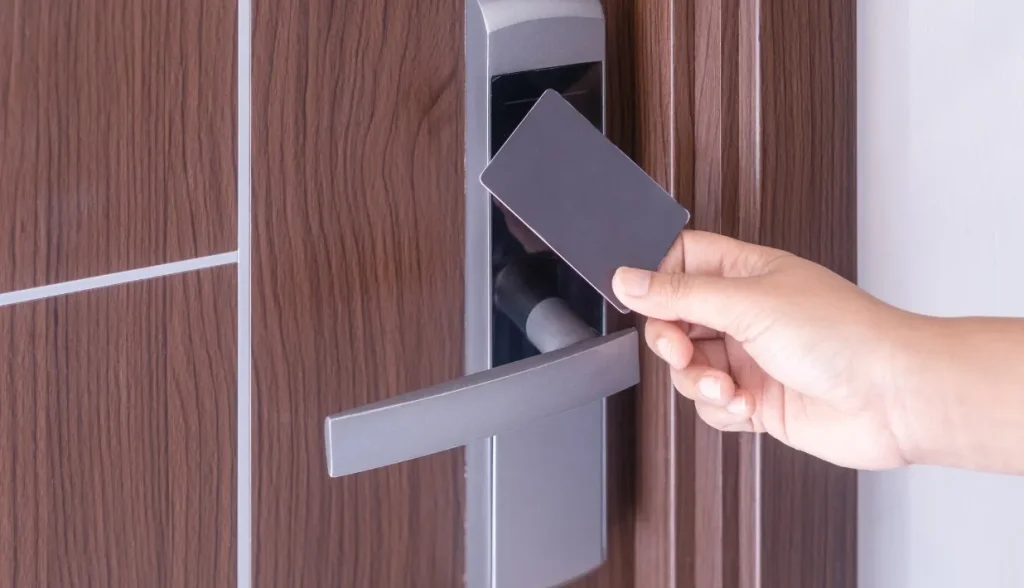
Physical NFC cards remain an important part of many contactless systems because they are:
Cost-effective for large user groups
Easy to distribute and replace
Independent from smartphone battery status
Compatible with existing access control infrastructure
Applications such as hotels, universities, enterprises, and membership systems often continue to use NFC cards because they provide a simple and reliable user experience.
Why Many Businesses Use Both Solutions
In many real-world applications, mobile credentials and physical NFC cards work together rather than compete with each other.
For example:
Employees may use smartphone credentials for daily access
Visitors may receive temporary NFC cards
Hotel guests may choose between mobile room keys and traditional key cards
By combining both solutions, organizations can provide greater flexibility while maintaining compatibility with existing systems.
Choosing between NFC phone credentials and physical NFC cards depends on the specific application, budget, and user requirements. As an experienced RFID card manufacturer, we help businesses select and customize the right contactless solutions, including NFC cards, RFID access cards, and smart card products based on different chips, materials, and applications.
FAQs
1. Can NFC phones replace physical RFID cards?
NFC phones can provide an alternative to physical RFID cards in some applications, such as mobile access control and digital hotel keys. However, they do not completely replace physical RFID cards. NFC cards remain widely used because they are cost-effective, easy to distribute, do not require batteries, and are compatible with existing RFID readers.
2. What is the difference between NFC Card Emulation Mode and Reader/Writer Mode?
NFC Card Emulation Mode allows an NFC-enabled device to behave like a contactless smart card, while Reader/Writer Mode allows a device to read or write information stored on NFC tags or cards. Card Emulation is commonly used for payment and access control, whereas Reader/Writer Mode is widely used for product authentication, smart packaging, and digital business cards.
3. Can NFC smartphones read RFID cards and tags?
NFC smartphones can read certain RFID cards and tags that operate at 13.56 MHz, especially NFC-compatible products based on standards such as ISO/IEC 14443. However, smartphones generally cannot read low-frequency 125 kHz RFID cards or UHF RFID tags used for long-range applications.
4. Which NFC solution is better for business applications: NFC cards or mobile credentials?
The best solution depends on the application requirements. Mobile credentials are suitable for organizations that need digital management and smartphone-based access, while physical NFC cards are ideal for large-scale deployments requiring affordability, reliability, and compatibility. Many businesses combine both solutions to provide flexible contactless experiences.
Recommended Products

NFC Card Topaz512 | NFC Tag Type 1

The Topaz512 IC fully comply to NFC Forum Type 1 Tag and ISO/IEC 14443A specifications., the Topaz512 NFC card is uniquely identified by a 7 bytes UID with 454 bytes of user memory.