
RFID hotel key cards are essential tools for access control in the modern hotel industry. Their performance directly impacts customer experience, security, and operational costs. Choosing the wrong RFID cards can lead to a range of issues, from compatibility errors to security vulnerabilities, ultimately affecting guests’ experiences and the hotel’s reputation.
Unfortunately, many hotels often overlook these potential risks when procuring RFID key cards. By failing to carefully select the right products, hotels may face problems such as cards that do not function properly, additional costs, and even security risks.
This article will reveal the most common mistakes hotels make when purchasing RFID key cards and provide practical advice to help you avoid these issues, ensuring a smooth and secure implementation of RFID technology in your hotel.
1. Choosing Incompatible RFID Chips (The Biggest Risk!)
One of the biggest risks hotels face when purchasing RFID hotel key cards is selecting incompatible chips. If the cards you buy are not compatible with your existing locking system, they will be rendered useless, preventing guests from accessing their rooms. This not only negatively impacts guest experience but also incurs additional costs and hassles for the hotel.

Common Mistakes:
Not Confirming the Supported RFID Chip Types of the Locking System: Many hotels neglect to verify the types of RFID chips supported by their locking systems when procuring RFID cards, leading to the purchase of cards that do not work with the existing locks.
Assuming All RFID Hotel Cards Are Universal: Many hotels overly rely on vendor recommendations and fail to recognize the compatibility differences between various RFID chips. This mistake may lead to the need to replace locks or repurchase new cards, incurring additional costs.
How to Avoid This:
Test the Existing Locking System First: Before making a purchase, ensure that you understand the types of chips supported by your hotel’s existing locking systems (such as MIFARE Classic®, MIFARE DESFire®, etc.). This will help ensure that the chosen RFID cards will seamlessly integrate with your locking system.
Provide Sample Cards or Send Existing Key Cards for Testing: Before finalizing your purchase, provide the vendor with sample cards or directly send your existing key cards for testing. This will guarantee that the RFID cards are compatible with the locking system and help avoid the extra costs and inconveniences caused by compatibility issues.
By taking these measures, you can ensure that the RFID key cards you purchase perfectly match your hotel’s locking system, avoiding compatibility problems that could waste time and resources while also enhancing the guest experience.
2. Ignoring the Security of RFID Cards
The security of RFID hotel key cards is crucial to the operational safety of the hotel and the protection of guest privacy. If the selected cards lack adequate security, it can lead to card cloning, tampering, or misuse, significantly increasing security risks for the hotel.
Common Mistakes:
Choosing Unencrypted or Low-Security Chips: Opting for RFID chips that are unencrypted or have low-security levels makes them vulnerable to hacking. If a card is cloned, unauthorized individuals could gain access to rooms, resulting in financial losses and a crisis of customer trust.
Neglecting Dynamic Encryption or Anti-Cloning Features: Many hotels fail to realize the importance of security technologies in RFID cards and do not set up dynamic encryption or anti-cloning features. Such cards are susceptible to duplication, allowing hackers to easily create counterfeit key cards, posing serious security threats.
How to Avoid This:
Opt for More Secure Chips: Choosing RFID chips with higher security levels (such as MIFARE Plus®, MIFARE DESFire® EV3, or MIFARE Ultralight® AES) is an effective way to enhance card security. These chips utilize advanced encryption technology and anti-cloning features, effectively preventing hacking and duplication.
MIFARE DESFire® EV3 supports encryption algorithms like DES/2K3DES/3K3DES/AES128, providing powerful data protection and being one of the most secure chips available on the market today.
MIFARE Ultralight® AES offers higher security protection through the AES-128 encryption algorithm, preventing malicious copying or data theft compared to traditional unencrypted cards.
Consult with Us: Discuss your RFID hotel card security requirements with our expert team. We will provide customized solutions tailored to your hotel’s needs, ensuring that your RFID cards meet your security standards.
By choosing RFID cards with higher security features, you not only enhance the overall safety of your hotel but also increase customer trust in your commitment to security and privacy protection, ultimately improving customer satisfaction.
3. Focusing Only on Price and Ignoring Quality
When selecting RFID hotel key cards, hotels often find themselves caught between price and quality. While cost is an important consideration, solely focusing on the price can lead to potential issues that affect long-term operations and the guest experience. Low-quality RFID cards often come with several problems:

Common Mistakes:
Overemphasis on Low-Priced Cards: Some hotels attempt to save on procurement costs by concentrating too heavily on low-priced cards while neglecting the importance of quality. This approach can result in purchasing inferior RFID cards, adversely impacting hotel operations. Common issues associated with low-quality RFID cards include:
Short Lifespan: Cheap RFID cards are often made of inferior materials that may fail or degrade quickly.
High Damage Rate: Due to substandard materials, these cards can be prone to cracking, fading, or bending, especially in high-use environments.
Susceptibility to Moisture or Delamination: Low-quality materials may become damaged in humid or hot conditions, compromising card functionality.
Magnetic Interference: Some low-priced cards may lack adequate resistance to magnetic interference, causing inconvenience when guests try to unlock doors and affecting their overall experience.
These problems not only diminish guest satisfaction but can also lead to increased maintenance costs and frequent card replacements, ultimately offsetting any savings achieved through cheaper purchases.
How to Avoid This:
To ensure that RFID cards remain stable and efficient over long-term use, hotels should prioritize quality over mere cost. Here are some tips to avoid low-quality cards:
Choose Durable Materials: Opt for cards made from durable materials (such as PVC, wood, or environmentally friendly biodegradable options). These materials not only enhance card longevity but also resist bending, fading, or wear during frequent use, ensuring their stability in high-use environments.
Test Durability: Request quality assurances from suppliers and conduct durability tests. Particularly assess waterproof and scratch-resistant properties to confirm that the cards meet the standards of daily hotel operations.
While price is a significant factor in procurement decisions, selecting higher-quality, more durable RFID cards will not only reduce the frequency of replacements but also enhance guest satisfaction and improve overall hotel operational efficiency.
4. Overlooking Customization and Brand Image
RFID key cards are not just functional tools; they are also significant carriers for showcasing a hotel’s brand and enhancing the guest experience. Many hotels neglect customization and brand identity when procuring RFID cards, which can lead to unnecessary issues.
Common Mistakes:
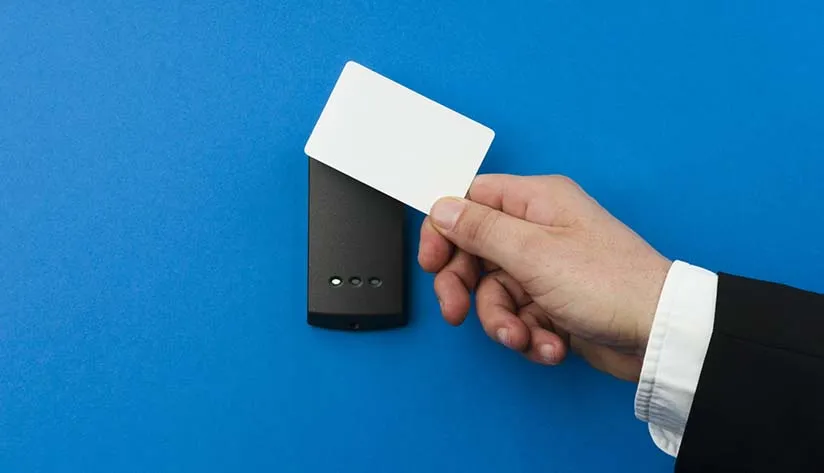
Choosing Generic White Cards: Some hotels opt for inexpensive generic white cards to save costs, which not only fail to reflect the hotel’s unique brand image but may also confuse guests regarding the identification of their key cards, detrimentally impacting their experience.
Unclear Card Designs: If the design of the RFID card is too simple or chaotic, guests may struggle to quickly recognize their room key, leading to misplacement or loss, further detracting from their stay.
How to Avoid This:
To ensure that RFID cards align with the hotel’s brand image while providing convenience and an excellent experience for guests, hotels should consider the following:
Choose Customized RFID Key Cards: Customized designs can showcase the hotel’s logo and check-in instructions while incorporating the brand’s colors for an enhanced visual appeal. Personalized cards convey a sense of exclusivity and individuality to guests, enriching their overall experience.
Utilize Premium Finishes for Quality Feel: Elevate the appearance and tactile qualities of the cards by opting for high-end finishes such as matte, metallic, or UV printing. These techniques make the cards look more upscale and refined, enhancing the brand image and showcasing the hotel’s attention to detail.
By utilizing customized and thoughtfully designed RFID key cards, hotels can effectively communicate their brand values, foster a sense of belonging among guests, and improve the overall guest experience. This is not only an opportunity to enhance the hotel’s image but also a crucial step in boosting customer satisfaction and loyalty.
5. Ignoring Environmental and Sustainability Considerations
With the growing global awareness of environmental protection, an increasing number of consumers and businesses are focusing on sustainability and eco-friendliness. The hotel industry is no exception; neglecting environmental concerns can not only damage a hotel’s brand image but also lead to added operational costs. Many hotels still rely on traditional plastic cards for RFID keys, which not only increases environmental burden but also contradicts current eco-friendly trends.

Common Mistakes:
Using Disposable Plastic Cards: Although plastic materials are widely used, they are not biodegradable and have significant impacts on the environment. Long-term usage of such materials can increase the hotel’s carbon footprint and harm its eco-friendly image.
Neglecting Biodegradable and Recyclable RFID Cards: Some hotels fail to consider choosing biodegradable or recyclable RFID cards. This not only wastes resources but can also lead to additional environmental costs associated with waste disposal and recycling.
How to Avoid This:
To minimize environmental impact and enhance the hotel’s sustainable development image, hotels can take the following actions:
Choose Eco-Friendly RFID Key Cards: Opt for RFID cards made from sustainable materials such as wood, biodegradable BioPoly™ Vinyl, or BioPoly™ Stone. These materials not only reduce environmental pollution but also enhance the hotel’s green image, appealing to a growing customer base that values eco-friendliness.
Inquire About Suppliers’ Environmental Certifications: When selecting RFID card suppliers, confirm whether their products meet environmental standards. For instance, check for certifications like FSC (Forest Stewardship Council certification) or other eco-friendly accreditations. This not only ensures that the cards align with environmental requirements but also boosts the hotel’s sustainable development profile through the supplier’s credentials.
By opting for eco-friendly and sustainable RFID key cards, hotels can contribute to environmental protection while attracting environmentally conscious guests, enhancing brand image, and increasing customer loyalty and goodwill. In the future, eco-friendliness will be a significant competitive advantage in the hotel industry.
6. Failing to Test Samples in Advance, Leading to Bulk Purchase Errors
When it comes to bulk purchasing RFID key cards, many hotels skip sample testing to save time and costs. Issues such as incompatibility with the lock systems, printing design flaws, or malfunctioning chips can lead to significant additional expenses and time loss, potentially affecting hotel operations and guest experiences.
Common Mistakes:
Direct Bulk Purchasing: Skipping sample tests can result in a large shipment of cards that are incompatible with the hotel’s lock systems, or discovering printing errors, chip failures, and other problems during actual use, which causes significant inconvenience for the hotel.
Ignoring Suppliers’ Sample Testing Services: Many hotels overlook sample testing services offered by suppliers. Consequently, when they receive the bulk products, they realize they are unusable, leading to extra costs and potentially harming the hotel’s operations and reputation.
How to Avoid This:
To prevent unnecessary losses from purchasing errors, hotels can take the following steps:
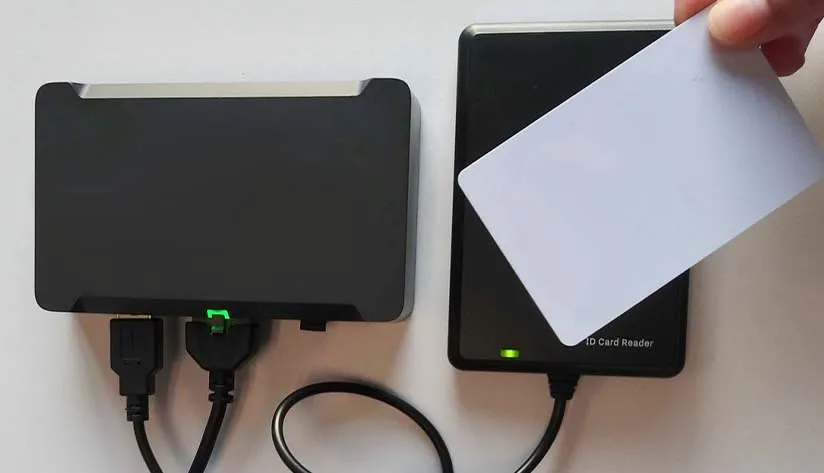
Request Sample Testing: Before placing an order, hotels should ask suppliers for sample testing. Testing samples ensure that the RFID cards are compatible with the existing lock systems and that details such as printing quality, chip read/write capability, and durability meet expectations, thus avoiding products that do not fulfill requirements.
Choose Suppliers Offering Free Testing: Some professional suppliers provide free sample testing services, which is a valuable advantage for hotels. By utilizing free testing, hotels can ensure that the RFID cards they purchase will perform reliably, reducing the risk of bulk purchase errors.
By conducting sample tests in advance, hotels can effectively avoid purchasing errors, ensuring that the RFID cards function smoothly in use, which reduces unnecessary maintenance and replacement costs, ultimately enhancing operational efficiency and guest experiences.
Conclusion: How to Ensure Your Hotel Purchases the Right RFID Key Cards
To make informed decisions when procuring RFID key cards for your hotel and avoid common mistakes, it is crucial to carefully select compatible RFID chips, prioritize security, choose high-quality card materials, and consider custom designs. By doing so, you not only enhance the guest experience but also improve the hotel’s security and reduce operational costs. Moreover, selecting eco-friendly and sustainable RFID cards can further elevate the hotel’s brand image, aligning with the environmental consciousness of modern consumers.
If you’re uncertain about the type of RFID chip in your hotel key cards, simply send the cards to us for testing. We will quickly identify the type of RFID chip and send you 100% compatible sample cards to ensure seamless integration with your hotel’s lock system. [Click here to request a free sample test.]
Recommended Products
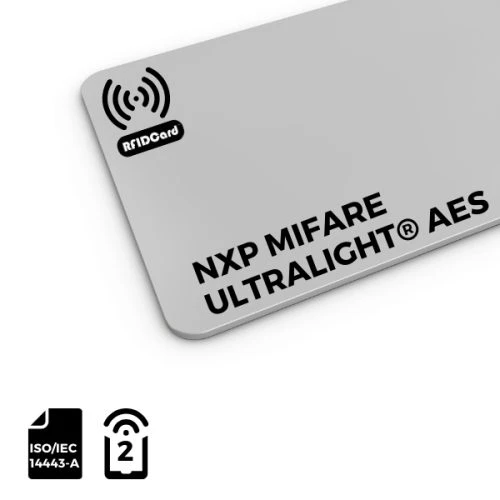
MIFARE Ultralight® AES PVC RFID Card

MIFARE Ultralight® AES PVC card is a contactless smart card based on MIFARE Ultralight AES chip, which supports AES encryption authentication, provides excellent performance and security, and is the highest security card in the MIFARE Ultralight® series. The card is made of PVC material and is widely used in access control, public transportation, ETC, events management, etc.
IMPORTANT NOTICE: All MIFARE Ultralight® AES cards supplied on this site is factory default (non-encrypted) version.