Choosing the right staff ID cards is not simply about selecting the lowest-cost option. With various card technologies, security levels, and system requirements available, businesses need to find a solution that balances cost, functionality, compatibility, and future needs.
When selecting staff ID cards, many organizations face common questions:
- Should we choose traditional ID cards or RFID staff ID cards?
- Do we need a high-security chip for our access control system?
- Which card technology offers the best value for our business?
- Will the cards be compatible with our existing system?
The best staff ID card solution is not always the cheapest option or the most advanced technology. It is the one that meets your actual application requirements while providing reliable performance, security, and long-term value.
What Should Businesses Consider When Choosing Staff ID Cards?
Choosing the right staff ID cards requires businesses to consider their actual needs, system compatibility, security requirements, and long-term usage goals.
1. Application Requirements
First, businesses should define how the staff ID cards will be used.
Common applications include:
- Employee identification
- Access control
- Time and attendance management
- Multi-application functions such as payment or parking access
Different applications may require different card technologies and features.
2. System Compatibility
Staff ID cards should work properly with the systems they are intended to support. Before choosing a card, businesses should consider whether they are replacing cards for an existing system or implementing a new solution.
For existing systems, businesses should check:
- Current card type and technology
- Card reader compatibility
- System requirements from the access control provider
For new projects, businesses should consider:
- Required functions
- Future expansion needs
- Appropriate card technology and security level
Different systems may require different card technologies, such as RFID, NFC, or other identification methods.
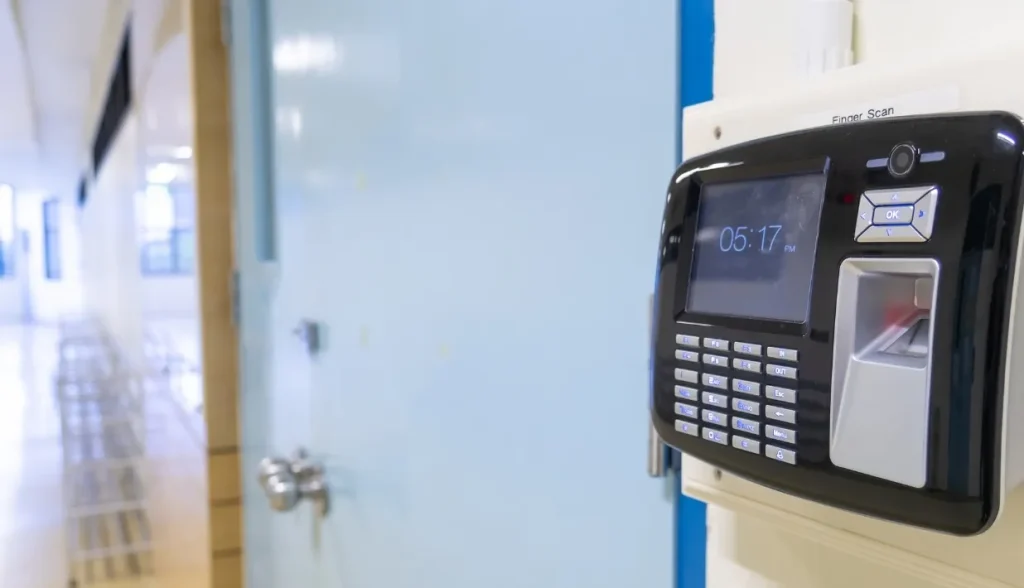
3. Security Requirements
The required security level depends on the application environment.
Businesses should consider whether they need:
- Basic employee identification
- Standard access control
- High-security authentication with encryption and advanced RFID technologies
Choosing the right security level helps businesses balance protection and cost.
4. Card Appearance and Durability
Besides functionality, businesses may also consider the appearance and durability of staff ID cards.
Important factors include:
- Employee photo and logo printing quality
- Professional appearance
- Daily wear resistance
Different Staff ID Card Technologies and Their Cost-Effectiveness
Staff ID cards are available with different technologies, each offering different levels of functionality, security, and cost. The most suitable option depends on the organization’s application requirements, system compatibility, and future needs.
Traditional Printed Staff ID Cards
Traditional printed staff ID cards are the most basic type of employee identification cards. Unlike RFID or smart cards, they do not contain embedded contactless chips and mainly rely on printed information for employee recognition.
They are commonly used for:
- Employee identification
- Company badges
- Internal employee management
Some traditional ID cards may also include additional identification features, such as:
- Barcode
- QR code
- Magnetic stripe
Advantages include:
- Low cost
- Easy customization
- Simple printing and replacement
However, traditional printed ID cards do not support contactless identification and are not suitable for applications that require RFID-based access control, automated attendance tracking, or multi-application functions.
125kHz RFID Staff ID Cards
125kHz RFID cards are widely used for basic access control applications where affordability and compatibility are the main considerations. (understand what RFID technology is)
They are suitable for:
- Basic office entry systems
- Simple employee access management
Key advantages include:
- Affordable pricing
- Wide adoption in existing access control systems
- Simple implementation
However, 125kHz RFID technology generally provides limited security features compared with newer RFID technologies, making it less suitable for applications requiring advanced authentication or higher security protection.
13.56MHz RFID Staff ID Cards
13.56MHz RFID cards are commonly used in modern workplace access systems that require better flexibility and security.
Examples include:
- MIFARE Classic
- MIFARE Plus
They are suitable for:
- Office buildings
- Employee access management
- Systems requiring more advanced card functions
Advantages include:
- Better security capabilities
- More memory options
- Support for more flexible applications
For many businesses, 13.56MHz RFID cards provide a good balance between cost and functionality, making them a popular choice for employee ID card systems.

MIFARE DESFire EV2/EV3 Staff Cards
MIFARE DESFire EV2 and EV3 cards are designed for organizations that require higher security and advanced application capabilities.
They are suitable for:
- Large enterprises
- High-security environments
- Multi-application systems
Key advantages include:
- Advanced encryption
- Secure authentication
- Multi-application support
These cards provide stronger security protection but usually come at a higher cost. For businesses that do not require advanced security features, a lower-cost option may provide better overall value.
NFC Staff ID Cards
NFC staff ID cards provide additional flexibility by enabling interaction with NFC-enabled smartphones and devices.
They are suitable for:
- Smart workplace applications
- Digital employee services
- Mobile-based interactions
Advantages include:
- Smartphone compatibility
- Flexible data interaction
- Support for digital applications
NFC cards can be a suitable option for businesses looking to combine employee identification with mobile connectivity and smart workplace solutions.
How to Choose the Most Cost-Effective Staff ID Card Solution?
Choosing the most cost-effective staff ID card solution does not mean selecting the cheapest card or the most advanced technology. The right choice depends on your business requirements, existing systems, security needs, and future plans.
1. Match the Card Technology With Your System
The first priority is ensuring that the selected card technology matches your current or planned system.
Businesses should confirm:
- System compatibility
- Required functions
- Future expansion possibilities
Choosing the right technology before ordering cards helps avoid compatibility issues and unnecessary replacement costs.
2. Avoid Paying for Unnecessary Features
Higher security and more advanced features do not always mean better value.
For example, high-security cards such as DESFire may provide advanced encryption and multi-application capabilities, but they may not be necessary for businesses that only need basic employee identification or simple access control.
Businesses should choose card features based on:
- Security requirements
- Application needs
- Budget considerations
The goal is to find the right balance between functionality and cost.

3. Consider Long-Term Costs
The initial card price is only one part of the total cost.
Businesses should also consider:
- Replacement costs
- System upgrade requirements
- Future employee growth
- Expansion to additional applications
A slightly higher investment in the right card technology may reduce future replacement and upgrade costs.
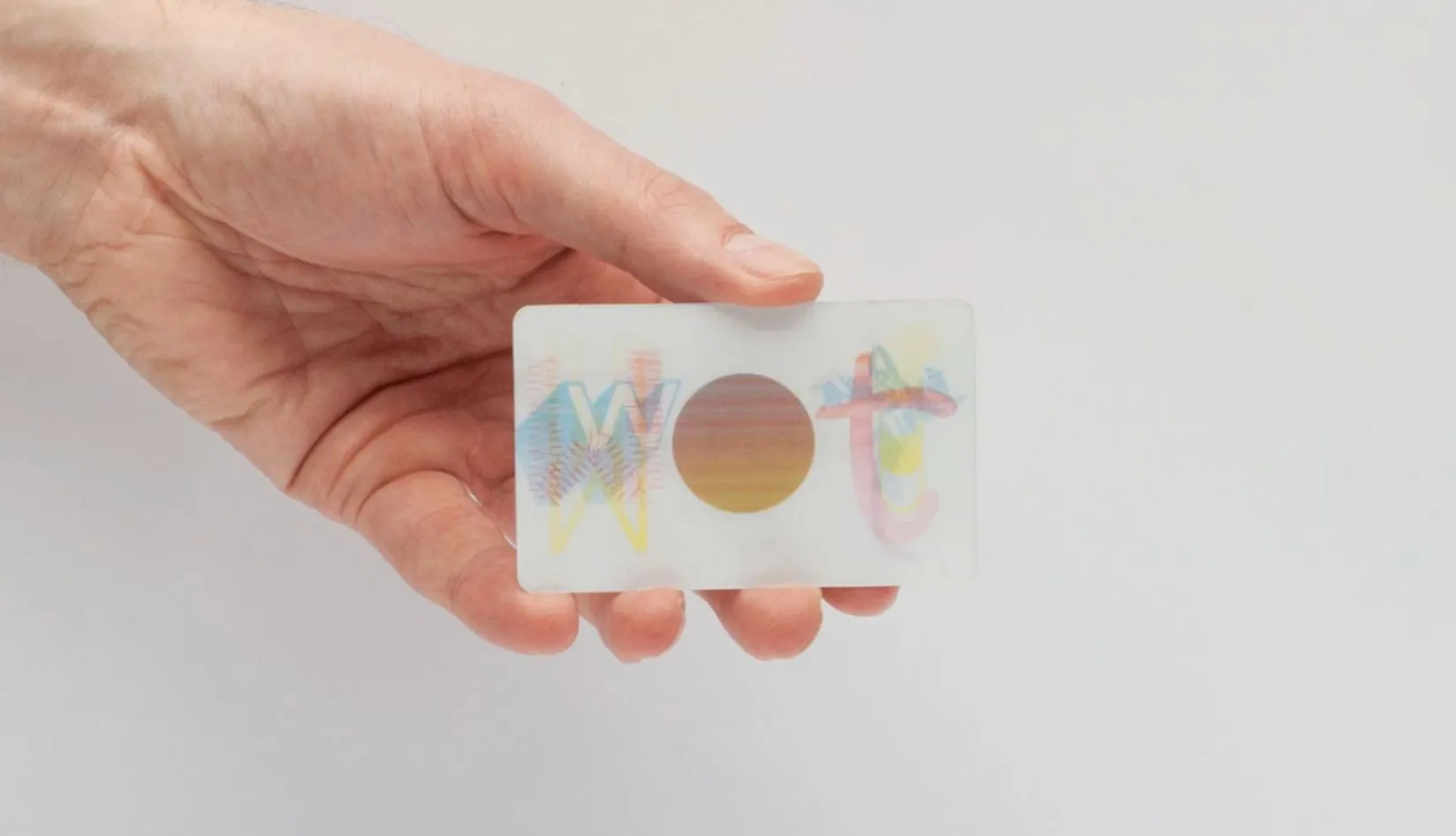
RFID UltraFlat ID Cards: Combining Professional Appearance with RFID Functionality
For businesses that require RFID staff ID cards with both reliable functionality and a professional appearance, RFID UltraFlat ID Cards provide an ideal solution.
They are suitable for organizations using RFID-based employee identification systems, including applications based on:
- LF RFID technology
- HF RFID technology
- MIFARE
- NFC-based applications

These cards are especially suitable for businesses that want to combine:
- Employee identification
- Access control functionality
- High-quality card printing
- Professional corporate branding
Unlike standard ID card manufacturing processes, RFID UltraFlat ID Cards focus on achieving a smoother card surface and improved printing quality, making them a better choice for companies that value both functionality and visual presentation.
Key advantages include:
- Flat card surface
Provides a smoother finish and a more premium appearance for employee badges. - Better printing quality
Enables clearer employee photos, company logos, and detailed card designs. - Professional appearance
Helps businesses create employee badges that better represent their corporate image. - Compatible with RFID functionality
Supports RFID applications while maintaining a high-quality card appearance.
Looking for RFID staff ID cards that match your system requirements and brand image?
RFIDcard.com helps businesses create customized employee ID solutions, from RFID technology selection to card manufacturing. Our RFID UltraFlat ID Cards combine reliable RFID functionality with a premium card surface and high-quality printing, making them ideal for professional employee badges.
Contact us to discuss your project requirements and get a customized recommendation, including card selection, customization options, and bulk ordering solutions.
Conclusion
Choosing the right staff ID cards requires businesses to balance functionality, compatibility, security, and cost.
The best solution is not always the cheapest card or the most advanced technology. Instead, businesses should select a card solution that matches their application requirements, existing systems, and future needs.
Whether you need traditional printed ID cards, RFID staff ID cards, or high-security smart cards, choosing the right technology can help create a reliable and cost-effective employee identification system.
FAQs
Can I replace my existing employee ID cards without changing my access control system?
In many cases, businesses can replace existing employee ID cards without changing their entire access control system, as long as the new cards are compatible with the current system.
Before ordering replacement cards, businesses should confirm key requirements, including:
- Current card technology
- Card frequency
- Chip type
- Reader compatibility
- Encoding requirements
Checking these details in advance helps avoid compatibility issues and unnecessary system changes.
Do RFID staff ID cards need to be encoded before use?
It depends on the access control system and how the cards will be used.
Some RFID staff ID cards only require the card UID to be registered in the system, while other applications may require additional encoding, such as:
- User data programming
- Secure authentication settings
- Application data configuration
Businesses should confirm their system requirements before ordering to ensure the cards are properly configured for use.
Can staff ID cards be customized with employee information?
Yes. Staff ID cards can be customized with various employee and company details to meet identification and branding requirements.
Common customization options include:
- Employee name
- Photo
- Job title
- Department
- Company logo
- Employee number
- QR code or barcode
Businesses can also choose different printing methods and card designs based on their application needs.
Can staff ID cards support multiple applications?
Yes. Depending on the card technology and system design, staff ID cards can support multiple workplace applications.
A single card may be used for functions such as:
- Access control
- Time and attendance management
- Cafeteria payment
- Parking access
For organizations that require multiple applications, choosing the right card technology is important to ensure sufficient security, memory capacity, and system compatibility.
Can staff ID cards be reused for new employees?
Yes, some staff ID cards can be reused for new employees depending on the card type, printing process, and system requirements.
For organizations with frequent employee changes, reusable card solutions can help reduce replacement costs. Employee information, such as names, photos, and departments, can be updated through reprinting or surface replacement when applicable.
RFID UltraFlat ID Cards are a suitable option for businesses that need both RFID functionality and flexible card management. With a flat card surface and high-quality printing performance, they are designed for professional employee badges that require clear visual presentation and information updates.
Recommended Products

BioPoly™ Vinyl RFID Inlay Sheet MIFARE Classic® EV1 4K

The MIFARE Classic® EV1 4K BioPoly™ Vinyl RFID Inlay Sheet combines cutting-edge RFID technology with sustainable materials. Crafted from BioPoly™ Vinyl, a biodegradable and eco-friendly PVC alternative, it reduces environmental impact without sacrificing durability and flexibility. Featuring the MIFARE Classic® EV1 4K chip, this inlay offers expanded 4KB memory, enhanced security with mutual three-pass authentication, and fast, reliable data transmission. Ideal for applications like access control, event management, and smart cards, it delivers excellent compatibility and performance. By utilizing BioPoly™ Vinyl, this product supports green initiatives while maintaining top-tier RFID functionality.

RFID Card NXP MIFARE Classic® EV1 4K (S70) CR80
The MIFARE Classic® EV1 4K RFID card is made with Photo-quality standard PVC sheets into the size of CR80, that are suitable for use with most direct thermal or thermal transfer card printers. MF1S70 series to be used in a contactless smart card according to ISO/IEC 14443 Type A.

RFID Card CR80 MIFARE® DESFire® EV2 2K
The MIFARE® DESFire® EV2 2K RFID card is a secure, high-capacity contactless smart card ideal for various applications like access control, transportation, and payment systems. It features 2KB of integrated memory, advanced encryption standards for security, and is compatible with existing MIFARE® systems. The EV2 version enhances data protection and transaction speed, making it a reliable and efficient choice for modern RFID solutions.