The RFID printer market is crowded with options, but selecting the wrong device can lead to compatibility issues, unreliable tag encoding, and integration headaches that undermine your entire tracking system. Industry-specific requirements further complicate this decision—healthcare demands different capabilities than retail, manufacturing, or logistics. This guide helps you navigate these complexities by examining the critical features that matter for your specific application, with special focus on the versatile UHF RFID printer CP30.
1. Understanding RFID Printer Technology and Its Business Impact
How RFID Printers Transform Inventory Management
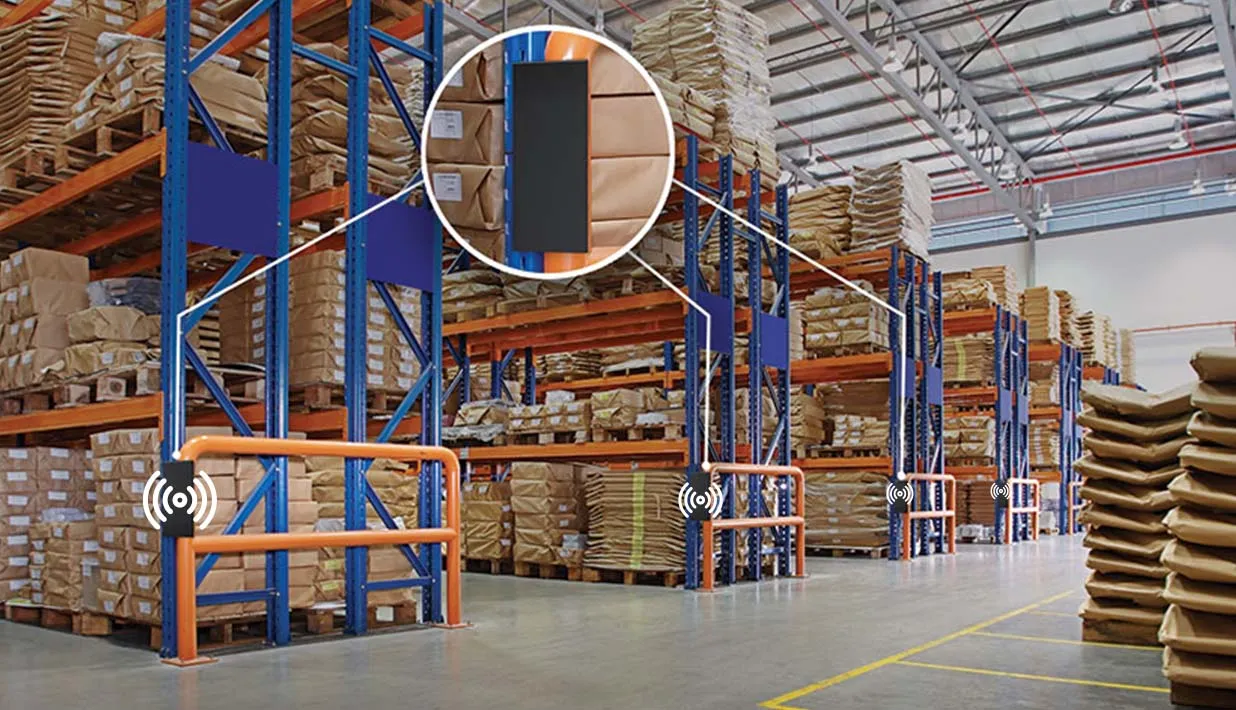
Traditional barcode systems require line-of-sight scanning and individual handling, creating bottlenecks in high-volume environments. RFID technology enables simultaneous scanning of multiple items without direct visibility. RFID printers produce tags containing both visual information and embedded RFID chips, encoding the electronic data while verifying functionality before application.
The shift to RFID-enabled tracking delivers immediate operational advantages:
•Inventory accuracy improvements from typical 65-75% to over 95%
•Labor cost reductions of 30-50% for inventory-related tasks
•Shrinkage reductions of up to 60% through better tracking
•Order fulfillment speed increases of 25-40% with fewer errors
2. Key Technical Considerations When Selecting an RFID Printer
Different applications demand different specifications. For detailed labels, higher resolution printers (300dpi) are essential. High-volume operations prioritize print speed, measured in inches per second (ips).
The CP30 RFID printer balances these needs effectively, offering 8ips printing at 203dpi or 6ips at 300dpi. This versatility makes it suitable for both detailed pharmaceutical labels and high-volume retail tagging.
Perhaps the most critical aspect is encoding reliability. The CP30 excels with its advanced Impinj E510 RFID module, supporting UHF frequencies across global standards and complying with EPC Gen2 (ISO18000-6C) protocols.
Integration capabilities are equally important. The CP30 offers comprehensive integration through multiple interfaces (USB, Ethernet, optional Wi-Fi and Bluetooth) and emulation of industry-standard printer languages (ZPL-II, TSPL, DPL).
3. Industry-Specific RFID Printer Applications
Retail and E-commerce Solutions
Retailers face unprecedented pressure to maintain accurate inventory across physical and digital channels. Major retailers report inventory accuracy improvements from 65% to over 98% after RFID implementation.
The CP30 printer supports retail operations with fast tag production for both item-level and case-level tagging. Its ability to print various tag formats accommodates everything from apparel hang tags to shipping labels.
For loss prevention, the CP30’s reliable encoding ensures consistent tag quality needed for effective security monitoring.

Manufacturing and Supply Chain Optimization
Manufacturing efficiency depends on smooth workflow and minimal bottlenecks. RFID-tagged components provide visibility into production status, enabling real-time adjustments.
The CP30’s industrial design withstands harsh manufacturing environments while consistently producing durable tags for tracking items through production processes.
Many industries face strict compliance requirements for product labeling and traceability. The CP30’s precision printing and encoding capabilities ensure accurate human-readable information and reliable RFID data.
Healthcare and Pharmaceutical Applications
Healthcare facilities increasingly rely on RFID for patient identification, medication verification, and equipment tracking. The CP30’s high-resolution printing capability (300dpi) produces clear wristbands and medication labels essential for patient safety.
For medical equipment tracking, the CP30 produces durable RFID tags that withstand sterilization processes, enabling hospitals to track equipment location, maintenance status, and utilization rates.
4. Advanced Features of the UHF RFID Printer CP30
Core Technical Specifications and Capabilities
The CP30 utilizes either the M6E-NANO module (based on Impinj Indy R500) or the CM510-1 module (based on Impinj E510), providing enterprise-grade encoding reliability across global frequency bands.
Key performance specifications include:
•Print methods: Both thermal transfer and direct thermal
•Resolution options: 203dpi or 300dpi with automatic printhead detection
•Maximum print speed: 8ips (203dpi) or 6ips (300dpi)
•Maximum print width: 108mm (203dpi) or 106mm (300dpi)
•Memory: 128MB RAM and 256MB Flash for complex label formats
Versatility and Adaptability Across Environments
The CP30 excels in connectivity with standard interfaces (USB, USB host, Ethernet) and optional interfaces (Wi-Fi, Bluetooth). It supports multiple printer languages and operating systems, ensuring smooth integration with existing enterprise systems.
Built for reliability, the CP30 operates in temperatures from 41°F (5°C) to 104°F (40°C) and supports various media types including wax, wax/resin, and resin ribbons.
The 3.5-inch TFT color touch panel LCD simplifies operation and reduces training requirements. Enterprise deployments benefit from remote management capabilities, allowing IT teams to monitor printer status, update configurations, and troubleshoot issues across multiple locations.
5. Maximizing ROI from Your RFID Printer Investment
Successful RFID printer deployment begins with thorough planning:
1.Identify specific business processes that will benefit from RFID
2.Establish clear metrics for success
3.Test tag readability in actual operating environments
4.Develop a phased implementation approach
The CP30’s versatility supports this methodical approach, allowing organizations to start with focused applications and expand as they gain experience.
Organizations typically see inventory accuracy rates jump from 65-75% to over 95% after implementing RFID systems powered by reliable printers like the CP30. Labor savings represent another significant ROI factor, with reductions of 30-50% for inventory management tasks.
6. Conclusion: Making the Right RFID Printer Choice for Your Business
In today’s data-driven business environment, the right RFID printer is a strategic investment in operational excellence. The UHF RFID printer CP30 stands out by offering an exceptional combination of versatility, reliability, and performance. Its advanced encoding capabilities ensure consistent tag quality—the foundation of any successful RFID implementation.
Whether you’re in retail seeking inventory accuracy, manufacturing focusing on production visibility, or healthcare prioritizing patient safety, the CP30 delivers the precision and reliability needed to transform your tracking capabilities.

Ready to elevate your tracking capabilities with enterprise-grade RFID printing? Contact RFIDcard.com today for a personalized assessment of your tracking needs and a demonstration of the UHF RFID printer CP30’s capabilities.
Frequently Asked Questions About RFID Printers
Q1: What’s the difference between standard barcode printers and RFID printers?
A: While standard barcode printers only print visible information on labels, RFID printers perform two critical functions simultaneously: they print human-readable text and barcodes on the label surface while also encoding data into the embedded RFID chip. RFID printers contain specialized hardware (RFID encoders) that write data to the tag’s microchip and verify successful encoding before the label exits the printer.
Q2: How do I determine the right RFID printer resolution for my business needs?
A: RFID printer resolution (measured in dots per inch or dpi) should be selected based on your specific labeling requirements. Choose 203dpi for standard shipping labels and inventory tags where print speed is prioritized. Opt for 300dpi when printing smaller labels, detailed graphics, or small text such as in healthcare or component labeling. The CP30 offers both 203dpi and 300dpi options with automatic printhead detection for maximum flexibility.
Q3: What maintenance is required for RFID printers compared to standard printers?
A: RFID printers require standard thermal printer maintenance plus additional attention to the RFID encoding components. Regular calibration of the RFID module is essential to maintain encoding accuracy, especially when changing tag types. The CP30 features a self-diagnostic system that monitors encoding performance and alerts operators when calibration is needed.
Q4: Can RFID printers encode different types of RFID tags?
A: RFID printers are typically designed for specific frequency ranges. The CP30 specializes in UHF (Ultra-High Frequency) RFID tags operating in the 860-928MHz range, common in supply chain, retail, and manufacturing applications. Within its UHF capability, the CP30 supports various tag formats and sizes, accommodating different antenna designs and chip types that comply with the EPC Gen2 standard.
Q5: How do I ensure my RFID labels will work in my specific environment?
A: Environmental factors significantly impact RFID performance. First identify potential challenges in your environment (metals, liquids, electromagnetic interference). Then select appropriate tag types designed for your specific conditions. The CP30 printer allows you to test tag performance through its verification feature, which confirms successful encoding before printing. For comprehensive validation, conduct a site survey with sample tags in your actual operating environment before full-scale implementation.
Recommended Products

UHF RFID Printer AZ-CP30
Print speed up to 8 ips. With RFID function supporting UHF RFID, 860–960 MHz, and EPC C1G2 (ISO 18000–6C), with the function to automatically identify the printer head with 203 dpi and 300 dpi and automatically configure the printer without PC settings. With super large storage, DDR2 RAM 128 MB, Flash 256MB. Support multiple interfaces, USB HOST, B-type USB, Ethernet port for standard, Wi-Fi, and Bluetooth module for optional.