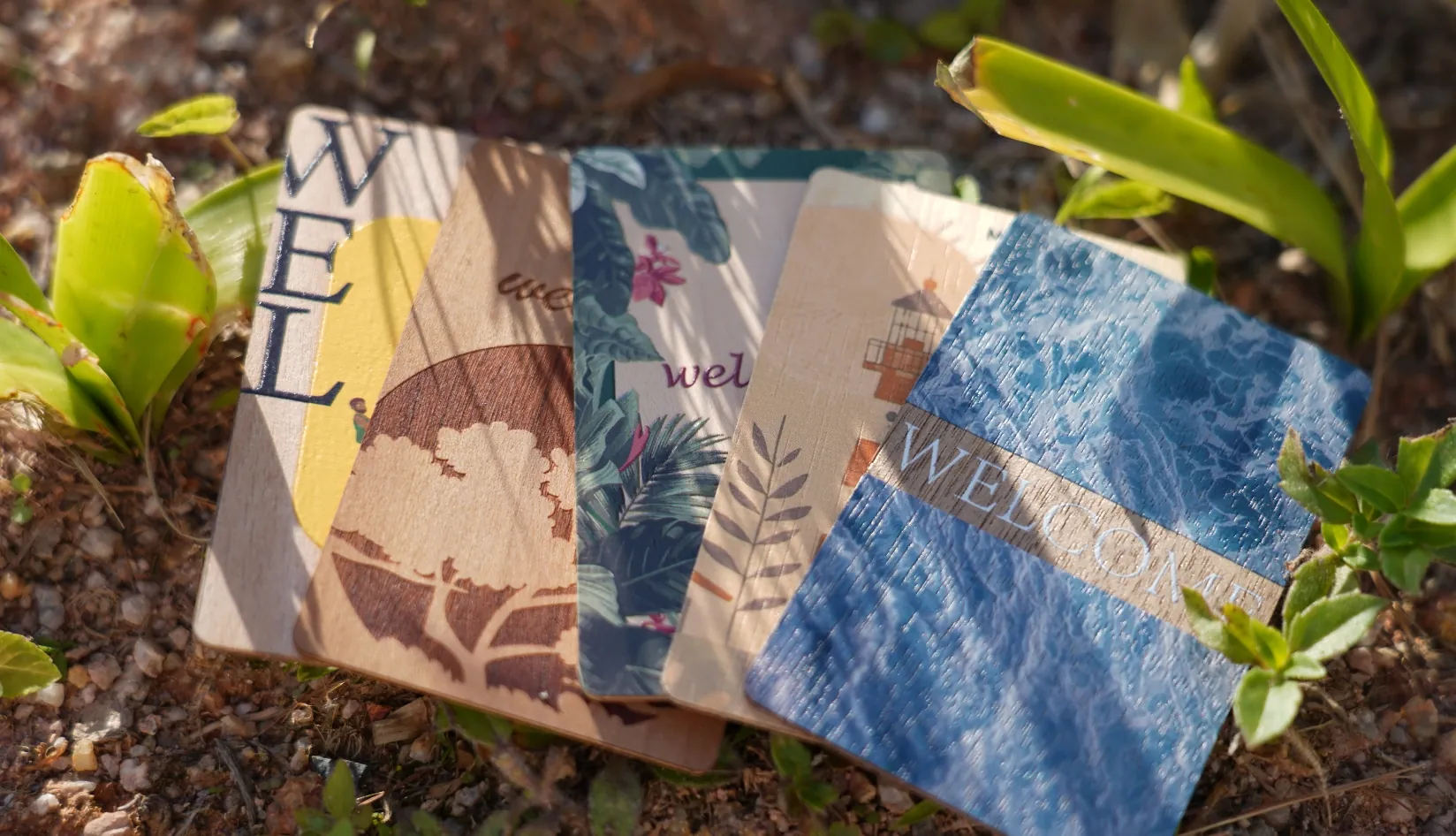
Hotel branding is present at every physical touchpoint a visitor has in the cutthroat hospitality industry of today, going far beyond logos and websites. The hotel key card is one of the most important yet often disregarded components. Hotel key cards have developed from straightforward access tools into potent marketing assets that impact initial impressions, the visitor experience, and long-term brand recall with the development of personalized RFID cards. A typical RFID key card can be made into a memorable component of the visitor experience by making thoughtful design decisions that reinforce both identity and usefulness.
1. Aligning Key Card Design with Hotel Brand Identity
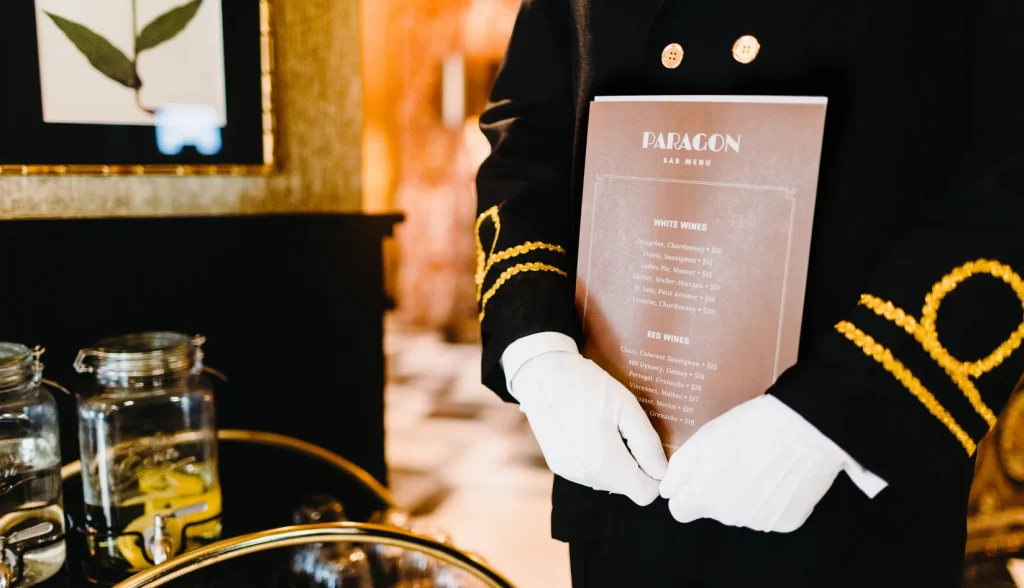
A hotel key card should be visually and emotionally consistent with the hotel’s overall brand image. Whether the resort represents itself as luxury, boutique, eco-conscious, or business-oriented, the key card design should reflect that positioning consistently. Brand alignment begins with visual aspects like logos, typography, and color palettes. The fonts on the card should match those on signage, websites, and in-room materials. Colors should reflect the tone of the company, such as muted neutrals for luxury hotels, striking contrasts for lifestyle companies, or natural hues for eco-friendly facilities.
Maintaining consistency fosters recognition and trust. Professionalism and attention to detail are discreetly reinforced when visitors see a key card that complements the rest of the hotel experience. Even after visitors check out, well-made bespoke RFID cards enhance brand remember by acting as an extension of the hotel’s visual language.
2. Choosing the Right Material for Visual Impact
Material selection influences how guests interpret a key card. While ordinary PVC is still commonly used because to its durability and cost-effectiveness, many hotels are looking at alternative materials to improve guest experiences or promote environmental principles. Wooden RFID cards, for example, evoke warmth, workmanship, and exclusivity, making them popular in boutique and premium hotels. BioPoly™ Stone cards appeal to eco-friendly brands looking to reduce plastic usage. Each material conveys a distinct tactile and visual message, influencing guests’ emotional connections with the brand.
Hotels must weigh practical factors like durability, water resistance, and RFID chip compatibility against aesthetics when choosing materials for personalized RFID cards. Selecting the appropriate materials supports operational reliability and increases perceived value.
3. Color Psychology in Hotel Key Card Design
Color plays an important psychological influence in forming guest perceptions. Different colors elicit different feelings, and carefully chosen colors can have a subtle impact on how guests perceive a hotel. For example, black, gold, and deep navy are frequently linked with elegance and sophistication. Greens and earth tones convey sustainability and tranquility. Bright colors can exude energy and imagination, making them ideal for lifestyle or resort accommodations.

Contrast and legibility should be taken into account while customizing RFID cards. Text and logos should contrast sharply with the backdrop, and colors should hold true in a variety of lighting scenarios. To guarantee precise replication and long-term durability, color selections should also be in line with printing methods.
4. Logo Placement and Layout Best Practices
Logo placement is one of the most important aspects of keycard design. A logo that is too huge can be intimidating, but one that is too little may go overlooked. The proper placement maximizes visibility without dominating the entire card. Many hotels center the emblem on the front for easy brand recognition, while others use subtle corner placement for a more understated effect. The back of the card can be used to display secondary branding, slogans, or functional information.
Effective layout design considers hierarchy and balance. Custom RFID cards should guide the guest’s eye naturally, making the card intuitive to use while reinforcing brand identity. Avoid placing essential information too close to edges, where wear and tear are more likely.
5. Functional Design Elements to Consider

Beyond aesthetics, the key card is a useful tool, and its design should maximize guest usability. Card orientation, whether portrait or landscape, should be determined by how the card will be used and how it best accommodates the design elements. Landscape orientation is generally suitable for larger logos and allows for more practical text on the rear. Functional design features can greatly improve the guest experience. A QR code that links to the hotel’s digital compendium, map, or direct booking page is a modern and useful addition. Brief, simple room instructions or the Wi-Fi network name and password can also be put on the back, eliminating the need for guests to contact the front desk. Furthermore, the design must consider durability and frequent handling. High-quality finishes and materials protect the design from scratching or fading quickly. Crucially, the design must ensure that no metallic inks, foil stamping, or excessive layers of material interfere with the chip’s signal.
6. Personalization and Limited-Edition Designs
Personalization is becoming a more prevalent concept in hospitality. Custom graphics for seasonal promotions, special events, or loyalty levels can increase guest engagement and give a sense of exclusivity. Limited-edition key cards for holidays, anniversaries, and local festivals can transform a basic access card into a keepsake. VIP guests may receive personalised designs reflecting their status, increasing loyalty and brand engagement.
Custom RFID cards may be made at scale using contemporary production methods, giving hotels the freedom to try new things without worrying about complicated operations. By adding emotional value, personalization makes the visitor experience seem more carefully chosen and considerate.
7. Sustainability as a Design Feature

Sustainability is no longer a niche concern—it’s a core value for many travelers. Hotels that integrate sustainability into key card design can communicate their environmental commitment in a tangible way. Eco-friendly materials, minimalist printing, and natural textures signal responsible choices without the need for explicit messaging. Visual cues such as earthy colors or subtle sustainability icons can reinforce the message.
In addition to lessening their negative effects on the environment, sustainable RFID cards improve brand perception, particularly among eco-aware visitors who respect accountability and openness.
8. Printing Techniques That Elevate Key Card Design
The final quality and perceived worth of a key card are greatly influenced by the printing techniques used. The difference between a matte and a glossy finish, for example, significantly modifies the card’s appearance and feel. A glossy surface is brilliant and durable, allowing colors to stand out, but a matte finish is refined, non-reflective, and often more premium. Hotels can use custom finishes to truly boost their design. Foil stamping adds a metallic, reflective accent that’s ideal for showcasing a logo or essential text in gold, silver, or other colors. Embossing produces a raised, three-dimensional look that adds a tactile element. Spot UV, a clear, glossy coating applied to specific areas, adds a slight contrast to a matte background, giving attention to specific design features.
These high-end finishes raise the card’s perceived worth and, consequently, the hotel’s brand. Although these methods are more expensive, their effects on visitor impression and brand differentiation frequently make the expenditure worthwhile. A comprehensive cost vs. impact analysis should be carried out before placing an order for custom RFID cards in order to determine which combination of methods provides the highest return on investment.
9. Conclusion
Hotel key cards are everyday touchpoints that influence guest opinion and strengthen brand identification, making them much more than just tools for room access. An essential component of the visitor experience, well-designed customized RFID cards effortlessly integrate security and functionality. Hotels may fully utilize their key cards by embracing personalization and sustainability, carefully choosing materials, balancing aesthetics and practicality, and coordinating design with company values. Looking to customize RFID cards for your hotel? RFIDCard offers fully customized RFID card solutions in a wide range of materials—from classic PVC to wood and BioPoly™ Stone options—designed to match your brand and performance needs.
FAQs
1. What materials are available for custom RFID hotel key cards?
We offer materials made from PVC, wood, BioPoly™ Stone, and BioPoly™ Vinyl, depending on your branding and sustainability needs.
2. Will card design or printing affect RFID performance?
No. When properly designed and manufactured, professional custom RFID cards deliver stable RFID performance while maintaining high-quality printing and long-lasting durability.
3. Are your RFID cards compatible with existing hotel lock systems?
Yes, our RFID cards are compatible with most major hotel lock systems on the market.
Recommended Product

BioPoly™ Vinyl Generic Hotel Key Card

The NXP MIFARE® DESFire® C RFID Hotel cards fully comply with ISO/IEC 14443-A. The Key cards are made with photo-quality standard BioPoly™ Vinyl in the size of CR80.
Hotel Key Card
Our ColorEdge™ card is designed to deliver a premium experience beyond traditional white PVC cards. Made with advanced ColorEdge™ material, it provides reliable room access while enhancing the visual appeal with a refined, stylish finish. Combining functionality, durability, and elegant design, this card helps hotels create a more memorable guest experience while reflecting a modern and sophisticated brand image.
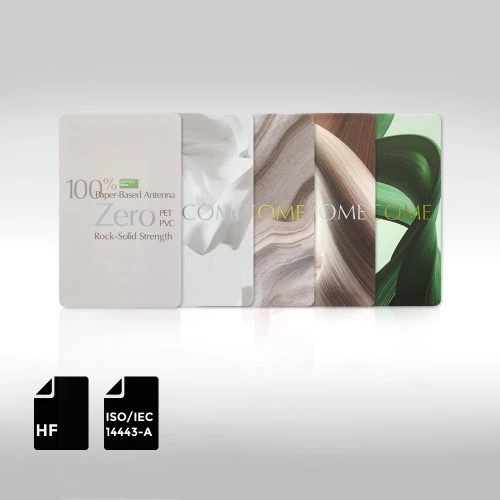
BioPoly™ Stone RFID Card Made with 100% Paper-Based Antenna NXP® MIFARE Ultralight® EV1
The RFID BioPoly™ Stone Card Made with 100% Paper-Based Antenna is designed for brands seeking high performance with a lower environmental footprint. Featuring a Zero PET, Zero PVC paper-based antenna combined with durable BioPoly™ Stone, it delivers rock-solid strength and reliable RFID performance. As the industry’s first developer of paper-antenna RFID cards, we continue to advance eco-friendly RFID solutions through sustainable innovation. Powered by NXP® MIFARE Ultralight® EV1 and compliant with ISO/IEC 14443-A, it is ideal for access control and identification applications.