Introduction
In today’s digital age, smartphones have evolved beyond mere communication tools to become the central digital hub for our personal identities and assets. From payments to boarding passes, the capabilities of digital wallets continue to expand. Against this backdrop, the digitization of physical passes—such as hotel key cards, access cards, and transit passes—has become an irreversible trend.
This blog delves into how Near Field Communication (NFC) ID card is driving this convergence, enabling traditional RFID cards and tags to be securely and conveniently stored within smartphones’ digital wallets. Understanding this technological shift is crucial for renowned hotel brands, major distributors, and corporate clients seeking to enhance operational efficiency, strengthen security, and optimize user experiences.
The Current Status and Challenges of Physical Passes
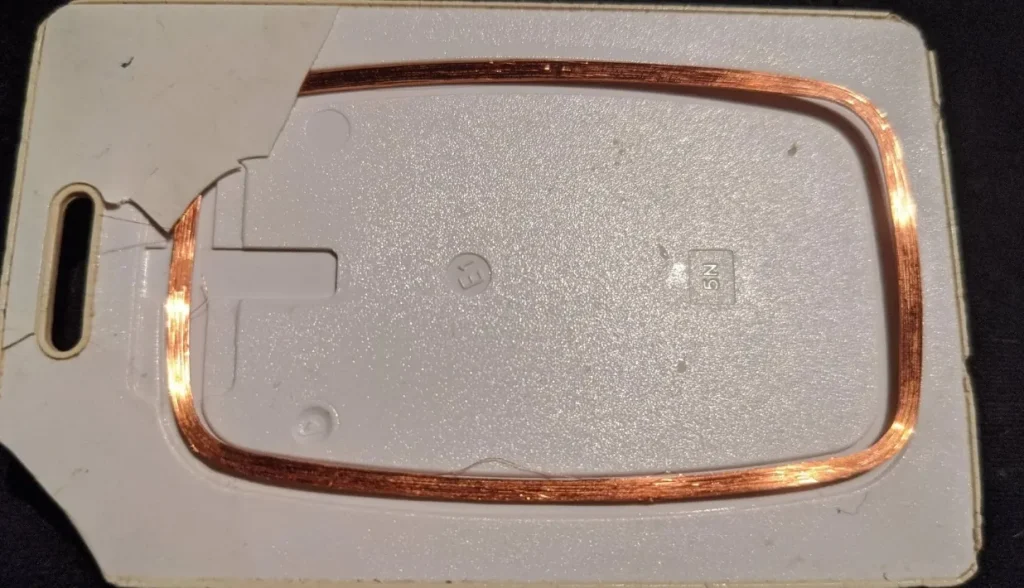
For years, RFID cards and tags have dominated multiple industries due to their contactless convenience. Our products, such as industry-leading hotel key cards and access control cards, are widely used globally to provide reliable physical access control.
However, reliance on purely physical cards also presents inherent challenges:
- Risk of loss and damage: Physical cards are prone to being misplaced or accidentally damaged, causing inconvenience to users while increasing reissuance and management costs for businesses.
- Security limitations: While RFID cards incorporate security mechanisms, access privileges can be abused if cards fall into unauthorized hands. Cards lack additional layers of biometric or device-locking protection.
- Inefficient management: For enterprises with large employee or customer bases (e.g., major factories or hotels), distributing, collecting, and deactivating physical cards is a time-consuming and resource-intensive process.
The Rise of Digital Wallets and the Empowerment of NFC Technology
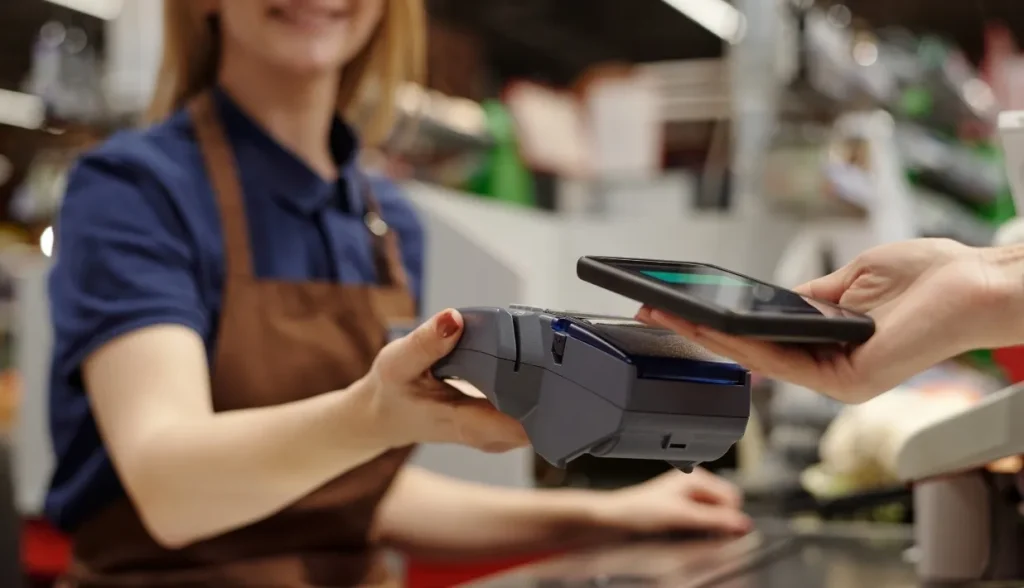
The emergence of digital wallets offers an elegant solution to the aforementioned challenges. Originally designed to store credit card information, digital wallets have evolved into versatile, secure containers capable of holding various forms of digital credentials.
NFC technology is the core driver behind this transformation. NFC is a short-range, high-frequency wireless communication technology that enables contactless peer-to-peer data transfer between electronic devices.
How does NFC enable the digitization of passes?
When a physical NFC card is digitized and stored on a smartphone, the card’s information is not simply copied. Instead, a digital token is created and securely stored within the phone’s Secure Element (SE).
- Secure Element (SE): This is a dedicated, tamper-resistant chip designed to securely store sensitive data such as encryption keys and digital credentials. It operates in isolation from the phone’s main operating system, ensuring the highest level of protection.
- Tokenization: The original card data is replaced with a unique digital identifier (token). When the phone is used for access control, it transmits this token rather than the original card information, significantly reducing the risk of data exposure.
In this manner, smartphones can emulate the functionality of a physical NFC card, communicating with existing RFID readers to enable seamless access to doors or services.
Core Advantages Comparison: Physical Cards vs. Smartphone Passes
For customers, the operational and security advantages of transitioning from physical cards to digital passes are substantial. The table below compares key aspects of both pass models:
| Features | Physical NFC/RFID Card | Smartphone Digital Pass (stored in digital wallet) | Advantage Preference |
| Security | Relies on physical card protection; prone to loss; no secondary verification. | Relies on device lock (PIN/fingerprint/facial recognition); data tokenization; stored in secure element. | Digital Pass |
| Convenience | Requires carrying; occupies wallet space; Risk of forgetting to bring. | Always integrated with phone; no extra carrying required; one-tap access. | Digital Pass |
| Management Costs | Involves card procurement, printing, encoding, distribution, and replacement costs. | Initial integration costs; significantly reduces card consumables and replacement expenses. | Digital Pass |
| User Experience | Traditional, straightforward. | Modern, integrated; supports remote issuance and revocation. | Digital Pass |
| Sustainability | Plastic cards (even eco-friendly options involve physical consumption). | Zero physical consumption; aligns with Corporate Social Responsibility (CSR) goals. | Digital Pass |
| Compatibility | Requires matching reader frequencies (e.g., 13.56MHz). | Requires NFC-enabled phones; must be compatible with reader protocols. | Physical cards (in legacy systems) |
Industry Application Case Studies
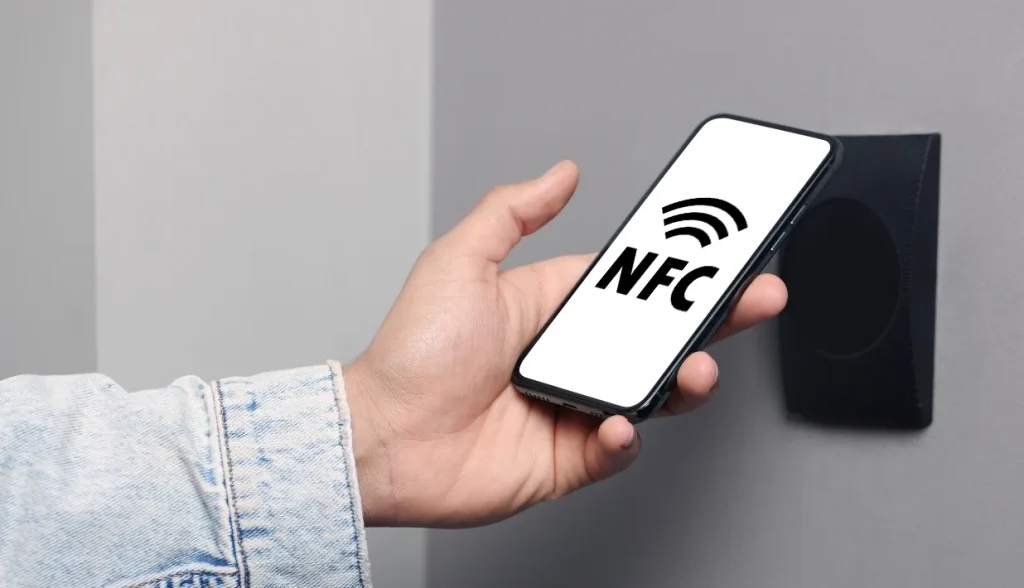
The integration of digital passes is reshaping operational models across multiple industries.
Case Study 1: Mobile Key Cards in Hospitality
For renowned hotel brands, offering mobile key cards has become a key differentiator in enhancing guest experiences.
- Process Optimization: Guests can receive digital keys via the hotel app before arrival, bypassing front desk check-in entirely. Keys are securely stored in digital wallets, allowing guests to access rooms by simply holding their phones near door locks.
- Security Enhancement: Mobile key cards are tied to guests’ phones and protected by the device’s biometric security. If a phone is lost, keys can be remotely deactivated—faster and safer than canceling a physical card.
Case Study 2: Enterprise Access Control and Identity Verification
In corporate settings, digital passes serve for employee access control and identity verification.
- Efficient Management: IT departments can remotely issue, modify, and revoke employee access permissions through a central system, significantly streamlining access management for distributors and large enterprises.
- Multi-Function Integration: A single digital pass can integrate access control, attendance tracking, and internal payments, reducing the need for employees to carry multiple cards.
Case Study 3: Applications in Retail and Transportation
Retail giants (e.g., Walmart, Costco) and subway operators are also exploring the potential of digital passes.
- Retail Loyalty: Apparel brands can use digital wallets to store loyalty cards or gift cards linked to customized RFID tags, enhancing the customer shopping experience.
- Transportation Payments: Subway operators are digitizing traditional RFID transit cards, enabling passengers to swiftly pass through turnstiles using their phones, thereby improving commuting efficiency.
Considerations for Implementing Digital Passes
Transitioning to digital passes is a systematic endeavor involving technology, security, and user experience.
- Infrastructure Compatibility: Ensuring existing RFID readers can support encrypted NFC signals from digital wallets is critical. This may necessitate upgrading or replacing legacy systems.
- Security Protocol Selection: Digital wallet platforms supporting tokenization and secure elements must be chosen to guarantee maximum credential data security.
- User Education and Support: While digital passes offer greater convenience, users require time to adapt to new access methods. Providing clear operational guidelines and technical support is key to successful implementation.
Conclusion
Storing NFC ID cards and passes in a smartphone’s digital wallet represents a major leap forward in physical access control. This integration not only delivers unparalleled convenience but also provides a significantly higher level of protection than traditional physical cards by leveraging the smartphone’s advanced security features. For clients seeking efficiency, security, and modernization, this is no longer an option but a strategic necessity.
RFIDCard specializes in delivering physical products compatible with future-proof digital solutions. Whether your project requires flexible minimum order quantities of physical cards during transition phases or custom RFID solutions integrated with the latest digital wallet technologies, we have you covered.
Contact us today to explore how our RFID cards and solutions can help build a safer, more convenient digital access future for your customers and employees.
Recommended Product

BioPoly™ Stone Sheraton Key Card

Exclusively designed for Sheraton, the BioPoly™ Stone RFID key card combines sustainability, durability, and modern design. Crafted from eco-friendly materials, it seamlessly integrates with Sheraton’s locking systems, ensuring secure, effortless access for your guests. Choose BioPoly™ Stone for a stylish, reliable, and environmentally conscious solution that aligns perfectly with your brand’s commitment to luxury and sustainability.
IMPORTANT NOTICE: All MIFARE Ultralight® AES cards supplied on this site is factory default (non-encrypted) version.