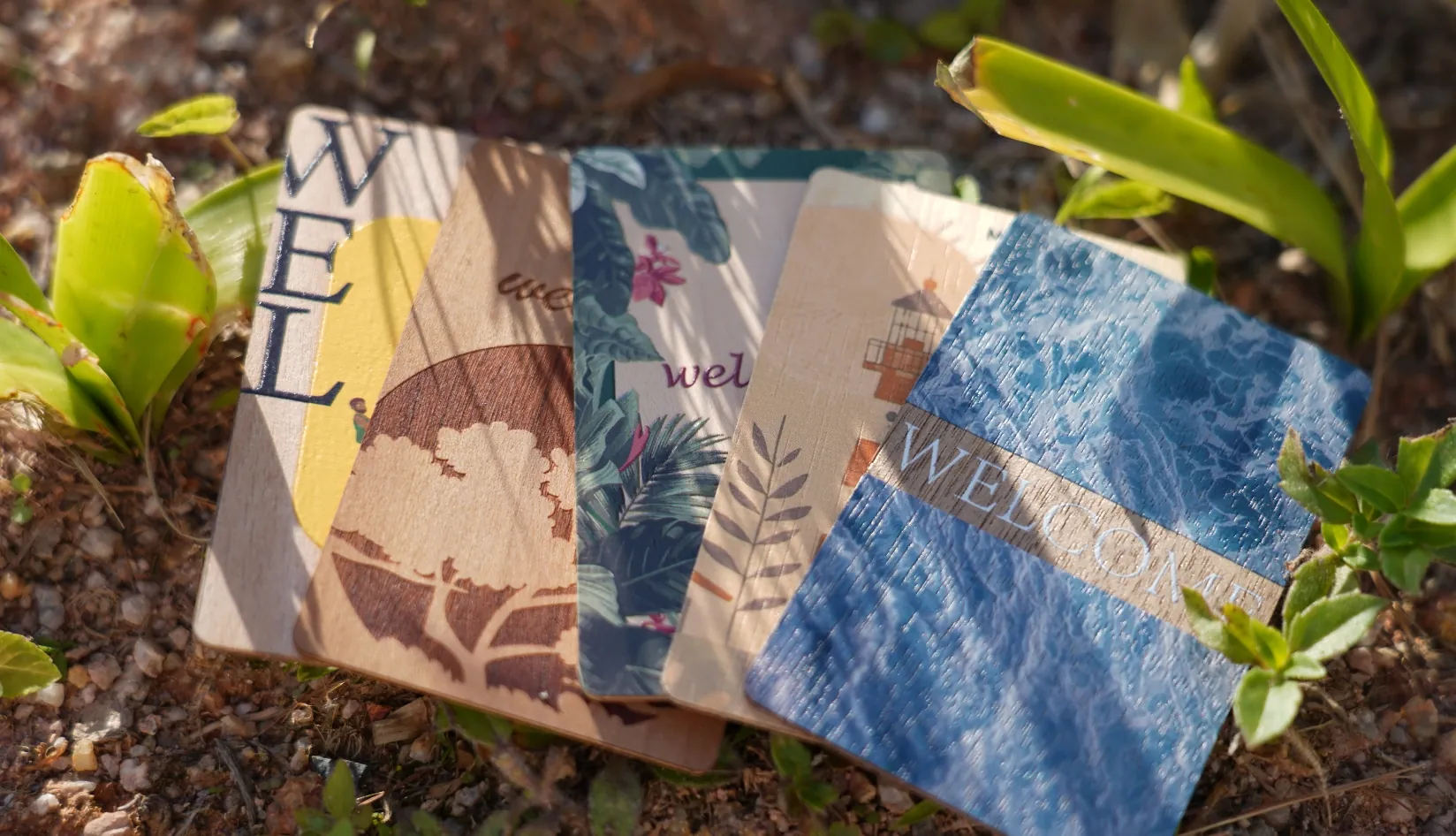
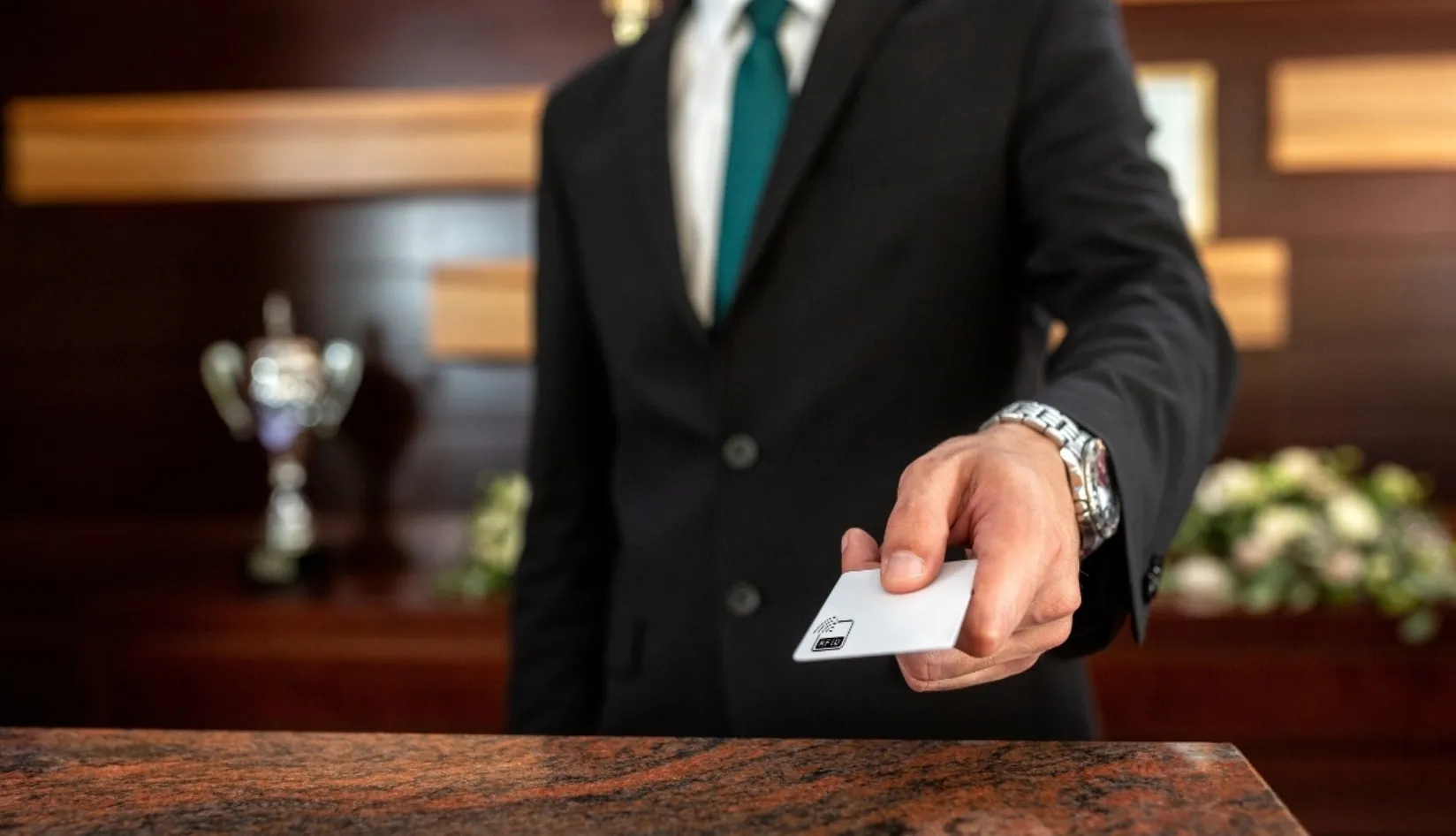
The global hospitality industry is undergoing a profound transformation, driven by an increasing consumer demand for sustainability and a corporate commitment to reducing environmental footprints. For decades, the ubiquitous PVC key card has been the standard, a small, functional piece of plastic that facilitates guest access and hotel operations. However, as the world grapples with the pervasive issue of plastic waste, hotels are actively seeking eco-friendly alternatives for every aspect of their business. This shift has brought a new contender to the forefront: the wooden hotel key cards. The question on the minds of many hotel operators is simple yet critical: does this material change affect the card’s performance, or is it a viable, long-term solution that aligns with modern environmental values?
1. Does Wood Interfere with the Signal?
The primary function of any hotel key card is to reliably communicate with the door lock system, which is almost universally achieved through RFID technology. A common initial concern among hoteliers is whether a natural material like wood could somehow impede the radio waves, leading to slow or failed access for guests. This concern is understandable, given that RFID relies on precise electromagnetic fields.

1.1 Understanding the RFID Mechanism
RFID key cards contain a small microchip and an antenna coil embedded within the card body. When the card is held near a reader, the reader’s electromagnetic field induces a current in the card’s antenna, powering the chip. The chip then transmits its unique data back to the reader, which verifies the access credentials. This entire process happens almost instantaneously and is governed by the laws of electromagnetism. The key to successful operation is the integrity of the electromagnetic field and the card’s internal components.
1.2 Dielectric Properties: Wood vs. PVC
The potential for interference depends on the material’s dielectric properties, which describe how a material responds to an electric field. Dry wood, the material used in high-quality wooden key cards, has a dielectric constant that is extremely low and very close to that of PVC plastic. The wood acts essentially as a transparent medium for the radio frequencies used in the RFID system. The card’s performance is determined by the quality of the embedded chip and antenna, not the surrounding substrate material.
| Material | Typical Dielectric Constant | Impact on RFID Signal |
| PVC Plastic | 2.5 – 3.0 | Minimal interference; standard substrate |
| Dry Wood (e.g., Maple, Birch) | 2.0 – 4.0 | Minimal interference; highly effective substrate |
2. Durability of Wooden Card
Another significant performance metric is durability. A key card must survive the typical wear and tear of a guest’s stay.

2.1 The 5-Layer Construction Advantage
The secret to the superior durability of modern wooden hotel key cards lies in their engineered construction. Unlike simple, single-ply wood veneer or 3-layer, RFIDCard’s wooden cards are manufactured using a 5-layer lamination process to ensure the cards are more durability.
This 5-layer structure provides several critical advantages:
- Increased Rigidity: The cross-grain lamination prevents the card from warping or bending, a common issue with single-ply wood or lower-quality plastic.
- Enhanced Moisture Resistance: The multiple layers and protective finish create a robust barrier against humidity and accidental spills, protecting the internal RFID components.
- Superior Break Resistance: The layered construction distributes stress, making the card far less prone to snapping or cracking than brittle PVC.
2.2 Lifespan and Resilience Comparison
The lifespan of a key card is a key operational factor. While a plastic card can last for years, its physical appearance degrades quickly, and it contributes to waste when discarded. The resilience of a wooden card, particularly those with a 5-layer build, is impressive.
| Feature | PVC Key Card | 5-Layer Wooden Key Card |
| Bending/Warping | Prone to permanent bending; can snap if bent sharply. | Highly resistant to warping due to cross-grain lamination. |
| Moisture | Generally resistant, but can be compromised if laminated layers separate. | Highly resistant; protective finish seals the wood and internal components. |
| End-of-Life | Non-biodegradable; persists in landfills for centuries. | Fully biodegradable within a short period. |
3. Beyond Performance: The Aesthetic and Brand Value
While performance and durability are non-negotiable, the choice of key card material offers a powerful opportunity for branding and guest experience enhancement.

3.1 The Luxury Touch Experience
Wooden card is warm, natural, and tactile. Handing a guest a key made of real wood, immediately elevates the check-in experience. The unique grain pattern ensures that no two cards are exactly alike, offering a subtle sense of exclusivity and craftsmanship. This small detail reinforces a hotel’s commitment to quality and luxury, transforming a mundane transaction into a memorable moment.
3.2 Communicating Eco-Consciousness
In today’s market, a hotel’s commitment to sustainability is a major selling point. Guests are actively seeking out eco-friendly accommodations. Using wooden hotel key cards is a tangible, visible declaration of this commitment. It moves the sustainability message from a plaque on the wall to a physical object the guest interacts with multiple times a day.
This visible commitment is often supported by the use of FSC-certified wood, which assures guests that the material is sourced from responsibly managed forests. This transparency builds trust and strengthens the hotel’s brand narrative, appealing directly to the environmentally conscious traveler.
4. Customization and Versatility
The versatility of wood as a material allows for a level of customization that often surpasses that of plastic, enabling hotels to create truly unique and branded key cards.

The variety of available wood species offers a rich palette for design. A hotel can choose a wood that complements its interior design or brand identity:
- Maple: Light, fine-grained, and classic—ideal for a clean, modern look.
- Cherry: Rich, warm tones that deepen with age—perfect for a traditional or luxury setting.
- Bamboo: A highly sustainable, distinctively textured option for an eco-chic brand.
- Black Walnut: Sophisticated, and premium—excellent for high-end boutique hotels.
5. Conclusion
Modern wooden hotel key cards are engineered to meet the same technical standards as plastic cards while offering additional benefits in sustainability and aesthetics. For hotels seeking to balance operational reliability with environmental responsibility, wooden key cards are a proven and practical solution. If you are considering wooden hotel key cards for your property, RFIDCard provides finely crafted and reliable wooden key card that combine premium aesthetics with consistent RFID performance.
Recommended Product

Wooden Generic Hotel Key Card

The NXP MIFARE Ultralight® C and NXP MIFARE Ultralight® AES RFID Hotel cards fully comply with ISO14443-A. The Key cards are made with Wooden in the size of CR80.
IMPORTANT NOTICE: All MIFARE Ultralight® AES cards supplied on this site is factory default (non-encrypted) version.