

In an increasingly interconnected world, the demand for efficient, secure, and automated identification systems has never been higher. Among the myriad of technologies addressing this need, the RFID plate stands out as a pivotal innovation. An RFID (Radio-Frequency Identification) plate is essentially a tag embedded with a microchip and antenna, designed to transmit data wirelessly to a reader. Unlike traditional barcodes, RFID plates offer non-line-of-sight reading, enhanced data storage, and superior durability, making them ideal for challenging environments. This technology is rapidly gaining attention due to its transformative potential in automating processes, boosting operational efficiency, and bolstering security across various sectors. This article explores the real-world applications of RFID plates, demonstrating their impact on industries from transportation to logistics and beyond.
1. RFID Plates in Vehicle Identification
The application of RFID plate technology in vehicle identification systems represents a significant leap forward in traffic management and automotive security.

1.1 Toll Collection and Highway Management
One of the most widespread applications of RFID plates is in electronic toll collection (ETC) systems. Vehicles equipped with an RFID plate can pass through toll booths without stopping, as overhead readers automatically detect the vehicle’s unique identifier and deduct the toll. This significantly reduces traffic congestion and travel times, while minimizing operational costs for toll authorities. Beyond tolling, RFID technology assists in highway management by providing real-time data on vehicle flow, enabling dynamic traffic adjustments and improved incident response.
1.2 Parking Lot Access Control
RFID plates offer a seamless and secure solution for parking lot access control. Authorized vehicles can enter and exit parking facilities automatically, enhancing convenience for users and improving security. The system can also track parking duration, facilitate automated payment, and manage parking space availability more effectively.
1.3 Law Enforcement
Law enforcement agencies are increasingly exploring the use of RFID plates for enhanced vehicle tracking and verification. An RFID-enabled license plate could potentially be tracked more easily, aiding in recovery efforts for stolen vehicles. Automated RFID readers can quickly verify license plate authenticity against databases, assisting in identifying unregistered or suspicious vehicles without requiring manual checks, thereby improving roadside safety and efficiency.
2. RFID Plates in Asset Management
Beyond vehicles, RFID plates are revolutionizing asset management across various industrial settings, offering unprecedented levels of tracking and inventory control.

2.1 Equipment Tracking in Factories and Warehouses
In complex environments like factories and warehouses, managing equipment and tools can be daunting. RFID plates attached to assets allow for automated, real-time tracking of their location and status. This eliminates manual inventory checks, reduces lost or misplaced items, and optimizes equipment utilization. For instance, a forklift with an RFID reader can automatically log the movement of pallets tagged with RFID plates, providing accurate, up-to-the-minute inventory.
2.2 Industrial Machinery Nameplates
Traditional industrial machinery often relies on etched or printed nameplates for identification, which can degrade. By integrating RFID technology into these nameplates, critical information such as manufacturing date, maintenance history, and operational specifications can be stored and accessed wirelessly. This ensures long-term data integrity and streamlines maintenance schedules, significantly reducing downtime and improving operational efficiency.
2.3 Harsh Environment Applications
Specialized RFID plates function reliably in harsh industrial environments. Unlike conventional tags, these plates are designed to withstand extreme temperatures, chemical exposure, and metal interference. This makes them invaluable for tracking assets in foundries, chemical plants, or outdoor construction sites where other identification methods would fail, ensuring continuous visibility and data integrity.
3. RFID Plates in Logistics & Supply Chain
The logistics and supply chain sectors are inherently complex. RFID plates offer a powerful solution to enhance visibility, reduce errors, and accelerate operations.
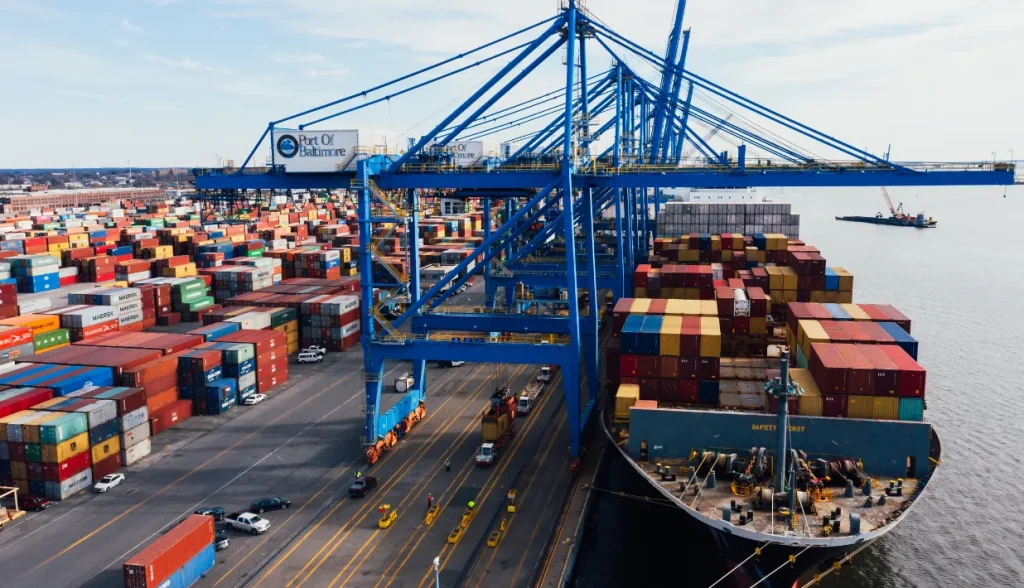
3.1 Tracking Cargo Containers and Pallets
RFID plates are increasingly deployed on cargo containers and pallets for real-time tracking throughout the supply chain. As items move through various checkpoints, RFID readers automatically record their presence and status. This granular visibility allows logistics managers to monitor shipments, anticipate delays, and optimize routes, leading to more predictable and efficient delivery schedules.
3.2 Reducing Errors in Shipping/Receiving
Manual scanning of barcodes during shipping and receiving is prone to human error and time-consuming. With RFID plates, entire shipments can be scanned simultaneously as they pass through an RFID gate, drastically reducing inventory check time and minimizing discrepancies. This automation ensures the right goods are dispatched and received, improving accuracy and reducing costly returns or reshipments.
3.3 Enhancing Real-Time Visibility
The real-time data provided by RFID plate systems offers unparalleled visibility into the supply chain. Stakeholders can access up-to-the-minute information on inventory levels, shipment locations, and delivery statuses. This enhanced visibility allows for proactive problem-solving, such as rerouting shipments to avoid bottlenecks or expediting orders based on immediate demand, ultimately leading to reduced delays and improved customer satisfaction.
4. RFID Plates in Smart Cities & Public Services
As urban environments evolve into smart cities, the integration of advanced technologies like RFID plates becomes crucial for optimizing public services and infrastructure management.
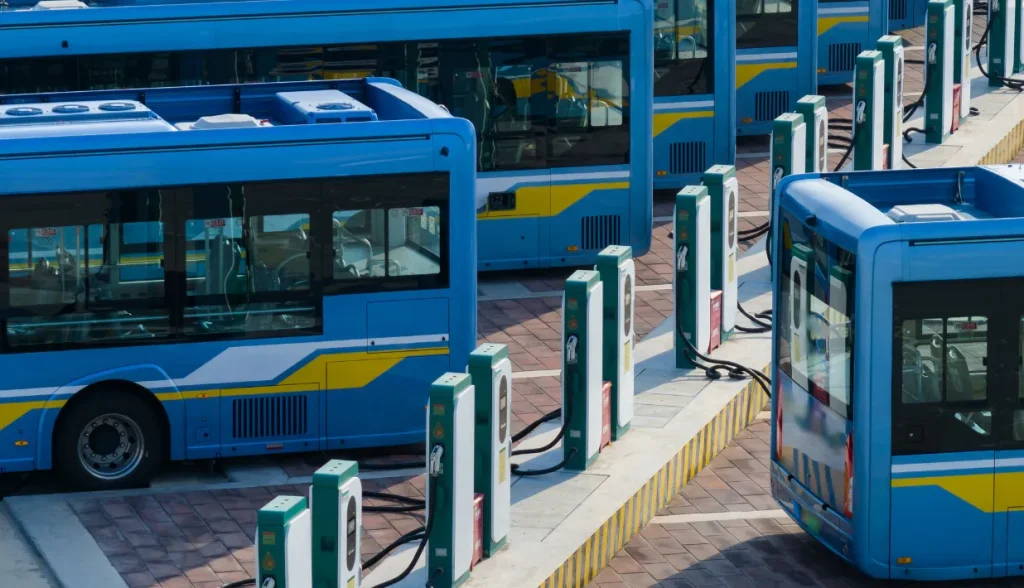
4.1 Public Transportation Integration
RFID plates can significantly enhance the efficiency and management of public transportation systems. Buses and trains equipped with RFID plates can be automatically identified at depots, stations, and maintenance facilities. This enables precise tracking of vehicle movements, automated scheduling adjustments, and streamlined maintenance logs. Such integration contributes to more reliable service, better resource allocation, and improved passenger experience.
4.2 Waste Management Tracking
Modern waste management systems are adopting RFID technology to optimize collection routes and monitor waste generation. Bins fitted with RFID plates can be automatically identified when emptied by collection vehicles. This allows municipalities to track serviced bins, monitor waste volumes, and implement usage-based billing. The result is a more efficient, equitable, and environmentally friendly waste collection service.
5. Conclusion
The pervasive influence of the RFID plate across diverse sectors underscores its role as a foundational technology for modern automation and data management. From revolutionizing vehicle identification and streamlining asset management to optimizing logistics and enhancing public services in smart cities, RFID plates offer a robust, efficient, and secure solution for identification and tracking. As industries continue to seek greater efficiency and connectivity, the RFID plate will undoubtedly remain at the forefront of innovation, driving progress and shaping the future of automated systems worldwide.
Recommended Product

UHF RFID Card Impinj® Monza® R6

Monza® tag chips were the first products based on the EPCglobal UHF Gen 2 standard that introduced by Impinj®. The Monza® R6 UHF RFID card chip includes revolutionary technologies such as automatic performance adjustments and encoding diagnostics.