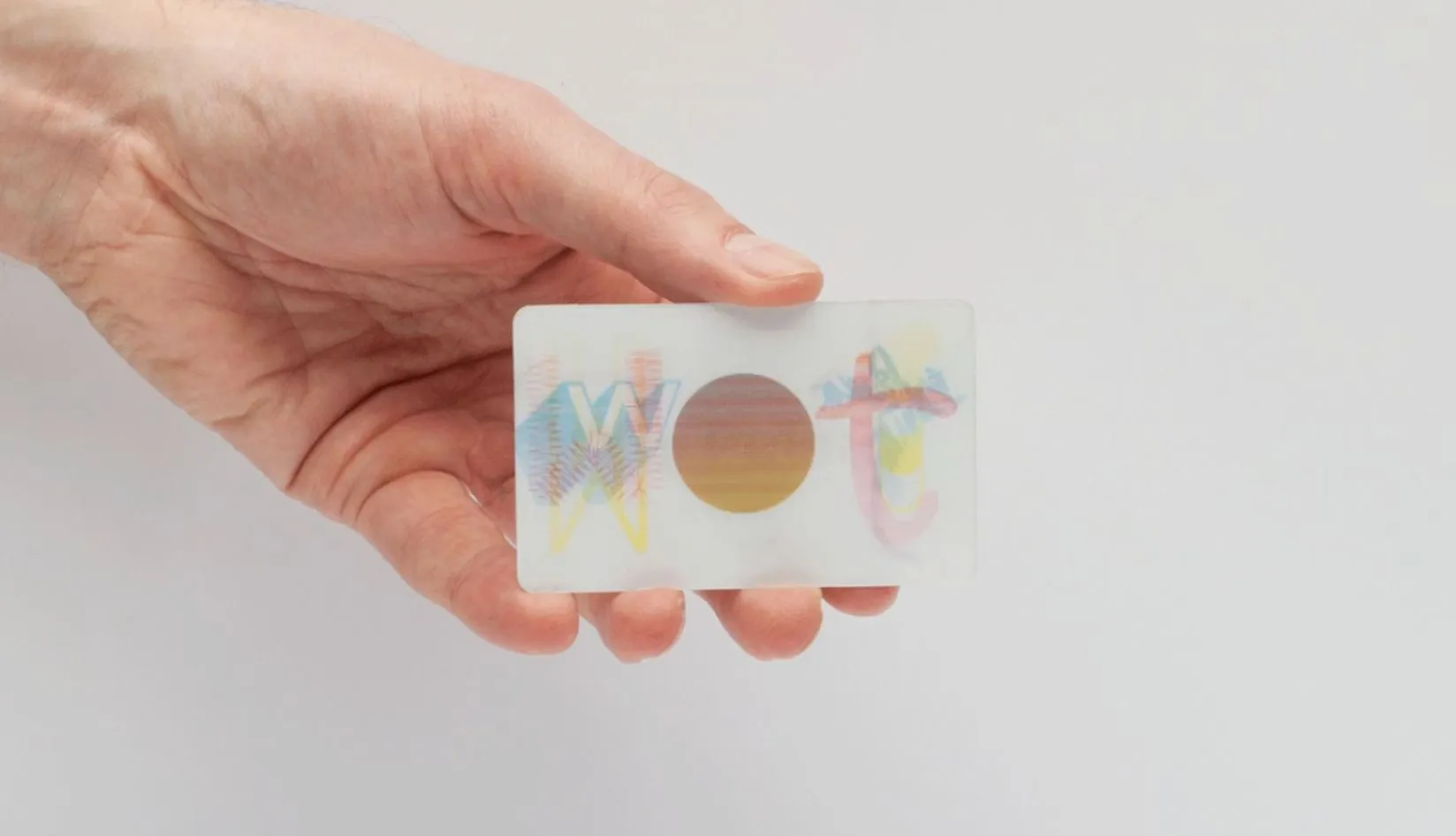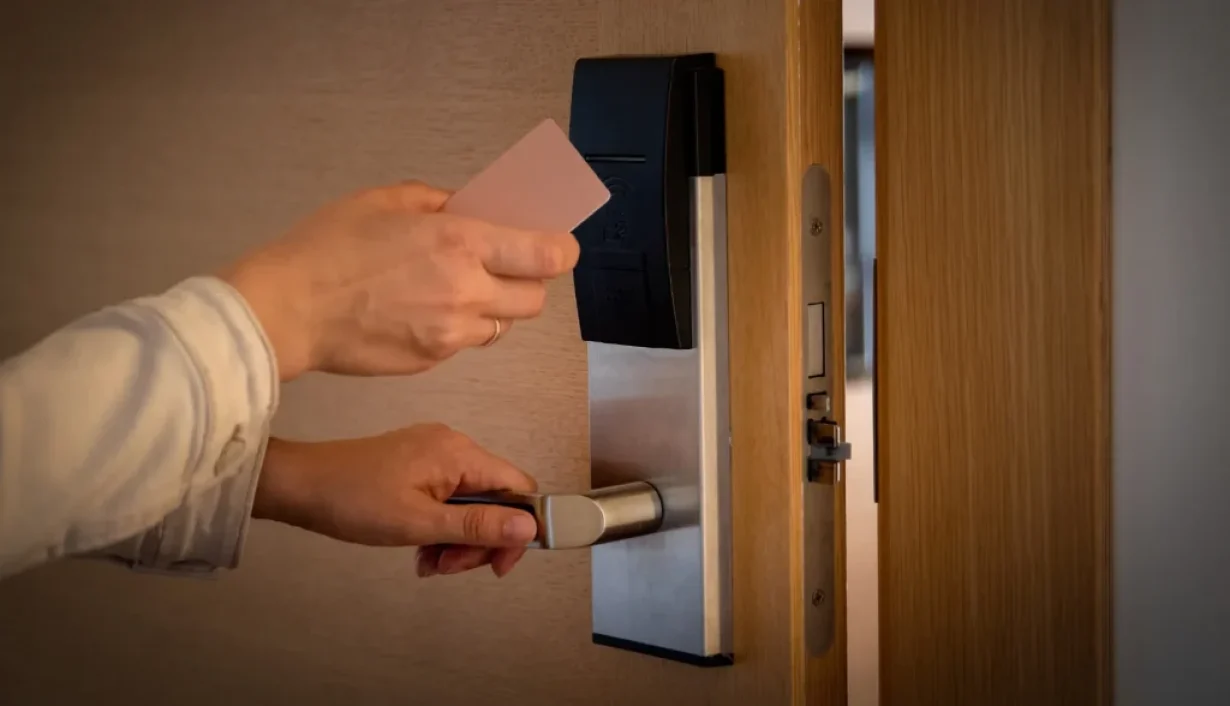

A hotel key card may seem like a small expense, but its impact goes beyond the purchase price. It can affect replacement costs, staff workload, guest experience, access management, branding, and revenue opportunities.
The real cost and value of a hotel key card depend on how it performs throughout its lifecycle. This guide explores how the right key card can help hotels control costs, improve operations, and create more value.
What Costs Are Associated With Hotel Key Cards?
The cost of hotel key cards goes beyond the purchase price. Hotels should also consider replacement, encoding, staff time, and inventory when evaluating their overall card costs.
Card Purchasing Costs
The purchase price depends on factors such as card material, RFID or NFC chip, printing, customization, order quantity, and supplier.
Unit price is only the starting point. A lower-priced card may not be the most cost-effective option if it requires frequent replacement or does not work reliably with the hotel’s access system.
Replacement Costs
Cards may need to be replaced because they are lost, damaged, expired, incorrectly encoded, or, in the case of magnetic stripe cards, demagnetized.
For hotels, replacement costs include not only the new card but also the staff time required to issue it. A durable and reliable card can help reduce these recurring costs.
Encoding and Issuing Costs
Hotel key cards often need to be encoded before they are issued. This adds equipment, system, and front-desk labor costs.
When cards need to be reissued frequently, the extra encoding and staff time can add up, particularly in busy hotels and resorts.
Inventory and Storage Costs
Hotels need to keep enough cards in stock for daily operations, peak seasons, and unexpected replacements.
Large hotels and hotel groups may also need to manage inventory across multiple properties. Choosing standardized card specifications and a reliable supplier can help simplify purchasing and inventory management.
The key takeaway: hotel key card costs should be evaluated over the entire lifecycle, not by unit price alone.

How Hotel Key Cards Affect Daily Operations
Hotel key cards can affect more than guest access. Their reliability, issuing speed, and system compatibility can directly influence daily hotel operations.
Front Desk Workload
Key card issues may require staff to handle card reissuing, encoding, troubleshooting, or guest complaints.
Reliable key cards can reduce unnecessary manual work and help front-desk staff focus on guests.
Check-In and Check-Out Efficiency
Fast and reliable card issuing helps create a smoother check-in process.
This is especially important for busy hotels, large resorts, and peak travel periods, when front-desk teams may need to process many guests in a short time.
Access Management
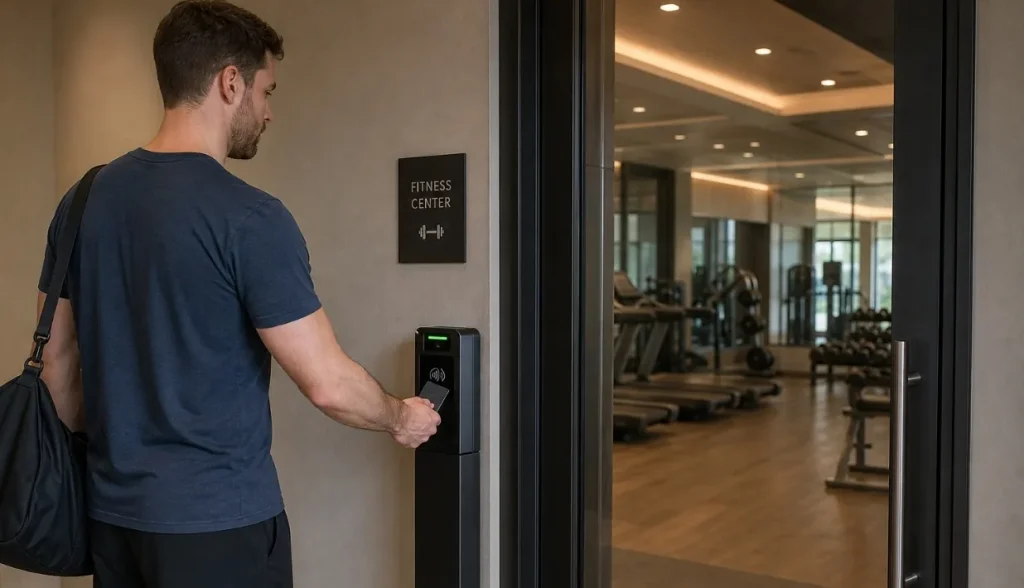
Hotel key cards can provide access to more than guest rooms. Depending on the access system, they may also be used for elevators, pools, spas, gyms, VIP areas, and staff-only areas.
This makes the key card part of the hotel’s overall access management strategy, rather than simply a room-opening tool.
Card Reliability and Operational Disruptions
A low-cost card that frequently fails can create higher operational costs through replacements, troubleshooting, and staff time.
The lowest unit price is not always the lowest operating cost. A slightly more expensive but reliable card may deliver better value over its lifecycle.
How Hotel Key Cards Affect the Guest Experience
Hotel key cards are part of the guest experience from check-in to checkout. A convenient and reliable card can make everyday hotel access easier and more seamless.
Faster and More Convenient Room Access
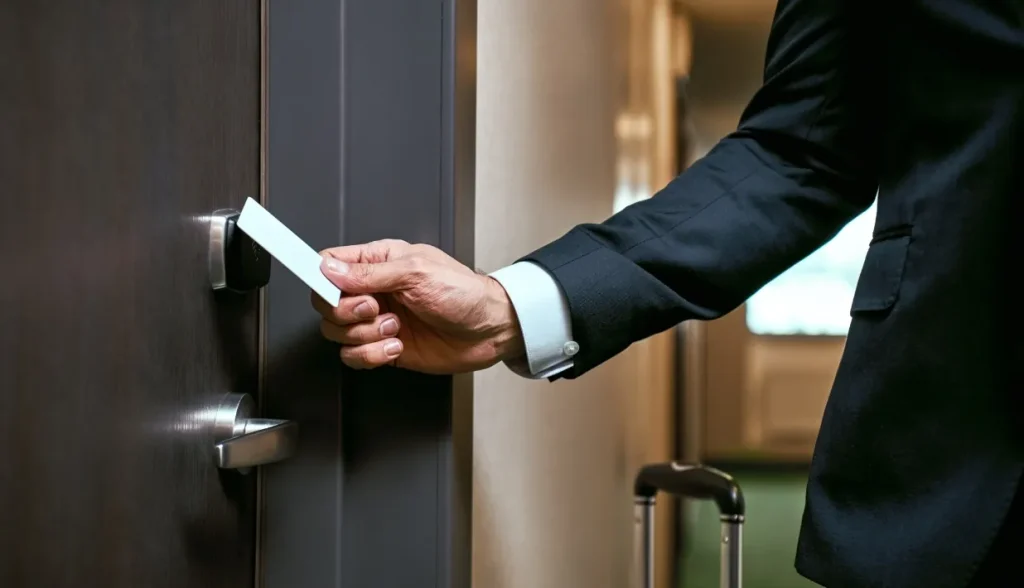
Reliable contactless access allows guests to enter their rooms quickly and conveniently, without repeatedly dealing with access issues.
Fewer Card Failures and Reissues
Frequent card failures can interrupt the guest experience and require an extra trip to the front desk. Reliable key cards can help reduce unnecessary reissues and guest frustration.
Convenient Access to Hotel Facilities
A hotel key card can also be used to access facilities such as pools, spas, gyms, and lounges, giving guests a more convenient way to move around the property.
A More Professional Brand Experience
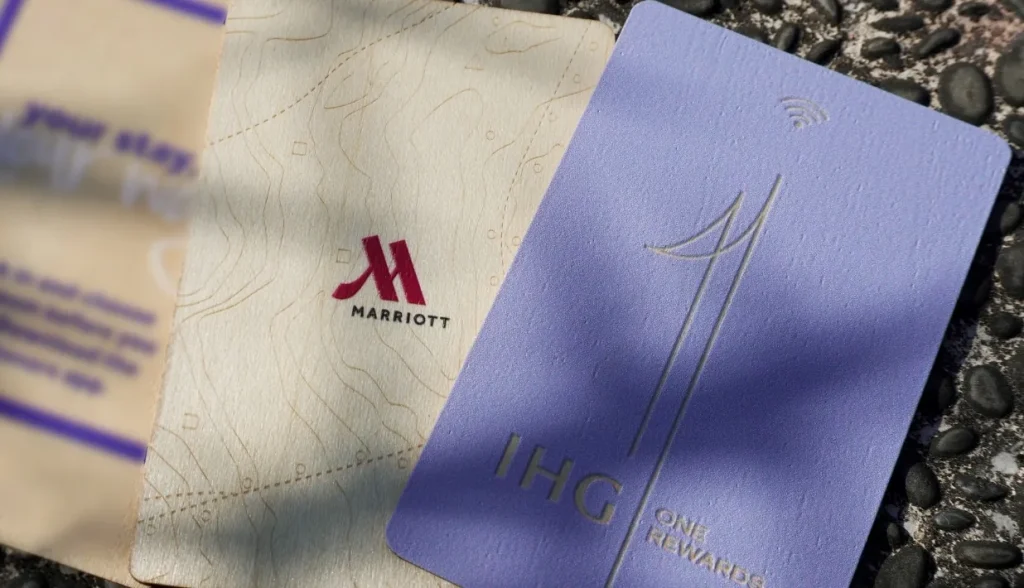
A key card is also a small but visible part of the hotel’s brand experience. Custom design, printing, and branding can turn a functional access card into a consistent part of the hotel’s overall guest experience.
How Hotel Key Cards Can Reduce Operating Costs
The right hotel key card can help reduce costs beyond the initial purchase price. Durable materials, reliable RFID technology, and system compatibility can lower replacement and labor costs over time.
Choosing Durable Card Materials
The card material affects how well a key card withstands daily use. PVC, PET, and other durable materials can offer different levels of durability compared with paper-based options.
A longer-lasting card can mean fewer replacements and lower ongoing card costs.
Choosing the Right RFID Technology
Hotels should choose an RFID technology that is compatible with their existing lock and access system, including the required frequency, chip, and encoding system.
Good compatibility helps avoid card failures, system issues, and unnecessary replacement costs.
Reducing Card Replacement
Durable materials, reliable chips, proper encoding, and system compatibility can all help reduce how often cards need to be replaced.
Fewer replacements mean lower card costs and less work for hotel staff.
Reducing Front Desk Labor
Every card failure or reissue requires additional staff time for troubleshooting and encoding.
By reducing these issues, reliable hotel key cards can mean less troubleshooting, fewer reissues, and lower front-desk workload.
Can Hotel Key Cards Help Generate Revenue?
A hotel key card is more than an access tool. With the right design and strategy, it can also support branding, promotions, and on-property revenue opportunities.
Hotel Branding and Promotional Opportunities
Hotels can use key cards to display their logo, brand message, seasonal promotions, resort activities, or restaurant offers.
This gives guests a simple, physical reminder of the hotel’s services and promotions throughout their stay.
Partner Advertising
Key cards can also provide space for selected partners, such as restaurants, local attractions, transportation services, and tourism businesses.
This can create additional promotional opportunities while providing useful information to guests.
Promoting On-Property Services
Hotels can use key card designs to highlight services such as spas, restaurants, bars, room service, and activities.
A well-designed card can encourage guests to discover and use more services during their stay.
Supporting Loyalty Programs
Key cards can also be integrated with loyalty programs, memberships, and VIP access, depending on the hotel’s access and guest management system.
How to Calculate the Total Cost of Hotel Key Cards
The total cost of hotel key cards includes more than the card purchase price. Hotels should also consider encoding, replacements, labor, and inventory costs.
Hotel Key Card Cost Formula
A simple way to estimate the total cost is:
Total Key Card Cost = Card Purchase Cost + Encoding Cost + Replacement Cost + Labor Cost + Inventory Cost
Hotels can also calculate the cost per guest stay:
Cost per Guest Stay = Total Annual Key Card Costs ÷ Annual Guest Stays
This gives hotels a clearer picture of how key cards affect their overall operating costs.
Example: Comparing Two Hotel Key Card Options
Consider a 200-room hotel that issues thousands of key cards each year. The hotel is comparing two options:
| Cost Factor | Option A: Low-Cost Card | Option B: More Durable RFID Card |
| Card purchase cost | Lower | Higher |
| Replacement frequency | Higher | Lower |
| Card failure rate | Higher | Lower |
| Staff time | More | Less |
| Total annual cost | Potentially higher | Potentially lower |
For example, if Option A costs less per card but requires more replacements and staff intervention, its total annual cost may exceed Option B.
The key takeaway: the card with the lower unit price may not always have the lower total cost. Hotels should evaluate key cards based on their full lifecycle cost, not just the purchase price.
RFID Hotel Key Cards and Their Business Value
RFID hotel key cards can add value beyond basic room access. Their contactless design, durability, and flexibility make them suitable for many modern hotel access systems.
What Makes RFID Hotel Key Cards Different?
RFID cards use contactless communication, so guests can access a compatible lock without physically swiping the card.
They can also offer good durability and support multiple access applications, depending on the hotel’s system and card technology.
RFID for More Than Room Access
An RFID hotel key card can potentially support access to multiple areas across a property:
Room → Elevator → Pool → Spa → Gym → VIP Area
This creates a one card, multiple hotel services experience, while allowing hotels to manage access based on guest permissions.
RFID vs. Traditional Magnetic Stripe Key Cards
| Feature | Magnetic Stripe | RFID |
| Contactless Access | No | Yes |
| Physical Swipe | Required | Not required |
| Durability | Generally lower | Generally higher |
| Guest Convenience | Basic | More convenient |
| Multiple Access Points | Limited | Supported by compatible systems |
| Branding | Yes | Yes |
| Modern Access Systems | More limited | Widely used |
However, RFID is not automatically the right choice for every hotel. The best technology depends on the hotel’s existing access system, operational requirements, and budget.
Conclusion: Look Beyond the Price of a Hotel Key Card
The cost of a hotel key card is more than its purchase price. Hotels should also consider reliability, durability, compatibility, staff workload, and replacement costs.
At the same time, a well-designed key card can support branding, promotions, guest engagement, and additional hotel services.
The right hotel key card can be a small investment with an impact across hotel operations and the guest experience.
Looking for custom hotel key cards for your property? RFIDCard.com provides customizable RFID hotel key cards with different chip, material, printing, and design options to meet different hotel access requirements.
Explore our RFID Hotel Key Cards, Hotel RFID Solutions, and Custom RFID Cards to find an option for your property.
FAQs
Are RFID hotel key cards better than magnetic stripe cards?
RFID hotel key cards can offer advantages in durability, convenience, and contactless access. However, the right choice depends on the hotel’s existing lock system and access requirements. Compatibility should always be confirmed before switching technologies.
Can hotel key cards be used for more than room access?
Yes. Depending on the access system, hotel key cards can support elevators, pools, spas, gyms, VIP areas, and other controlled facilities. This allows one card to support multiple access points across the property.
How can hotels reduce hotel key card costs?
Hotels can reduce key card costs by:
Choosing durable cards
Reducing unnecessary replacements
Ensuring system compatibility
Optimizing card inventory
Working with a reliable supplier
The goal is to reduce the total cost of ownership, rather than simply choosing the lowest-priced card.