
Introduction
In the automotive industry, the accuracy and completeness of vehicle maintenance records are paramount. These records not only serve as proof of a vehicle’s health but also act as critical documentation that impacts used car value and ensures warranty compliance. However, traditional paper service manuals or fragmented electronic records often face challenges such as susceptibility to loss, tampering, and inefficient retrieval.
With the maturation of IoT and Near Field Communication (NFC) technologies, a more secure and efficient solution is emerging: NFC-based digital service log systems. NFC automotive cards or tags, serving as a bridge between the physical and digital worlds, are revolutionizing how vehicle maintenance data is recorded, stored, and accessed.
This article delves into the operational principles of NFC auto cards, analyzes their revolutionary advantages in managing vehicle maintenance histories, and provides expert insights for automakers, large fleet managers, and professional service centers to guide their digital transformation.
Fundamentals of NFC Technology Application in Automotive Maintenance

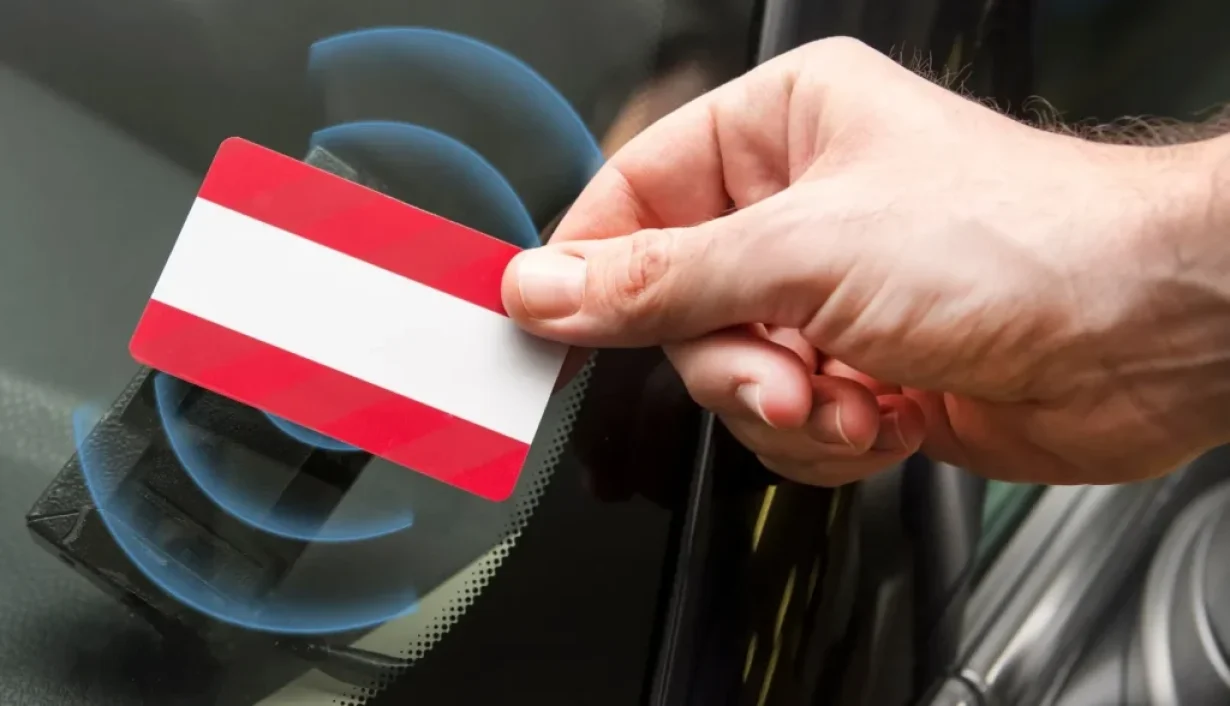
Near Field Communication (NFC) is a short-range, high-frequency wireless communication technology enabling contactless peer-to-peer data transfer between electronic devices. In the automotive maintenance field, NFC technology typically exists in two forms:
NFC Key Card: Similar to hotel key cards or access cards, it serves for vehicle access control while functioning as a digital identity credential.
NFC Tag/Sticker: Embedded in critical vehicle components (such as the engine compartment, inside door panels, or service manuals), they store or link to specific maintenance data.
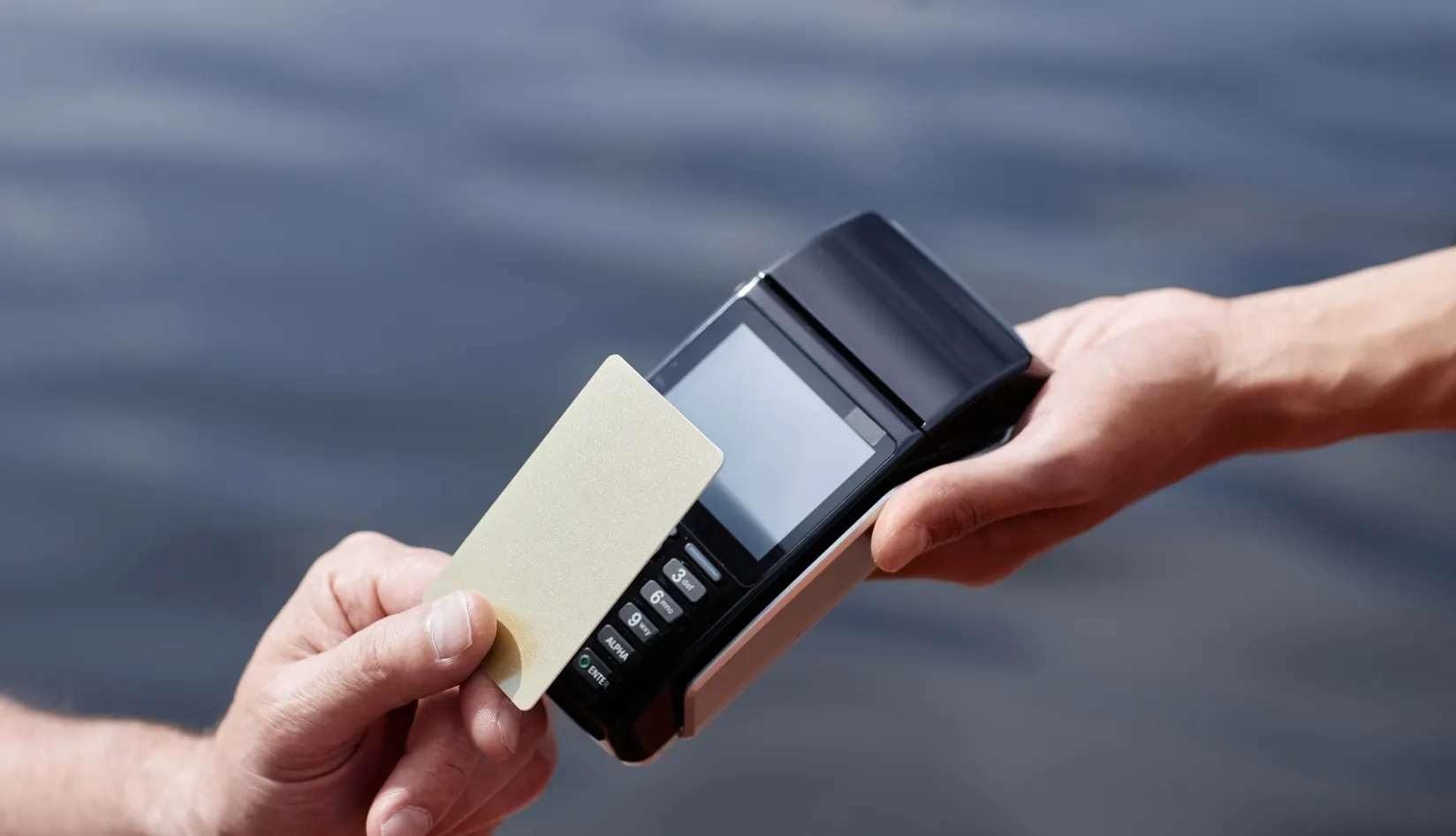
When service technicians tap these cards or tags with a compatible smartphone or dedicated NFC reader, they gain instant access to or securely write vehicle maintenance data. This process eliminates the need for complex pairing or network connections, significantly enhancing operational convenience.
The Revolutionary Advantages of NFC Digital Service Logs

Digital service logs enabled by NFC technology offer advantages far surpassing traditional recording methods, demonstrating unparalleled superiority, particularly in data integrity, traceability, and operational efficiency.
Data Integrity and Tamper Resistance
Traditional paper records are highly susceptible to forgery or loss. In contrast, NFC digital logging systems—especially when integrated with blockchain or cloud databases—ensure that once maintenance records are written, they cannot be altered.
Expert Insight: “By securely storing maintenance data within encrypted NFC chips or linked cloud databases, unauthorized modifications are effectively prevented. This provides an authentic and trustworthy historical record throughout a vehicle’s entire lifecycle.”
Enhanced Operational Efficiency and Traceability
For large fleets or high-traffic service centers, rapid and accurate access to vehicle history data is crucial for improving efficiency.
Instant Access: Technicians can retrieve complete service histories within seconds by simply tapping an NFC card or tag, eliminating manual file searches or complex system queries.
Precise Documentation: Each service operation’s time, location, technician, and replaced parts are precisely recorded and linked to a unique NFC identifier, enabling end-to-end traceability.
Enhancing Used Vehicle Value and Customer Trust
For consumers and the used car market, transparent and verifiable maintenance histories are critical factors determining vehicle value.
Value Assurance: Vehicles with complete, tamper-proof digital service logs typically command higher market value than comparable vehicles with incomplete records.
Trust Building: Customers can personally verify a vehicle’s service history through a simple NFC read operation, significantly strengthening trust in the brand and service.
Comparative Analysis of NFC Digital Logs and Traditional Methods
To more clearly demonstrate the advantages of NFC Digital Service Logs, the table below provides a professional comparison of three primary maintenance record methods:
| Features | Traditional Paper Logbook | Basic Digital Log | NFC Digital Service Log |
| Data Security | Very Low (Prone to loss, tampering) | Moderate (Dependent on system security) | High (Encrypted storage, tamper-proof) |
| Access Convenience | Low (Requires physical retrieval) | Moderate (Requires system login) | Very High (Contactless, instant access) |
| Traceability | Low (Signatures easily forged) | Medium (Dependent on manual input) | High (Automatically records time, location, operator) |
| Record Integrity | Low (Prone to omissions or inaccuracies) | Medium (Dependent on manual standards) | High (mandatory, structured data input) |
| Cost-Effectiveness | Low (high manual management costs) | Medium (system maintenance costs) | High (reduces errors, improves efficiency) |
| B2B Applicability | Extremely low (unsuitable for fleet management) | Medium (suitable for small fleets) | Extremely high (large-scale, high-efficiency data management) |
NFC Digital Service Logs offer overwhelming advantages in security, convenience, and traceability, establishing them as the future standard for vehicle maintenance management.
Application Cases of NFC Digital Service Logs

NFC automotive cards and tags have demonstrated significant effectiveness across multiple industries and scenarios. The following application cases illustrate how this technology creates value for B2B clients:
Case 1: Fleet Management for Luxury Brand Hotels
Background: A renowned hotel brand operates a fleet of luxury sedans and business vehicles for guest transportation. The maintenance status of these vehicles directly impacts customer experience and brand reputation. Traditional maintenance logging struggles with real-time tracking and is prone to omissions during handover processes.
NFC Solution:
Deployment: Each vehicle is equipped with a customized NFC car card and required to install NFC tags at critical maintenance points (e.g., tires, engine).
Process: During cleaning, refueling, or servicing, attendants use handheld devices to tap NFC cards/tags, logging operation details, timestamps, and operator IDs.
Outcomes: Fleet managers gain real-time access to each vehicle’s “digital health record,” ensuring optimal condition. This significantly streamlines handover and audit processes while boosting operational efficiency.
Case Study 2: Asset Management for a Large Car Rental Company
Background: A major car rental company operates thousands of vehicles, facing core challenges in rapid vehicle turnover and accurate asset status tracking. With vehicles rented and returned across multiple locations, synchronizing and verifying maintenance histories is time-consuming and prone to errors.
NFC Solution:
Deployment: Each rental vehicle is embedded with a high-durability NFC tag linked to the company’s central asset management system.
Process: Upon vehicle return, staff simply tap the NFC tag to instantly retrieve rental history, accident reports, and last maintenance records. New inspection results are immediately recorded, ensuring real-time data updates.
Results: Vehicle check-in/check-out inspection times were reduced by an average of 40%. Additionally, transparent maintenance histories enabled the company to secure higher resale premiums when disposing of vehicles.
Case 3: After-Sales Service Process Optimization at Automotive Dealerships
Background: Automotive dealership service departments handle a high volume of customer vehicles daily. Traditional workflows rely on paper tickets and manual data entry, resulting in long customer wait times and being prone to service record errors.
NFC Solution:
Deployment: Customer vehicles are issued an NFC service card linked to the customer profile and vehicle VIN.
Process: Upon entering the workshop, technicians activate electronic work orders using the NFC card. After replacing parts or completing specific maintenance steps, technicians tap the NFC tag to confirm actions, automatically logging timestamps and operation details.
Outcomes: Customers track service progress in real-time via mobile apps. Automated records significantly reduce manual errors, enhance customer satisfaction, and ensure accuracy in warranty claim processing.
Conclusion
NFC automotive cards and tags are emerging as the new standard for vehicle maintenance records. This technology not only addresses the inherent limitations of traditional paper-based documentation but also delivers unprecedented efficiency gains and a foundation of trust for the automotive industry. For any enterprise seeking to optimize operations, enhance customer satisfaction, and strengthen product competitiveness, adopting an NFC digital service log system is now imperative.
RFIDCard stands as your trusted partner, ready to deliver high-quality, customizable NFC hardware solutions. We cordially invite automotive manufacturers, fleet management companies, and global distributors to connect with us and explore how our industry-leading products can integrate into your digital transformation strategy.
Contact us today to launch your NFC digital service log initiative and ensure your vehicle maintenance history is recorded more securely and intelligently.
Recommended Product

BioPoly™ Stone Sheraton Key Card

Exclusively designed for Sheraton, the BioPoly™ Stone RFID key card combines sustainability, durability, and modern design. Crafted from eco-friendly materials, it seamlessly integrates with Sheraton’s locking systems, ensuring secure, effortless access for your guests. Choose BioPoly™ Stone for a stylish, reliable, and environmentally conscious solution that aligns perfectly with your brand’s commitment to luxury and sustainability.