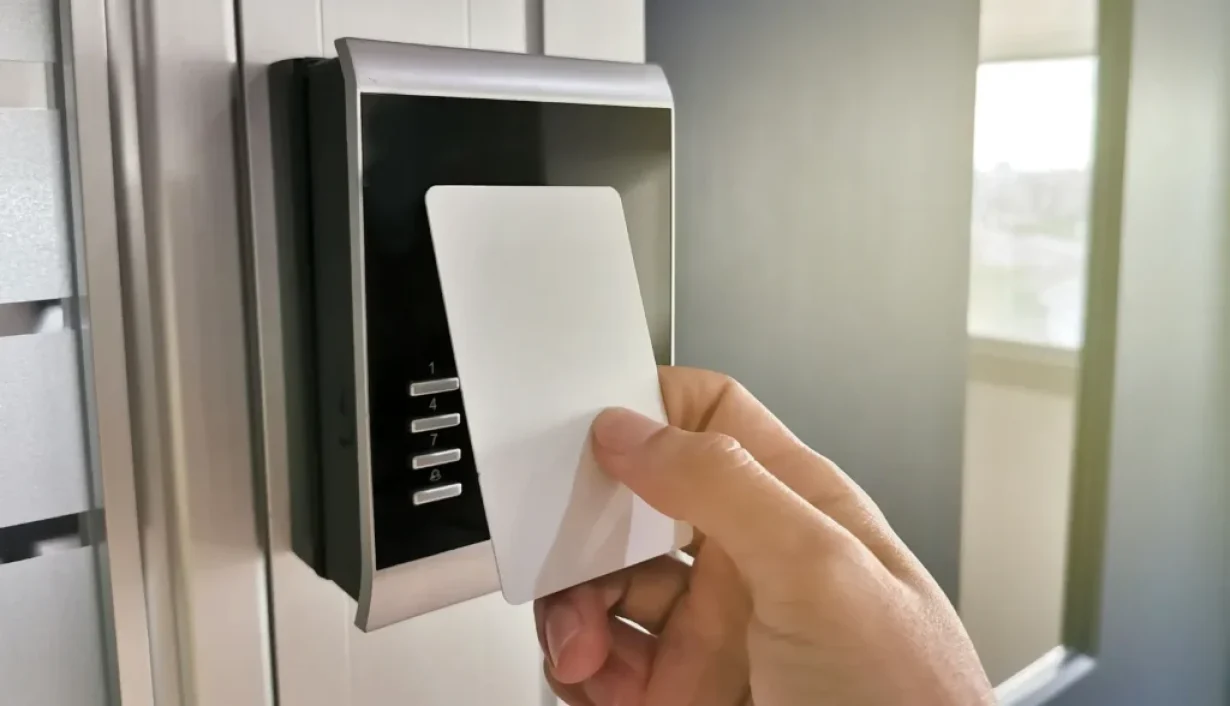

As organizations grow increasingly concerned about safety and efficiency, the tools that secure our environments must evolve. From traditional mechanical keys and magnetic stripe cards to digital identity systems, access control has undergone a dramatic transformation. Among the most impactful innovations driving this evolution is the passive RFID card. Unlike older access methods that rely on physical contact or manual verification, passive RFID cards enable seamless, secure, and contactless identification—reshaping how companies, institutions, and public facilities manage entry and authentication. Their adoption marks a decisive shift toward smarter, more integrated, and user-friendly access control solutions.
1. What Is a Passive RFID Card?

A passive RFID card is a contactless identification device that uses radio-frequency identification (RFID) technology to communicate with a reader. Unlike active RFID tags, which contain an internal battery, passive RFID cards are powered solely by the electromagnetic field emitted by the reader. This means they require no internal power source, making them lighter, more durable, and virtually maintenance-free. The working principle is elegantly simple yet highly effective: the RFID reader sends out electromagnetic waves, and upon receiving sufficient energy, the passive RFID card reflects a modulated signal back to the reader, carrying its stored data. This contactless communication allows for quick and efficient identification without physical contact, making it ideal for high-throughput access points.
Each card consists of three core components:
Microchip (IC) – stores identifying data and security credentials.
Antenna – captures and transmits radio signals between the card and the reader.
Card body – the physical housing, typically made of PVC or composite material, which protects the embedded components.
2. Why Passive RFID Cards Are Ideal for Access Control Systems
Passive RFID cards offer several compelling advantages that make them an ideal choice for modern access control systems, primarily revolving around high security, convenience, efficiency, and cost-effectiveness.

2.1 High Security and Data Protection
Security lies at the heart of every access control system, and passive RFID cards are designed to meet this demand. Each card contains a unique UID (Unique Identifier), which makes duplication extremely difficult. This unique identifier ensures that only authorized users can gain access, significantly reducing the risk of cloning or fraud. Moreover, passive RFID cards can be easily integrated with access management databases. This integration allows for real-time authorization, meaning administrators can instantly update, revoke, or grant permissions as needed. Whether it’s deactivating a lost card or tracking entry logs for audit purposes, the system ensures that every movement is accounted for.
2.2 Convenience and Efficiency
The contactless nature of passive RFID cards significantly enhances convenience and efficiency in access control. Users can simply tap or wave their card near a reader, enabling rapid identification and faster entry into buildings, rooms, or restricted areas. This is a stark contrast to traditional key-based systems, which often require precise alignment and can be cumbersome. For large-scale environments such as university campuses, corporate offices, or public transportation hubs, the ability of RFID systems to support bulk reading is a game-changer. This means multiple cards can be read almost simultaneously, reducing bottlenecks and improving throughput during peak hours. The speed and ease of use contribute to a smoother flow of people, enhancing overall operational efficiency.
2.3 Cost-Effectiveness and Maintenance-Free Design
Another major advantage of passive RFID cards is their cost-effectiveness. Since they operate without a battery, these cards require minimal maintenance and have a long operational lifespan—often exceeding ten years under normal use. For large organizations deploying thousands of cards, this translates into significant savings in both maintenance costs and system downtime. Furthermore, passive RFID technology is compatible with existing infrastructure in most access control systems. Companies can upgrade from older card types to passive RFID without needing a complete overhaul, making the transition both affordable and practical.
3. Real-World Applications of Passive RFID Cards in Access Control
The versatility and reliability of passive RFID cards have led to their widespread adoption across diverse sectors, revolutionizing access control in numerous real-world applications.

3.1 Corporate Buildings
In modern corporate environments, passive RFID cards are the backbone of employee identification and access control. They regulate entry to restricted departments, meeting rooms, and even parking facilities. Integration with visitor management systems also allows temporary access credentials for guests, ensuring a secure yet flexible workplace.
3.2 Edcational Institutions
Universities and schools utilize passive RFID cards as student ID cards, granting access to dormitories, classrooms, libraries, and recreational facilities. This not only enhances security but also simplifies administrative tasks.
3.3 Hotels and Resorts
Modern hotels have largely replaced traditional key cards with passive RFID room keys. These cards enhance guest convenience by offering contactless entry and can be easily reprogrammed or deactivated, improving security and operational flexibility.
3.4 Healthcare Facilities
In healthcare settings, RFID cards are crucial for staff identification and controlling access to sensitive areas such as operating theaters, pharmacies, and patient records rooms. They help maintain compliance with privacy regulations and ensure patient safety.
3.5 Public Transportation and Parking Systems
In public infrastructure, passive RFID cards power contactless ticketing and parking access. Passengers can tap their cards to board trains, buses, or access parking lots, reducing waiting times and improving overall traffic flow. The technology’s speed and reliability make it an essential component of modern smart city systems.
4. Enhancing Security with Passive RFID Systems
The effectiveness of passive RFID-based access control lies in its ability to combine multiple layers of protection. Beyond the card’s unique UID, advanced systems implement encrypted communication between cards and readers, preventing interception or data tampering. Integration with backend servers or cloud platforms further strengthens security. Administrators can monitor access activity in real time, receive instant alerts for suspicious events, and analyze entry patterns for improved risk management. Additionally, passive RFID systems can enforce hierarchical access permissions, ensuring that only authorized personnel can enter certain areas. When paired with biometric verification—such as fingerprint or facial recognition—these systems deliver robust multi-factor authentication, minimizing the possibility of human error or credential misuse.
5. Conclusion
The evolution of access control reflects a broader transformation toward intelligent, connected systems that prioritize both security and convenience. The passive RFID card embodies these qualities perfectly—offering reliable identification, robust data protection, and maintenance-free performance. From corporate offices to hospitals, universities, and public transport systems, its applications demonstrate remarkable flexibility and scalability.
Recommended Product
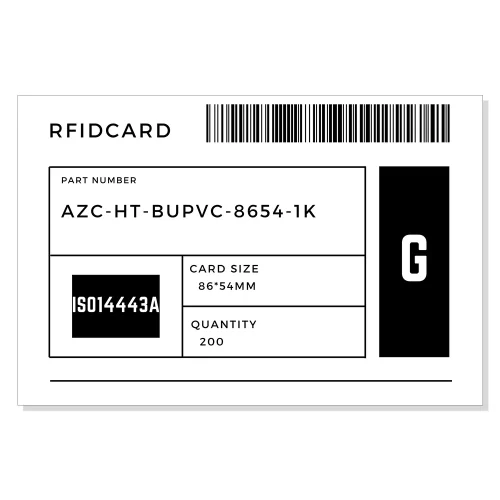
Hotel Key Card

Our ColorEdge™ card is designed to deliver a premium experience beyond traditional white PVC cards. Made with advanced ColorEdge™ material, it provides reliable room access while enhancing the visual appeal with a refined, stylish finish. Combining functionality, durability, and elegant design, this card helps hotels create a more memorable guest experience while reflecting a modern and sophisticated brand image.