

Ticket fraud and pass sharing not only reduce resort revenue but also create operational challenges. A single season pass shared among multiple users can be difficult to detect, especially during busy periods when resorts need to process large volumes of visitors quickly.
To address these challenges, ski resorts are increasingly adopting RFID ski pass systems as a smarter and more secure access management solution. In this article, we will explore how RFID ski pass systems help protect ski resorts from ticket fraud and pass sharing, and what RFID components are needed to build a secure and reliable access control system.
How RFID Ski Pass Systems Work
RFID ski pass systems combine RFID cards or wristbands, RFID readers, and backend management software to create a secure and efficient access control process. When a guest enters a ski lift area, the RFID system can automatically identify the pass, verify access permissions, and record usage data in real time.
Unlike traditional tickets that rely on visual inspection or manual scanning, RFID technology enables contactless identification and helps ski resorts manage access more accurately and efficiently.
RFID Ski Passes Store Unique Digital IDs
At the core of an RFID ski pass is an embedded RFID chip that contains a unique identification number. Each pass has a different digital ID, allowing ski resorts to distinguish one pass from another.
The RFID ID is linked with authorized user information in the resort’s backend system, such as ticket type, validity period, and account details. When a guest uses the pass, the system can verify whether the RFID ski pass matches the authorized user and whether the access permission is still valid.
This unique identification mechanism makes it much harder for unauthorized users to use copied, expired, or invalid passes.
RFID Readers Enable Fast and Contactless Verification
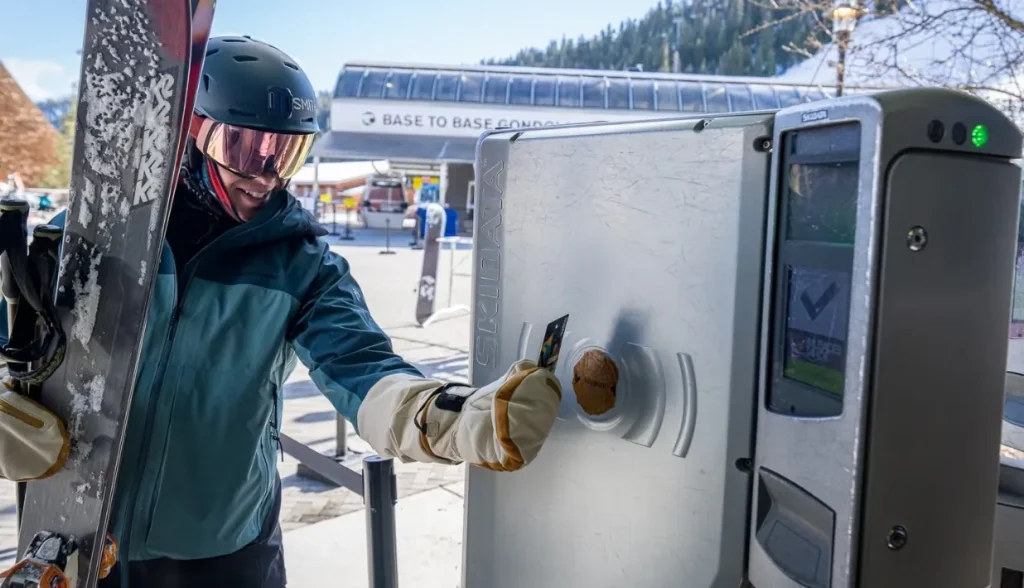
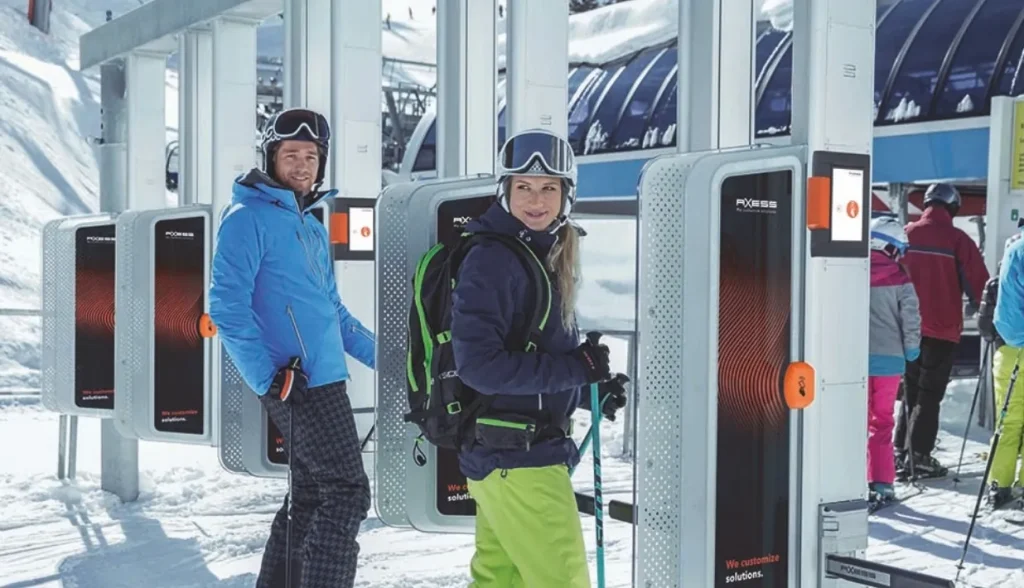
RFID readers installed at ski lift gates automatically scan RFID ski passes when guests enter restricted areas. Users only need to bring their card or wristband close to the reader, without manually showing tickets or scanning barcodes.
The reader communicates with the backend system to quickly confirm:
- whether the pass is valid;
- whether the user has access permission;
- whether the pass has been reported as blocked or expired.
This real-time verification process reduces waiting times, improves visitor flow, and allows ski resorts to provide a smoother guest experience during peak seasons.
Backend Software Collects and Analyzes Access Data
Behind the RFID access system is backend management software that stores and analyzes pass usage information. Every access event can be recorded, helping resorts gain better visibility into visitor activity.
The system can:
- Record entry times and access locations;
- Track pass usage history;
- Identify unusual access patterns;
- Manage blocked, expired, or unauthorized passes.
By analyzing this data, ski resorts can quickly detect suspicious activity and take action before ticket fraud or pass sharing causes significant losses.
How RFID Prevents Ticket Fraud and Pass Sharing
RFID ski pass systems help ski resorts reduce ticket fraud and unauthorized pass sharing by combining unique identification, real-time verification, and secure data management. Instead of relying only on visual ticket checks, RFID enables resorts to verify whether each pass belongs to an authorized user before granting access.
Unique RFID IDs Prevent Unauthorized Pass Transfer
Each RFID ski pass contains a unique identification number that distinguishes it from every other pass. This digital ID is connected with the customer account and access permissions stored in the resort’s backend system.
The verification process works as follows:
RFID UID → Customer Account → Authorized Access
When a guest uses an RFID ski pass at a lift gate, the system checks whether the pass matches the registered account and whether the access rights are still valid.
If someone else attempts to use the pass, the system can identify potential issues such as:
- Identity mismatch between the pass and registered user;
- Unusual usage behavior;
- Invalid or unauthorized access attempts.
Based on these signals, the system can take actions such as denying access or flagging the activity for further review.
Real-Time Validation Stops Multiple Users from Sharing One Pass
One of the biggest challenges for ski resorts is season pass sharing. A single pass purchased by one customer may be shared with friends or family members, causing revenue losses and making access management more difficult.
RFID systems help address this issue through real-time access validation. Every time a pass is scanned, the system records when and where the access occurs.
For example, if a season pass is used at one ski lift in the morning and appears at a different location shortly afterward under suspicious circumstances, the system can identify this unusual pattern and trigger further investigation.
By monitoring access behavior, resorts can detect potential pass sharing more efficiently than manual ticket inspection.
Advanced Technologies Enhance RFID Ski Pass Security
For resorts that require higher levels of security, RFID ski pass systems can be integrated with additional verification technologies.
Examples include:
- Photo verification: Linking a user profile photo with a ski pass to help staff confirm the pass holder’s identity.
- Facial recognition integration: Using cameras and biometric verification technologies to identify unauthorized users.
- Suspicious behavior alerts: Automatically notifying resort staff when unusual access patterns are detected.
These additional technologies provide another layer of protection, especially for large ski resorts managing thousands of season pass holders.
RFID Encryption Improves Data Protection
Security is not only about identifying users but also protecting the data exchanged between RFID components and management systems.
Modern RFID ski pass solutions can use secure communication methods and encryption technologies to protect sensitive information.
Security measures may include:
- Encrypted communication between RFID cards and readers;
- Secure backend data management;
- Protection against unauthorized data access or copying attempts.
By combining secure RFID technology with proper system management, ski resorts can build a more reliable ticketing and access control environment.
What RFID Components Do Ski Resorts Need?
A complete RFID ski pass solution typically includes RFID cards, wristbands, readers, and management software. Each component helps ski resorts improve access security, speed up guest entry, and manage visitor data more efficiently.
RFID Ski Pass Cards
RFID ski pass cards provide guests with a secure and personalized access credential. Each card contains a unique RFID ID that can be linked to user accounts and verified at ski lift gates.
Key advantages:
- Customizable with resort logos, branding, and designs;
- Durable for frequent outdoor use;
- Available in sustainable materials for cold-weather environments.
Recommended for:
- Season passes;
- Employee access cards;
- Membership cards.
Material options:
- PVC RFID Cards: A cost-effective and widely used option for ski passes.
- BioPoly™ Stone RFID Cards: A sustainable choice with excellent low-temperature durability, helping reduce the risk of cracking or performance issues in harsh winter environments.
RFID Wristbands for Flexible Resort Access
RFID wristbands offer a convenient hands-free access solution for visitors who prefer wearable credentials.
Key advantages:
- Waterproof and durable for outdoor activities;
- Easy to wear during skiing and other resort activities;
- Suitable for temporary or personalized access management.
Recommended for:
- Children;
- VIP guests;
- Rental customers;
- Temporary visitors.
RFID Readers and Access Control Software
RFID readers and management platforms complete the ski resort access control system by verifying passes and managing visitor information.
Key advantages:
- Fast and contactless pass verification;
- Real-time access authorization;
- Centralized management of user data and access records.
Includes:
- RFID gate readers;
- Access control terminals;
- Backend management platforms.
Key Factors to Consider When Choosing an RFID Ski Pass Solution
Choosing the right RFID ski pass solution helps ski resorts ensure reliable access control, improve guest experience, and maintain long-term system performance.
Durability in Cold and Outdoor Environments
RFID ski passes need to perform reliably in harsh winter conditions.
Consider:
- Resistance to snow, moisture, and low temperatures;
- Durable materials for frequent daily use;
- Stable RFID performance throughout the ski season.
RFID Frequency and Compatibility
The RFID technology should match the resort’s existing access control system.
Key considerations:
- 13.56 MHz HF RFID technology;
- Compatibility with RFID readers and software;
- Compliance with relevant ISO standards.
Integration with Existing Resort Systems
A complete RFID ski pass solution should integrate smoothly with existing resort operations.
It should support:
- Ticketing systems;
- Payment systems;
- Visitor management platforms.
RFID ski pass solutions provide ski resorts with a smarter way to secure access, prevent ticket fraud, and improve the guest experience. By using RFID cards, wristbands, and access control systems, resorts can reduce pass sharing, minimize revenue loss, and manage visitor access more efficiently.
FAQs
1. Can RFID ski passes be copied?
RFID ski passes are designed with unique identification numbers and secure communication features to reduce unauthorized use. When linked with a user account and access control system, resorts can verify whether a pass belongs to the authorized user and detect suspicious activity.
2. What type of RFID technology is used for ski passes?
Most ski pass systems use 13.56 MHz HF RFID technology because it provides reliable short-range communication, fast identification, and compatibility with access control applications. RFID solutions should also follow relevant ISO standards to ensure system compatibility.
3. Are RFID ski passes suitable for cold weather environments?
Yes. RFID ski passes can be designed for outdoor winter environments. Durable materials and proper manufacturing help cards and wristbands withstand snow, moisture, and low temperatures while maintaining reliable RFID performance.
4. How much can RFID reduce ski ticket fraud?
The reduction depends on the resort’s system design and security measures. By using unique RFID identification, real-time verification, and access monitoring, RFID helps reduce unauthorized pass usage, ticket sharing, and fraudulent access.
Recommended Products

RFID Card CR80 MIFARE® DESFire® EV2 2K

The MIFARE® DESFire® EV2 2K RFID card is a secure, high-capacity contactless smart card ideal for various applications like access control, transportation, and payment systems. It features 2KB of integrated memory, advanced encryption standards for security, and is compatible with existing MIFARE® systems. The EV2 version enhances data protection and transaction speed, making it a reliable and efficient choice for modern RFID solutions.