


The hospitality industry is undergoing a significant transformation as sustainability becomes a core value for modern travelers. Hotels are increasingly moving away from traditional plastic access solutions in favor of eco-friendly alternatives that enhance both branding and guest experience. One of the most impactful changes a property can make is the adoption of RFID wooden key cards. These sustainable tools not only reduce plastic waste but also serve as a premium first touchpoint for guests, signaling a commitment to environmental responsibility from the moment they check in.
What Are Wooden RFID Key Cards?
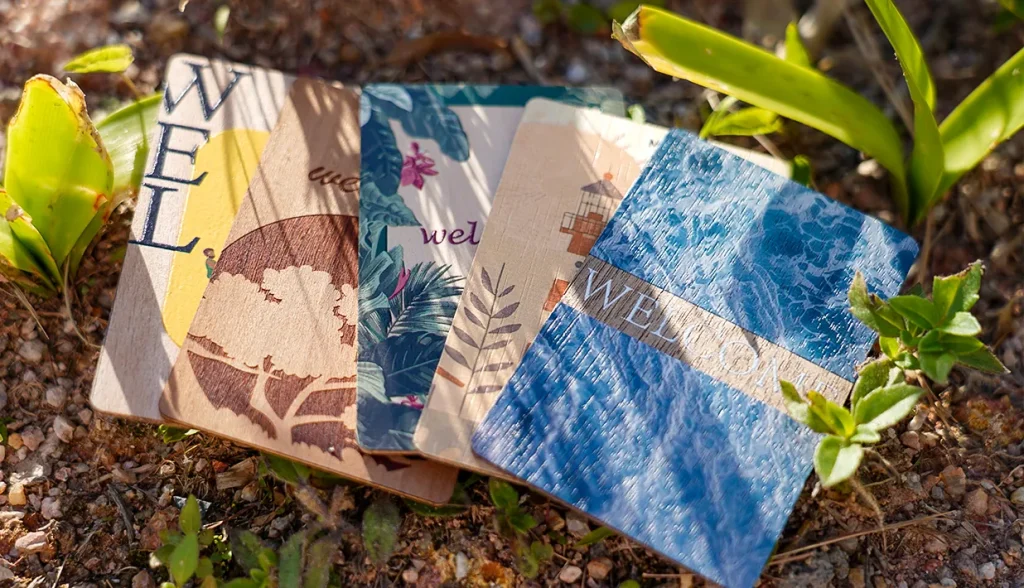
At a glance, they look like thin pieces of real wood. Internally, they function exactly like standard RFID hotel cards.
A typical construction includes:
- A real wood veneer surface (bamboo, maple, walnut, birch, etc.)
- A PVC or composite core layer that houses the RFID inlay
- A 13.56 MHz RFID chip and antenna
- A protective finish for moisture and wear resistance
These cards are designed to work with mainstream hotel lock ecosystems from:
- ASSA ABLOY Hospitality
- Dormakaba
- Onity
- Salto Systems
From the lock’s perspective, nothing changes. From the guest’s perspective, everything changes.
Step 1 — Check RFID Chip Compatibility with Your Hotel Lock System
This is the most critical technical step.
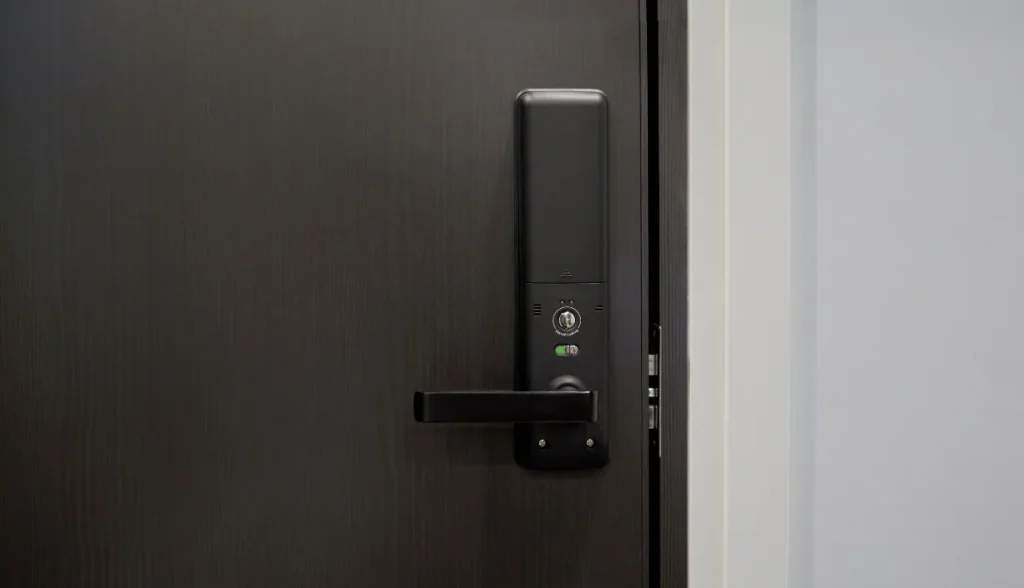
Most hotel locks operate at 13.56 MHz (HF/NFC) and rely on secure chips from NXP Semiconductors such as the MIFARE family. Your wooden cards must use the exact chip type and data structure required by your lock encoder.
Verify:
- Required chip model (e.g., MIFARE Classic, Ultralight, DESFire)
- Memory structure and sector configuration
- Encryption/authentication requirements
- Encoding software compatibility at the front desk
Step 2 — Evaluate Wood Material and Card Structure
The choice of wood material is not just an aesthetic decision; it directly impacts the card’s durability and the message your brand sends to guests. Different wood veneers offer unique textures, colors, and structural properties:
- Bamboo: It is naturally resilient and has a distinct, light-colored grain that works well with laser engraving.
- Maple: It is exceptionally durable and provides a clean canvas for detailed UV printing or intricate logos.
- Walnut: For luxury resorts and boutique hotels, walnut provides a rich, dark, and sophisticated appearance. Its premium feel immediately elevates the guest’s perception of the property.
- Birch: A versatile and cost-effective option, birch has a fine grain and a light tone, making it suitable for a wide range of branding styles.

Beyond the wood type, you must consider the lamination structure. High-quality wooden RFID key cards are not just a single piece of wood; they are a sandwich of veneer and a protective core. This structure prevents the wood from warping due to humidity and protects the delicate RFID antenna from damage during daily use.
Step 3 — Printing, Engraving, and Branding Options
One of the greatest advantages of wooden cards is the variety of branding techniques available. Unlike plastic, wood reacts beautifully to both heat and ink, allowing for a level of customization that feels artisanal rather than mass-produced.
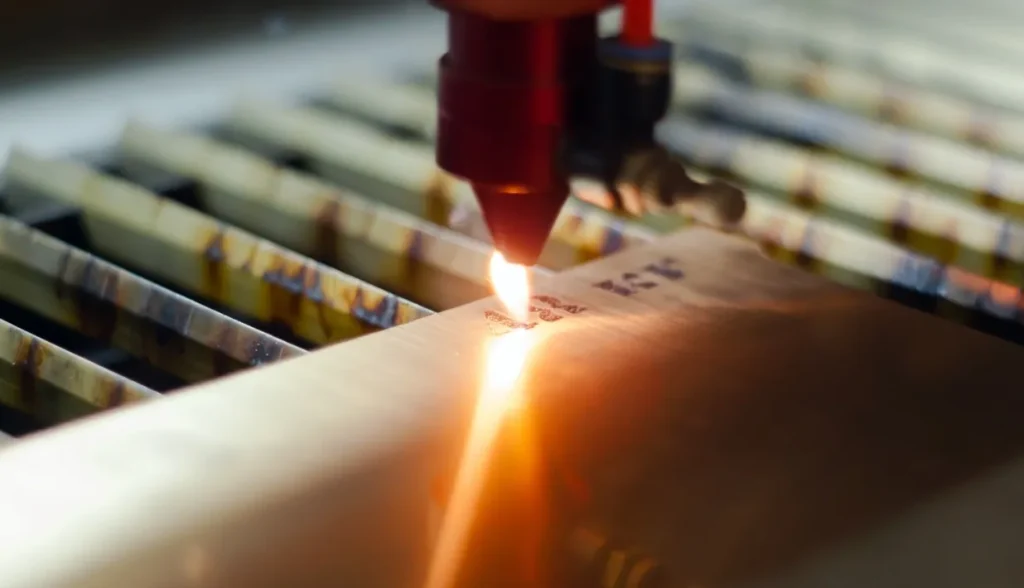
Laser Engraving is perhaps the most popular method for wooden cards. The laser burns the design into the wood, creating a permanent, tactile, and high-contrast look. This method is perfect for logos and text, as it emphasizes the natural material and will never fade or peel over time.
UV Printing, on the other hand, allows for full-color graphics. This is ideal for hotels that want to maintain specific brand colors or include detailed imagery, such as a landscape photo of the resort. High-quality UV inks are cured instantly with ultraviolet light, making them resistant to scratches and moisture.
Furthermore, because every piece of wood has a unique grain pattern, no two cards are exactly alike. This “natural variation” adds an element of exclusivity to the guest experience. Hotels can also opt for custom features like QR codes on the back for digital concierge services or engraved room numbers for a classic touch.
Step 4 — Durability for Daily Hotel Use
A common concern among hoteliers is “Will wooden cards break easily?”. While wood is a natural material, modern manufacturing techniques have made wooden RFID key cards remarkably durable.
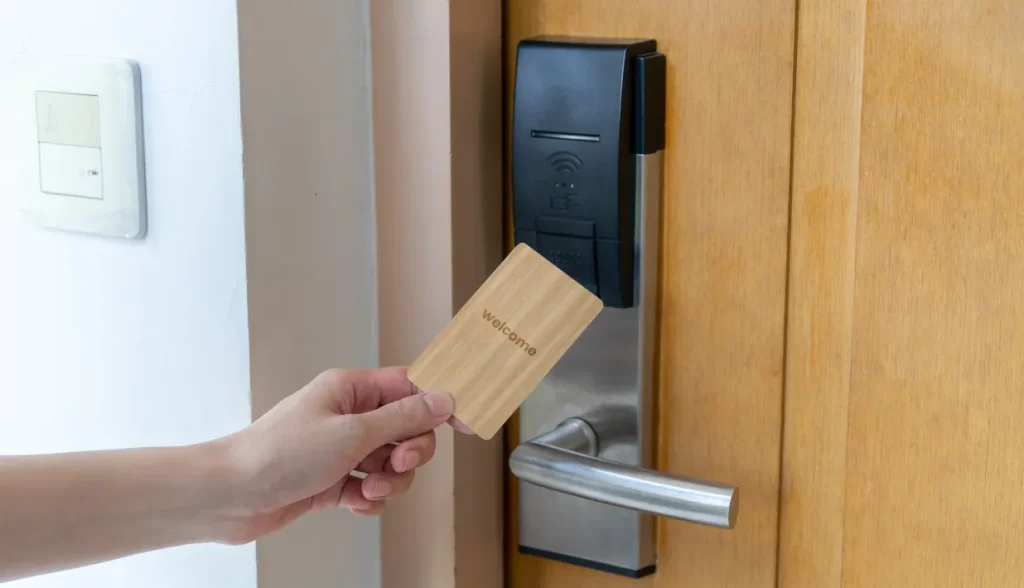
During production, these cards undergo rigorous testing for drop resistance, bending, and humidity exposure. A high-quality protective coating is applied to the surface, which seals the wood against moisture and oils from skin contact. This ensures that the cards do not warp if they get slightly wet or crack if they are kept in a guest’s pocket.
While the expected lifespan of a wooden card may be slightly shorter than a high-grade PVC card if subjected to extreme abuse, they are more than capable of lasting through multiple guest stays. In fact, many hotels find that guests are more likely to treat wooden cards with care because they feel like a premium item rather than a disposable piece of plastic.
Step 5 — Sustainability and Environmental Certifications
To ensure your cards are truly eco-friendly, look for FSC-certified wood (Forest Stewardship Council). This certification guarantees that the wood is sourced from responsibly managed forests that provide environmental, social, and economic benefits.
| Metric | PVC Cards | Wooden RFID Cards |
| Material Source | Petroleum-based | Renewable Timber/Bamboo |
| Biodegradability | Non-biodegradable | High (Wood components) |
| Carbon Footprint | High production energy | Low (Sequesters carbon) |
| Guest Perception | Disposable/Cheap | Premium/Eco-conscious |
By choosing certified materials, hotels can authentically market their commitment to sustainability, which is a powerful tool for attracting the growing demographic of “green” travelers.
Guest Experience and Brand Perception
The key card is often the first physical object a guest interacts with after checking in. It is a “micro-moment” that sets the tone for the rest of their stay. Holding a smooth and naturally textured wooden card creates an immediate sensory connection that plastic simply cannot replicate.
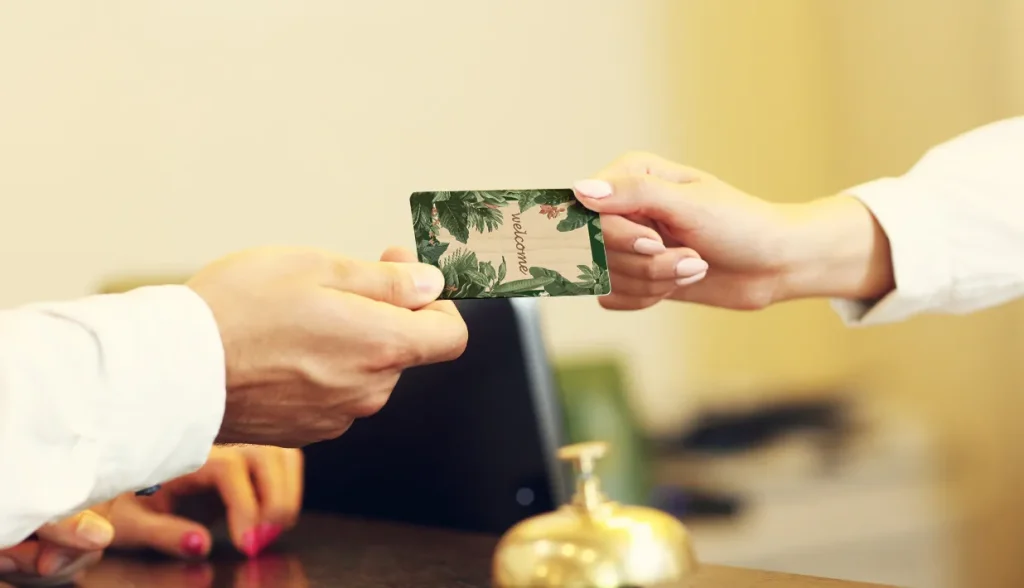
For resorts, green hotels, and boutique properties, this natural aesthetic aligns perfectly with a brand identity focused on wellness, nature, or luxury. It transforms a functional tool into a keepsake. In many cases, guests are so impressed by the wooden cards that they take them home as souvenirs, which provides ongoing brand exposure long after they have checked out.
Cost Considerations and ROI
While the unit cost of a wooden card is typically higher than that of a standard plastic card, the return on investment (ROI) should be viewed through a broader lens. The marketing value and the boost to brand perception often far outweigh the incremental cost per card.

Additionally, many hotels find that using wooden cards reduces “brand waste.” Guests are less likely to lose or carelessly discard a premium-feeling wooden card compared to a flimsy plastic one. When combined with the marketing benefits of being an “eco-friendly” property, the slight increase in operational cost becomes a justifiable investment in the hotel’s long-term brand equity.
Work with an Experienced RFID Wooden Card Manufacturer
Choosing the right partner is the most important thing. A manufacturer must understand both the aesthetic requirements of wood and the technical complexities of RFID technology.

RFIDCard is a leading provider that specializes in high-quality RFID cards. We offer comprehensive support, from initial chip testing to ensure compatibility with your lock system to providing samples for on-site verification before mass production.
Conclusion
Switching to wooden access solutions is a powerful way to modernize your hotel while respecting the environment. The shift towards sustainable key cards reflects a commitment to quality and a forward – thinking approach to hospitality that yields dividends in guest loyalty and brand prestige.
FAQs
1. Are wooden RFID key cards waterproof?
They are water-resistant due to protective coatings and sealed lamination, suitable for normal hotel environments.
2. Do wooden key cards work with all hotel locks?
Yes, if the correct RFID chip and encoding format are used for your specific lock system.
3. How long do wooden RFID cards last?
Comparable to plastic cards when properly manufactured, typically hundreds of uses.
4. Can wooden cards be customized with logos and room numbers?
Yes, via laser engraving and UV printing.
Recommended Product

Wooden Generic Hotel Key Card

The NXP MIFARE Ultralight® C and NXP MIFARE Ultralight® AES RFID Hotel cards fully comply with ISO14443-A. The Key cards are made with Wooden in the size of CR80.
IMPORTANT NOTICE: All MIFARE Ultralight® AES cards supplied on this site is factory default (non-encrypted) version.



