
Introduction
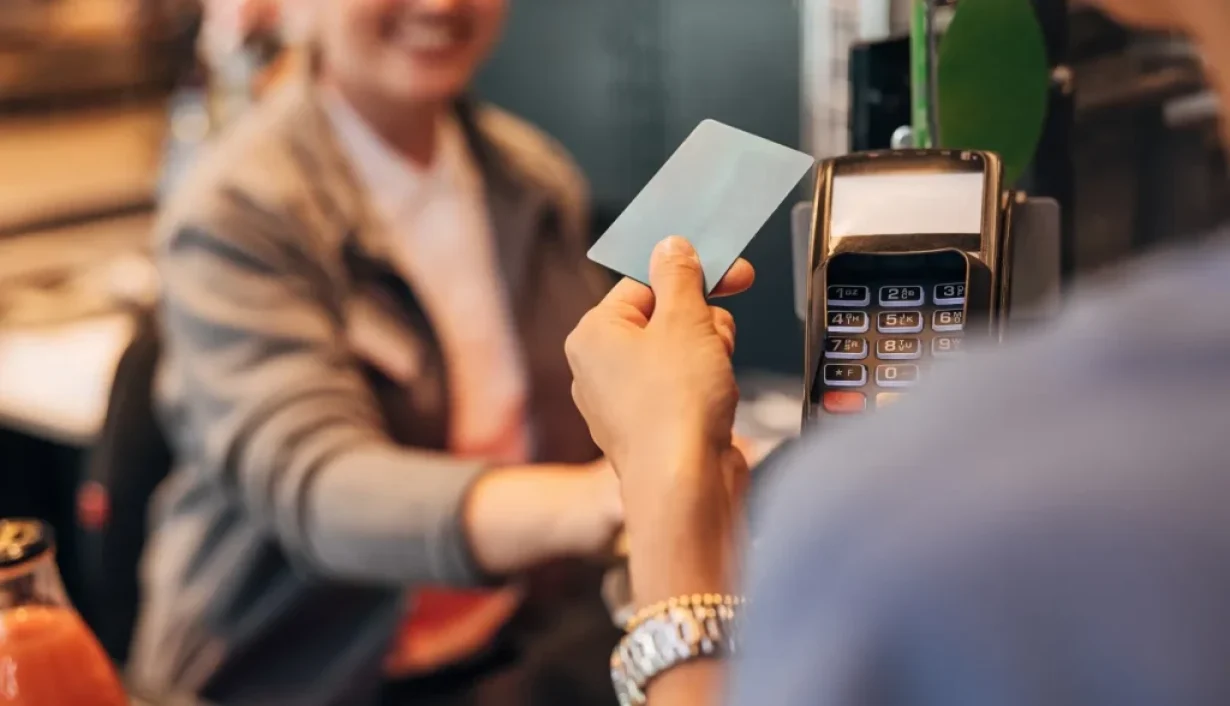
In today’s era of rapid digital payment growth, “Tap-and-Go” has become an indispensable part of our daily lives. Whether buying coffee at Starbucks or entering subway stations, contactless payment technology has significantly boosted efficiency. However, alongside this convenience comes a frequently discussed yet misunderstood topic: RFID credit card security.
As someone with years of experience in the RFID industry, I frequently receive inquiries from global distributors, renowned hotel brands, and retailers. Their most pressing concern is often: “Are our customers truly safe when carrying these cards?” Today, I’ll shed light on the truth about RFID credit card security from a professional perspective.
What is RFID technology?
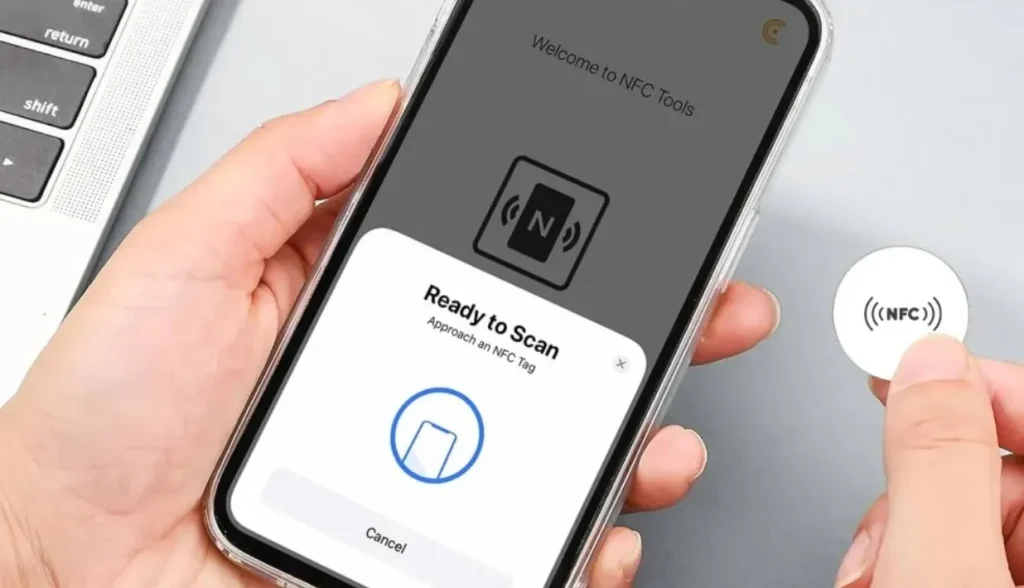
First, we need to clarify a fundamental concept. RFID (Radio Frequency Identification) is a communication technology that automatically identifies target objects and retrieves relevant data via radio waves. In the credit card industry, this technology is commonly referred to as contactless payment or NFC (Near Field Communication).
When you hold your credit card near a reader, the electromagnetic field emitted by the reader activates the microchip inside the card. The chip then transmits encrypted payment information back to the reader via its built-in antenna. This entire process requires no physical contact and is completed in just a few milliseconds.
Is RFID Skimming Real?

You may have seen videos online where someone walks through crowded subways or shopping malls with a hidden scanner, effortlessly accessing credit card information simply by passing near a passerby’s pocket. This practice is known as electronic skimming (RFID skimming).
Technically speaking, electronic skimming does exist. Early RFID cards, lacking sophisticated encryption mechanisms, could indeed expose the cardholder’s name, card number, and even expiration date. However, with technological advancements, modern EMV chip cards now incorporate advanced encryption standards.
Expert Perspective: Modern contactless credit cards generate a unique, one-time dynamic verification code for each transaction. This means that even if criminals intercept data from a single transaction, they cannot use that information to create a functional cloned card.
In-Depth Comparison: Security of Different Payment Technologies
To more clearly illustrate the security standing of RFID technology, we can compare it using the table below:
| Features | Magnetic Stripe Card | Contact EMV Chip Card | Contactless RFID/NFC Card |
| Payment Operation | Swipe the card | Insert into reader | Tap to pay |
| Payment Speed | Slow | Moderate | Very fast |
| Data Transmission | Static (easily copied) | Dynamic Encryption | Dynamic Encryption |
| Physical Wear | Prone to Damage | Moderate | Extremely Low |
| Primary Security Risks | Physical Skimmers | Physical Skimmers | Remote Electronic Skimming |
| Security Level | Low | High | High |
As shown in the table, RFID cards significantly surpass traditional magnetic stripe cards in security and are on par with contact-based chip cards. The primary difference in risk perception lies in the fact that RFID cards exchange information through the air, which creates a psychological impression of “unsafety” for some individuals.
Why might your wallet need protection?
Given that modern cards already feature dynamic encryption, why do RFID shielding products (such as shielded wallets and shielded cards) remain so popular in the market?
We observe that B2B clients’ security demands are shifting from “absolute defence” toward “privacy protection” and “compliance.” Key reasons include:
Privacy Protection: While payment data is encrypted, certain low-security RFID tags (like legacy access cards or some membership cards) may still broadcast sensitive personal ID numbers.
Preventing Accidental Activation: In crowded environments, multiple cards activating simultaneously can cause payment conflicts or erroneous card reads.
Psychological Assurance: For luxury hotels and renowned brands, offering customers customised products with RFID shielding serves as an effective way to demonstrate brand care and enhance customer trust.
How to Choose the Right RFID Protection Products?

If you are a distributor or retailer considering introducing RFID shielding products, here is our professional advice:
Material Testing: Ensure the shielding layer uses highly effective conductive materials (such as aluminium foil or copper mesh).
Frequency Compatibility: Most credit cards operate at 13.56 MHz (high frequency), while some access cards may use 125 kHz (low frequency). Quality shielding products should cover these common frequency bands.
Durability: Shielding materials should be embedded within the wallet or card sleeve’s inner layer to prevent degradation from frequent folding.
Conclusion
Returning to the original question: Does your wallet pose security risks?
The answer is: Risks exist, but they are entirely manageable. As RFID technology becomes more widespread, while electronic theft methods continue to evolve, card encryption technologies and physical security measures are advancing in tandem. For ordinary consumers, using chip cards issued by reputable banks alongside basic protective measures provides sufficient security.
For business owners, hotel managers, or brand procurement professionals like yourself, understanding these technical realities is crucial. By partnering with specialised manufacturers like RFIDCard, you can ensure every card and tag delivered to your customers represents not only convenience but also a commitment to security.
If you’re interested in our RFID solutions or require customised security consulting, feel free to reach out anytime.
Recommended Product

BioPoly™ Stone Sheraton Key Card

Exclusively designed for Sheraton, the BioPoly™ Stone RFID key card combines sustainability, durability, and modern design. Crafted from eco-friendly materials, it seamlessly integrates with Sheraton’s locking systems, ensuring secure, effortless access for your guests. Choose BioPoly™ Stone for a stylish, reliable, and environmentally conscious solution that aligns perfectly with your brand’s commitment to luxury and sustainability.
IMPORTANT NOTICE: All MIFARE Ultralight® AES cards supplied on this site is factory default (non-encrypted) version.