Music festivals and large-scale events attract tens of thousands, sometimes hundreds of thousands, of attendees. As the crowds grow, the need for efficient and reliable management becomes paramount. This is where effective access control for event management proves critical. It is the foundation for ensuring safety, maximizing operational efficiency, and delivering a positive experience for every attendee. This article will explore how RFID cards have emerged as the leading, scalable solution for modern event access control, transforming the way large events manage their gates and internal zones.
1. Access Control Challenges at Music Festivals and Large Events
Large music festivals face a unique set of access control challenges that differ significantly from smaller or indoor events.

1.1 High Attendee Volumes and Peak-Time Congestion
The most immediate challenge is the sheer number of people. Most attendees arrive within a short window just before the main acts begin. This creates intense peak-time congestion. Traditional methods, such as scanning paper tickets or barcodes, require a physical alignment and a moment of pause, which quickly leads to bottlenecks.
1.2 Managing Multiple Access Zones
Large events are rarely a single, open space. They are complex ecosystems with multiple zones such as general admission, VIP lounges. Each zone requires a different level of authorization. Manually checking paper passes for these different zones is prone to human error, especially in a fast-paced environment. A single, unified system is needed to manage this intricate web of permissions seamlessly.
2. What Is RFID-Based Access Control for Event Entry?
RFID technology provides a sophisticated yet simple answer to these challenges. It moves beyond the limitations of visual checks and static barcodes.

2.1 How RFID Cards Interact with Readers and Backend Systems
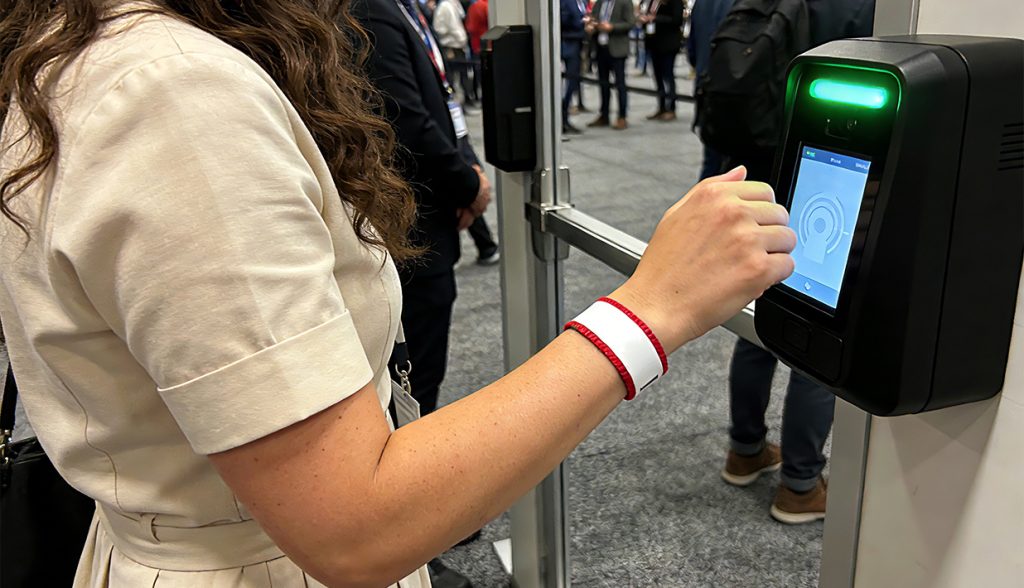
When an attendee presents their RFID card to a reader at an entry gate, the reader instantly captures the unique ID. This ID is then sent to a central, secure backend database. The database checks the ID against a list of authorized credentials. It verifies three key pieces of information:
- Validity: Is the ID active and not reported lost or stolen?
- Permissions: Does the ID grant access to this specific gate?
- Status:Has the ID already been used for entry, or is it a valid re-entry?
2.2 Difference Between RFID Cards and Traditional Paper Tickets or Barcodes
Traditional paper tickets and barcodes are static. Once scanned, a barcode is either valid or invalid, and the process requires a direct line of sight and a precise scan. RFID cards, however, are dynamic and contactless and the data they represent is checked against a real-time database. This real-time connection is what makes RFID a superior solution for large-scale access control for event environments. It allows for instant updates and complex permission checks that static tickets cannot handle.
3. Why RFID Cards Are Ideal for Large-Scale Event Access Control
The features of RFID technology are perfectly suited to the high-demand, high-pressure environment of a major event.

3.1 High Durability Compared to Paper Tickets
Music festivals are often multi-day events held outdoors, exposing tickets to rain, sweat, mud, and general wear and tear. Paper tickets can easily become damaged, rendering them unreadable and causing delays. RFID cards typically made of durable PVC, are designed to withstand harsh conditions. They are waterproof, tear-resistant, and can last for the entire duration of a multi-day festival without issue. This durability ensures reliable access control for event entry from the first day to the last.
3.2 Secure UID and Encryption Options to Prevent Cloning
Security is enhanced significantly with RFID. Unlike a barcode, the unique ID (UID) of RFID card stored on an chip is difficult to clone. Furthermore, advanced RFID systems use encryption and rolling codes, meaning the data transmitted between the card and the reader is constantly changing and protected. If a card is reported lost or stolen, its UID can be instantly deactivated in the central database, making it useless at the gate within seconds. This level of security is crucial for protecting ticket revenue and preventing fraudulent entry.
4. Improving Attendee Experience Through RFID Access Control
While the operational benefits are clear, the impact of RFID on the attendee experience is perhaps the most valuable outcome for event organizers.
4.1 Shorter Queues and Smoother Entry Flow
The most immediate and appreciated benefit is the reduction in queue times. The sub-second transaction speed of RFID means that lines move continuously. Attendees spend less time waiting in the sun or rain and more time inside enjoying the event. This smoother entry flow sets a positive tone for the entire day.
4.2 Reduced Stress for Attendees and Staff
The elimination of fumbling with paper tickets or arguing with security about access rights significantly reduces stress for everyone involved. Attendees can simply tap their RFID card or wristband and walk through. Staff can rely on the clear, unambiguous signal from the reader, reducing the cognitive load and the potential for conflict. This creates a more relaxed and professional atmosphere at all entry points.
4.3 Seamless Re-entry and Multi-Day Access
For multi-day festivals, RFID cards simplify the re-entry process. The card acts as a persistent credential. Attendees can tap out when they leave and tap back in when they return, with the system instantly verifying their multi-day pass status. This seamless process encourages attendees to explore the surrounding area or return to their accommodation without the fear of a complicated re-entry procedure.
5. Key Considerations When Choosing RFID Cards for Music Festivals
Selecting the right RFID solution requires careful consideration of several practical and technical factors.

5.1 Materials and Durability
The choice of physical credential is important. For single-day events, a simple, durable PVC card might suffice. For multi-day festivals, a robust, tamper-proof wristband is often preferred. The material must be comfortable for the attendee to wear for days and durable enough to withstand the elements.
5.2 Custom Printing and Branding Options
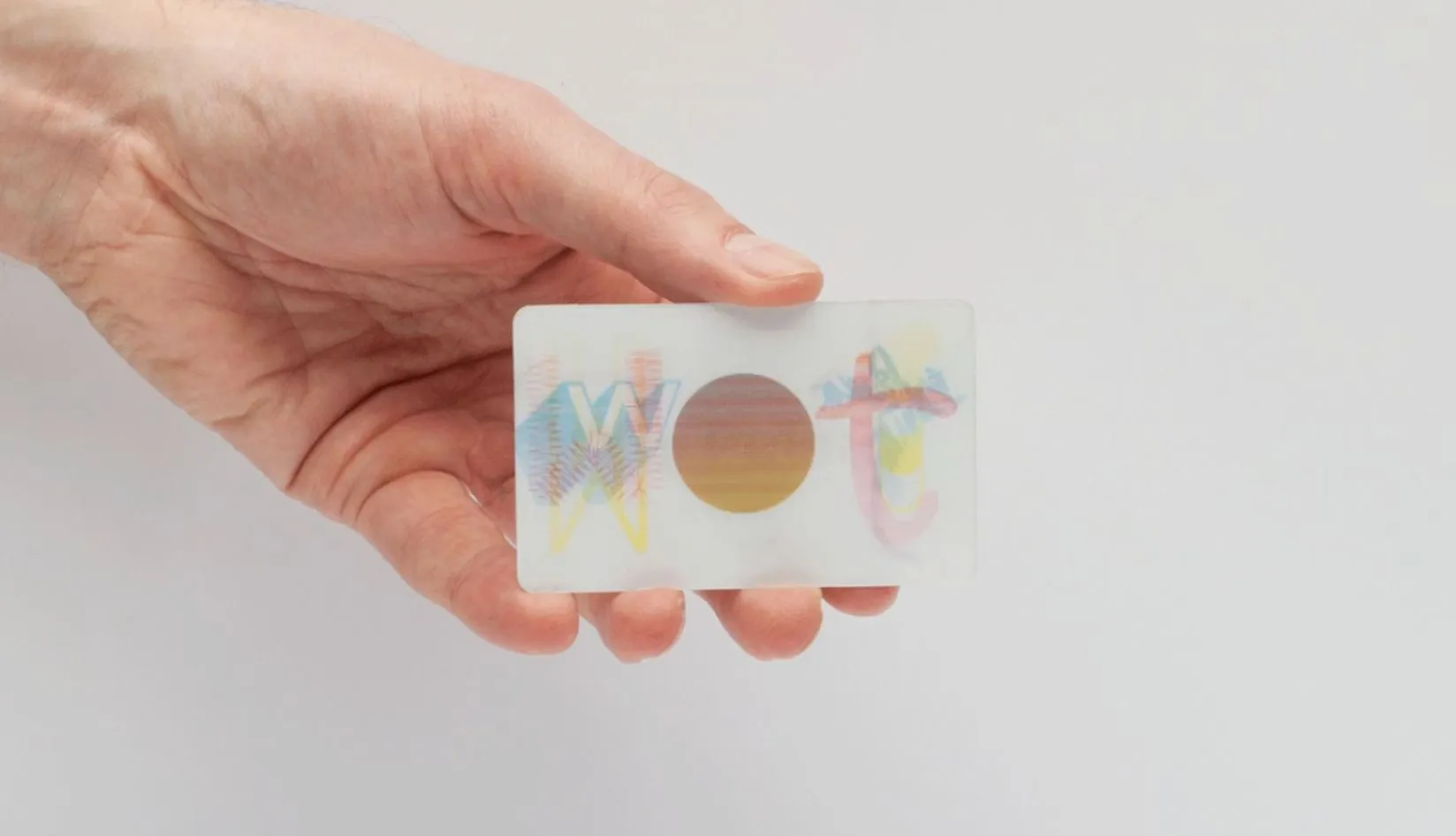
The RFID card or wristband is a key piece of event merchandise. It offers a prime opportunity for branding and sponsorship. Organizers should choose a provider that offers high-quality custom printing, vibrant colors. RFIDcard can help you to customize the high quality card to enhance you brand image.
5.3 Integration with Existing Access Control Platforms
The RFID system should not operate in a silo. It must integrate seamlessly with other event technologies. A well-integrated system allows the RFID card to serve multiple functions such as access, payment and social media interaction. This unified approach maximizes the return on investment and simplifies the overall technology stack.
6. Conclusion
As music festivals and large events continue to grow in size and complexity, the need for scalable and reliable access control for event solutions becomes more critical. RFID cards provide a powerful combination of speed, security, durability, and flexibility that traditional ticketing methods cannot match. If you are planning a large-scale event, now is the time to rethink your access control for event strategy. We provide custom RFID cards designed specifically for event access control applications.
Recommended Product
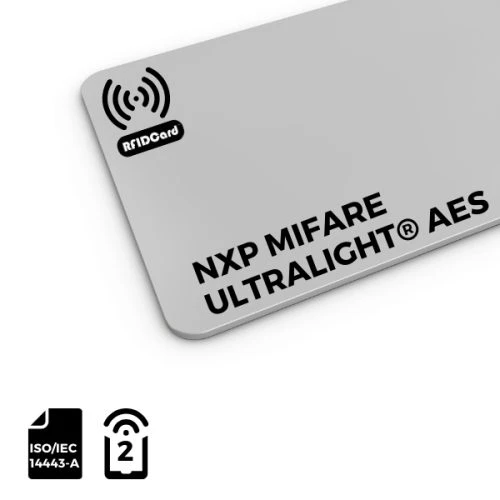
MIFARE Ultralight® AES PVC RFID Card

MIFARE Ultralight® AES PVC card is a contactless smart card based on MIFARE Ultralight AES chip, which supports AES encryption authentication, provides excellent performance and security, and is the highest security card in the MIFARE Ultralight® series. The card is made of PVC material and is widely used in access control, public transportation, ETC, events management, etc.
IMPORTANT NOTICE: All MIFARE Ultralight® AES cards supplied on this site is factory default (non-encrypted) version.