

Radio Frequency Identification (RFID) technology, a non-contact automatic identification technology, has become deeply integrated into various aspects of our daily lives due to its convenience and efficiency. From access control systems used during daily commuting, convenient payment methods via bank and transit cards, to smart hotel key cards, and even logistics tracking and inventory management, RFID’s application scenarios are increasingly widespread. It has greatly improved efficiency, simplified processes, and brought many conveniences to modern society. However, the widespread use of RFID technology also brings potential security risks. Due to its wireless communication characteristics, some low-security RFID cards, especially those using basic encryption or no encryption protocols, are highly vulnerable to cloning by malicious actors. Once card information is illegally copied, it can lead to identity theft, financial loss, and even privacy breaches. Therefore, how to effectively prevent RFID cards from being cloned and ensure their security in applications has become an important issue. This article aims to explore the risks of RFID card cloning and provide a range of effective preventive measures, best practices, and tool recommendations to offer comprehensive security guidance for individuals and businesses.
1. RFID Card Working Principle and Security Analysis
1.1 Basic Structure and Working Principle of RFID Cards
An RFID card consists of three main components: the tag, the reader, and the antenna. The tag is the core of the RFID system and typically contains a microchip (used for storing data) and an antenna (used for receiving and transmitting radio frequency signals). When the RFID reader emits a specific frequency of radio frequency signals, the tag’s antenna receives the energy and activates the chip. The chip then modulates the stored data into a radio frequency signal and sends it back to the reader. The reader decodes the signal and transmits it to the backend system for processing. This entire process is contactless and enables rapid data recognition and exchange.

1.2 Possibility of RFID Card Cloning
Although RFID technology brings convenience, its data transmission method also provides an opportunity for cloning. In particular, low-frequency (LF) and high-frequency (HF) RFID cards that use simple protocols or unencrypted systems may have their stored data transmitted in plaintext or with insufficient encryption, making it easy to intercept and replicate. Common clone RFID card techniques involve using readily available RFID readers to read data from a legitimate card at close range, then writing this data to a blank RFID card, creating a fully functional clone. Furthermore, advanced attackers can use sniffing techniques to intercept data during the communication between the card and reader, analyze it offline, and crack it, further increasing the risk of clone RFID card.
2. Risks of RFID Card Cloning
The risks posed by RFID card cloning are multifaceted, potentially causing direct financial loss, as well as infringing on personal privacy and identity security, impacting the trust system in society.
2.1 Identity Theft
Identity theft is one of the most direct and serious consequences of RFID card cloning. Criminals may use cloned employee cards or resident cards in access control systems to illegally enter restricted areas, threatening property and personal safety. In the payment field, criminals can use a cloned bank card or credit card for unauthorized transactions, causing financial loss to the cardholder. Moreover, criminals can clone certain identity cards (such as electronic IDs in some countries or regions) to impersonate an individual, leading to illegal activities and creating significant legal and credit risks for the victims.
2.2 Financial Loss
Financial loss is one of the most obvious dangers of RFID card cloning. For example, cloned hotel room keys may lead to unauthorized access to rooms, resulting in theft of guest property. More seriously, if RFID cards with payment functions (such as public transport cards or bank cards) are cloned, criminals can steal the card’s balance or conduct unauthorized transactions, directly causing financial losses to the cardholder. While many banks and payment institutions offer fraud protection, the process is time-consuming and burdensome, causing unnecessary hassle and mental stress for the victims.
2.3 Privacy Breach
In addition to identity theft and financial loss, RFID card cloning can lead to severe privacy breaches. Many RFID cards, especially those used for membership management, health records, or personal identity recognition, may store sensitive information such as names, addresses, contact details, consumption habits, and even health statuses. If these cards are cloned, criminals can easily access this personal data, using it for scams, harassment, or illegal sales, severely infringing on personal privacy and causing long-term negative impacts on victims’ lives.
3. How to Effectively Prevent RFID Card Cloning: Best Practices
Faced with the threat of RFID card cloning, both individuals and businesses should take active and effective preventive measures, building multiple layers of defense from both technical and physical aspects to minimize risks.

3.1 Use of RFID Cards with High Encryption Technology
Choosing and deploying RFID cards with advanced encryption technology is the core strategy for preventing cloning. Traditional low-security RFID cards often use simple encryption algorithms or no encryption at all, making the data easy to intercept and replicate during transmission. High-security RFID cards, such as NXP Mifare Family or NXP UCODE Series, use strong encryption algorithms like AES (Advanced Encryption Standard) to ensure data confidentiality and integrity during transmission. These chips perform complex two-way authentication and dynamic key negotiation with each communication, making it difficult for attackers to decrypt the data even if they intercept it. When selecting RFID solutions, prioritize products with high-security encryption chips and ensure proper system configuration to fully utilize their encryption functions.
3.2 Implement Two-Factor Authentication
A single RFID card authentication mechanism is vulnerable to clone RFID card attacks. Introducing two-factor authentication (2FA) significantly enhances security. This means that in addition to using the RFID card, the user must provide a second form of authentication, such as a password, PIN, or biometric identification (e.g., fingerprint, facial recognition). For example, in access control systems, employees may need to verify their fingerprint after swiping their card; in payment scenarios, they may need to enter a transaction password after swiping their card. This multi-factor authentication mechanism ensures that even if an RFID card is cloned, attackers cannot use the cloned card for illegal operations, as they lack the second authentication information.
3.3 Strengthen Protection
RFID Blocking Card integrate a layer of conductive material inside the card, effectively blocking or interfering with external readers from accessing the card’s signal, thereby preventing remote cloning.Their primary role is to safeguard sensitive data, prevent unauthorized payments or identity theft, and protect personal privacy. In addition to technical protection, physical protection is also an important aspect of preventing RFID card cloning. The most common and effective method is to use RFID shielding bags or anti-theft card cases. Manufacturers typically make these protective cases from special metal fiber materials, which form a Faraday cage that effectively blocks external radio frequency signals from reading the card. When you place an RFID card inside the shielding case, even if criminals use high-power readers, they cannot read the card’s information from a close distance, thus effectively preventing “pickpocket-style” remote cloning.Developing a habit of using shielding cases for important RFID cards such as bank cards and ID cards can significantly reduce the risk of clone RFID card.
4. Conclusion
With the increasing popularity of RFID technology, while it brings convenience to our lives, it also introduces the security risk of RFID card cloning. This article has explored the working principle of RFID cards, the possibility of cloning, and the risks such as identity theft, financial loss, and privacy breach that can arise. From our analysis, we recognize that effective prevention of RFID card cloning requires a combination of technical and physical protection measures. Choosing RFID cards with high encryption technology, implementing two-factor authentication, selecting anti-cloning cards, and enhancing physical protection in daily life are all crucial steps. These best practices collectively form a robust defense, significantly reducing the risk of illegal replication of RFID cards and ensuring the security of personal and business information.
Recommended Product
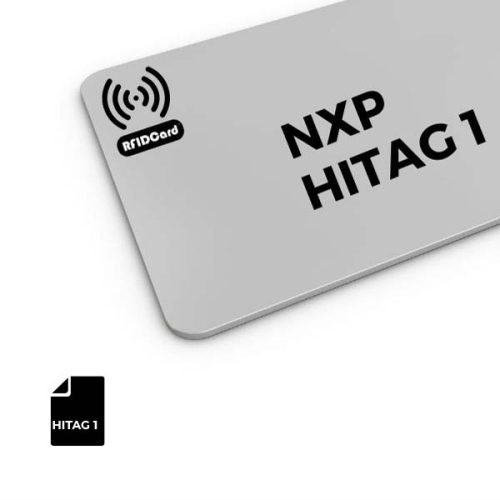
RFID Card CR80 HITAG® 1

The HITAG® 1 RFID card is a high-performance RFID card made from high-quality PVC material, designed for applications like access control, asset tracking, ticket management, and personalized gift cards. It’s durable and suitable for various environments. The card supports 125 kHz RFID communication, offers fast reading and writing capabilities, is compatible with a range of reading devices, ensuring smooth operation in different scenarios, and boasts strong anti-interference capability.In different scenarios, and boasts strong anti-interference capability.