RFID technology has become an essential part of modern identification and access control systems, powering everything from office security and hotel key cards to smart homes and parking solutions. Among the most common RFID credentials, cards and fobs are often compared because they serve similar purposes but differ in design and use cases. Understanding the differences between RFID card and fob is crucial for businesses and organizations that want to choose the most suitable solution for their operational and security needs.
1. What Is an RFID Card?

1.1 Definition
An RFID card is typically a credit card-sized credential embedded with a microchip and an antenna. It have different material can be choose, including PVC, wood or other e-co friendly material. This embedded circuitry allows the card to communicate wirelessly with an RFID reader when brought within its proximity. The chip stores a unique identification number or other relevant data, which the antenna transmits to the reader upon activation by radio frequency signals.
1.2 Common Features
RFID cards are characterized by several common features that make them versatile for a wide range of applications:
- Form factor: Thin, flat, credit-card-sized
- Technology: LF (125 kHz), HF (13.56 MHz), or UHF (860–960 MHz)
- Customization: Printable surface for logos, photos, barcodes, QR codes, and serial numbers
- Integration: Compatible with access control, identification, and payment systems
RFID cards are particularly popular in environments where branding, personalization, and visual identification are important.
2. What Is an RFID Fob?
2.1 Definition
An RFID fob, often referred to as a key fob, is a small, typically key-shaped device that also contains an embedded RFID chip and antenna. Designed for convenience and durability, fobs are meant to be easily carried, often attached to a keychain, and provide the same contactless identification and access capabilities as RFID cards.
2.2 Common Features
RFID fobs boast a set of features that distinguish them from cards:
- Form factor: Small, thick, and often molded in plastic or rubber
- Durability: Resistant to water, impact, and harsh conditions
- Convenience: Easy to carry with keys or personal items
Because of their robustness and convenience, RFID fobs are widely used in long-term access scenarios.
3. RFID Card vs Fob: Key Differences
The fundamental difference between an RFID card and fob lies primarily in their form factor and the implications this has for their practical application. While both serve the same core function of wireless identification, their physical characteristics lead to distinct advantages and disadvantages.

3.1 Physical Design
- RFID cards are slim, lightweight, and easy to store in wallets or badge holders.
- RFID fobs are compact but thicker, designed to withstand daily wear and tear.
From a user experience perspective, cards are more suitable for professional environments, while fobs excel in practical, everyday use.
3.2 Durability and Lifespan
Durability is one of the most significant differences in RFID card vs fob.
- RFID cards are more prone to bending, scratching, and wear.
- RFID fobs are designed to resist water, dust, and impact.
For outdoor or industrial environments, fobs often outperform cards in longevity.
3.3 Customization Options
- Printing vs. Molding:
RFID cards are primarily customized through printing, allowing for full-color graphics, variable data printing (e.g., employee names, ID numbers), and security features like holograms. RFID fobs are typically customized during the molding process, which can include embedding a logo or unique identifier, but offers less flexibility for detailed visual customization compared to cards.
- Logo, UID, QR Code, NFC Integration :
While both can incorporate a Unique Identifier (UID), RFID cards excel in integrating additional features like QR codes for quick scanning or NFC for enhanced interactive applications, thanks to their larger printable surface. Fobs can also be NFC-enabled, but visual indicators for such features are more constrained.
RFIDCard offers a wide range of materials and chip options to meet your customization needs.
4. Use Cases: When to Choose RFID Cards
RFID cards are ideal for environments where identification, branding, and scalability are important.

4.1 Corporate and Office Environments
In corporate settings, RFID cards serve as multi-functional employee identification and access control credentials. They can display employee photos, names, departments, and company logos, enhancing security and fostering a professional image. Their compatibility with time and attendance systems also makes them invaluable for workforce management.
4.2 Hospitality Industry
Hotel key cards are a prime example of RFID card utility in hospitality. They provide guests with convenient and secure access to their rooms and hotel amenities. The printable surface allows hotels to brand the cards, include promotional information, and even integrate loyalty program details, enhancing the guest experience.
4.3 Education Sector
Universities and schools utilize RFID cards as student ID cards, granting access to dormitories, libraries, cafeterias, and recreational facilities. These cards can also be linked to cashless payment systems and attendance tracking, streamlining campus operations and providing a comprehensive solution for student management.
4.4 Branding-Oriented Applications
For loyalty programs, membership cards, and event passes, RFID cards offer significant branding opportunities. Businesses can leverage the card’s surface to reinforce their brand identity and communicate with their customers effectively.
5. Use Cases: When to Choose RFID Fobs
RFID fobs are better suited for long-term, durable, and convenience-focused applications.

5.1 Residential and Property Management
For residential complexes, gated communities, and property management, RFID fobs are an excellent choice for long-term access credentials. Residents can easily attach them to their house keys, reducing the chance of misplacement and providing convenient access to common areas, parking garages, and individual units. Their durability ensures they withstand daily wear and tear over many years.
5.2 Fitness Centers and Clubs
Fitness centers and health clubs benefit greatly from RFID fobs. Members can attach them to their gym bags or keychains, allowing for quick and hygienic tap-in access to facilities, lockers, and specific equipment. The compact and user-friendly design is ideal for an active environment where members are often on the go.
5.3 Outdoor and Harsh Environments
In any outdoor environment where credentials are exposed to harsh conditions, RFID fobs are the superior choice. Their rugged construction protects the internal electronics, ensuring reliable performance where RFID cards might quickly degrade or become damaged.
6. How to Choose Between RFID Card and Fob
There is no universal answer to the RFID card vs fob debate. The right choice depends on a combination of technical, operational, and business factors.
6.1 Key Decision Factors
- Application Scenario: Consider where and how the RFID credential will be used.
- User Experience: Think about convenience, portability, and ease of use.
- Budget Constraints: Compare initial costs with long-term maintenance expenses.
- Branding Needs: Decide whether visual customization is important.
- Environmental Conditions: Assess whether durability and weather resistance are critical.
6.2 Quick Decision Guide
To simplify the decision-making process, consider the following comparative table:
| Feature/Scenario | Choose RFID Card If… | Choose RFID Fob If… |
| Visual Identification | Photo ID, branding, or detailed information display is crucial. | Visual branding is not a primary requirement. |
| Environment | The environment is relatively controlled (office, hospitality). | Durability and resistance to harsh conditions (e.g., outdoor, industrial, active environments) are paramount. |
| Integration Needs | Integration with time and attendance or cashless payment systems is a priority. | The application involves frequent use in active or outdoor environments. |
| Customization | Extensive visual branding and detailed information display are needed. | Minimal branding is sufficient. |
7. Future Trends: RFID Cards and Fobs
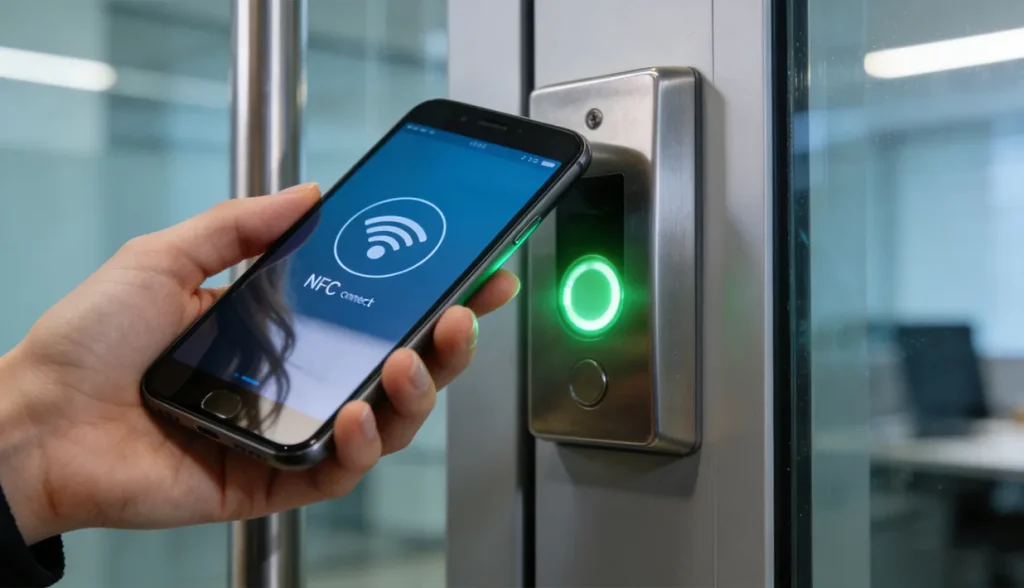
The evolution of RFID technology is reshaping the way cards and fobs are used.
- Integration with Mobile NFC:
The convergence of physical RFID credentials with mobile NFC is a significant trend. Users are increasingly able to use their smartphones as virtual RFID cards or fobs, leveraging the NFC capabilities embedded in modern mobile devices. This offers enhanced security features, dynamic credential management, and reduces the need for physical cards or fobs.
- Smart Building and IoT Integration
RFID technology is becoming a key component of smart building ecosystems and the Internet of Things (IoT). RFID cards and fobs can facilitate seamless interaction with smart locks, lighting systems, environmental controls, and other connected devices, creating more intelligent and responsive environments.
- Sustainable Materials
With a growing emphasis on environmental responsibility, there is a rising trend towards manufacturing RFID cards and fobs from sustainable and eco-friendly materials. This includes recycled plastics, biodegradable polymers, and wood-based composites, reducing the environmental footprint of these widely used credentials.
8. Conclusion
The comparison between RFID cards and RFID fobs is not about determining a single “better” option but about identifying the most suitable solution for specific needs. RFID cards excel in customization, branding, and cost efficiency. RFID fobs, on the other hand, stand out in durability, convenience, and long-term use. Ultimately, the decision in the RFID card vs fob discussion should be guided by application requirements, budget constraints, and user experience expectations.
RFIDCard is a specialized card manufacturer with over a decade of industry experience. We focus on delivering high-quality RFID cards and customized solutions for various applications, and we aim to be your reliable long-term partner.
Recommended Product
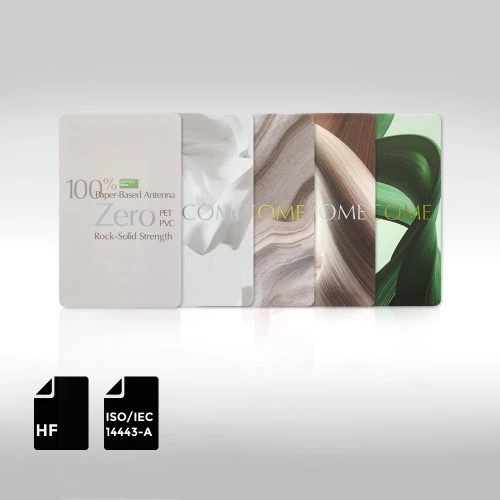
BioPoly™ Stone RFID Card Made with 100% Paper-Based Antenna NXP® MIFARE Ultralight® EV1

The RFID BioPoly™ Stone Card Made with 100% Paper-Based Antenna is designed for brands seeking high performance with a lower environmental footprint. Featuring a Zero PET, Zero PVC paper-based antenna combined with durable BioPoly™ Stone, it delivers rock-solid strength and reliable RFID performance. As the industry’s first developer of paper-antenna RFID cards, we continue to advance eco-friendly RFID solutions through sustainable innovation. Powered by NXP® MIFARE Ultralight® EV1 and compliant with ISO/IEC 14443-A, it is ideal for access control and identification applications.

100% Plastic-Free RFID Paper Card NXP® MIFARE Ultralight® EV1
The 100% plastic-free RFID Paper Card uses an innovative paper-based antenna to replace traditional plastic and PET structures, significantly reducing environmental impact. As the industry’s first developer of paper-based antenna RFID cards, we are committed to advancing truly 100% eco-friendly RFID solutions. Powered by the NXP® MIFARE Ultralight® EV1 chip and compliant with ISO/IEC 14443-A, it ensures reliable contactless performance for access control and identification applications.