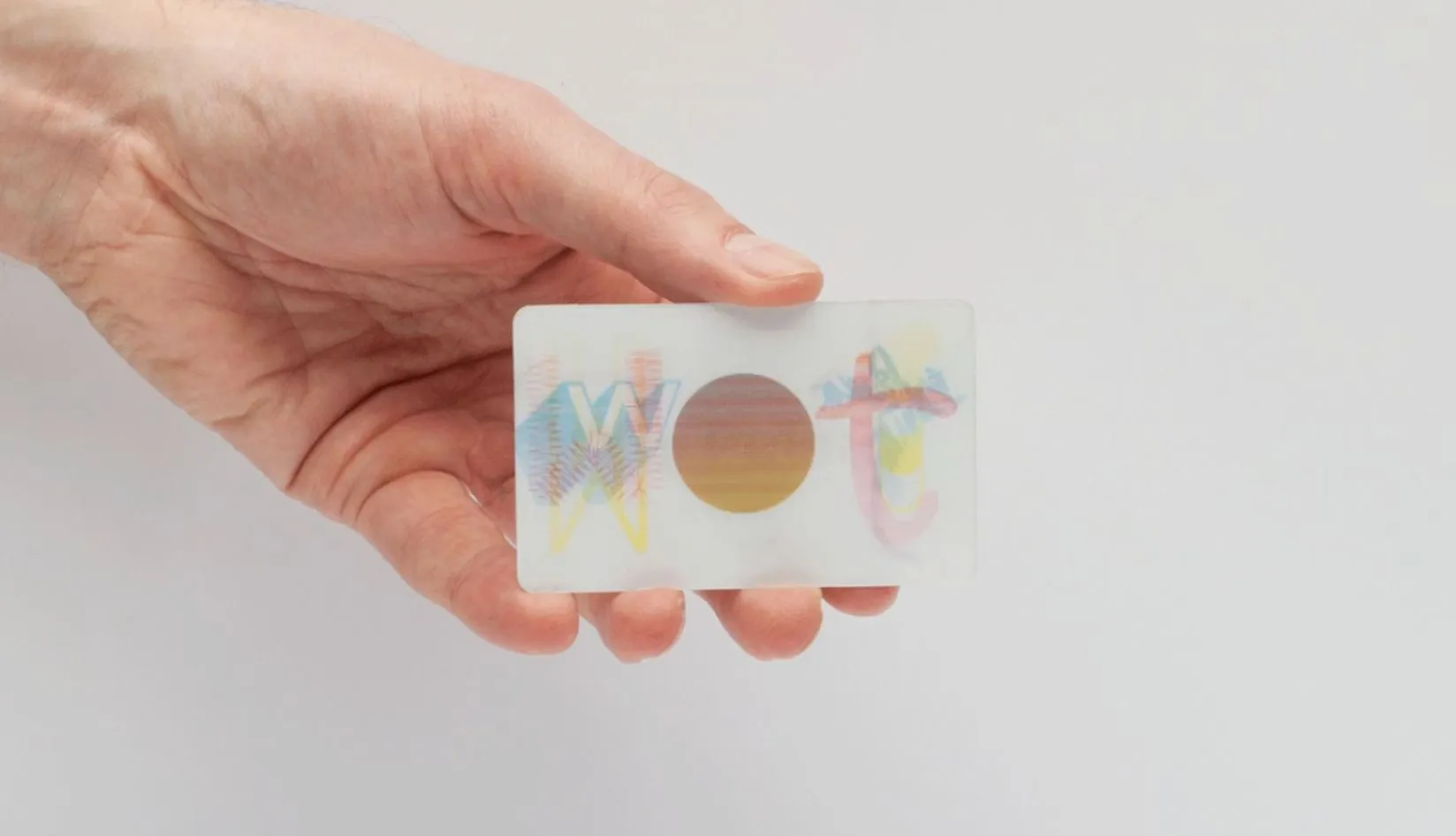
As times have evolved, museums are no longer simply places for displaying artifacts; they have also become important centers for cultural education. Visitors are no longer satisfied with merely viewing exhibits through glass—they seek more interactive and engaging experiences.
To meet these expectations, many museums have begun adopting digital technologies to bridge the gap between physical collections and compelling storytelling, and RFID technology is one of them. From interactive exhibits and personalized guides to seamless ticketing systems, this technology is reshaping the way people explore cultural heritage. At the same time, it helps museum managers better understand visitor behavior, enabling them to optimize exhibition design and improve the overall visitor experience.
1. Why Visitor Experience Matters for Modern Museums
Museums today face increasing competition for public attention. Visitors have access to countless entertainment and educational options, including streaming platforms, immersive digital experiences, and interactive theme parks. As a result, cultural institutions must rethink how they present their collections and engage audiences.
The importance of the visitor experience cannot be overstated. A memorable visit is the primary driver of visitor satisfaction, which in turn leads to positive word-of-mouth, repeat visits, and long-term donor support. Furthermore, the educational impact of a museum is directly proportional to how well it engages its audience.
| Factor | Traditional Museum Experience | Modern RFID-Enhanced Experience |
| Visitor Role | Passive Observer | Active Participant |
| Content Delivery | Static Labels/Placards | Dynamic, Personalized Multimedia |
| Navigation | Physical Maps/Linear Paths | Smart Guides/Personalized Journeys |
| Engagement | Visual Only | Multi-sensory and Interactive |
2. What Is RFID Technology?
RFID is a wireless technology that uses radio waves to identify and track objects or people through small electronic tags. An RFID system typically consists of three main components:
- RFID tags – small chips embedded in cards, wristbands, or labels that store identification information.
- RFID readers – devices that detect and communicate with RFID tags through radio signals.
- Management software – platforms that collect and analyze data generated by RFID interactions.
RFID technology is particularly suited for exhibition environments because of its contactless nature and real-time data collection capabilities. It allows for a “frictionless” experience where technology supports the narrative rather than distracting from it.
3. Key Applications of RFID for Visitor Engagement
The true magic of RFID in museums lies in its diverse range of applications. By turning a simple entrance ticket into a “smart” device, museums can unlock a layer of interactivity that was previously impossible.
3.1 Seamless Access and Ticketing
RFID-enabled cards allow visitors to enter the museum with a simple tap. This reduces waiting times at entrances and improves operational efficiency. During busy periods or special exhibitions, faster entry processes can significantly improve visitor satisfaction.

RFID-based access systems can also support:
- Membership identification for frequent visitors
- Access control for restricted exhibitions or events
- Cashless purchases in museum shops or cafés
- Integration with interactive experiences throughout the museum
By combining ticketing and engagement tools into a single RFID-enabled pass, museums can create a smooth and convenient visitor journey from entry to exit.
3.2 Interactive Exhibits
One of the most exciting uses of RFID is in the creation of interactive displays. Imagine a visitor approaching a display of ancient coins. By tapping their RFID card on a reader, a nearby screen could display high-resolution 3D models of those coins, translate their inscriptions, or play an animation of how they were minted. This “trigger-based” interaction makes the exhibit feel responsive to the individual. It transforms the visitor from a spectator into an active participant who “unlocks” information through their presence and actions.
3.3 Smart Guided Tours
Traditional audio guides can be clunky, requiring visitors to manually enter numbers found on labels. RFID-enabled guides, however, can provide a “context-aware” experience. As a visitor enters a specific gallery or stands in front of a masterpiece, the guide automatically detects the nearby RFID/NFC tag and begins playing the relevant audio or video content. This allows for a more natural flow, where the technology follows the visitor’s curiosity rather than dictating it. For international visitors, these systems can automatically deliver content in their preferred language based on their initial registration.
3.4 Personalized Visitor Journeys
No two visitors have the same interests. Some may be drawn to the technical details of engineering, while others are fascinated by the social history behind an object. RFID systems can track which exhibits a visitor spends the most time at and “collect” items they express interest in. At the end of the visit, the museum can provide a personalized digital summary—a “souvenir” of their unique journey—sent via email or accessible through a personal login. This level of personalization makes the visitor feel seen and valued, fostering a deeper connection with the institution.
3.5 Gamification and Educational Activities
Gamification is a powerful way to make learning more engaging, particularly for younger audiences. RFID technology enables museums to create interactive games and educational challenges within exhibitions.
For instance, visitors might receive an RFID card that allows them to complete themed missions across different galleries. Each interaction with an exhibit unlocks clues, achievements, or new information.
Examples of RFID-based educational activities include:
- Treasure hunts across museum galleries
- Historical mystery-solving games
- Interactive quizzes linked to exhibits
These activities encourage visitors to explore more of the museum and engage more deeply with the content. By turning the visit into an interactive journey, museums can transform passive observation into active learning.
4. Operational Benefits of RFID for Museums
While the primary focus of this article is visitor experience, it is important to note that RFID in museums also provides significant operational advantages.
For museum administrators and exhibition planners, RFID data can reveal valuable insights about visitor behavior. This information can be used to improve exhibition design, optimize visitor flow, and allocate resources more effectively.
| Operational Area | Benefit of RFID Integration |
| Crowd Management | Real-time monitoring of visitor density to prevent bottlenecks. |
| Exhibit Planning | Data on which artifacts attract the most (and least) attention. |
| Security | Tracking high-value assets and monitoring unauthorized movements. |
| Accessibility | Delivering automated audio descriptions for visually impaired visitors. |
| Marketing | Insights into visitor demographics and interests for targeted outreach. |
5. Real-World Examples of RFID in Museums
Several world-class institutions have already pioneered the use of this technology, setting a benchmark for others to follow.
5.1 Cooper Hewitt, Smithsonian Design Museum (The Pen)

Perhaps the most famous example is “The Pen.” Every visitor is given an RFID-enabled pen that they can use to “collect” objects by tapping them against labels. They can also use the pen on large interactive tables to draw and design their own objects. At the end of the day, visitors can log into the museum’s website to view everything they collected or created during their visit.
5.2 Exploratorium
The Exploratorium in San Francisco introduced an RFID-based interactive system to enhance visitor engagement. Upon entering the museum, visitors receive an RFID card. During the visit, they can simply tap the card on exhibits equipped with RFID readers to trigger multimedia content such as videos, audio explanations, or interactive activities. The system records the exhibits and interactions each visitor experiences and later generates a personalized online page where visitors can review their exploration of the museum.
This RFID-enabled approach not only creates a more immersive visitor experience but also provides the museum with valuable data on visitor behavior, helping curators optimize exhibition design and engagement strategies.
6. Conclusion
Through interactive exhibits, smart guided tours, personalized visitor journeys, gamified learning experiences, and seamless access systems, RFID technology enhances how visitors explore and engage with museum collections. At the same time, RFID systems provide valuable operational insights that help museums design better exhibitions and improve visitor services. As digital technologies continue to evolve, RFID will remain a key component in shaping the future of cultural institutions.
RFIDCard is a professional RFID card supplier dedicated to providing high-quality RFID cards. We offer a wide range of customizable RFID card solutions to meet the diverse needs of different industries and applications.
Recommended Product
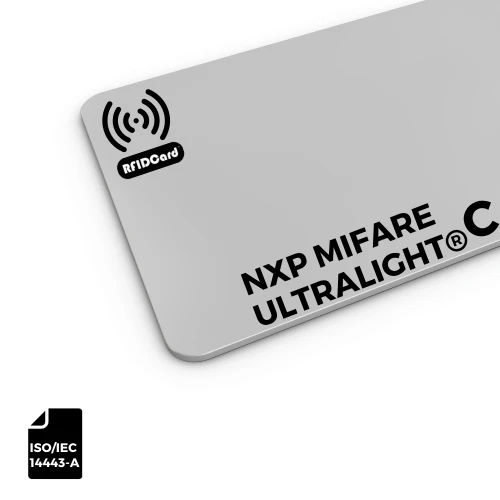
RFID Card NXP MIFARE Ultralight® C ISO14443-A CR80

The NXP MIFARE Ultralight® C blank RFID cards fully comply with ISO/IEC 14443-A. The RFID cards are made with photo-quality standard PVC/PET in the size of CR80, which are suitable for use with most direct thermal or thermal transfer card printers.