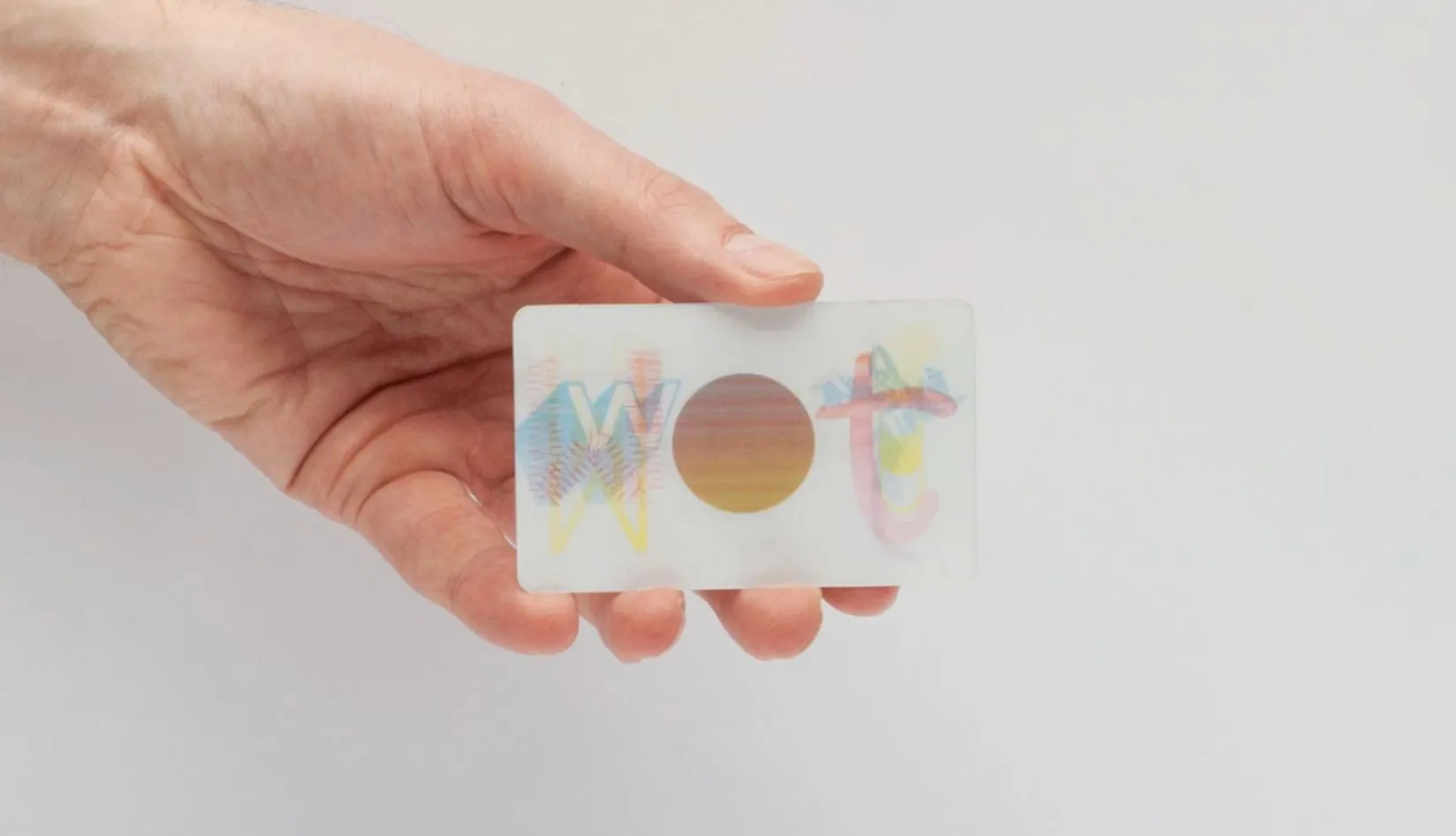
The progress of modern science and technology has profoundly changed all aspects of our lives. You may have seen smartphones and smart homes, but you may not know that even playing cards can be intelligent now! Today, we will introduce the MIFARE Ultralight EV1 RFID playing cards, which demonstrate how RFID technology can provide unique advantages in casinos and other application scenarios.
Overview of RFID Playing Cards
RFID (Radio Frequency Identification) technology enables data transmission between a chip and a reader using radio waves, without the need for physical contact. Each MIFARE Ultralight EV1 chip embedded in the playing cards provides them with unique identification and data storage capabilities.
The playing cards are made from sturdy and durable PVC material. Each card measures 88mm in length, 63mm in width, and 0.34mm in thickness. These dimensions match the standard size for playing cards, making them easy to carry and use. Despite each card being embedded with an RFID chip, a complete deck weighs only 160 grams, similar to a regular deck of playing cards.
Additionally, the color of the playing cards can be customized to suit personal preferences. Notably, the surface of the cards features a PVC matte finish, which enhances the tactile feel and improves durability.
Characteristics and Working Principle of RFID Playing Cards
The core of RFID playing cards is the built-in MIFARE Ultralight EV1 chip. This chip can wirelessly exchange data with RFID readers and communicate over short distances using radio waves, typically at a frequency of 13.56 MHz.
Data Reading and Writing
When the RFID playing card is close to the RFID reader, the reader emits radio waves that provide power to the chip and activate its internal circuits. The chip then modulates these radio waves to transmit the data stored in its memory back to the reader. The RFID chip has a data transmission speed of up to 106 kbit/s. This process is almost instantaneous, allowing for fast data transmission in poker and other scenarios.
Unique Identification and Verification
Each MIFARE Ultralight EV1 chip has a 7-byte Unique Identification Number (UID), which makes each RFID playing card distinct. Using this UID, the system can easily identify and verify each card, ensuring its authenticity and security. In practical applications, this means that each playing card has a unique identity, enhancing transparency in games and improving security.
Centralized Data Processing and Transmission
The RFID chip has 384 bits of user memory, capable of storing a significant amount of relevant information. In practical applications, such as poker games, RFID cards are placed on a table equipped with a reader. These readers are usually located less than an inch below the table surface and communicate with the chips in the playing cards using radio waves. These readers are connected to a central computer via cables under the table, which collects and processes all the data, allowing for the display and analysis of game data.
Application of RFID Playing Cards
Intelligent Playing Cards in Large Casinos
In some large casinos, embedding MIFARE Ultralight EV1 chips into playing cards allows for the tracking and monitoring of every game. This technology helps prevent cheating and simplifies the management of playing cards, significantly improving operational efficiency. RFID chips can detect if players are using unauthorized cards, ensuring the fairness and transparency of the game. Automated data collection and card tracking also reduce the complexity and cost of manual management, enhancing the casino’s operational efficiency.
A New Favorite Among Collectors
For playing card collectors, each unique deck carries its own story and value. By embedding MIFARE Ultralight EV1 chips in playing cards, collectors can add rich information and background details to each card. These cards are not only visually unique but also store detailed information about their origins, making each card distinct. Additionally, the verification function of RFID playing cards effectively prevents counterfeiting and piracy, protecting the investment of collectors.
Maintenance Guide for RFID Playing Cards
To ensure that RFID playing cards remain in optimal condition for long-term use, proper storage and handling are essential. Here are some suggestions for maintaining your RFID playing cards:
Store in a Temperature-Stable Environment
It’s important to keep playing cards in an environment with minimal temperature fluctuations. Large changes in temperature can affect the performance and lifespan of the embedded chips. Therefore, it’s best to store playing cards at normal room temperature, away from any sources of heat or cold.
Maintaining Cool and Dry Storage Conditions
Prolonged exposure to direct sunlight or moisture can damage the materials of the playing cards and the embedded RFID chips. Storing the cards in a cool, dry, and dark place helps maintain their condition and functionality. Using a well-ventilated storage box or a special poker box can further protect the cards from light and moisture.
Avoid Improper Use and Handling
Excessive physical stress, such as bending, folding, or heavy pressure, can damage both the playing cards and the embedded chips. Therefore, handle the cards gently and avoid placing heavy objects on them to ensure their longevity.
Summary
MIFARE Ultralight EV1 RFID playing cards bring a revolutionary experience to games and entertainment by merging advanced RFID technology with traditional playing cards. These smart cards demonstrate unique value and extensive application potential, whether enhancing operational efficiency in high-end casinos or protecting investments in the collector’s market. From simple identification to complex data processing, this innovative technology will transform how we perceive and use playing cards. For those interested in exploring the future of entertainment and smart technology, MIFARE Ultralight EV1 RFID playing cards are an exciting choice.
FAQ:
Will the reading of playing card information be interfered with by Wi-Fi signals when using RFID playing cards?
MIFARE Ultralight EV1 cards operate at 13.56 MHz in the HF RFID band, while Wi-Fi typically uses 2.4 GHz or 5 GHz frequency bands. Since these systems operate on different frequency ranges, normal Wi-Fi signals are unlikely to directly interfere with RFID communication. However, RFID reading performance depends on the actual environment, including reader setup, card orientation, and surrounding materials.
Additionally, RFID playing cards transmit data through near-field communication with a read range within 10cm. This short-distance communication method minimizes the possibility of interference from Wi-Fi signals.
If you are interested in MIFARE Ultralight EV1 RFID playing cards or want to learn more about their advantages in specific applications, please feel free to contact our team. Whether you are a large casino manager or a card collector, we can provide you with customized services and support.