Over the past decade, libraries around the world have undergone a major digital shift—transforming from traditional book-borrowing spaces into smart, data-driven information hubs. At the same time, at the heart of this transformation lies a simple yet powerful tool: the RFID library card. More than just an ID card, it has become the key that connects each patron to the library’s digital ecosystem. Therefore, as libraries invest in automation, self-service, and intelligent resource management, RFID technology offers the speed, efficiency, and connectivity required for a modern, user-centric library experience.
1. What Is a Smart Library?
A smart library integrates advanced technologies—RFID, IoT, cloud platforms, self-checkout systems, automated return machines, and digital content—to improve operations and enhance user engagement. The goal is to provide an environment where both physical and digital resources can be accessed more efficiently.
The core components that constitute a smart library system are:
- RFID Tags: Small, electronic labels embedded in or affixed to library materials that store unique identification data.
- RFID Readers: Devices, such as those found in self-service kiosks, security gates, and staff workstations, that communicate wirelessly with the RFID tags.
- Software Platform (Library Management System – LMS): The central nervous system that integrates the RFID hardware with the library’s database, managing circulation, inventory, and patron records.
- RFID Library Cards: The patron’s personal identifier, containing an embedded RFID chip that facilitates quick authentication and transaction processing.
Traditional libraries rely heavily on manual processes such as checking out books, tracking returns, scanning inventory, and preventing theft. But as collections grow and user expectations rise, these manual systems no longer meet demand. Smart libraries solve this by connecting users, books, and library systems through automation—and the RFID library card is the starting point of this smart ecosystem.
2. How RFID Library Cards Work in a Smart Library Ecosystem
An RFID library card contains a small chip and antenna that store unique identification data. When the card is brought near an RFID reader—at a kiosk, gate, or workstation—the system instantly recognizes the user.

This process supports a wide range of automated functions:
- Fast authentication at self-checkout terminals.
- Secure access to study rooms or printing kiosks.
- Integration with digital library accounts.
- Automated borrowing and returning.
- Real-time synchronization with cloud-based systems.
3. Key Ways RFID Library Cards Support Digital Libraries
The integration of RFID technology, provides a multitude of benefits that directly support the goals of a digital library.

3.1 Enable Fast Self-Checkout and Self-Return
The most visible benefit is the ability to offer robust self-service options. Unlike traditional barcode systems that require precise alignment and single-item scanning, RFID allows for:
- Contactless Scanning: Patrons simply place their card and their stack of books on the designated area of the kiosk.
- Multiple-Item Reading: The technology can read multiple tags simultaneously, drastically reducing the time required for a transaction from minutes to seconds.
- 24/7 Self-Service Stations: Libraries can deploy external book drops or internal kiosks that operate around the clock, extending service hours without requiring additional staff. This convenience is a hallmark of a truly digital service model.
3.2 Enhance User Experience and Reduce Queues
The speed and simplicity of RFID-enabled transactions translate directly into a superior user experience. Faster transactions mean shorter queues, which is a major factor in higher visitor satisfaction. Furthermore, the digital nature of the card allows for future-proofing and flexibility.
The physical library card can be mirrored by a virtual card on a patron’s smartphone using Near Field Communication (NFC) technology. This allows patrons to use their phone to authenticate at kiosks, further streamlining the process and aligning with modern digital expectations.
3.3 Data Insights and Digital Analytics
A digital library is fundamentally a data-driven entity. Every interaction with an RFID system generates valuable data that can be used for operational and strategic planning.
- Borrowing Behavior Analysis: Libraries can track which materials are most popular, which are underutilized, and how long books typically remain in circulation.
- Peak Hour Statistics: Real-time data on transaction volume helps library administrators optimize staffing schedules and resource allocation.
- Predictive Analytics for Book Purchasing: By analyzing borrowing trends, libraries can make more informed decisions about which new titles to purchase, ensuring the collection remains relevant and meets patron demand. This data-centric approach is a core pillar of the digital library model.
4. Integration with Digital Platforms
The true power of the RFID library card is realized when it is seamlessly integrated with the library’s broader digital infrastructure.

4.1 RFID Cards + Library Mobile App
The physical card serves as the anchor for the patron’s digital identity within the library’s mobile application.
- Digital ID Linking: The card’s unique ID is linked to the patron’s mobile profile, allowing for instant authentication on the app.
- Borrow History Sync: Patrons can view their complete borrowing history, current checkouts, and due dates in real-time on their mobile device.
- Smart Reminders & Notifications: The system can send automated push notifications for due dates, reserved item availability, and library events, improving patron engagement and reducing overdue fines.
4.2 RFID Cards + Online Catalog Systems
The card facilitates a smooth transition between the physical and digital catalog experience.
- Fast User Authentication: Patrons can use their card to quickly log into public access computers or the online catalog, bypassing the need to manually enter lengthy usernames and passwords.
- Seamless Reservation & Pickup: When a patron reserves a book online, the system uses the card’s ID to track the item. When the book is ready for pickup, the card can be used at a dedicated reservation shelf or kiosk to instantly identify and retrieve the item.
- Real-Time Account Updates: Any transaction performed with the card—whether a self-checkout or a staff-assisted return—is immediately reflected in the patron’s online account, ensuring transparency and accuracy.
4.3 RFID Cards + Smart Facilities
Beyond circulation, the card extends its utility to the management of the physical library space itself.
- Access Control for Study Rooms: The card can be programmed to grant access to reserved study rooms or specialized labs, ensuring only authorized patrons can enter.
- Automated Printing Kiosks: Patrons can use their card to authenticate and manage their printing credits at automated printing stations.
- Event Check-in Systems: For library-hosted events, the card can be used for quick, digital check-in, providing the library with accurate attendance data for program evaluation.
5. Benefits for Libraries

The shift to an RFID-based system yields substantial, measurable benefits for library administration and operations.
- Reduction in Manual Work: By shifting the burden of checkout and return to self-service kiosks, staff are freed from the front desk. This allows them to dedicate more time to professional duties, such as collection development, research support, and community outreach.
- Better Resource Allocation: The detailed data analytics provided by the RFID system allows administrators to make evidence-based decisions on staffing, collection size, and facility usage, ensuring that resources are allocated where they will have the greatest impact.
- Enhanced Patron Satisfaction: The convenience, speed, and 24/7 availability of services directly contribute to a more positive patron experience, fostering loyalty and increasing library usage.
- Support for Long-Term Digital Transformation Goals: Implementing RFID is not just a technology upgrade; it is a strategic move that lays the groundwork for future digital initiatives, such as integrating AI-driven recommendation engines and fully automated inventory robots.
6. Benefits for Library Users
For the library patron, the benefits of the smart library system are immediately tangible and focus on convenience and control.
- Faster Borrowing Experience: The ability to check out multiple items simultaneously and the elimination of long queues make the borrowing process virtually instantaneous.
- Easy Self-Service: Patrons appreciate the autonomy of managing their own transactions, which is particularly appealing to younger, digitally native users.
- Real-Time Digital Access to Their Accounts: The seamless synchronization between the physical card and the digital app ensures patrons always have accurate, up-to-the-minute information about their loans and reservations.
7. Implementation Tips for Libraries
To successfully introduce or upgrade RFID systems, libraries should:
- Evaluate required chip types (MIFARE, Ultralight, ICODE)
- Ensure compatibility with existing systems
- Select durable card materials (PVC, PET, or eco-friendly alternatives)
- Plan a smooth migration from barcode to RFID
A well-planned rollout ensures minimal disruption and maximum benefit.
8. Conclusion
Smart libraries represent the future of information access—automated, connected, and user-centered. The RFID library card is a small but vital component that brings this vision to life. It enables automation, improves efficiency, enhances security, and strengthens the connection between physical and digital services. As libraries continue to modernize, RFID technology will remain a foundational tool supporting digital transformation, data-driven decision-making, and exceptional patron experiences. Ready to upgrade your library with high-quality RFID library cards? Contact us today for samples, pricing, or customized solutions.
Recommended Product
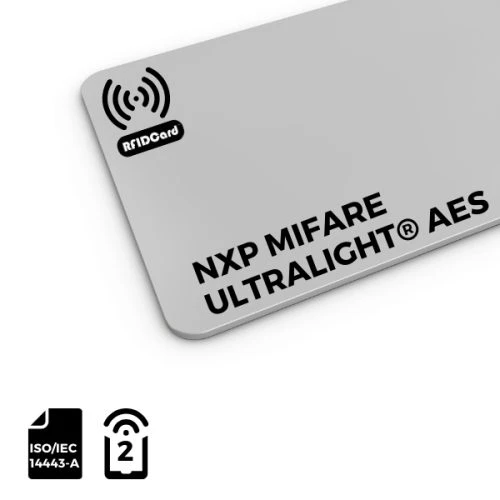
MIFARE Ultralight® AES PVC RFID Card

MIFARE Ultralight® AES PVC card is a contactless smart card based on MIFARE Ultralight AES chip, which supports AES encryption authentication, provides excellent performance and security, and is the highest security card in the MIFARE Ultralight® series. The card is made of PVC material and is widely used in access control, public transportation, ETC, events management, etc.
IMPORTANT NOTICE: All MIFARE Ultralight® AES cards supplied on this site is factory default (non-encrypted) version.