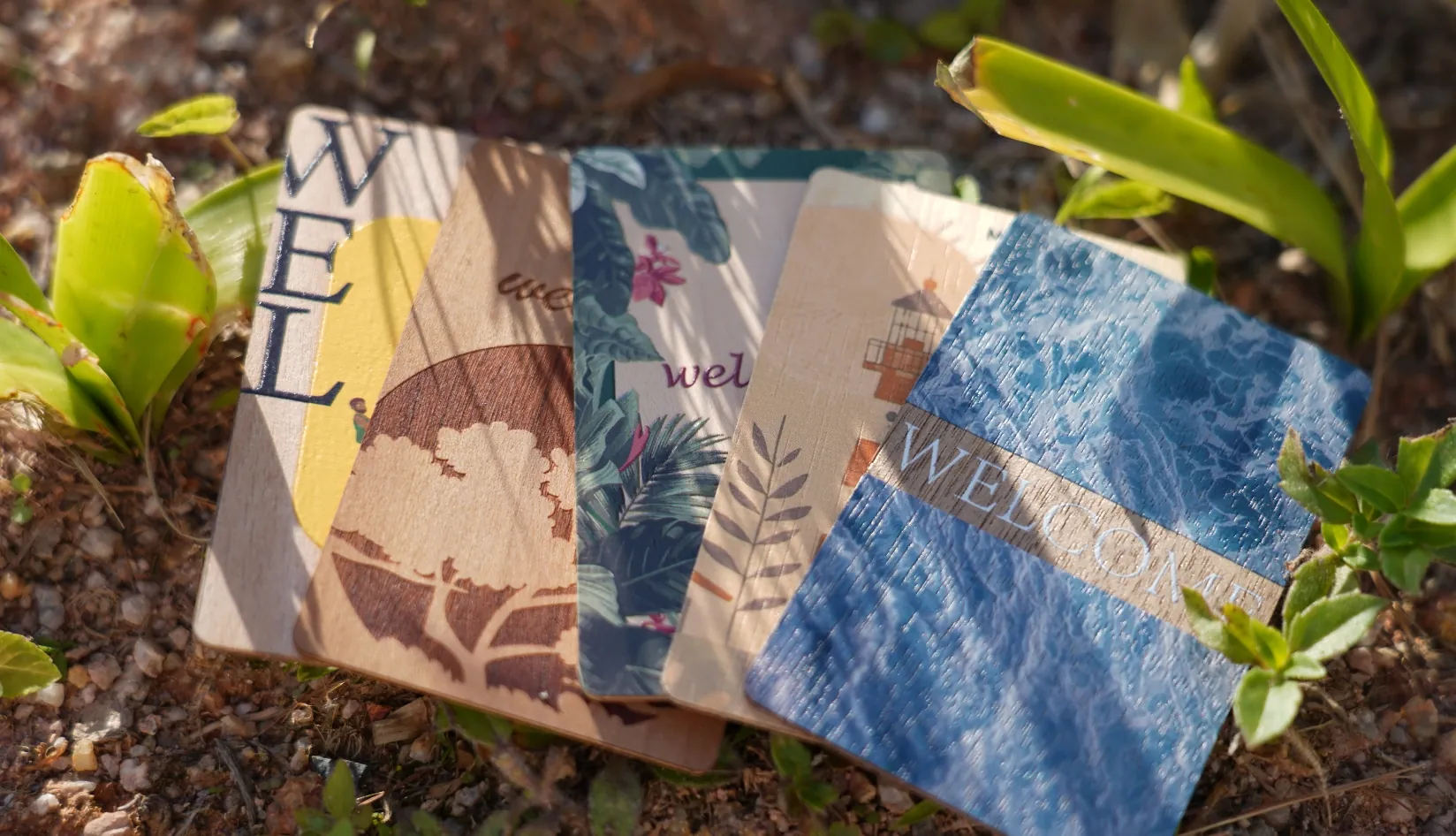
Today, sustainability has become a core focus across industries—and the hospitality sector is no exception. An increasing number of hotels are replacing traditional PVC key cards with more sustainable RFID cards. This shift not only demonstrates a strong commitment to environmental responsibility but also helps create a positive and memorable impression on guests. However, many hoteliers still have concerns about potential compatibility issues with existing door lock systems, as well as the durability of these sustainable cards. In this article, we will provide a comprehensive overview of everything hotels need to know before adopting sustainable RFID cards—helping you make informed decisions that align with both your sustainability goals and operational requirements.
1. Why Hotels Are Adopting Sustainable RFID Cards
The drive toward sustainability in the hospitality sector is fueled by a combination of regulatory pressures, corporate responsibility, and evolving consumer expectations. As hotels strive to meet ambitious sustainability goals, reducing the volume of single-use plastics has become a top priority. By integrating sustainable RFID cards into their operations, hotels can achieve a measurable reduction in their environmental footprint while simultaneously enhancing their brand positioning as forward-thinking and responsible entities.

According to industry data, a significant majority of guests report a more positive perception of a hotel brand after interacting with eco-conscious touchpoints. This shift in brand image is not merely about marketing; it is about meeting a fundamental expectation for ethical and sustainable operations.
2. Compatibility with Existing Hotel Lock Systems
One of the primary concerns for hotel operators considering a transition to eco-friendly materials is the technical compatibility with their existing infrastructure. It is a common misconception that switching to a sustainable material requires a complete overhaul of the electronic locking system. In reality, the “intelligence” of the key card resides in the RFID chip and antenna embedded within the material, not the material itself.
3. Cost Analysis: Are Sustainable RFID Cards More Expensive?
A common concern is cost. While it is true that materials like premium wood or specialized biodegradable polymers may carry a higher upfront cost compared to mass-produced PVC, a holistic ROI analysis often reveals a more nuanced picture. The cost difference is frequently offset by the intangible value of brand enhancement and the potential for improved guest retention.
| Cost Factor | Traditional PVC Cards | Sustainable RFID Cards |
| Upfront Unit Cost | Lowest | Moderate to High |
| Durability | High | Variable (Wood is high; Paper is lower) |
| Marketing Value | Minimal | Significant (Brand storytelling) |
| Disposal Cost | Environmental liability | Low to Zero (Biodegradable/Recyclable) |
4. Sustainability: Real Environmental Impact or Just Marketing?

The term “sustainable” is often used broadly, making it crucial for hotel managers to distinguish between genuine environmental benefits and “greenwashing.” The true impact of an RFID card is determined by its entire lifecycle—from raw material extraction and production to its eventual disposal. Sustainable options typically fall into three categories: recyclable, biodegradable, and renewable.
- Renewable Materials: Wooden cards sourced from FSC-certified forests are a prime example. They utilize a renewable resource and require significantly less energy to produce than plastic.
- Biodegradable Alternatives: Materials like BioPoly™ Vinyl are designed to break down in landfill conditions within 3 years, whereas PVC can persist for centuries.
- Paper-Based Solutions: 100% plastic-free paper cards with paper-based antennas represent the pinnacle of waste reduction, as they are fully recyclable and compostable.
5. Guest Experience and Brand Perception
Sustainable RFID cards can significantly enhance guest perception when implemented thoughtfully. Wooden cards, in particular, create a strong first impression. Their texture, weight, and natural appearance convey a sense of quality and exclusivity that standard plastic cards cannot match.

From a branding perspective, sustainable materials can reinforce:
- Eco-conscious positioning
- Premium guest experience
- Attention to detail
Importantly, when properly manufactured, sustainable RFID cards do not compromise functionality. Guests should experience the same seamless access as with traditional cards.
In many cases, the difference is not in performance—but in perception.
6. When Should Hotels Switch to Sustainable RFID Cards?

While the benefits of sustainable RFID cards are clear, the timing of the transition should be strategically planned to maximize impact and minimize operational friction. There are several ideal scenarios for implementing a switch:
- Brand Repositioning or Rebranding: If a hotel is undergoing a refresh to target a more upscale or eco-conscious demographic, switching key cards is one of the most visible ways to signal this change.
- Sustainability Initiative Rollouts: Many hotel groups set annual targets for plastic reduction. Introducing sustainable cards is an “easy win” that provides a tangible example of progress toward these goals.
- Opening of New Properties: For new builds, starting with sustainable cards from day one establishes the brand’s commitment to the environment and avoids the need for a later transition.
7. How to Choose the Right Sustainable RFID Card Supplier
Selecting the right supplier is critical to ensuring both performance and sustainability.

Hotels should evaluate suppliers based on:
- Material quality and sourcing transparency
- RFID chip reliability and compatibility
- Customization capabilities (design, branding, finishes)
- Experience in hospitality projects
RFIDCard is a premier manufacturer and supplier with over 10 years of experience in providing high-quality RFID solutions to the global hospitality industry. We offer a diverse range of eco-friendly options, which are engineered for seamless compatibility with leading lock systems.
8. Conclusion
A simple key card can do more than enhance the guest experience—it also communicates a hotel’s commitment to social responsibility and sustainability. For hoteliers looking to transition toward greener operations, starting with something as small as a key card is a practical and meaningful first step.
RFIDCard is here to help you achieve your sustainability goals with smarter, eco-friendly solutions.
Recommended Product

100% Plastic-Free RFID Paper Card NXP® MIFARE Ultralight® EV1

The 100% plastic-free RFID Paper Card uses an innovative paper-based antenna to replace traditional plastic and PET structures, significantly reducing environmental impact. As the industry’s first developer of paper-based antenna RFID cards, we are committed to advancing truly 100% eco-friendly RFID solutions. Powered by the NXP® MIFARE Ultralight® EV1 chip and compliant with ISO/IEC 14443-A, it ensures reliable contactless performance for access control and identification applications.

BioPoly™ Stone Generic Hotel Key Card
The NXP MIFARE Classic® EV1 1K (MIFARE® S50) and NXP MIFARE Ultralight® C RFID Hotel Cards are fully comply with ISO/IEC 14443-A. The Key cards are made with BioPoly™ Stone in the size of CR80.

Wooden Generic Hotel Key Card
The NXP MIFARE Ultralight® C and NXP MIFARE Ultralight® AES RFID Hotel cards fully comply with ISO14443-A. The Key cards are made with Wooden in the size of CR80.
IMPORTANT NOTICE: All MIFARE Ultralight® AES cards supplied on this site is factory default (non-encrypted) version.

BioPoly™ Vinyl Generic Hotel Key Card
The NXP MIFARE® DESFire® C RFID Hotel cards fully comply with ISO/IEC 14443-A. The Key cards are made with photo-quality standard BioPoly™ Vinyl in the size of CR80.