


In the contemporary hospitality landscape, hotel key cards serve as more than mere access tools; they are integral to the guest experience and operational efficiency. For decades, plastic key cards have been the ubiquitous standard, facilitating seamless entry into rooms and access to hotel amenities. However, the environmental repercussions of this reliance on plastic have become increasingly undeniable. Billions of plastic key cards are produced every year. They contribute heavily to landfill waste, ocean pollution, and the spread of microplastics. Each card takes hundreds of years to decompose. This unsustainable trajectory has spurred a critical re-evaluation within the industry, paving the way for innovative and eco-conscious alternatives. Among these, wooden hotel key cards have emerged as a leading solution, offering a compelling blend of sustainability, functionality, and enhanced guest perception.
The Environmental Impact of Plastic vs. Wooden Cards
The environmental impact of plastic and wooden key cards is strikingly different. This contrast highlights the urgent need for change in the hospitality industry. Traditional plastic cards, predominantly made from polyvinyl chloride (PVC), are petroleum-based products. Their production involves processes that emit high levels of greenhouse gases, contributing to climate change. Once discarded, these cards are largely non-biodegradable, persisting in the environment for centuries. These cards accumulate in landfills and leach harmful chemicals into the soil and water. Over time, they break down into microplastics that infiltrate ecosystems and food chains, posing serious threats to wildlife and human health. The sheer volume of cards—often used for a single stay and then discarded—creates an immense and avoidable waste problem.

In contrast, wooden hotel key cards offer a dramatically reduced ecological footprint. Wood is sourced from renewable resources and is inherently biodegradable. This means these cards can naturally decompose at the end of their lifecycle, returning to the earth without leaving lasting pollutants.The production of wooden cards generally involves lower energy consumption and fewer harmful chemicals compared to plastic. A comprehensive lifecycle comparison reveals that from raw material extraction to disposal, wooden cards consistently outperform plastic in terms of environmental sustainability. Their renewable nature and ability to decompose naturally make them a cornerstone of eco-friendly hotel operations. This aligns with global efforts to combat plastic pollution and promote a circular economy.
Sustainable Materials Used in Wooden Key Cards
The sustainability of wooden hotel key cards is deeply rooted in the choice of materials and the manufacturing processes employed. Leading manufacturers prioritize responsibly sourced wood, often utilizing materials certified by organizations like the Forest Stewardship Council (FSC). FSC certification ensures that the wood comes from forests managed in an environmentally appropriate, socially beneficial, and economically viable manner. Common wood types include bamboo, walnut, maple, and beech, all chosen for their rapid renewability and durability. Bamboo, in particular, is lauded for its fast growth rate and minimal environmental impact during cultivation.
Beyond the core material, the coatings and finishes applied to wooden key cards are also selected for their eco-friendliness. Biodegradable coatings and natural waxes are used to protect the cards from wear and moisture without introducing harmful chemicals. Furthermore, manufacturers design the production processes to be as eco-conscious as possible. They often use low-energy techniques and minimize chemical use. Some innovative approaches even use recycled wood fibers or composite materials. These methods further enhance the cards’ environmental credentials. This holistic approach to material selection and production ensures that the entire lifecycle of a wooden key card adheres to the highest standards of sustainability.
Advantages of Wooden Hotel Key Cards for Sustainability
The adoption of wooden hotel key cards brings a multitude of advantages. These extend beyond environmental benefits to include branding, guest perception, and operational efficiency:
- Eco-friendly Impact: The most significant advantage is the drastic reduction in plastic waste. Wooden cards are compostable at the end of their life. They contribute to a circular economy where resources are reused or returned to nature. Replacing every million traditional key cards prevents approximately 5 tons of plastic waste. This makes a tangible difference in the fight against plastic pollution.
- Enhanced Branding & Guest Perception: In an era where travelers are increasingly eco-conscious, a hotel’s commitment to sustainability can be a powerful differentiator. Offering wooden key cards signals a genuine dedication to green practices, enhancing the hotel’s brand image and resonating positively with guests. This can lead to increased guest loyalty and attract a growing segment of environmentally aware consumers.
- Durability and Reusability: Contrary to common misconceptions, high-quality wooden key cards are often more durable and resilient than their plastic counterparts. They are less prone to bending, cracking, or snapping, which can extend their lifespan and reduce the need for frequent replacements. This durability also supports reusability, as cards can be collected, sanitized, and reprogrammed for future guests, further minimizing waste.
- Contribution to a Circular Economy: Some forward-thinking manufacturers offer take-back programs, allowing hotels to return used wooden key cards for proper composting or recycling. This closes the loop, ensuring that the materials are either reintegrated into the natural cycle or repurposed, embodying the principles of a circular economy.
Adoption Trends in the Hospitality Industry
The shift towards wooden hotel key cards is not merely a theoretical concept. It is a tangible trend gaining momentum across the global hospitality industry. Eco-conscious hotels, ranging from luxury resorts to boutique establishments and green-certified properties, are actively making the switch. Notable examples include Mandarin Oriental, which introduced bamboo and wood key cards. Many other hotels are also seeking to align their operations with a sustainability ethos. This trend is often driven by:
- Sustainability Certifications: Hotels pursuing certifications like LEED (Leadership in Energy and Environmental Design) or Green Key Global find that adopting wooden key cards helps them meet stringent environmental criteria and enhance their overall sustainability scores.
- Growing Guest Demand: Modern travelers, particularly younger generations, are increasingly prioritizing sustainability when making booking decisions. Hotels that demonstrate a commitment to environmental responsibility are more likely to attract and retain these guests, who are willing to pay a premium for eco-friendly experiences.
- Corporate Social Responsibility (CSR): Many hotel chains are integrating sustainability into their broader CSR strategies. They recognize that environmental stewardship benefits not only the planet but also business reputation and long-term viability.
RFID/NFC Compatibility and Practical Use
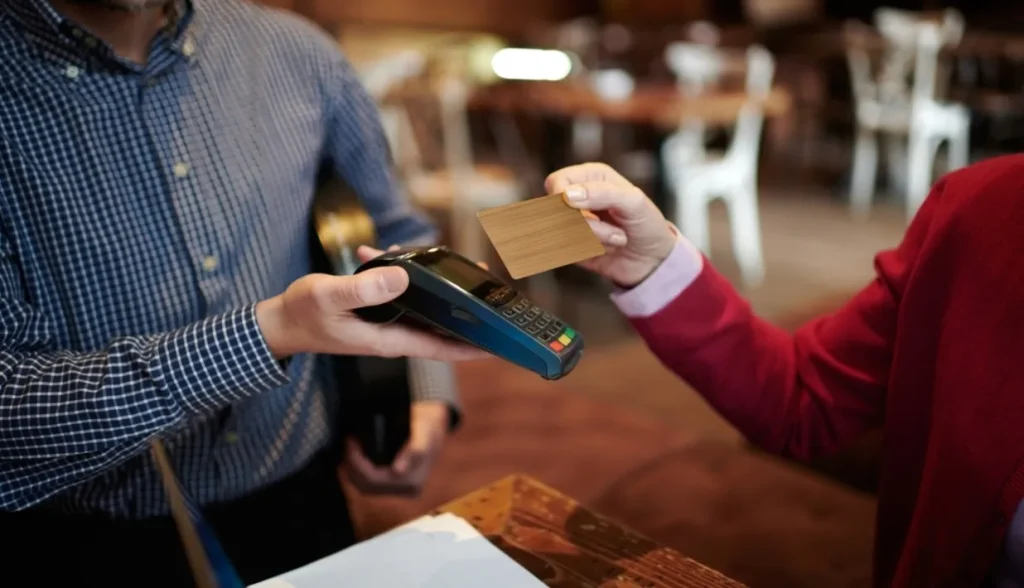
A critical factor in the successful adoption of wooden hotel key cards is their seamless compatibility with existing hotel technology. Far from being a step backward in functionality, hotels fully integrate these cards with modern systems, leveraging advanced RFID (Radio-Frequency Identification) and NFC (Near Field Communication) technologies. The wooden exterior is meticulously engineered to house the embedded chip without compromising signal strength or reliability. This ensures that guests can enjoy the same level of convenience and security they expect from traditional plastic cards, including:
- Electronic Lock Integration: Wooden key cards work flawlessly with electronic door locks, providing secure and efficient room access. The embedded RFID or NFC chip communicates with the lock system, granting or denying entry based on programmed credentials.
- Access Control: Beyond room entry, these cards can be programmed to control access to various hotel areas, such as gyms, pools, executive lounges, and parking facilities, offering a comprehensive access management solution.
- Payment and Room Service Features: In some advanced systems, hotels integrate wooden key cards with payment functionalities, allowing guests to charge services directly to their room. They can also facilitate room service orders or activate in-room amenities, enhancing the overall guest experience.
- Chip Options and Future-Proofing: Hotels can choose from a variety of chip options (e.g., MIFARE, NTAG, HID) to match their specific locking system requirements. As technology continues to evolve, designers equip wooden cards to support upgrades. This makes them a sustainable and future-proof investment. They can adapt to emerging security and convenience features.
Conclusion
In conclusion, the transition to wooden hotel key cards represents a pivotal moment for the hospitality industry, offering a powerful solution to the environmental challenges posed by traditional plastic. These eco-friendly alternatives not only drastically reduce plastic waste and carbon footprint but also enhance a hotel’s brand image, resonate with environmentally conscious guests, and contribute to a more sustainable, circular economy. With their proven durability and seamless compatibility with cutting-edge RFID and NFC technologies, wooden key cards demonstrate that sustainability does not necessitate a compromise on functionality or guest experience. By embracing these innovative solutions, hotels can differentiate themselves in a competitive market, reinforce their commitment to environmental stewardship, and pave the way for a greener, more responsible future in hospitality.
Recommended Product
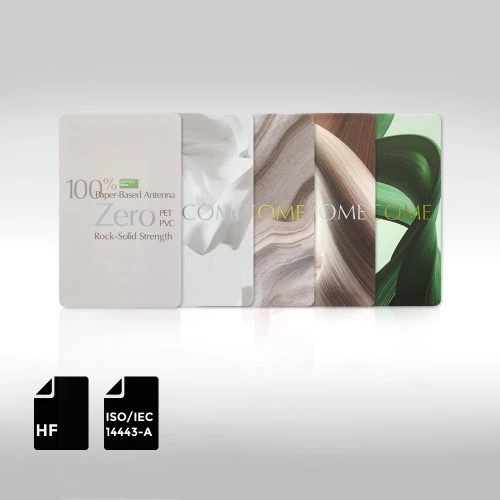
BioPoly™ Stone RFID Card Made with 100% Paper-Based Antenna NXP® MIFARE Ultralight® EV1

The RFID BioPoly™ Stone Card Made with 100% Paper-Based Antenna is designed for brands seeking high performance with a lower environmental footprint. Featuring a Zero PET, Zero PVC paper-based antenna combined with durable BioPoly™ Stone, it delivers rock-solid strength and reliable RFID performance. As the industry’s first developer of paper-antenna RFID cards, we continue to advance eco-friendly RFID solutions through sustainable innovation. Powered by NXP® MIFARE Ultralight® EV1 and compliant with ISO/IEC 14443-A, it is ideal for access control and identification applications.



