
In 2026, the hotel key card has become a strategic touchpoint—one that affects guest experience, security, sustainability goals, and brand perception. While mobile keys and digital wallets continue to grow, physical RFID hotel key cards remain essential across most properties worldwide, from budget hotels to luxury resorts. This guide explores the main types of hotel key cards used in 2026, explains why different hotels choose different materials, and provides a practical framework to help you select the right RFID key card for your property.
1. Core Criteria Hotels Should Use When Choosing RFID Key Cards
Selecting the appropriate key card requires a holistic evaluation that extends beyond mere cost. Hotels must weigh four critical factors to ensure their choice aligns with their brand values and operational needs.

1.1 Technology Compatibility
Modern RFID hotel key cards operate primarily on the High Frequency (HF) 13.56 MHz band, adhering to standards like ISO/IEC 14443. This standard is crucial as it dictates compatibility with major hotel lock systems, including those from industry leaders such as Salto, Dormakaba, Onity, and Saflok.
1.2 Guest Experience & Durability
The key card is often the first physical item a guest interacts with upon check-in, making it a silent ambassador for the brand. A premium guest experience demands a card that is reliable, durable, and aesthetically pleasing. Factors such as card thickness, surface finish, and tactile feel contribute significantly to the perceived quality.
Operationally, durability is key to minimizing replacement costs and front-desk friction. A card that fails prematurely due to delamination, cracking, or poor read reliability at doors and elevators creates a negative guest experience. The material must withstand typical hotel use, without compromising the embedded RFID chip.
1.3 Sustainability & Environmental Impact
The hospitality industry is under increasing scrutiny to reduce its environmental footprint. With millions of key cards discarded annually, the issue of plastic waste is paramount. Hotels are now actively seeking alternatives to traditional PVC, which can take centuries to decompose.
The shift involves a life-cycle consideration of the card: from the sourcing of raw materials to the end-of-life disposal. Eco-friendly options, such as those made from wood, stone-based composites, or paper, allow hotels to align with global ESG targets and appeal to the growing segment of environmentally conscious travelers.
1.4 Branding & Customization
A key card is a miniature billboard. High-quality printing, clear logo representation, and consistent color matching are essential for brand reinforcement. Premium materials offer a strong point of differentiation. For luxury and lifestyle brands, the key card contributes to the first in-room impression, signaling attention to detail and a commitment to quality that extends to every aspect of the stay.
2. Overview: The Main Types of Hotel Key Cards in 2026
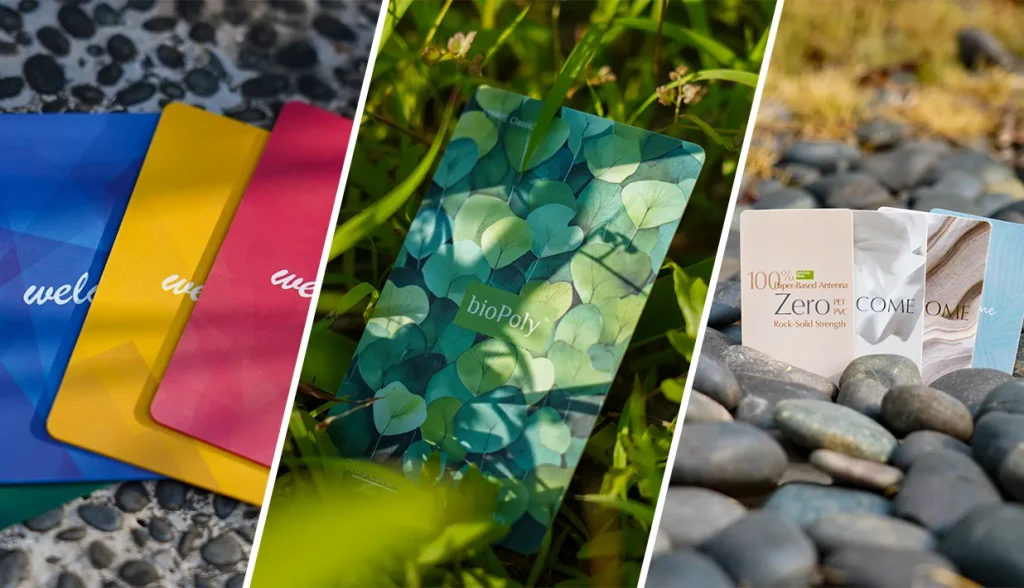
The market for types of hotel key cards has diversified significantly, moving from a single plastic standard to a spectrum of material choices. These can be broadly categorized into three main groups: PVC-based, Reduced-Plastic Alternatives, and 100% Plastic-Free solutions. Choosing the right material is now a strategic decision that reflects a hotel’s values and target demographic.
3. PVC RFID Key Cards: The Industry Standard
Best for: Large hotels, budget-conscious chains, high turnover properties.
Polyvinyl Chloride (PVC) cards remain the most widely used globally due to their low unit cost and mature, stable supply chain. They offer excellent print quality and are highly compatible with existing thermal printers and encoding equipment. However, their primary limitation is their environmental impact. As sustainability regulations tighten and consumer awareness grows, reliance on PVC is becoming a liability, offering little differentiation for premium brands.
PVC still makes operational sense for high-volume hotels with short-stay guests where replacement frequency is high and cost is the overriding factor.

4. Wooden RFID Key Cards: Natural Look, Boutique Appeal
Best for: Boutique hotels, resorts, eco-lodges.
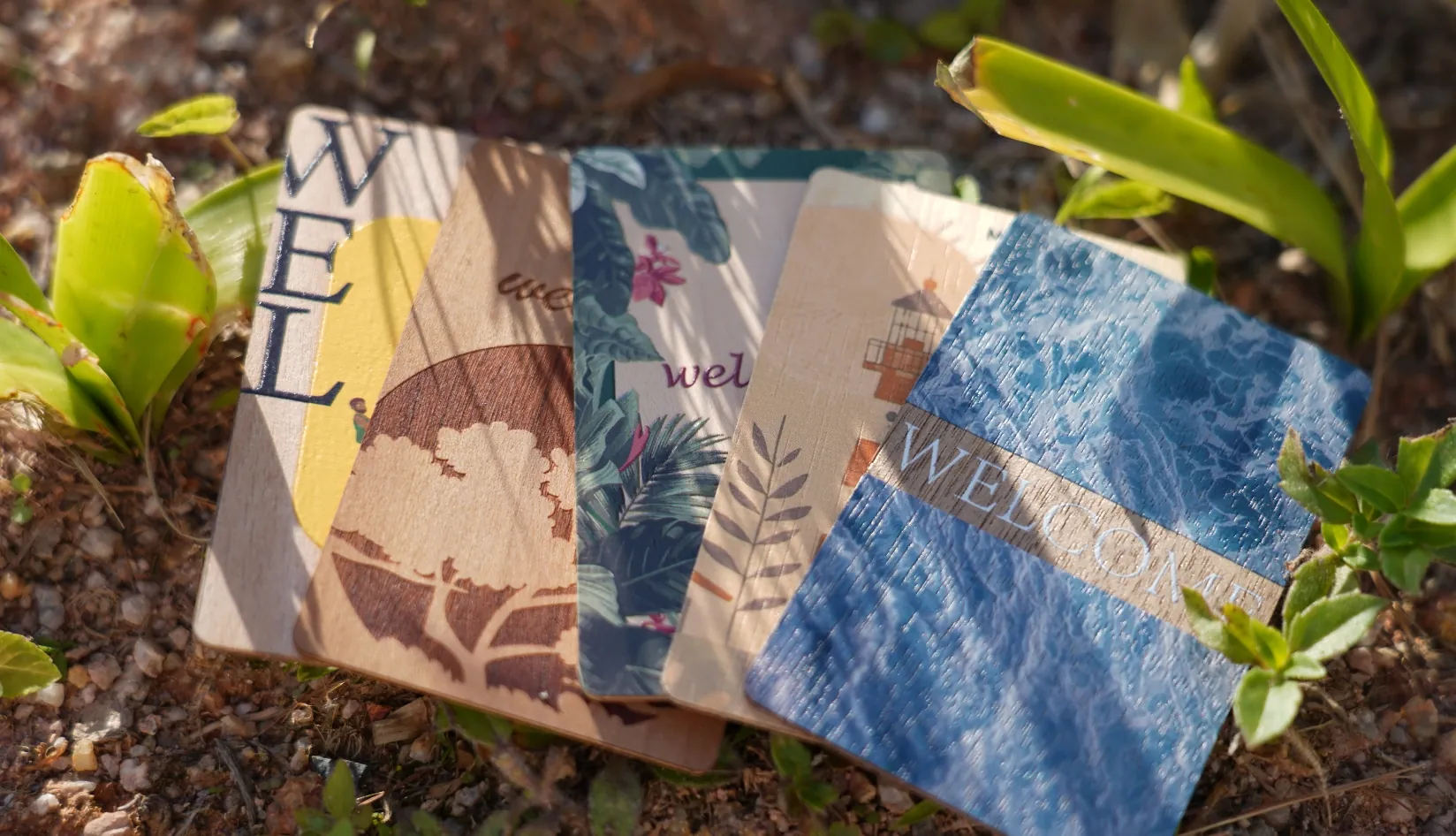
Wooden key cards offer a natural aesthetic and a unique tactile warmth that strongly aligns with eco-conscious branding. They provide a strong emotional impact on guests, often serving as a visible sustainability touchpoint. While generally as durable as PVC for typical hotel stays, hotels must consider the trade-offs between their unique appeal and the potential for long-term wear compared to synthetic materials. They are an excellent choice for properties where the guest experience is centered on nature, wellness, or bespoke design.

5. BioPoly™ Vinyl RFID Key Cards: A Practical Step Toward Sustainability
Best for: Hotels transitioning away from PVC without operational risk.
BioPoly™ Vinyl represents a practical, transitional solution. It is an oxo-biodegradable PVC that incorporates bio-based additives, allowing it to be fully degraded within three years under landfill conditions. Crucially, BioPoly™ Vinyl has a look and feel similar to traditional PVC, making it a drop-in replacement that requires no changes to existing printers or lock systems.
This material is ideal for mid-to-upscale hotels and chains that have set ESG targets but remain sensitive to cost and operational continuity. It offers a measurable reduction in long-term plastic waste without introducing new operational complexities.

6. BioPoly™ Stone RFID Key Cards: Premium Feel with Reduced Plastic
Best for: Luxury hotels, design-led brands.
BioPoly™ Stone is a stone-based composite material, primarily composed of calcium carbonate, which significantly reduces the plastic content. This material offers a premium, weighty feel and a unique, sophisticated appearance that immediately differentiates it from standard plastic cards.
As durable as traditional plastic, BioPoly™ Stone is a powerful tool for luxury hotels seeking to reinforce their premium brand positioning and offer a higher perceived value to their guests. It is a material choice that speaks to both design excellence and a commitment to reduced plastic use.

7. 100% Plastic-Free RFID Key Cards: The Future-Proof Choice
Best for: Sustainability-driven hotels, ESG leaders, innovative brands.
RFIDCard is the first company in the industry to develop RFID cards with a paper-based antenna. The core innovation behind the 100% Plastic-Free RFID Key Card is the replacement of the traditional plastic antenna inlay with a paper-based antenna, printed using specialized, environmentally certified ink. This design significantly reduces plastic use while maintaining reliable RFID performance. The card’s entire structure is fiber-based, making it fully recyclable and biodegradable.

These cards use high-performance chips, ensuring that the transition to sustainability does not compromise RFID reliability or security. While their durability is sufficient for typical hotel stays, their primary value lies in the visible and verifiable action they represent in actively reducing single-use plastics. For hotels aiming to be ESG leaders, this choice is the most future-proof, aligning perfectly with the highest standards of environmental responsibility.
8. How to Choose the Right Hotel Key Card Type in 2026
The decision-making process should be guided by a clear understanding of the hotel’s brand, budget, and sustainability goals. The following table provides a comparative summary of the main types of hotel key cards available today.
| Feature | PVC | Wooden | BioPoly™ Vinyl | BioPoly™ Stone | 100% Plastic-Free |
| Primary Material | Polyvinyl Chloride | FSC-Certified Wood | Oxo-Biodegradable PVC | Calcium Carbonate Composite | Coated Paper & Paper Antenna |
| Sustainability Impact | High Plastic Waste | High | Reduced Plastic, Biodegradable | Reduced Plastic | Zero Plastic, Fully Recyclable |
| Best For | Budget, High-Volume | Boutique, Eco-Lodges | Mid-Scale, ESG Transition | Luxury, Design-Led | ESG Leaders, Innovation |
| Cost (Relative) | Lowest | Medium-High | Low-Medium | Medium-High | Medium |
9. Future Trends in Hotel Key Cards

Despite the rise of mobile keys, physical RFID cards are not disappearing. Instead, they are evolving.
Key trends include:
- Coexistence of mobile keys and RFID cards
- Thinner, lighter, more sustainable materials
- Greater guest awareness of “invisible” sustainability details
Hotels that understand the full landscape of types of hotel key cards will be better positioned to adapt.
10. Conclusion
In 2026, a hotel key card is more than an access credential. It reflects a hotel’s priorities—security, guest experience, sustainability, and brand identity. By understanding the different types of hotel key cards, hoteliers can make informed decisions that reduce operational friction, support sustainability goals, and leave a lasting impression on guests. RFIDCard offers a full range of RFID hotel key cards across different materials and sustainability levels. Contact us to explore the right option for your hotel and request samples or technical advice!
FAQs
1. Are eco-friendly hotel key cards as reliable as traditional PVC cards?
Yes. Bio-based and plastic-free RFID key cards are designed to meet hotel access requirements, including stable readability and system compatibility. The key difference lies in material composition, not core RFID performance.
2. Are plastic-free hotel key cards durable enough for daily hotel use?
100% plastic-free RFID key cards are well suited for typical hotel stay. They are designed for reliable access during a guest’s stay while significantly reducing plastic waste compared to traditional cards.
3. Can different types of hotel key cards work with existing lock systems?
Most RFID hotel key cards can be manufactured to support major hotel lock systems. However, it is important to confirm chip type, frequency, and printing compatibility before switching to a new card material.
Recommended Product
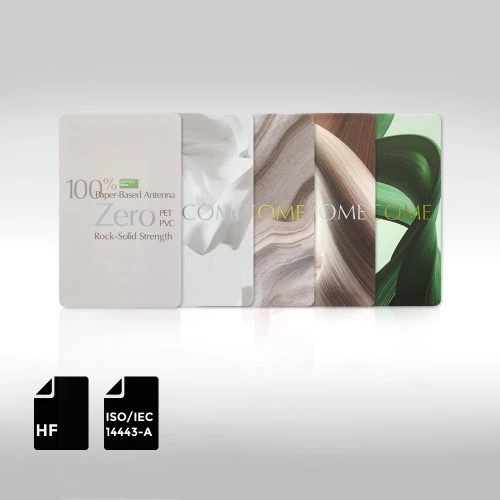
BioPoly™ Stone RFID Card Made with 100% Paper-Based Antenna NXP® MIFARE Ultralight® EV1

The RFID BioPoly™ Stone Card Made with 100% Paper-Based Antenna is designed for brands seeking high performance with a lower environmental footprint. Featuring a Zero PET, Zero PVC paper-based antenna combined with durable BioPoly™ Stone, it delivers rock-solid strength and reliable RFID performance. As the industry’s first developer of paper-antenna RFID cards, we continue to advance eco-friendly RFID solutions through sustainable innovation. Powered by NXP® MIFARE Ultralight® EV1 and compliant with ISO/IEC 14443-A, it is ideal for access control and identification applications.
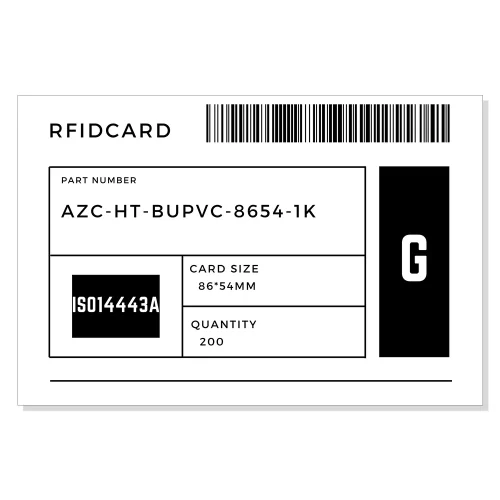
Hotel Key Card
Our ColorEdge™ card is designed to deliver a premium experience beyond traditional white PVC cards. Made with advanced ColorEdge™ material, it provides reliable room access while enhancing the visual appeal with a refined, stylish finish. Combining functionality, durability, and elegant design, this card helps hotels create a more memorable guest experience while reflecting a modern and sophisticated brand image.

BioPoly™ Vinyl Generic Hotel Key Card
The NXP MIFARE® DESFire® C RFID Hotel cards fully comply with ISO/IEC 14443-A. The Key cards are made with photo-quality standard BioPoly™ Vinyl in the size of CR80.

Wooden Generic Hotel Key Card
The NXP MIFARE Ultralight® C and NXP MIFARE Ultralight® AES RFID Hotel cards fully comply with ISO14443-A. The Key cards are made with Wooden in the size of CR80.
IMPORTANT NOTICE: All MIFARE Ultralight® AES cards supplied on this site is factory default (non-encrypted) version.