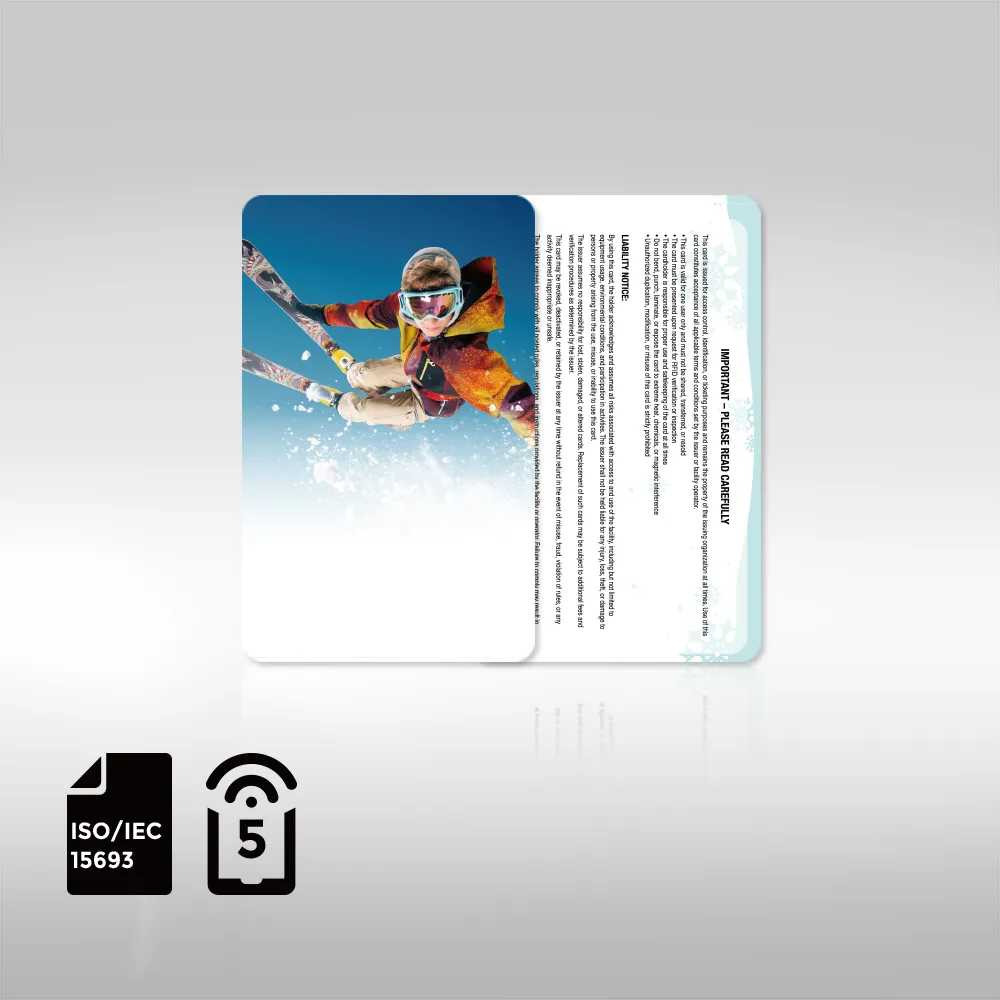

Picture this: a worker in a sleek, modern office building. They just need to tap their RFID card against the reader, and bam! The door swings open, thanks to the access control system automatically recognizing them. This super convenient contactless identification method is all made possible by HF RFID technology. As RFID is used more and more everywhere, it’s becoming crucial in all sorts of fields, especially for access control and payment systems.
Now, what’s driving HF RFID? It’s all about different protocols, like ISO/IEC 14443 and ISO/IEC 15693. These protocols lay out the ground rules for how RFID tags and readers communicate with each other. In this piece, we’ll dive into the features and uses of these protocols and shine a light on their importance in the world of modern RFID tech.

HF RFID Protocols Overview
Basic Principles and Features of HF RFID
How HF RFID Works
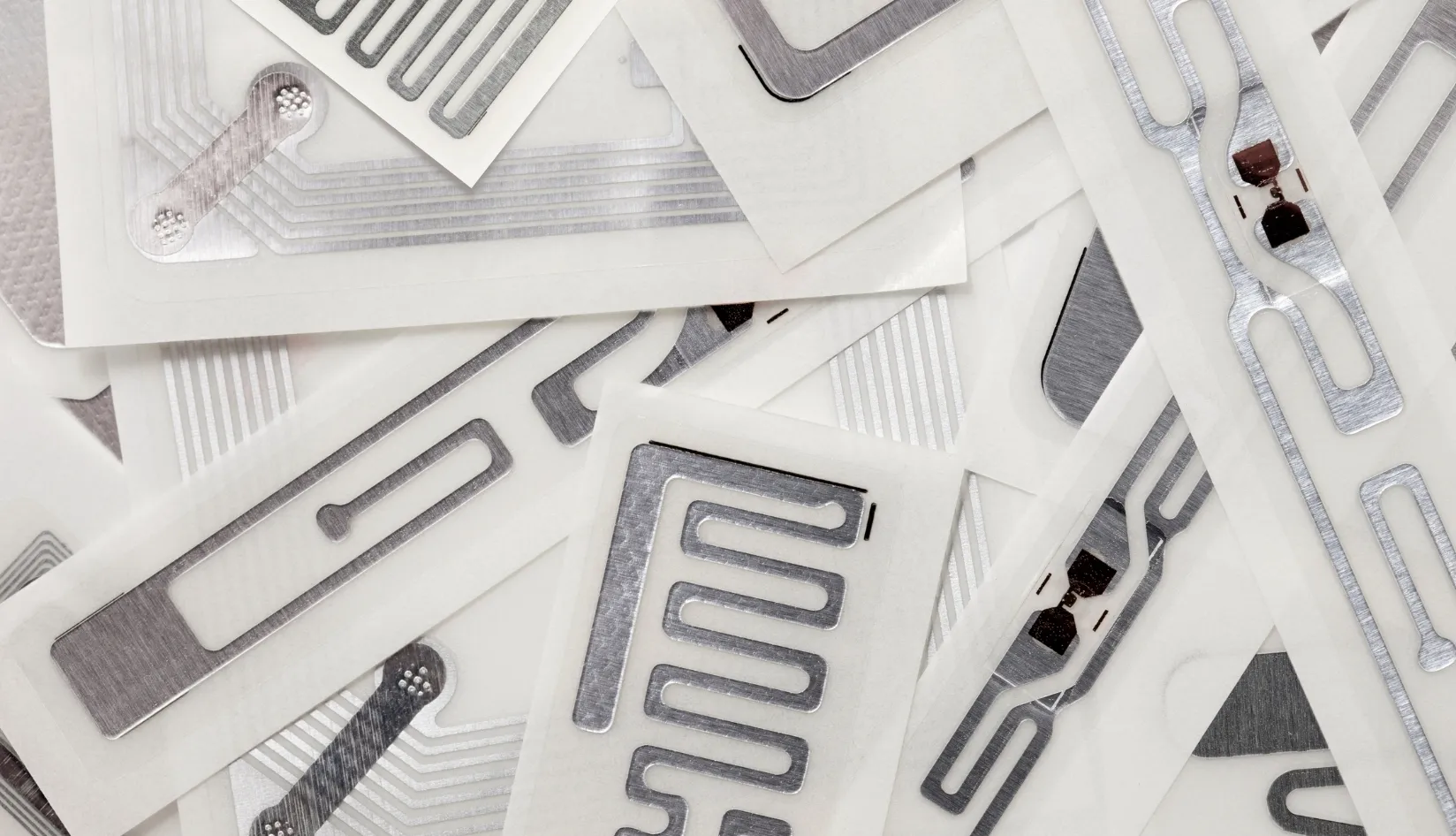
A typical HF RFID ( High-Frequency Radio-Frequency Identification) system consists of three components: RFID tags (or “cards”), RFID readers, and a data processing system. Each RFID tag has a chip and antenna for data storage, while the reader communicates with the tag through radio waves to retrieve the stored information. The data processing system then processes that data.
High-frequency RFID operates at a frequency of 13.56 MHz and typically uses passive tags that don’t need batteries. These tags harness energy from the electromagnetic waves emitted by the reader to reflect signals and send back data.
Features of HF RFID
Strong Security: HF RFID systems support robust encryption and authentication methods to ensure secure data transmission. Especially in applications like payment systems and access control, RFID protocols can use complex encryption algorithms to keep information secure from theft.
Good Compatibility: HF RFID technology offers strong compatibility across devices. With standardized protocols (like ISO/IEC 14443, ISO/IEC 15693), devices from different manufacturers typically work seamlessly together, guaranteeing interoperability across systems.
Fast and Convenient: HF RFID enables quick data exchange, usually completing recognition and information transfer in just milliseconds. This efficiency makes RFID great for situations needing a speedy response, like traffic payments and identity checks.
Contactless: Unlike old-school barcodes or magnetic stripe cards, RFID tech doesn’t require physical contact for data exchange. Users just need to bring the RFID tag near the reader to transfer info, improving user experience and minimizing wear.
Key Components of RFID Protocols
Data Encoding and Modulation Techniques
To ensure a smooth data transmission between RFID tags and readers, high-frequency RFID protocols utilize specific encoding and modulation techniques. Common modulation methods include:
ASK (Amplitude Shift Keying): Changes in signal amplitude to represent different binary data.
PSK (Phase Shift Keying): Alters the phase of the signal to send data.
Data encoding methods also ensure reliable information transfer in noisy environments. Different protocols (like ISO/IEC 14443 and ISO/IEC 15693) use various encoding schemes to achieve the best signal transmission quality.
Communication Protocols
The main role of RFID communication protocols is to ensure that tags and readers can successfully and securely exchange data. Typically, high-frequency RFID protocols include several key steps:
Modulation and Demodulation: The RFID tag modulates data onto radio waves, and the reader demodulates it to retrieve the original info.
Backscatter: In battery-free passive tags, the reader activates the tag using electromagnetic waves, which the tag then uses to send info back via backscatter.
Data Handshake: Before starting communication, the tag and reader initialize and verify readiness to ensure both are set for data transfer.

Feathers and Applications of 5 Common HF RFID Protocols
HF RFID technology involves various protocol standards tailored to specific use cases. Common HF RFID protocols include ISO/IEC 14443, NFC, ISO/IEC 15693, ISO/IEC 18000-3, and FeliCa. Each protocol has its distinct characteristics and appropriate applications understanding these differences and advantages aids in choosing the right RFID technology solution.
ISO/IEC 14443 Protocol
ISO/IEC 14443 is a popular near-field RFID protocol commonly used in high-security situations requiring short-range communication. Running in the 13.56 MHz frequency area, this protocol is perfect for applications needing precise location tracking and tight data security. It comes in two types:
Type A: Produced by companies like NXP, it finds wide use in payment cards and identity checks.
Type B: Developed by Sony and other firms, it has a strong presence in Europe and parts of Asia, often seen in electronic passports.
Examples of chips include MIFARE Classic®, MIFARE® DESFire®, and I-Code, which are widely adopted across various RFID systems, providing solid security and ample storage capacity.
Key Features
Communication Range: The ISO/IEC 14443 protocol generally operates within a communication distance of 0-10 cm, making it suitable for applications where very close proximity and high security are crucial. This short distance is effective in averting remote threats, ensuring interactions only occur when objects or people are near the reader.
Data Transfer Speed: This protocol is capable of high-speed transmission, up to 848 kbps, facilitating swift data transfers. Thus, ISO/IEC 14443 excels in applications that demand quick processing, such as payment transactions and identity verification operations.
Capability for Multi-tag Reading: ISO/IEC 14443 usually cannot read multiple tags simultaneously. Due to its limited range and heightened security requirements, systems typically process each tag one at a time to maintain data accuracy and security.
Advantages
High Security: ISO/IEC 14443 protocols generally implement encryption techniques (like DES, 3DES, AES) to safeguard data, preventing unauthorized access or breaches.
Rapid Transfer Rate: It supports fast data transfer to accommodate the demands of high-speed transactions and identity checks.
Established Market Use: It is widely utilized in crucial sectors like payments and identity confirmation, with numerous real-world examples.
Application Scenarios
Contactless Payment Systems: Cards like Visa PayWave and MasterCard PayPass allow users to simply hold their cards near the payment terminal to quickly handle transactions.
Identity Verification Applications: ISO/IEC 14443 is commonly utilized for electronic passports, smart IDs, campus cards, and access control systems, enabling swift user identity checks through RFID tags.
Public Transport Payments: In cases like bus and subway cards, passengers just need to hold their cards near the reader for quick payment processing, offering a streamlined public transport experience.

NFC Protocol
NFC (Near Field Communication) is a short-range communication technology based on the ISO/IEC 14443 protocol, often used for quick data exchanges between smartphones and other devices. It’s particularly useful for mobile payments, device pairing, and electronic ticketing, with common chip types like NXP PN532, Sony FeliCa, and Broadcom BCM2079 found in smartphones and wearables.
Key Features
Communication Distance: NFC operates at a very short range, usually no more than 4 centimeters, ensuring secure and private data transfers. This limits unnecessary long-distance communication while allowing rapid, stable exchanges.
Data Transfer Rate: NFC supports low transfer rates, typically between 106 kbps to 424 kbps, best for small data transactions. This rate fits nicely with its primary uses in authentication and payments.
Multi-Tag Reading: Generally, NFC doesn’t support reading multiple tags at once. It’s designed for direct, one-on-one communication, ensuring accuracy and security with each data exchange.
Benefits
Two-Way Communication: NFC allows devices to send and receive data, making it versatile for pairing and authentication tasks.
Fast Interaction: NFC connections are nearly instant; simply bring devices close for quick data swaps, enhancing user convenience.
Low Power Use: Compared to other wireless tech, NFC uses less power, making it ideal for battery-powered devices like smartphones.
Application Scenarios
Mobile Payments: NFC is integral to services like Apple Pay and Google Pay, enabling users to make quick transactions by simply placing their phone near a payment terminal.
Device Pairing: It facilitates fast connections between smart devices and wearables, such as Bluetooth headphones or smartwatches, by allowing users to just bring devices together.
Electronic Ticketing: NFC also streamlines how users validate tickets for events, letting them simply hold their phones or NFC cards up to a reader for quick entry.

ISO/IEC 15693 Protocol
ISO/IEC 15693 is another popular high-frequency RFID protocol that supports longer communication distances (typically up to 1 meter) compared to ISO/IEC 14443. It’s designed for applications where data transfer rates are not as critical. This makes it ideal for inventory management and tracking due to its lower cost and greater flexibility. Common chip types include I-Code SLI, TI Tag-it, and Philips I-Code, which are often used in areas such as asset management and logistics tracking.
Key Features
Communication Distance: ISO/IEC 15693 has a longer communication range, typically up to 1 meter, allowing for more extensive read/write operations compared to the 0-10 cm range of ISO/IEC 14443. This feature makes it particularly suited for less secure environments that require a broader scanning range.
Data Transfer Rate: With a maximum data transfer rate of 26.4 kbps, ISO/IEC 15693 is relatively slow. This limitation makes it better suited for scenarios that require only small amounts of data exchange or where real-time transfer isn’t essential, enhancing its effectiveness for applications that need continuous tracking of numerous items.
Multi-tag Reading Capability: This protocol generally enables multi-tag reading; however, dense environments can hinder its performance. It demonstrates better performance than ISO/IEC 14443 when it comes to handling multiple tags but may still require optimization to boost efficiency.
Advantages
Extended Read/Write Distance: With the ability to reach up to 1 meter, ISO/IEC 15693 is perfect for applications that need to read tags from a distance.
Cost-Effectiveness: In comparison to other HF RFID protocols, ISO/IEC 15693 is generally cheaper, making it a more practical option for widespread deployment.
Ideal for Large-Scale Item Management: Its longer read range makes it exceptionally well-suited for asset tracking and inventory management, allowing for rapid scanning of multiple items across larger areas.
Application Scenarios
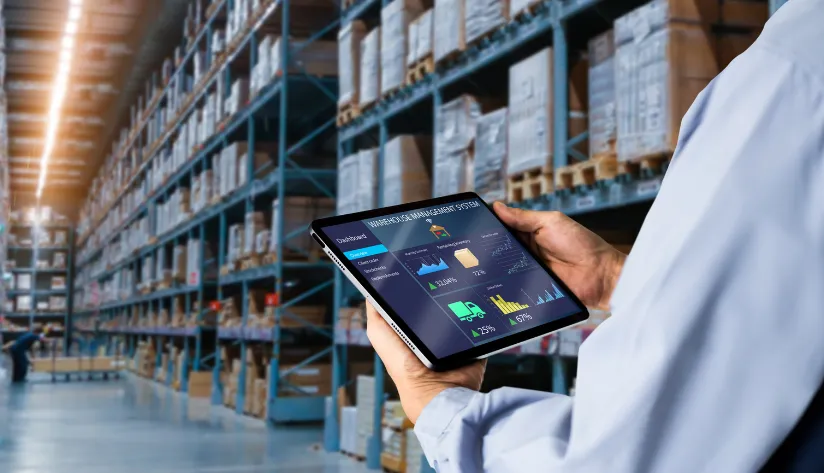
Asset Management: Warehouse management, equipment tracking, and inventory management frequently employ ISO/IEC 15693. RFID tags enable systems to quickly identify and locate assets, thereby reducing the workload associated with manual counts and enhancing management efficiency.
Logistics Tracking: This protocol is commonly used in cargo tracking and supply chain management. In logistics operations, RFID tags mark products, assisting companies in monitoring the status of shipments in real-time, ensuring that goods are accurate and timely.
Library Management: Within library management systems, ISO/IEC 15693 helps streamline the borrowing and returning of books. Once attached, RFID tags allow the system to automatically retrieve book information, reducing manual work and improving overall library operations.

ISO/IEC 18000-3 Protocol
ISO/IEC 18000-3 is a segment of the ISO/IEC 18000 series of standards designed for HF RFID devices. This standard operates at a frequency of 13.56 MHz and offers a standardized protocol aimed at promoting interoperability between various RFID devices. It primarily targets RFID applications like asset management and supply chain tracking. Common chip types include TI Tag-it and Impinj Monza, which allow for diverse applications and enable efficient data exchanges.
Key Features
Communication Distance: ISO/IEC 18000-3 typically offers a communication range similar to ISO/IEC 15693, reaching around 1 meter. Its standardized design allows it to adapt to different environments and industry demands, providing flexibility and compatibility across various applications.
Data Transfer Rate: This protocol supports several data transfer rates to fit different application needs. You can choose and adjust the rates based on specific applications, optimizing performance across diverse operational settings and facilitating data transactions ranging from low to high speeds.
Multi-tag Reading Capability: ISO/IEC 18000-3 protocols support multi-tag reading, which is especially beneficial for large-scale asset management, warehousing, and logistics operations. This feature allows systems to recognize and process multiple RFID tags simultaneously, enhancing both efficiency and speed.
Advantages
Standardized Protocol: Being one of the significant standards in the RFID sector, ISO/IEC 18000-3 delivers a consistent technical framework that facilitates interoperability among different devices and systems. Whether in local or global markets, RFID devices utilizing ISO/IEC 18000-3 can achieve compatibility across brands and platforms.
Flexibility for Cross-industry Applications: The design of the protocol lends itself well to broad application across various sectors, covering everything from logistics management to medical device tracking while offering consistent performance and reliability for diverse RFID needs.
Support for Efficient Multi-tag Read/Write: For expansive applications, ISO/IEC 18000-3 can support multiple tags reading, enhancing operational efficiency significantly, making it ideal for high-throughput scenarios.
Application Scenarios
Asset Management and Inventory Control: Sectors such as retail, logistics, and warehouse management extensively apply ISO/IEC 18000-3. With RFID technology, businesses can swiftly and accurately track the status and location of inventory items, bolstering inventory management efficiency and minimizing manual counting efforts.
Supply Chain Management: In the realm of supply chain management, ISO/IEC 18000-3 establishes data exchange standards between devices, fostering transparency and real-time information flow. This capability allows businesses to keep tabs on the shipping status of each item, ensuring comprehensive monitoring and optimization of the product journey from production to delivery.
FeliCa Protocol
FeliCa is an RFID protocol designed by Sony that operates on a 13.56 MHz frequency, mainly used in Japan and other parts of the Asia-Pacific region. This protocol builds on the ISO/IEC 14443 standard, enhancing it specifically for payment systems and transit management. FeliCa offers high security, fast communication, and reliable data exchange, making it a popular choice in finance and public transport. Common chip examples include Sony FeliCa and RC-S960, which find extensive use in payment and transit cards.
Key Features
Communication Distance: Typically, FeliCa operates at a distance of 0-10 cm, making it perfect for scenarios requiring quick data exchange, like payments and ID verification. This short range boosts security by minimizing the risk of remote data breaches or interference.
Data Transfer Rate: FeliCa supports high transfer rates of up to 424 kbps, enabling fast handling of payment and ID verification tasks, which is essential for scenarios with frequent data exchanges.
Multi-Tag Reading: This protocol allows for multi-tag reading, suitable for environments that require simultaneous processing of multiple tags. Several FeliCa cards can be read together, cutting down on waiting time and improving efficiency.
Advantages
Robust Security and Encryption: FeliCa employs encryption and security mechanisms (like DES and AES) to protect data, reducing the risks of counterfeiting and data leaks.
Fast Data Exchange: With speeds reaching 424 kbps, FeliCa facilitates quick payment and ID verification processes, catering to environments where rapid exchanges are critical.
Varied Applications: FeliCa has seen broad adoption in public transit and payment systems, gaining favor for its efficiency and security among users and businesses alike.
Application Scenarios
Public Transport: In Japan, FeliCa tech powers transportation cards like Suica and Pasmo. Users can easily pay for buses and trains just by holding their cards or phones near a reader, streamlining the travel payment process.
Digital Wallets: FeliCa is also widely used in electronic wallets and payment apps like Edy and QUICPay. Users equipped with FeliCa-enabled devices (like smart cards and smartphones) can enjoy fast transactions, making shopping and payments quick and hassle-free.
Access Control: Access control systems implement FeliCa, using it extensively in offices and schools for identity verification. It allows users to swiftly verify their identities at access points using FeliCa cards or smartphones to gain entry to secure areas.

Future Trends and Challenges for HF RFID Protocol
Technological Advances
Merging IoT and 5G Technologies: As IoT and 5G technologies keep advancing, the use of HF RFID protocols is set to broaden across various industries. For instance, in smart homes, RFID can link up with smart devices to facilitate automatic identification and management of items. In autonomous driving scenarios, RFID tags could enable efficient communication between vehicles and automate payment processes. The combination of these technologies is expected to boost the efficiency of RFID protocols and unlock innovative applications across multiple sectors.
Increased Security: Moving forward, RFID protocols are likely to feature enhanced security functionalities, especially around data transmission safety. With advancements in quantum encryption technologies, RFID systems may incorporate quantum cryptographic algorithms to bolster data protection and defend against potential attacks and data theft. This will be crucial in sensitive applications like payments and identity verification.
Challenges and Barriers
Frequency Interference Issues: Although the HF RFID band (13.56 MHz) is widely employed, its signals can be easily disrupted by electromagnetic interference. This is particularly true in certain industrial environments or locations crowded with electronic devices, which can compromise the stability of RFID communication. To maintain reliable RFID systems, future developments may require robust anti-interference technologies and protocol optimizations to cope with complex environments.
Standardization and Compatibility Problems: Despite the broad adoption of RFID technology worldwide, the advancement of standardization remains a challenge. Compatibility issues between various RFID protocols (like ISO/IEC 14443 and ISO/IEC 15693) still persist, potentially hindering cross-device and cross-sector applications. Different products from various manufacturers may have compatibility discrepancies, and divergent global standards can complicate technology convergence. Thus, fostering unified standardization within the industry and improving interoperability among protocols will be vital for the future growth of RFID technology.
Conclusion
The HF RFID protocol is super important for wireless communication and data swapping nowadays. Specific protocols like ISO/IEC 14443, NFC, ISO/IEC 15693, ISO/IEC 18000-3, and FeliCa all have their own unique uses in different situations. Choosing the right protocol really depends on what you need, like how far you want to communicate, how fast you want to transfer data, how secure you need it to be, and if you want to read multiple tags at once. So, businesses and industries should pick the right RFID protocol according to their own needs to keep their systems running efficiently and reliably.
Looking to the future, technologies like IoT and 5G will keep spreading the use of HF RFID protocols, especially in hot areas like smart homes, self-driving cars, and smart manufacturing. As these technologies grow, we’ll see HF RFID protocols applied in more ways, opening up fresh opportunities for innovation. Plus, things like security, stability, and compatibility of these protocols will keep getting better to handle the more complex industry demands and tech challenges. With continuous improvements and creative advancements, HF RFID protocols will play a big role in pushing digital and smart transformations all over the globe.
If you’re curious to learn more about NFC and RFID, check out RFIDCard.com!
FAQs
What are the differences between HF RFID and LF RFID?
HF RFID (High-Frequency RFID) and LF RFID (Low-Frequency RFID) have some clear differences when it comes to frequency range, communication distance, application scenarios, and performance:
Frequency Range: HF RFID usually operates at a frequency of 13.56 MHz, while LF RFID runs at either 125 kHz or 134.2 kHz.
Communication Distance: HF RFID typically has a communication range of 0-1 meter, but LF RFID has a shorter range, usually just a few centimeters to several tens of centimeters.
Data Transfer Speed: HF RFID supports higher data transfer speeds, often reaching up to 848 kbps, whereas LF RFID’s rates are lower, typically between 1-10 kbps.
Application Scenarios: HF RFID is great for applications needing medium-range communication and high data transfer speeds, like contactless payments and asset management. LF RFID, however, is usually used for short-distance applications, such as animal tracking and access control.
If you also want to compare HF and LF with UHF RFID, see the [Difference Between LF, HF, and UHF RFID] for a broader comparison of frequency, read range, data transfer speed, and applications.
Can ISO/IEC 14443 and ISO/IEC 15693 be used together?
ISO/IEC 14443 and ISO/IEC 15693 are two different RFID protocols that aren’t fully compatible because they have different designs and operating principles. Although both are high-frequency RFID standards working at 13.56 MHz, they vary in data transfer speed, communication distance, and application scenarios.
ISO/IEC 14443 is mainly for short-range, high-speed data exchanges and is best for applications that require high security, like payment systems and identity verification. On the flip side, ISO/IEC 15693 suits longer communication distances (up to 1 meter) but offers lower transfer speeds, making it ideal for asset management and logistics tracking. So while they both use the same frequency band, their protocols and devices aren’t directly compatible. If you need to use different protocol tags in the same system, you typically need separate readers to support both.
What factors can interfere with RFID protocols?
A few factors can interfere with RFID protocols, especially HF RFID protocols.
Electromagnetic Interference (EMI): In some industrial settings, large machinery, electrical devices, or wireless signal sources can create strong electromagnetic interference that messes with the communication between RFID tags and readers.
Metals and Liquids: Metals and liquids can disrupt RFID signal transmission, particularly in high-frequency RFID applications. Metal surfaces can bounce RFID signals, while liquids may absorb electromagnetic waves, causing signal loss and negatively impacting communication distance and stability.
Tag Density: When there are a lot of RFID tags in the same area, it can lead to signal collisions or issues with reading multiple tags, affecting how efficiently and accurately the system works.
Environmental Noise: Noise from other electronic devices or crowded wireless frequency bands can also make RFID signals unstable or cause them to be lost.