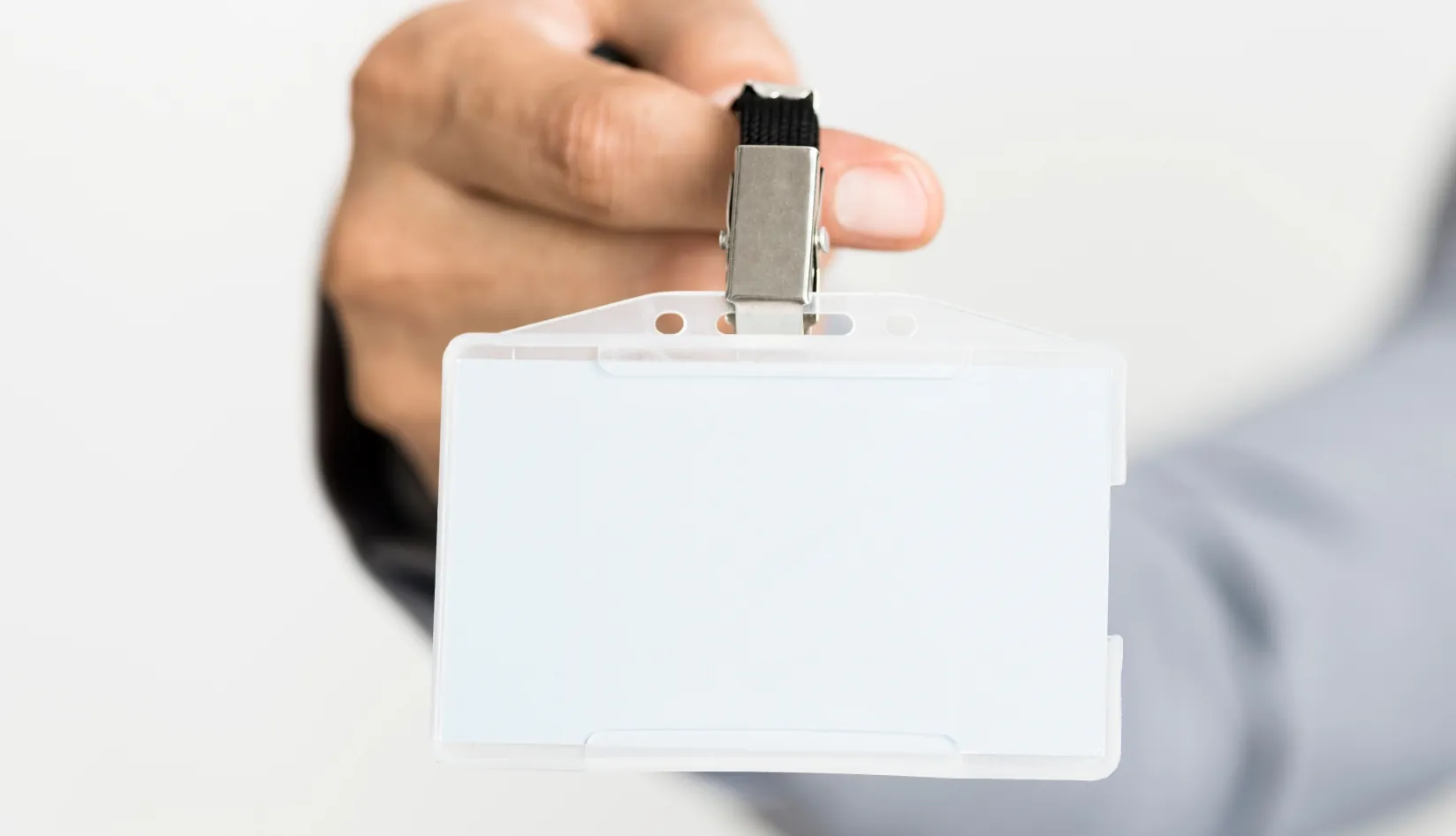
To many, a small public library card may only be a credential for borrowing physical books. However, in today’s era of digitalization and interconnectedness, the function of this card has long surpassed its traditional scope. It has evolved into a multi-purpose pass that unlocks digital resources, community services, and even a smarter life. Its modernization—especially the realization of its “hidden functions”—is deeply intertwined with the integration of Radio Frequency Identification (RFID) technology. RFID technology not only enhances the operational efficiency of libraries but also greatly enriches the user experience. It turns the public library card into a smart key that connects knowledge and community. Public library card, powered by RFID, is now a smart key! Unlock digital resources, community services, and more, transforming libraries into dynamic, accessible hubs.
1. The “Hidden Functions” of the Public Library Card

The modern public library card does much more than just check out books. It is becoming a multi-dimensional portal for accessing resources.
1.1 A Passport to Digital Resources
With a single public library card, patrons can easily access a vast ocean of digital resources. This includes, but is not limited to:
- E-books and Audiobooks: Through platforms like Libby and Hoopla, users can borrow millions of e-books and audiobooks for free, enjoying reading anytime, anywhere, without worrying about overdue fines.
- Streaming Services: Many libraries offer access to streaming services like Kanopy, allowing patrons to watch movies, documentaries, and educational videos for free.
- Online Databases and Learning Tools: From academic journals to language-learning software (like Rosetta Stone), and from professional skills training to children’s educational content, the library card provides access to a rich array of online databases and learning tools that support lifelong learning and personal development.
1.2 Community Benefits and Special Lending Services
Beyond digital resources, the public library card has also expanded its application in community services, giving rise to the concept of the “Library of Things”:
- Museum Passes: Some libraries partner with local museums to offer free or discounted museum passes, encouraging community members to explore arts and culture.
- Wi-Fi Hotspots and Tech Devices: To bridge the digital divide, some libraries allow patrons to borrow mobile Wi-Fi hotspots, tablets, and even laptops.
- Tools and Musical Instruments: Patrons can even borrow gardening tools, cooking utensils, sewing machines, or musical instruments to meet their daily needs and hobbies.
1.3 Smart Borrowing and Self-Service
The introduction of RFID technology has completely transformed the library’s circulation process, achieving a high degree of automation and self-service:
- Self-Checkout Machines: Patrons simply place books with RFID tags on a self-checkout machine, and the system quickly identifies and completes the borrowing or returning process, significantly reducing queue times.
- 24-Hour Return Boxes: Smart return boxes can automatically identify and register returned books, allowing patrons to conveniently return items even after the library is closed.
- Rapid Inventory and Anti-Theft: RFID tags enable libraries to conduct book inventories more efficiently and provide more precise anti-theft functions, reducing manual intervention and improving the accuracy of asset management.
1.4 Inter-Library Use and Convenient Access
In many regions, patrons greatly benefit from being able to use a single public library card across multiple library systems:
- Regional Library Networks: Patrons can use the same card to borrow and return books at libraries in different cities, enjoying access to a wider range of resources.
- Personal Digital Accounts: Users can often link the library card to a personal digital account, enabling mobile access and inquiries through a smartphone app or website, and allowing them to keep track of borrowing information and hold statuses at any time.
RFID technology powers the fast, accurate link between the card and library systems, making all of this possible.
2.How RFID Cards Power These Functions

Radio Frequency Identification (RFID) technology is the cornerstone that enables the modern library card to perform its “hidden functions.” It uses radio signals to identify specific targets and read and write data, offering the following advantages:
2.1 Basic Principles and Advantages
An RFID system mainly consists of a tag, a reader, and an antenna. In a library, every book and public library card is embedded with an RFID tag. Each tag contains a microchip that stores the item’s unique identification information. When the tag enters the radio frequency field of the reader, the reader activates the tag and reads its data.
Compared to traditional magnetic stripe cards or barcodes, RFID offers significant advantages:
- Faster Speed: An RFID reader can read multiple tags simultaneously without needing to scan them one by one, greatly increasing processing speed.
- Contactless: The tag does not need to be in direct contact with the reader and can even be read through objects, making it more convenient to use.
- Larger Data Capacity: RFID tags can store more information, providing support for more complex functions.
- Higher Security: RFID tags are not easily copied or tampered with, enhancing anti-theft and data security.
2.2 Value for Libraries
RFID technology has brought revolutionary changes to libraries:
- Improved Circulation Efficiency: Automated check-in and check-out processes reduce manual labor, shorten patron wait times, and increase the turnover rate of books.
- Optimized Inventory Management: The rapid inventory-taking feature allows libraries to get a more accurate picture of their collection, quickly identify misplaced or lost books, and improve the efficiency and accuracy of inventory management.
- Enhanced Security and Anti-Theft: RFID security gates can accurately identify books that have not been properly checked out, effectively preventing theft.
- Expanded Service Scope: An RFID card can easily be extended to function as an access card, an event pass, and more, achieving “one card, multiple uses” and enhancing the comprehensiveness of library services.
2.3 Value for Patrons
For patrons, the RFID card brings unprecedented convenience and an enhanced experience:
- Greater Convenience: A simple “tap” or “wave” of the card can complete functions like borrowing, returning, and access control, eliminating the cumbersome process of barcode scanning.
- Seamless Online-Offline Experience: The binding of the RFID card with digital resources allows patrons to switch seamlessly between the physical library and online platforms. This enables them to enjoy a consistent service experience.
- Increased Satisfaction: Fast and efficient service processes, abundant digital resources, and diverse borrowing options all play a role. Together, they contribute to higher overall patron satisfaction.
Conclusion
A public library card is no longer just a simple borrowing credential. It has become a smart key that unlocks a treasure trove of knowledge and community services. Through its deep integration with RFID technology, this card has grown more intelligent, efficient, and versatile. It greatly enhances both the library’s operational efficiency and the patron’s user experience. With it, you can seamlessly access digital resources and conveniently borrow physical items. You can also enjoy the benefits of self-service and inter-library use. RFID technology continues to empower the public library card. It enables the card to play an even more vital role in the information age, serving as a powerful link that connects people with knowledge and their community. Next time you use your public library card, take a moment to consider the infinite possibilities it holds.
Recommended Product
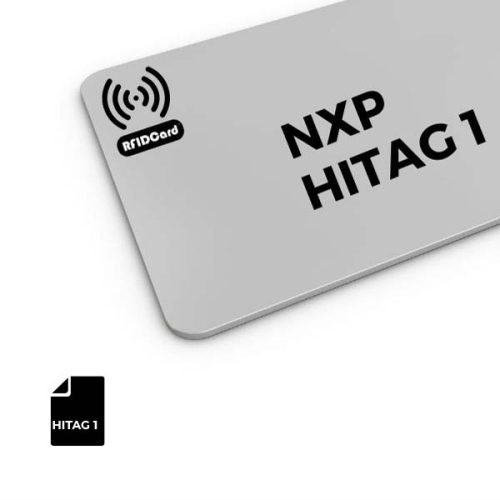
RFID Card CR80 HITAG® 1

The HITAG® 1 RFID card is a high-performance RFID card made from high-quality PVC material, designed for applications like access control, asset tracking, ticket management, and personalized gift cards. It’s durable and suitable for various environments. The card supports 125 kHz RFID communication, offers fast reading and writing capabilities, is compatible with a range of reading devices, ensuring smooth operation in different scenarios, and boasts strong anti-interference capability.In different scenarios, and boasts strong anti-interference capability.