
In modern retail, the traditional RFID loyalty card has emerged as a transformative tool for businesses seeking to deepen customer engagement and streamline operations. For decades, the standard magnetic stripe loyalty card served as the primary bridge between a brand and its repeat customers. However, as consumer expectations for speed and personalization continue to soar, these legacy systems are increasingly revealing their limitations. From the friction of manual scanning to the lack of real-time data integration, traditional loyalty cards often struggle to keep pace with the digital-first world. This is where the RFID loyalty card emerges as a powerful upgrade.
1. What Is an RFID Loyalty Card?
An RFID loyalty card is a customer rewards card embedded with RFID technology. It allows businesses to identify customers and track loyalty activities wirelessly and contactlessly, making reward programs faster, more accurate, and more engaging than traditional magnetic stripe or barcode cards.

1.1 Basic Components
An RFID loyalty card consists of three primary elements:
- The RFID Chip: This is the “brain” of the card. It is a tiny integrated circuit that stores a unique identifier and, in some cases, additional data like current point balances or encrypted security keys.
- The Antenna: Usually made of thin copper or aluminum wire, the antenna allows the chip to receive power from the reader’s radio signal and transmit its data back.
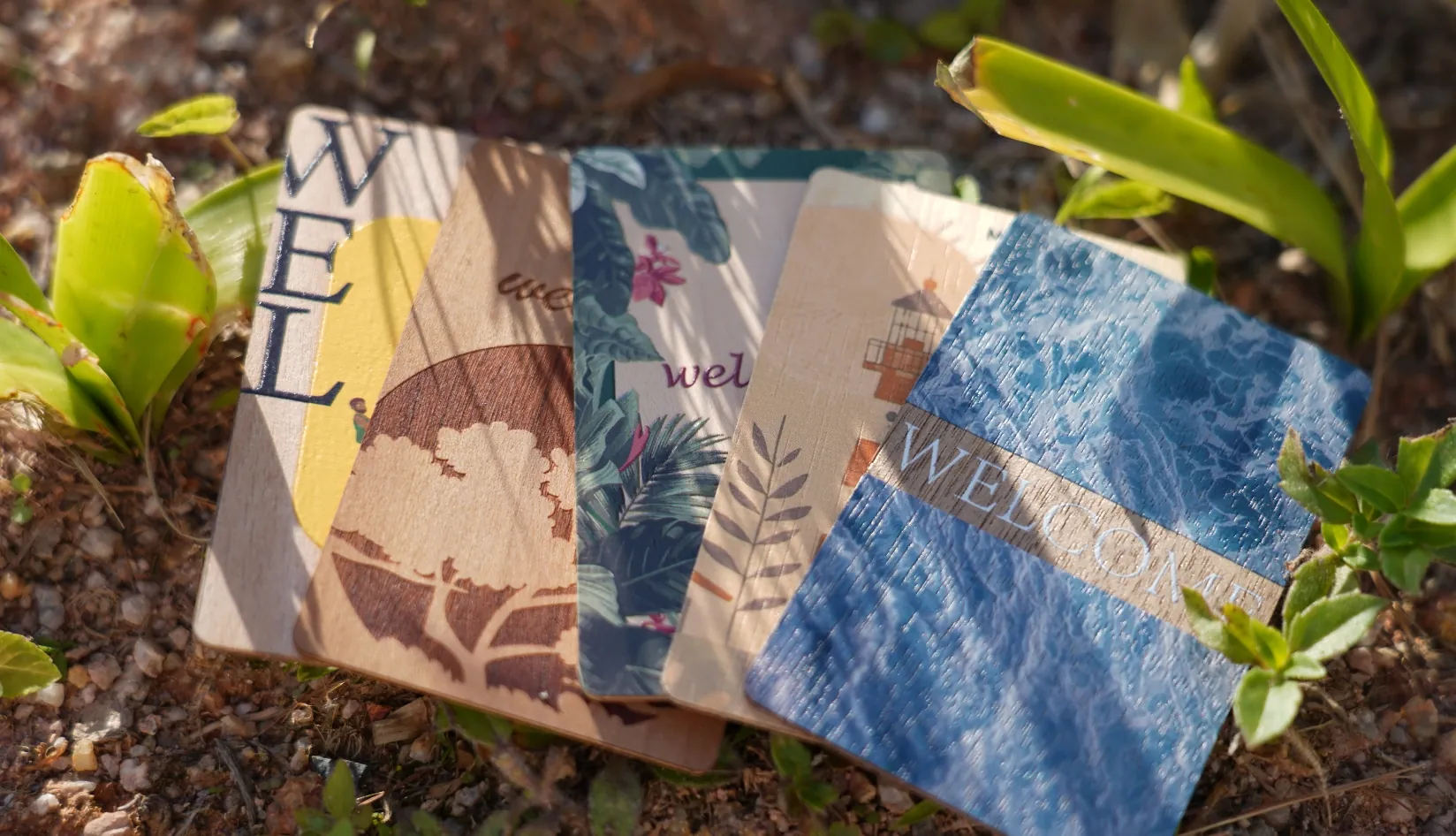
- The Card Substrate: Typically made of durable PVC, PET, or even eco-friendly materials like wood, which protects the internal electronics.
1.2 How It Works
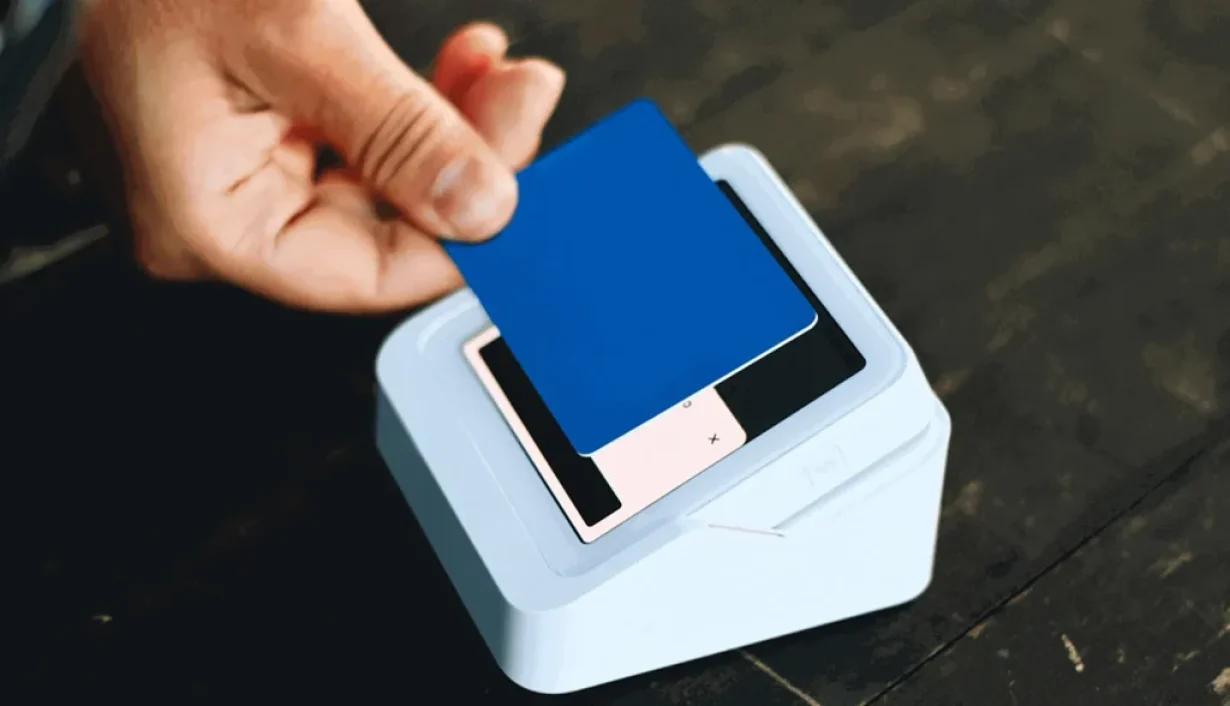
The process is simple. When a customer brings their loyalty card within range of an RFID-enabled Point of Sale (POS) terminal, the reader emits a low-power radio frequency signal. This signal is picked up by the card’s antenna, which “wakes up” the chip. The chip then transmits its unique ID back to the reader. The entire process happens in milliseconds, allowing for instantaneous identification without the need for manual intervention.
2. Key Differences: Traditional Loyalty Cards vs. RFID Loyalty Cards
The transition from magnetic stripe or barcode to RFID is more than just a hardware swap; it is a fundamental shift in how the brand interacts with the customer at the most critical touchpoint: the transaction.
| Feature | Traditional Loyalty Card | RFID Loyalty Card |
| Interaction Type | Manual Scan or Swipe | Contactless “Tap” or Proximity |
| Speed at Checkout | Slow | Instantaneous |
| Security | Low | High |
| Data Capacity | ID only | Can store multiple data points |
2.1 Customer Experience: Tap vs. Scan
The most immediate difference is the “frictionless” nature of the interaction. Scanning a barcode requires the customer to wait for the red light to register the code. With an RFID loyalty card, the customer simply taps the card against the reader. This “tap-and-go” culture is already deeply ingrained due to the rise of contactless credit cards and mobile payments.
2.2 Speed & Convenience
In high-volume environments like supermarkets or busy cafés, every second saved at the register translates to shorter lines and happier customers. RFID technology eliminates the “second attempt” scans that plague barcode systems, ensuring that the loyalty identification happens as fast as the payment itself.
3. Benefits of Upgrading to RFID Loyalty Cards
Upgrading to an RFID card system provides a suite of advantages that extend far beyond the checkout counter.

3.1 Faster Transactions and Reduced Waiting Time
By slashing the time required for identification, businesses can handle higher foot traffic without increasing staff levels. This efficiency is particularly valuable during peak hours, where long wait times are the leading cause of “cart abandonment” in physical retail.
3.2 Improved Customer Engagement
The “wow factor” of a modern, high-tech card should not be underestimated. It signals to the customer that the brand is innovative and values their time. Furthermore, the ease of use encourages higher participation rates.
3.3 Enhanced Data Collection
Because RFID systems can be integrated directly with CRM software, every “tap” provides a wealth of real-time data. You can track not just what a customer but how they respond to in-store promotions. This data allows for hyper-personalized marketing, such as sending a discount for a customer’s favorite coffee the moment they walk through the door.
4. Industry Use Cases
4.1 Retail Stores and Supermarkets
In large-scale retail, RFID cards allow for “VIP” experiences. Imagine a supermarket where a premium loyalty member is greeted by name on a digital screen at the entrance, or where their digital shopping list is automatically synced with the store’s inventory as they enter.

4.2 Restaurants and Cafés
For coffee shops, speed is everything. A regular customer can tap their card, have their “usual” order pulled up instantly, and pay with pre-loaded credits on the same card, turning a 1 minute transaction into a 10-second one.
4.3 Brand Chains and Hospitality
In hotels and resorts, the RFID loyalty card can double as a room key and a payment method for on-site amenities. This “one card to rule them all” approach creates a seamless guest experience that encourages spending within the resort ecosystem.
5. How to Choose the Right RFID Loyalty Card Supplier

Selecting a partner for your upgrade is a critical decision. You should look for suppliers who offer:
- Manufacturing Quality: Ensure they use high-grade PVC and genuine chips to guarantee longevity.
- Customization: Your card is a walking billboard for your brand. Look for high-resolution offset printing and options for special finishes like spot UV or metallic foils.
- Encoding Services: A good supplier won’t just ship you blank cards; they will help you encode the chips with the specific data structures required by your POS system.
- Technical Support: Transitioning to RFID involves software integration. Choose a supplier that understands the technical side of the hardware-software handshake.
RFIDCard is a reliable supplier. We provide high-quality cards, premium printing, and customized services.
6. Conclusion
Upgrading from traditional plastic cards to an RFID loyalty card system enables faster interactions, stronger security, richer data insights, and more personalized customer experiences. While the initial investment may be higher, the long-term benefits in efficiency, engagement, and loyalty make RFID loyalty cards a future-proof choice for modern brands. Ready to revolutionize your customer experience? Contact us today to explore customized RFID loyalty card solutions tailored to your brand’s unique needs.
Recommended Product

RFID Card CR80 MIFARE® DESFire® EV2 2K

The MIFARE® DESFire® EV2 2K RFID card is a secure, high-capacity contactless smart card ideal for various applications like access control, transportation, and payment systems. It features 2KB of integrated memory, advanced encryption standards for security, and is compatible with existing MIFARE® systems. The EV2 version enhances data protection and transaction speed, making it a reliable and efficient choice for modern RFID solutions.