
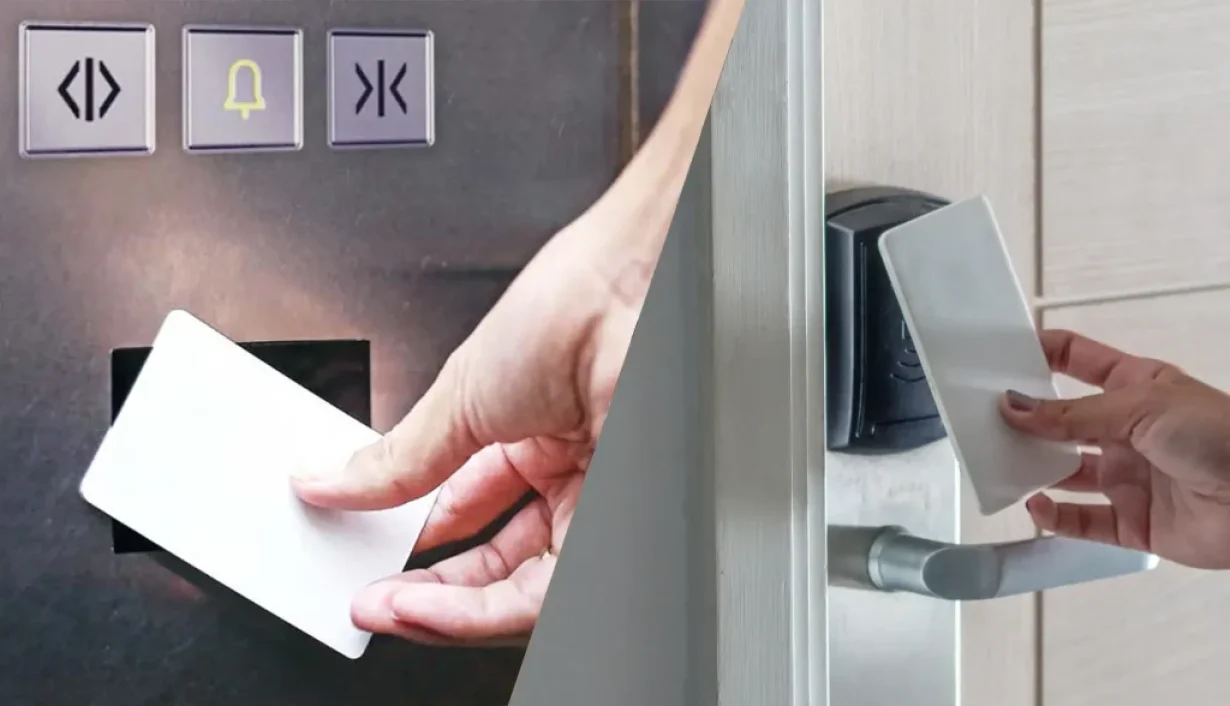

Modern hospitality faces increasing demands for both robust security and enhanced guest privacy. In this evolving landscape, the integration of elevator access control with RFID room key cards has become a pivotal solution for hotels worldwide. This strategic shift moves beyond standalone elevator systems, establishing a comprehensive and integrated security ecosystem that addresses growing concerns and elevates the guest experience.
1. What Is Elevator Access Control?

Elevator access control refers to the implementation of systems designed to restrict elevator usage to authorized individuals and specific floors. This technology ensures that only guests with valid credentials can access the floors assigned to them, preventing unauthorized entry to other guest floors or restricted areas. By linking guest credentials, typically RFID room key cards, to room-specific floor permissions, hotels can meticulously manage who goes where within their premises. This not only bolsters security but also contributes significantly to guest privacy, as it limits interactions with unverified individuals.
2. How RFID Room Key Cards Power Elevator Access Control
Modern hotel key cards commonly operate on High Frequency (HF) 13.56 MHz technology, often compliant with ISO 14443 standards. These cards contain embedded microchips and antennas that communicate securely with readers.

2.1 System Workflow in a Hotel Environment
When integrated into elevator access control systems, the process typically follows this workflow:
- Check-in: The front desk encodes the guest’s RFID card with room number, stay duration, and floor permissions via the Property Management System (PMS).
- Credential Verification: When entering the elevator, the guest taps the card on the reader.
- Authorization Check: The system validates the encrypted credential in real time.
- Access Granted: Only authorized floor buttons become selectable.
- Automatic Expiration: At checkout, the card permissions automatically expire.
This integration ensures that elevator access control is dynamic, automated, and centrally managed.
2.2 Integration with Hotel PMS and Access Control Systems
The true power of RFID room key cards in elevator access control lies in their deep integration with a hotel’s broader technological infrastructure. The PMS serves as the central hub for guest information. When a guest checks in, the PMS automatically updates the access control system with real-time permission data for their RFID card. This means that the card is instantly activated for the guest’s assigned floor and any other authorized areas. Crucially, these permissions are time-bound; they automatically expire at checkout, eliminating the need for manual revocation and ensuring that expired cards cannot be used to gain unauthorized access. This level of integration not only simplifies operations for hotel staff but also significantly enhances the overall security posture of the property.
3. Key Reasons Hotels Are Adopting Integrated Elevator Access Control

3.1 Enhanced Guest Security and Privacy
Guest safety is the top priority for any hospitality brand. Elevator access control prevents unauthorized individuals from roaming guest corridors, significantly reducing risks such as:
- Opportunistic theft
- Harassment or intrusion
- Access to VIP or celebrity floors
Luxury properties in cities like Las Vegas and Hong Kong increasingly view controlled elevator access as a non-negotiable standard rather than a premium feature.
3.2 Improved Liability Management
Integrated access control systems offer substantial benefits in terms of liability management. Every interaction with the elevator system is recorded, creating comprehensive audit trails and access logs. In the unfortunate event of an incident, these logs provide crucial evidence, detailing who accessed which floor and when. This verifiable data can be instrumental in investigations, helping to clarify events and assign responsibility.
3.3 Support for Zoning and Tiered Access
Advanced elevator access control systems provide hotels with sophisticated capabilities for zoning and tiered access. This allows properties to designate specific floors or areas for different purposes and grant access accordingly. For instance, executive floors can be restricted to premium guests, while staff-only floors remain inaccessible to the general public.
Furthermore, these systems can support event-based temporary permissions, allowing organizers to grant limited-time access to specific floors for conferences or private functions. This flexibility in managing access ensures optimal operational control and enhances security across diverse hotel environments, from luxury high-rises to sprawling resorts.
4. Security Advantages of RFID-Based Elevator Access Control

4.1 Time-Based Access Restrictions
As mentioned, guest cards are encoded with the duration of their stay, meaning access permissions automatically expire at checkout. This eliminates the security risk associated with lost or unreturned physical keys, as the digital credentials become invalid without any manual intervention. The system ensures that unauthorized individuals cannot gain entry using outdated cards, providing a continuous layer of protection and simplifying security management for hotel staff.
4.2 Integration with Multi-Layer Security
RFID-based elevator access control is often a critical component of a hotel’s broader multi-layer security strategy. These systems can be seamlessly integrated with other security measures, such as lobby turnstiles, parking access systems, and back-of-house restrictions. This creates a unified security perimeter where access is controlled at multiple points of entry and movement within the property.
For example, a guest might need to use their RFID card to enter the lobby through a turnstile, then again to access the elevator, and finally to open their room door. This layered approach significantly enhances overall security, making it exceptionally difficult for unauthorized individuals to navigate the hotel undetected and providing comprehensive protection for guests and assets.
5. Conclusion
The trend towards integrating elevator access control with RFID room key cards is unequivocally shaping the future of hotel security and guest experience. This sophisticated approach, moving beyond traditional security measures, addresses the complex demands of modern hospitality by enhancing safety, ensuring privacy, and streamlining operations.
RFIDCard is a trusted provider of high-quality RFID cards tailored to diverse business needs. We look forward to partnering with you to deliver reliable and innovative identification solutions.
Recommended Product

100% Plastic-Free RFID Paper Card NXP® MIFARE Ultralight® EV1

The 100% plastic-free RFID Paper Card uses an innovative paper-based antenna to replace traditional plastic and PET structures, significantly reducing environmental impact. As the industry’s first developer of paper-based antenna RFID cards, we are committed to advancing truly 100% eco-friendly RFID solutions. Powered by the NXP® MIFARE Ultralight® EV1 chip and compliant with ISO/IEC 14443-A, it ensures reliable contactless performance for access control and identification applications.
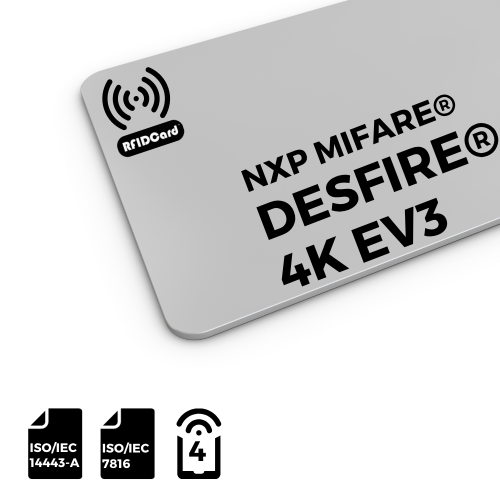
RFID Card NXP MIFARE® DESFire® EV3 4K
Blank or customized printing RFID cards with a choice of dimensions are available. The MIFARE® DESFire® EV3 4K is Common Criteria EAL5+ security certified for smart card IC products. The MIFARE® DESFire® EV3 4K ICs fully comply with NFC Forum Type 4 Tag.



