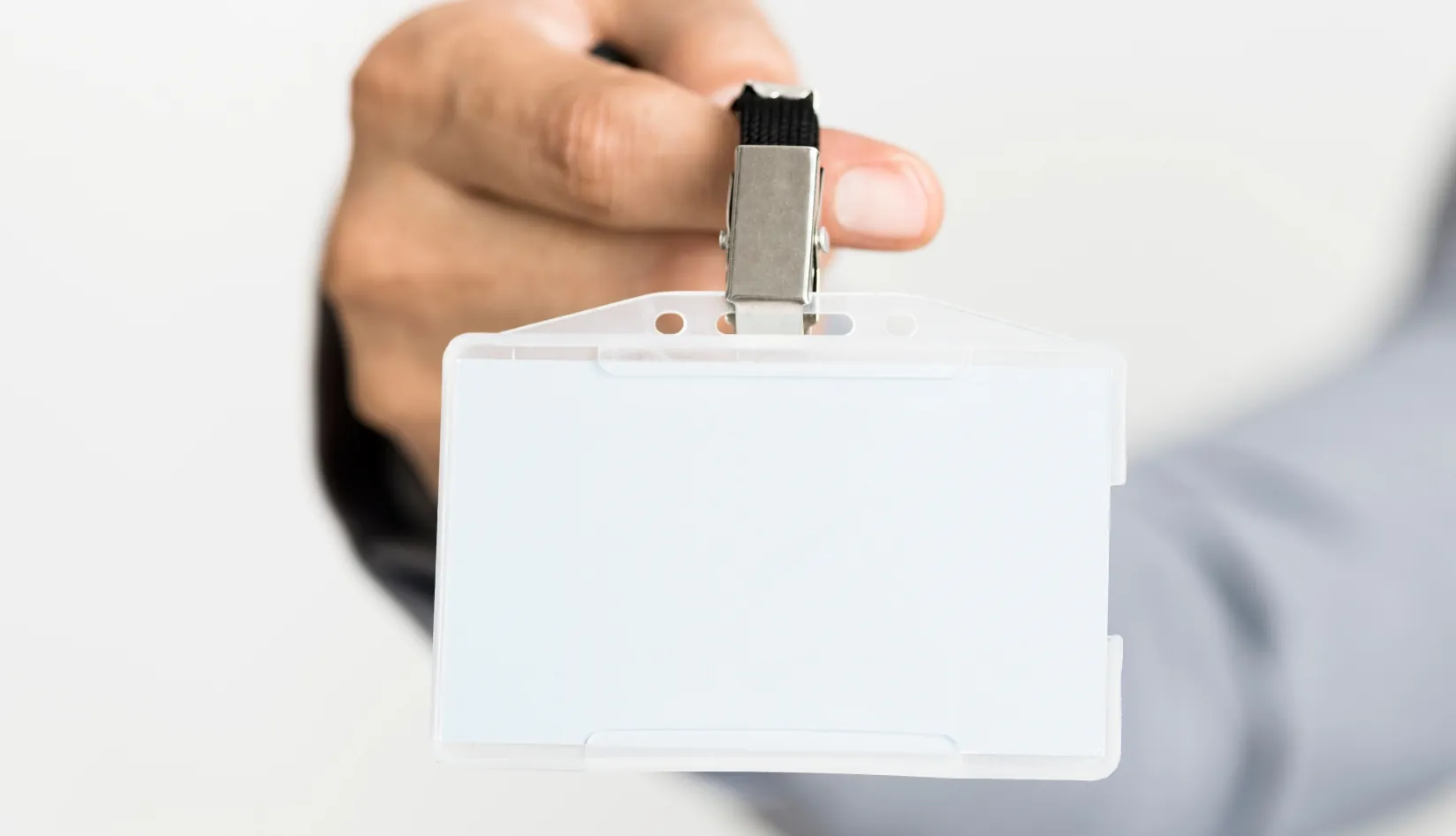

In real-world deployments across gyms, libraries and private clubs, RFID membership cards consistently outperform app-based access in reliability, speed, and operational simplicity. As “smart spaces” push toward unattended, 24/7, frictionless entry, the humble card has proven to be the most dependable bridge between people and places. This article explains why.
1. What Are “Smart Spaces” and Their Operational Requirements

“Smart spaces” are environments designed to operate with minimal staff, maximum automation, and seamless user flow. Typical examples include:
- 24/7 Unattended Access: Many smart spaces operate around the clock without constant staff presence, necessitating highly reliable and self-sufficient access systems.
- Fast Member Check-in: To maintain a smooth flow and positive member experience, entry must be quick and efficient, avoiding queues or delays.
- Minimal Staff Dependency: Reducing the need for human intervention in routine access management frees staff to focus on higher-value tasks.
- High Reliability: Access systems must function consistently and without failure, as any disruption directly impacts member satisfaction and operational continuity.
- Easy Onboarding for Members: New members should be able to gain access quickly and intuitively, minimizing friction during the initial setup phase.
2. The Promise of Mobile App–Based Access (And Why It Looked Attractive)

Initially, mobile app-based access appeared to be the quintessential modern solution for smart spaces. Its appeal stemmed from several perceived benefits:
- No Physical Cards to Issue: Eliminating the need for physical card production and distribution promised cost savings and environmental benefits.
- Easy to Update Credentials Remotely: The ability to instantly provision or revoke access rights via a digital platform offered unparalleled flexibility.
- Seen as “Modern” and Digital-First: Mobile apps aligned with the broader trend of digital transformation, projecting an image of innovation.
- Integration with Booking, Payments, Notifications: Mobile platforms offered a single point of integration for various member services, from scheduling to billing and communication.
3. The Hidden Operational Problems with Mobile App Access

Despite its initial allure, mobile app access often introduces a range of hidden operational problems that undermine the “smart” experience:
- Phone Battery Issues at Entry Points: A common problem arises when a member’s phone battery dies, rendering their access credential unusable. This immediately creates a barrier to entry and requires staff intervention or alternative solutions.
- App Download Resistance and Login Friction: Many users are reluctant to download yet another app, and the process of initial setup, account creation, and login can be cumbersome, leading to abandonment or delays.
- OS Compatibility and Update Failures: Mobile operating systems are constantly evolving, and app updates are frequent. Incompatibility issues or failed updates can lead to app malfunctions, preventing access and increasing support calls.
- Network Dependency and Latency: Mobile apps often rely on a stable internet connection for authentication. Poor Wi-Fi or cellular reception at entry points can cause significant delays or complete access failures, especially in basements or remote areas.
4. Why RFID Membership Cards Deliver True Frictionless Entry

In stark contrast, RFID membership cards offer a robust and genuinely frictionless entry experience, addressing the shortcomings of mobile apps with elegant simplicity:
- Tap-and-Go in <1 Second: RFID cards enable near-instantaneous access with a simple tap, significantly faster than unlocking a phone, opening an app, and waiting for authentication.
- No Battery, No Signal, No Login: RFID cards are passive devices that do not require power, network connectivity, or login credentials. This eliminates the most common failure points associated with mobile access.
- Works 100% Offline: The local authentication capabilities of RFID systems ensure access even during internet outages, guaranteeing uninterrupted service.
- Universal Usability for All Age Groups: The simplicity of tap-and-go access makes RFID cards intuitive for everyone, regardless of tech proficiency, from young students to older adults.
- Zero Learning Curve: There is virtually no learning curve involved in using an RFID card, making member onboarding exceptionally smooth and quick.
5. Reliability Comparison: RFID vs Mobile Apps in Daily Operations
When evaluating access systems for daily operations in smart spaces, reliability is paramount. A comparative analysis reveals the clear superiority of RFID:
| Feature | RFID Membership Cards | Mobile App Access |
| Entry Speed | Instantaneous (<1 second) | Variable (unlock phone, open app, authenticate) |
| Failure Rate | Extremely low (physical damage, lost card) | Moderate to high (battery, network, app issues, OS updates) |
| User Errors | Minimal (incorrect tap) | Frequent (login errors, app crashes, network issues) |
| System Stability | Highly stable, works offline, independent of external factors | Dependent on phone, OS, network, app updates, server status |
6. RFID Membership Cards in Unstaffed and 24/7 Facilities

Unattended and 24/7 facilities are particularly vulnerable to the weaknesses of mobile app access. In these environments, where there is no staff readily available to assist with technical issues, the “always works” nature of RFID becomes critical. A dead phone battery at 3 AM, an app glitch, or a network outage can leave a member stranded, leading to frustration, negative reviews, and potential security concerns. RFID cards, by contrast, function reliably regardless of these external factors, significantly reducing operational risk and member complaints. They provide a robust, standalone access solution that ensures continuous service, a non-negotiable requirement for unstaffed operations.
7. Member Experience: Convenience Beats “Digital Fancy”

While mobile apps might seem “digital fancy,” members ultimately prioritize convenience and reliability. The fastest and most straightforward method of entry will always be preferred. Furthermore, some members may have privacy concerns regarding app permissions and data collection. A physical RFID membership card offers a tangible, straightforward solution that respects privacy and provides a consistent, hassle-free experience. It can also serve as a subtle part of the brand identity, a physical token of belonging.
8. Integration Capabilities: RFID Cards Are Not “Old Tech”

It is a misconception that RFID cards are “old tech” incapable of modern integration. Contemporary RFID systems are highly sophisticated and integrate seamlessly with a wide array of smart space infrastructure:
- Access Control Systems: The primary function, managing entry and exit points.
- Lockers: Providing secure, personalized storage for members.
- Point-of-Sale (POS) Systems: Enabling cashless purchases within the facility.
- Attendance Tracking: Automating member check-ins for usage statistics and billing.
- Elevators: Restricting floor access to authorized members.
Modern RFID chips, such as NTAG series, offer advanced security features and can coexist with mobile systems if a hybrid approach is desired. This flexibility allows smart spaces to leverage the best of both worlds, using RFID for core access while potentially integrating mobile apps for supplementary services like booking or notifications.
9. Cost and Support Perspective for Operators

From an operator’s perspective, the long-term cost and support implications heavily favor RFID systems:
- Fewer Support Tickets: The inherent reliability of RFID translates directly into a significant reduction in access-related support requests, freeing up staff time.
- Lower IT Maintenance: RFID systems typically require less ongoing IT maintenance compared to complex mobile app ecosystems that demand constant updates, bug fixes, and compatibility checks.
- No App Development or Updates: Operators avoid the substantial costs associated with developing, maintaining, and regularly updating a proprietary mobile access app.
- Long Lifespan of RFID Cards: High-quality RFID cards are durable and have a long operational lifespan, minimizing replacement costs.
10. Conclusion
RFID membership cards offer a level of convenience and compatibility that makes them an irreplaceable solution for modern membership systems. They not only enhance the customer experience but also significantly reduce the operational burden on staff. When it comes to membership cards, design is just as important as functionality. A well-designed, visually appealing card captures attention, conveys a premium feel, and strengthens brand image.
RFIDCard provides high-quality RFID membership cards with full customization options—from chip selection to card appearance. If you’re interested, feel free to visit our website or contact us to learn more.
Recommended Product
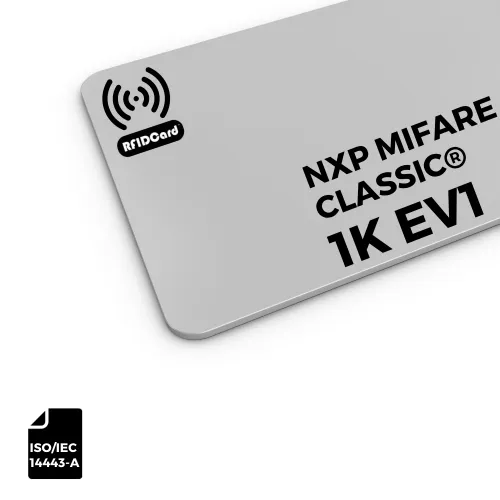
NXP MIFARE Classic® EV1 1K (S50) RFID Card ISO14443-A CR80

The NXP MIFARE Classic® EV1 1K (MIFARE® S50) blank RFID Cards are fully comply with ISO/IEC 14443-A. The RFID cards are made with Photo-quality standard PVC/PET in the size of CR80, which are suitable for use with most thermal transfer card printers.
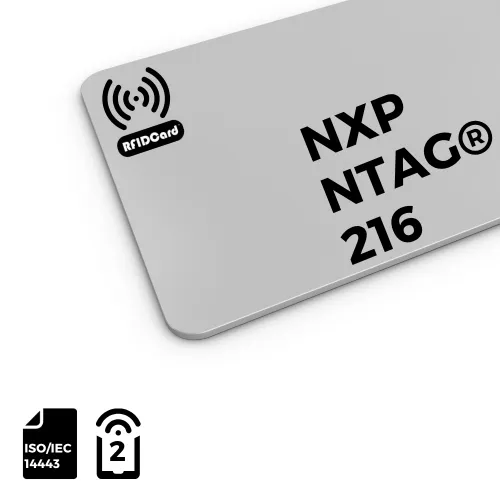
NFC Card NXP NTAG® 216 NFC Type 2
The NTAG® 216 RFID card is made with Photo quality standard PVC sheets into size of CR80, it programmed 7-byte UID with 888 bytes of user memory available (222 pages). The NTAG® 216 NFC ICs fully comply to NFC Forum Type 2 Tag and ISO/IEC14443 Type A specifications.