
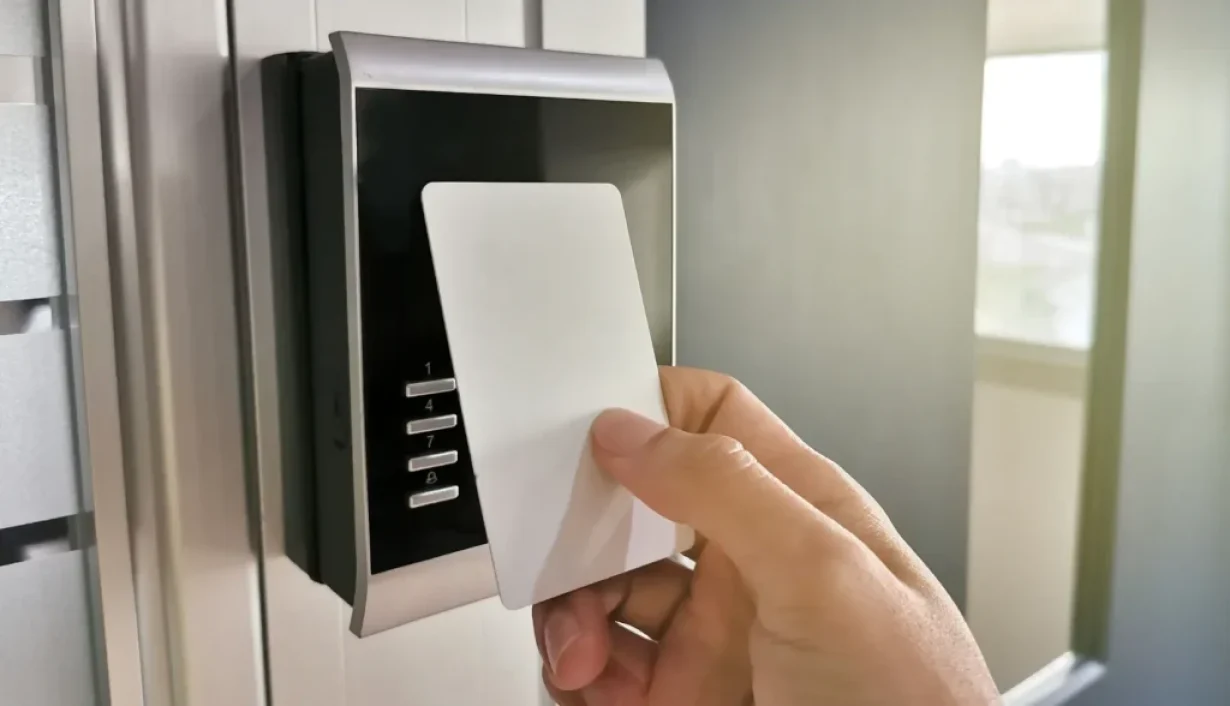

RFID cards are widely used across many industries, but choosing the right type can often be confusing. With different frequencies, chip types, and materials available, it’s not always easy to know which option best fits your needs. This article will introduce the key RFID card frequencies, chip types, and materials to help you better understand the differences and choose the RFID card that works best for your application.
1. Types of RFID Cards
When evaluating the best RFID cards, one of the most important factors to consider is the operating frequency. RFID cards are generally categorized into three main types based on frequency.
1.1 Low Frequency (LF) RFID Cards – 125 kHz
Low Frequency RFID cards operate at 125 kHz and are characterized by their enduring presence in the market. These cards employ a relatively simple communication protocol, offering a short read range, typically between 2 to 10 centimeters.
However, the inherent simplicity of LF cards also presents their primary limitation. Most standard 125 kHz cards lack robust encryption, rendering them vulnerable to cloning using inexpensive, widely available devices. Despite these security considerations, they remain a popular choice for basic access control and time attendance systems where the risk of hacking is minimal, and the primary objective is cost-effective, reliable proximity detection.
1.2 High Frequency (HF) RFID Cards – 13.56 MHz
The 13.56 MHz frequency range represents the most widely adopted RFID card category today. HF cards offer a more sophisticated data structure and faster transmission speeds compared to their LF counterparts, enabling them to manage complex tasks beyond mere identification.
The versatility of HF RFID card is evident in its diverse applications. It is the established standard for public transportation systems, where rapid throughput is critical, and for contactless payment cards that demand high-level cryptographic security. Furthermore, the hospitality industry has largely transitioned to HF hotel key cards, which can be easily programmed and revoked, thereby enhancing guest safety and operational efficiency.
2. Popular RFID Card Chip Types
Another factor that determines the best RFID cards for a particular application is the type of chip embedded inside the card.

2.1 MIFARE Classic
The MIFARE Classic family is arguably the most recognized name in the RFID domain. Renowned for its cost-effectiveness and extensive adoption, it has been a cornerstone of transit systems and corporate access for decades.
Key Characteristics
- Suitable for large-scale deployments
- Widely compatible with access control systems
2.2 MIFARE Ultralight
For applications where the card is intended for single-use or limited-duration purposes, the MIFARE Ultralight is the preferred choice. These chips are engineered for high-volume, low-cost scenarios such as event ticketing or single-ride transit passes.
The MIFARE Ultralight C series is also widely used in hospitality industry because it offers:
- Cost-efficiency
- Fast transaction speed
- Reliable security features
2.3 MIFARE DESFire
When security is the paramount concern, MIFARE DESFire distinguishes itself as an industry leader. These chips support advanced AES and DES encryption, rendering them virtually impervious to cloning with current technological capabilities.
Key Advantages
- Strong cryptographic protection
- Secure authentication protocols
- Multi-application support
These cards are often used in government identification systems, high-security facilities, and advanced transportation networks.
2.4 NTAG
NTAG chips are widely used in NFC-enabled RFID cards designed for smartphone interaction. NTAG cards are frequently utilized in marketing campaigns, smart packaging, and digital business cards. Because most modern smartphones support NFC, NTAG-based cards are increasingly popular in marketing and digital engagement scenarios.
3. Key Features to Look for in the Best RFID Cards
When evaluating RFID cards for your organization, several important features should be considered to ensure long-term reliability and performance.
3.1 Security Level
Security is one of the most important aspects when selecting RFID cards.
Modern RFID cards may include:
- Encryption algorithms
- Secure authentication protocols
- Anti-cloning protection
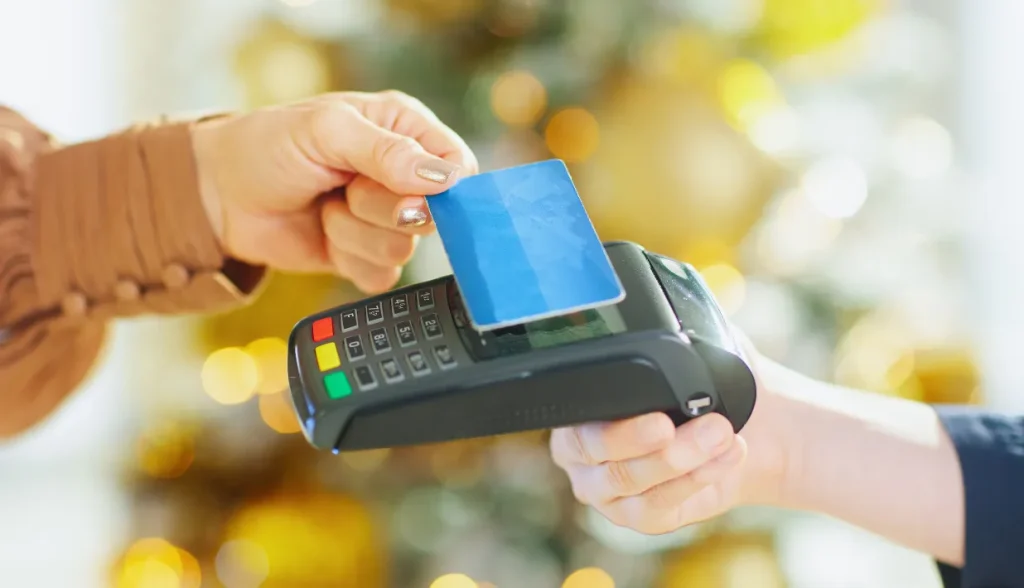
For applications such as payment systems, choosing cards with stronger encryption is essential.
3.2 Read Range and Performance
The effective read range of a card is influenced by its operating frequency, the size of its internal antenna, and the power output of the reader. While LF cards exhibit stability around metallic objects, HF cards offer more consistent performance for “tap-and-go” applications.
3.3 Memory Capacity
Memory requirements vary significantly depending on the intended application. A simple identification card might only necessitate a few bytes to store a Unique Identifier (UID), whereas a multi-application card could demand several KB to accommodate encrypted credentials, biometric templates, or transaction logs. Choosing the best RFID cards involves carefully balancing the need for sufficient storage with the cost implications associated with higher-capacity chips.
3.4 Materials
While standard PVC (Polyvinyl Chloride) remains the default choice due to its durability and low cost, 2026 has witnessed a significant shift towards sustainable materials.
- Wood RFID Cards: Crafted from materials like bamboo or recycled wood, these cards offer a premium, organic tactile experience and are biodegradable.
- BioPoly™ Stone: An FDA-certified material that is naturally sourced and safe for skin contact, providing a durable and environmentally conscious alternative to traditional plastics.
- 100% Plastic-Free RFID Paper Cards: These innovative cards utilize paper-based antennas, often incorporating silver ink or etched aluminum on a paper substrate, making them fully recyclable and ideal for short-term use in events or hotels.
Sustainable materials are no longer merely an “eco-friendly” option; they are increasingly recognized as a symbol of the best RFID cards for brands that prioritize environmental responsibility and corporate social governance.
4. Best RFID Cards for Different Applications
The best RFID cards vary depending on how they will be used. Different industries prioritize different features.
4.1 Access Control Systems
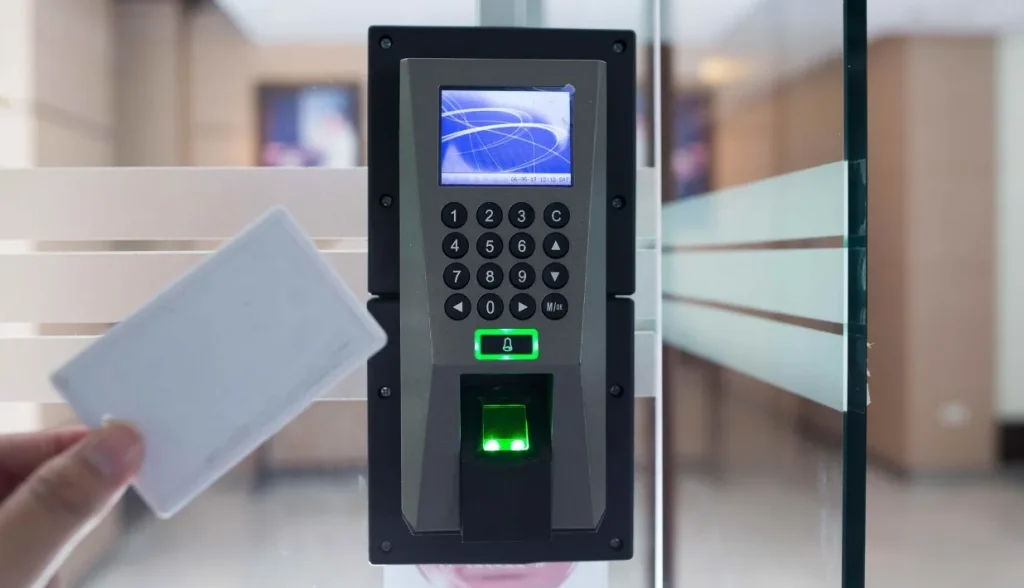
Office buildings, factories, and campuses rely heavily on RFID cards for secure entry.
Important features include:
- Strong encryption
- Reliable authentication
- Long-term durability
MIFARE Classic cards are often the preferred option for access control systems.
4.2 Hospitality and Hotels
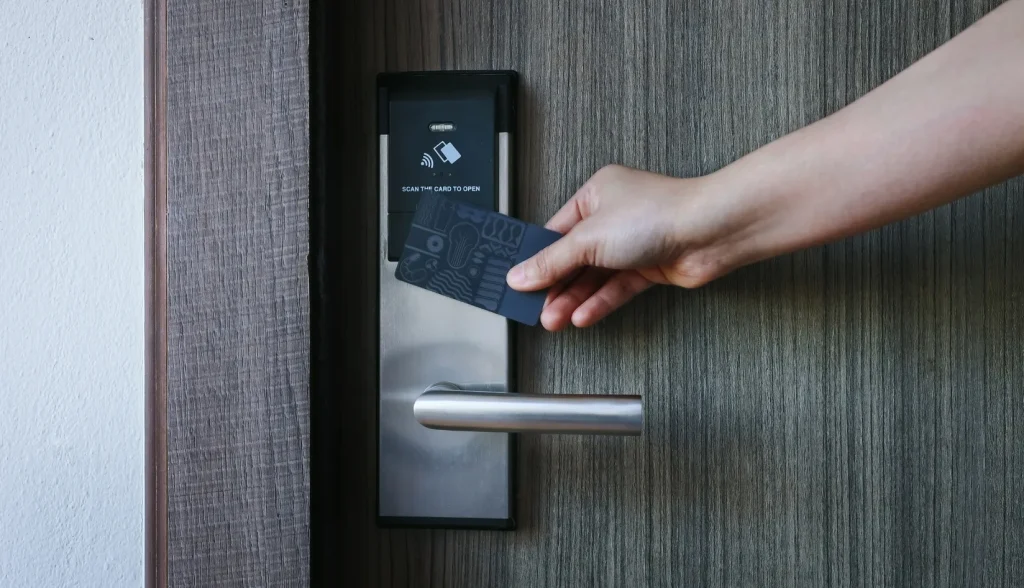
Hotels commonly use RFID cards as contactless room keys.
Benefits include:
- Faster guest check-in
- Improved security
- Enhanced guest experience
Durable and secure RFID cards such as BioPoly™ Stone card help hotels manage large numbers of guests efficiently.
4.3 Contactless Payments
RFID technology also plays an important role in financial transactions.
Payment cards require:
- Advanced encryption
- Secure authentication
- Strict compliance with financial standards
For this reason, only highly secure RFID chips such as MIFARE DESFire series are used in payment applications.
5. How to Choose the Right RFID Card for Your Needs
Selecting the best RFID cards requires evaluating several factors related to your operational needs.
| Step | Action | Key Considerations |
| 1 | Identify the Application Scenario | Is the card primarily for simple identification, secure access, or payment transactions? |
| 2 | Select the Correct Frequency | Opt for LF for legacy systems or basic access; choose HF for modern, secure, and multi-functional applications. |
| 3 | Choose the Appropriate Chip Type | Different chips offer different levels of security, memory, and compatibility. |
| 4 | Consider Security Requirements | Does the application necessitate advanced encryption or mutual authentication protocols? |
| 5 | Ensure Reader Compatibility | Verify that the chosen card technology is compatible with your existing reader infrastructure (e.g., HID, NXP, etc.). |
| 6 | Evaluate Material and Cost | Prioritize PVC for standard durability and cost-effectiveness; explore wood or BioPoly™ Stone for sustainability and a premium aesthetic. |
6. Future Trends in RFID Cards
RFID technology continues to evolve as new digital ecosystems emerge. Several trends are expected to shape the future of RFID cards beyond 2026.
- Integration with Smartphones: NFC-enabled RFID cards will increasingly interact with mobile devices, enabling seamless digital experiences.
- Stronger Security Standards: As cyber threats evolve, RFID cards will incorporate stronger encryption and advanced authentication technologies.
- Growth of Smart Cities: RFID cards will play an important role in smart city infrastructures, including transportation, access control, and citizen identification.
- Integration with IoT Systems: RFID cards will increasingly connect with Internet of Things (IoT) platforms, enabling real-time data sharing and automation.
7. Conclusion
selecting the best RFID cards requires careful consideration of frequency, chip type, security features, and system compatibility. Organizations must evaluate their specific operational requirements to ensure the chosen solution delivers both reliability and long-term performance.
Looking for the right RFID card? RFIDCard offers a wide range of options to support different applications and industries.
Recommended Product

100% Plastic-Free RFID Paper Card NXP® MIFARE Ultralight® EV1

The 100% plastic-free RFID Paper Card uses an innovative paper-based antenna to replace traditional plastic and PET structures, significantly reducing environmental impact. As the industry’s first developer of paper-based antenna RFID cards, we are committed to advancing truly 100% eco-friendly RFID solutions. Powered by the NXP® MIFARE Ultralight® EV1 chip and compliant with ISO/IEC 14443-A, it ensures reliable contactless performance for access control and identification applications.
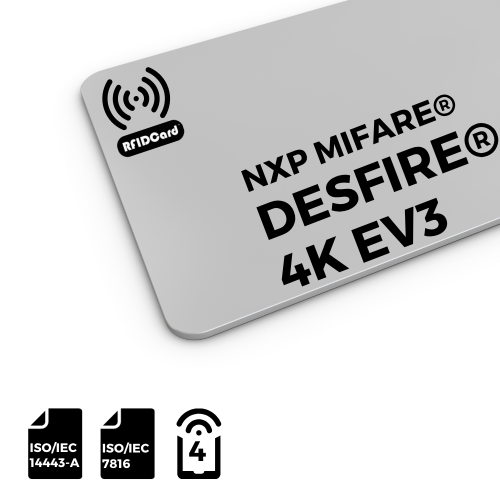
RFID Card NXP MIFARE® DESFire® EV3 4K
Blank or customized printing RFID cards with a choice of dimensions are available. The MIFARE® DESFire® EV3 4K is Common Criteria EAL5+ security certified for smart card IC products. The MIFARE® DESFire® EV3 4K ICs fully comply with NFC Forum Type 4 Tag.
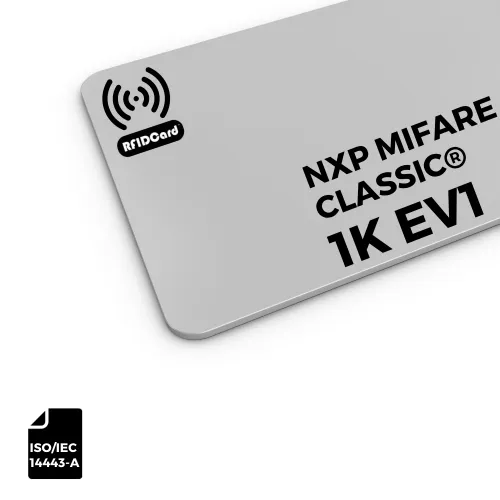
NXP MIFARE Classic® EV1 1K (S50) RFID Card ISO14443-A CR80
The NXP MIFARE Classic® EV1 1K (MIFARE® S50) blank RFID Cards are fully comply with ISO/IEC 14443-A. The RFID cards are made with Photo-quality standard PVC/PET in the size of CR80, which are suitable for use with most thermal transfer card printers.



