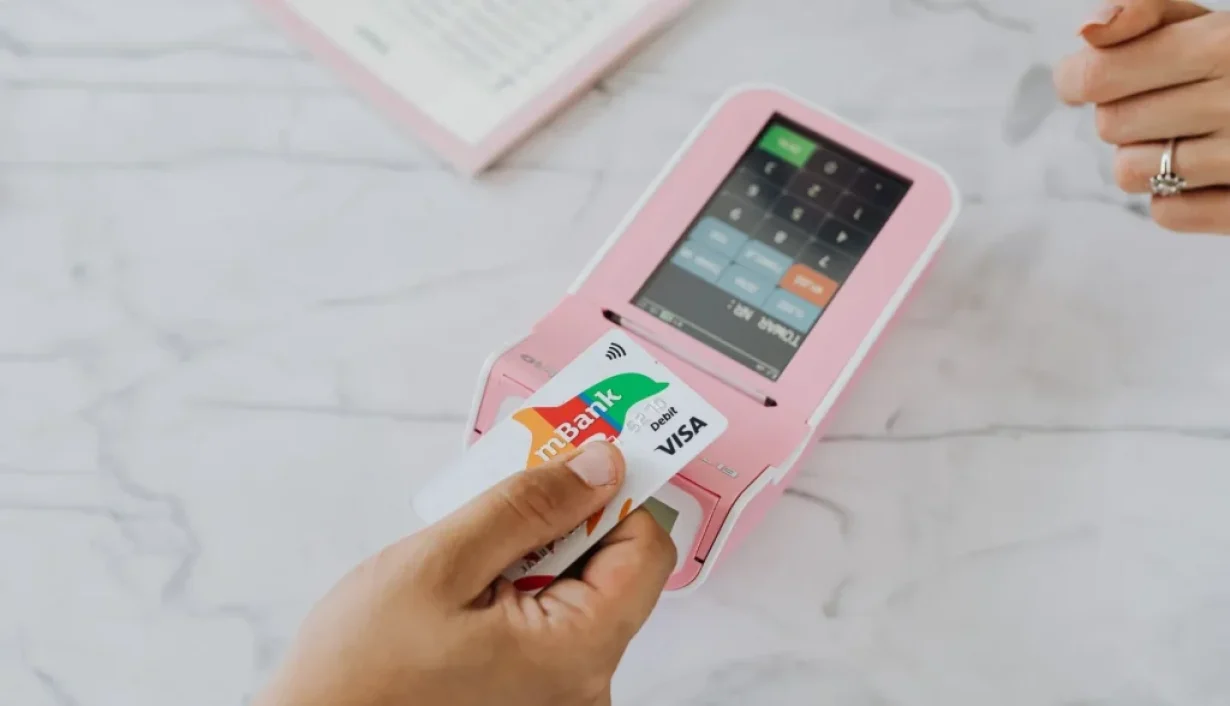

The global financial landscape is undergoing a profound transformation, driven by the relentless pursuit of speed, convenience, and security in everyday transactions. At the heart of this revolution is the dramatic global growth of contactless payment systems. Once a niche technology, the ability to simply “tap and go” has become the expected standard, fundamentally altering consumer behavior and merchant operations. This shift is largely spearheaded by the widespread adoption of RFID credit cards, which are reshaping how people pay and interact with money across the globe.
1. What Is an RFID Credit Card?
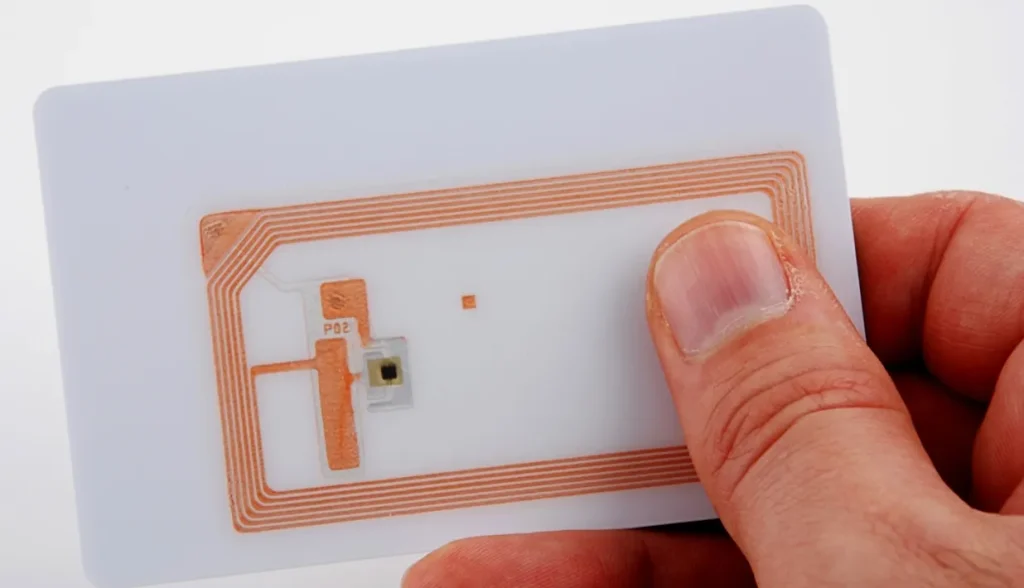
An RFID credit card is a contactless payment card that uses radio frequency technology to transmit payment data wirelessly. Inside each card is a small microchip and antenna. They communicate with a payment terminal when the card is held within a few centimeters of the reader. Unlike traditional magnetic stripe cards that require swiping, RFID credit cards don’t need physical contact. EMV chip cards must be inserted, but RFID credit cards enable instant and frictionless transactions.
When a cardholder taps their RFID credit card on a compatible reader, the card sends a secure, encrypted signal containing payment credentials. The transaction is completed within seconds—no physical contact is needed, reducing wear on the card. Most major banks and card issuers—such as Visa, Mastercard, and American Express—now include RFID technology in their latest cards. These are often recognized by the small wave-like symbol on the front of the card, indicating their contactless capability.
2. The Shift in Consumer Payment Behavior
The move from swiping to tapping is more than a technological change; it reflects a fundamental shift in consumer payment preferences. The demand for speed and minimal friction at the point of sale has propelled contactless payments into the mainstream. Consumers, increasingly accustomed to the immediacy of digital life, now expect their financial transactions to be equally effortless.
Global statistics underscore this dramatic shift. In the United States, for example, contactless payments accounted for approximately 25% of all card transactions in 2023, a massive leap from just 3% in 2017. This trend is even more pronounced globally. Reports indicate that the contactless payments market is expected to grow at a Compound Annual Growth Rate (CAGR) of over 19% through 2030, demonstrating a clear and irreversible trajectory toward tap-to-pay as the dominant method.
Furthermore, RFID credit cards do not exist in a vacuum; they are a crucial component of the broader digital payment ecosystem. They complement and often work in tandem with mobile and wearable payment solutions, such as Apple Pay and Google Wallet. In many cases, these mobile wallets utilize the same underlying Near Field Communication (NFC) technology—a subset of RFID—to facilitate transactions. The physical card acts as a secure, universally accepted fallback and a familiar entry point for consumers who are transitioning away from cash.
3. Security and Trust: The Foundation of Adoption
One of the key factors driving the success of RFID credit cards is security. Despite public misconceptions about “wireless” payments being risky, RFID technology is equipped with multiple layers of protection designed to prevent fraud and data theft. Each transaction made with an RFID credit card generates a unique, one-time code that cannot be reused. This means even if someone were to intercept the signal (which is extremely difficult in practice), the data would be useless for future transactions. Additionally, RFID credit cards use strong encryption protocols similar to those used in EMV chip cards, ensuring secure data transmission between card and reader.
Concerns about “RFID skimming”—where criminals might attempt to read card data remotely—have largely proven to be unfounded. Modern cards operate only at very short ranges (typically less than 4 cm) and include multiple safeguards to prevent unauthorized communication. Financial institutions also monitor contactless payments in real time, instantly flagging and blocking any suspicious activity. Furthermore, most banks set transaction limits for contactless payments, requiring a PIN or verification once a certain threshold is reached. This adds another level of user protection without compromising convenience. As a result, RFID credit cards are now considered one of the safest and most user-friendly payment technologies available.
4. How Businesses Benefit from RFID Credit Cards
The benefits of RFID technology extend far beyond consumer convenience; they are a powerful engine for operational efficiency and improved profitability for merchants and financial institutions. The core advantage is the speed of transaction processing. A tap-to-pay transaction typically takes less than a second, dramatically reducing the time a customer spends at the terminal.
This efficiency translates directly into tangible business benefits:
- Improved Customer Experience: Faster checkout times lead to higher customer satisfaction and a more positive shopping experience.
- Shorter Queues: The ability to process more transactions per hour, especially during peak times, significantly reduces queue lengths, minimizing lost sales due to impatient customers.
- Higher Transaction Volume: The cumulative effect of faster transactions allows businesses to handle a greater volume of sales without increasing the number of checkout lanes or staff.
- Reduced Operational Costs: The simplicity of the tap-to-pay process reduces the likelihood of human error and the need for staff intervention, streamlining operations.
5. Regional Adoption Trends
The adoption of RFID credit cards varies globally but continues to grow across all regions.
- North America: The U.S. and Canada have embraced RFID payments quickly, driven by strong consumer demand and widespread merchant upgrades. Major cities are also integrating RFID-based systems into public transportation, promoting cashless urban mobility.
- Europe: The continent is one of the most mature contactless markets, thanks to early regulatory support and consumer trust. The EU’s PSD2 directive and strong data protection standards have ensured that RFID credit cards meet strict security benchmarks.
- Asia-Pacific: Countries like Singapore, Japan, South Korea, and Australia are at the forefront of the RFID payment revolution. In China and India, RFID credit cards coexist with mobile payment platforms like Alipay, WeChat Pay, and Paytm, creating a dynamic hybrid ecosystem.
6. The Future of Contactless Payments
The current generation of RFID credit cards is merely a stepping stone to a more integrated and intelligent payment future. The trajectory of innovation points toward a world where the payment process is increasingly invisible and integrated into the fabric of daily life.

Next-generation innovations are already on the horizon:
- Biometrics: Integrating fingerprint or facial recognition directly into payment cards or terminals will add an unparalleled layer of security and convenience, potentially eliminating the need for low-value transaction limits.
- Tokenization and Digital Wallets: The continued evolution of tokenization will further decouple the physical card from the transaction data, making payments more secure and enabling seamless integration across various devices and platforms.
- Internet of Things (IoT) Ecosystem: RFID technology is poised to evolve within the IoT. Imagine a smart refrigerator that automatically orders groceries and pays for them with an embedded, tokenized payment chip, or a smart car that pays for fuel and tolls without any user interaction. The underlying RFID/NFC communication protocols will be the backbone of these machine-to-machine payments.
- Sustainability: There is a growing movement toward using eco-friendly and sustainable materials in smart card manufacturing, addressing the environmental impact of billions of plastic cards in circulation.
7. Conclusion
The rise of RFID credit cards is far more than a technological upgrade—it represents a fundamental transformation in how the world pays. By merging speed, convenience, and advanced security, RFID credit cards have reshaped global payment behavior and set new standards for digital trust. From busy retail counters to international banking networks, they are powering a new era of seamless financial interaction. For businesses and institutions, adopting RFID credit card solutions is no longer optional—it’s essential to remain competitive in an increasingly contactless economy.
Recommended Product
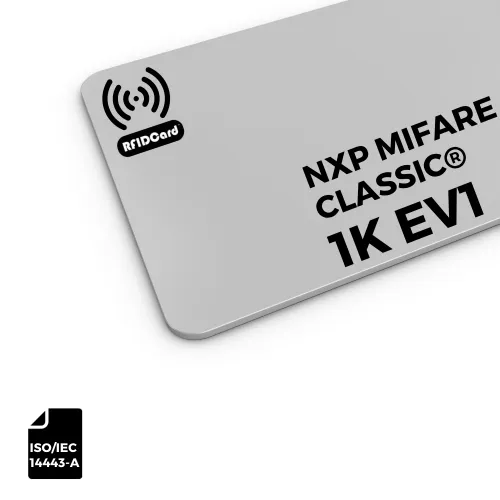
NXP MIFARE Classic® EV1 1K (S50) RFID Card ISO14443-A CR80

The NXP MIFARE Classic® EV1 1K (MIFARE® S50) blank RFID Cards are fully comply with ISO/IEC 14443-A. The RFID cards are made with Photo-quality standard PVC/PET in the size of CR80, which are suitable for use with most thermal transfer card printers.