How to get a rfid card for ev charging is a question that more fleet managers and individual drivers are asking as the global transition to electric mobility accelerates in 2026. While mobile apps have their place, the reliability, speed, and offline capability of a physical RFID card remain unmatched for professional and high-frequency charging scenarios. At RFIDCard, we have seen a significant surge in demand for customized, high-durability RFID cards that integrate seamlessly with modern charging networks.
In this comprehensive guide, we will walk you through the precise steps to secure the right RFID card for your needs, compare the different types of cards available, and explore why a physical card is often superior to digital-only solutions.
Why You Still Need a Physical RFID Card in 2026
Despite the proliferation of “Plug & Charge” technology and mobile applications, the physical RFID card remains the gold standard for authentication at charging stations. In 2026, network reliability and user convenience are more critical than ever.
- Zero Latency: Tapping a card is significantly faster than opening an app, waiting for it to load, and finding the correct station ID.
- Offline Reliability: In underground parking garages or remote areas with poor cellular reception, apps often fail. An RFID card works independently of a mobile signal.
- Fleet Management: For businesses, physical cards are easier to distribute among drivers and provide a tangible way to track usage across a fleet.
- Battery Independence: If your phone dies, you aren’t stranded. Your RFID card is always ready to initiate a charge.

How to Get an RFID Card for EV Charging: A Step-by-Step Process
If you are wondering how to get a rfid card for ev charging, the process has become highly streamlined. Most major charging networks and third-party e-mobility service providers (eMSPs) offer them through their digital platforms.
1. Choose Your Charging Network
First, identify which networks you use most frequently. In North America and Europe, networks like ChargePoint, Shell Recharge, and BP Pulse dominate the landscape. You can also opt for a “roaming” card that works across multiple networks.
2. Register an Account
Visit the provider’s website or download their official app. You will need to provide your contact information and link a valid payment method (credit card or corporate billing account).

3. Request the Physical Card
Within your account settings, look for a section labeled “Cards,” “Hardware,” or “Charging Keys.” Most providers offer the first card for a small nominal fee or even for free as part of a subscription package.
4. Activation and Linking
Once your card arrives by mail, you must activate it. This usually involves entering a unique serial number or scanning a QR code on the back of the card via the provider’s app. This links the physical hardware to your digital wallet.
5. Start Charging
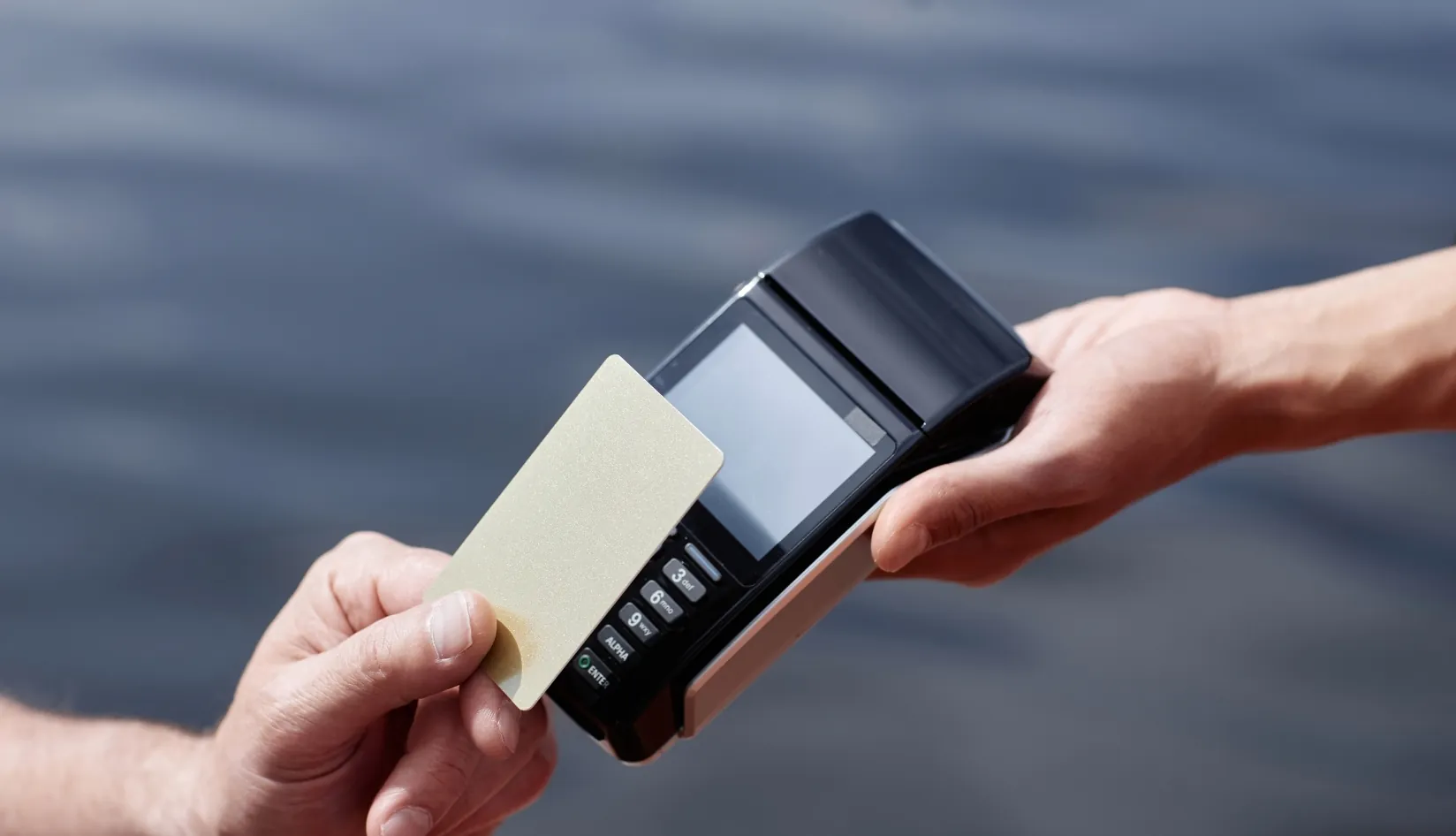
With the card activated, you simply tap it against the RFID reader on any compatible charging station to begin your session.
| Step | Action | Timeframe |
| 1 | Select Network/Provider | 5 Minutes |
| 2 | Create Account & Link Payment | 10 Minutes |
| 3 | Order Physical RFID Card | 2 Minutes |
| 4 | Receive Card via Mail | 3-7 Business Days |
| 5 | Activate & Tap to Charge | Instant |
Technical Specifications of Modern EV RFID Cards
- Frequency: 13.56 MHz High Frequency (HF), fully compliant with ISO/IEC 14443A contactless smart card standards.
- Chip & Security: Powered by MIFARE® DESFire® EV1 8K with 8KB EEPROM memory, supporting AES-128, 3DES, and DES hardware encryption for high-security authentication and anti-cloning protection.
- Multi-Application Capability: Supports multiple secure applications on a single card, making it ideal for EV charging networks that require scalable user management, fleet control, or integrated access systems.
- Durability: CR80 standard PVC smart card format, engineered for long lifecycle performance with high read/write endurance and stable data retention.

Real-World Case Study: Fleet Electrification Success
To understand the practical application of RFID technology in large-scale infrastructure, let’s look at Ignitis ON, the leading EV charging network in the Baltic states. As they expanded their network across Lithuania, Latvia, and Estonia, they prioritized a multi-modal payment and authentication system to serve their diverse customer base.
This implementation proves that for B2B operations, physical RFID cards are not just a convenience but a core requirement for efficient resource management and billing accuracy.
Custom Solutions for Charging Network Operators (Taking the MIFARE® DESFire® EV1 8K RFID Card as an Example)
If you are a charging station operator or a business looking to provide branded cards to your employees, knowing how to get a rfid card for ev charging involves finding a reliable manufacturing partner. At RFIDCard, we specialize in B2B wholesale, providing:
- Custom Branding: High-quality offset printing for logos and corporate colors.
- Flexible MOQ: We support both small pilot projects and massive rollouts.
- Eco-Friendly Materials: Options for recycled PVC or wood-based cards to align with your sustainability goals.
- Global Logistics: Direct shipping from our 5-line factory in China to North America, Europe, and the UK.

Comparing RFID Cards vs. Mobile Apps
Although both options have their advantages, the table below highlights why RFID cards remain essential.
| Feature | Physical RFID Card | Mobile Charging App |
| Speed of Use | Instant (Tap & Go) | Slow (Open, Load, Select) |
| Signal Required | No | Yes (4G/5G/Wi-Fi) |
| Battery Dependent | No | Yes |
| Ease for Fleets | High (Physical Handover) | Low (Account Sharing Issues) |
| Security | High (Hardware Encrypted) | Medium (Software Vulnerabilities) |
Conclusion
Mastering how to get a rfid card for ev charging is a vital step for any modern EV driver or fleet operator. By following the steps outlined in this guide—choosing a network, registering, and activating your physical card—you ensure a seamless, reliable, and professional charging experience. Whether you are an individual driver or a procurement manager, the efficiency of RFID technology is undeniable.
At RFIDCard, we are committed to powering the future of mobility. If you are looking for high-quality, customizable RFID cards for your charging network or business, we invite you to explore our full range of products. Visit rfidcard.com to learn more about our wholesale options and how we can support your EV infrastructure needs.
FAQs
Can I use one RFID card for all charging stations?
While many networks now offer “roaming” agreements that allow one card to work across multiple providers, there is no single universal card that covers every station globally. It is best to check with your e-mobility service provider (eMSP) to see their list of roaming partners.
What should I do if I lose my EV charging RFID card?
If your card is lost or stolen, you should immediately log into your provider’s app or website and “deactivate” or “block” the card. This prevents unauthorized charging on your account. You can then order a replacement card through the same portal.
Recommended Product

RFID Card CR80 MIFARE® DESFire® EV1 8K

The MIFARE® DESFire® EV1 8K RFID card is a secure, high-capacity contactless smart card ideal for various applications like access control, transportation, and payment systems. It features 8KB of integrated memory, advanced encryption standards for security, and is compatible with existing MIFARE® systems.