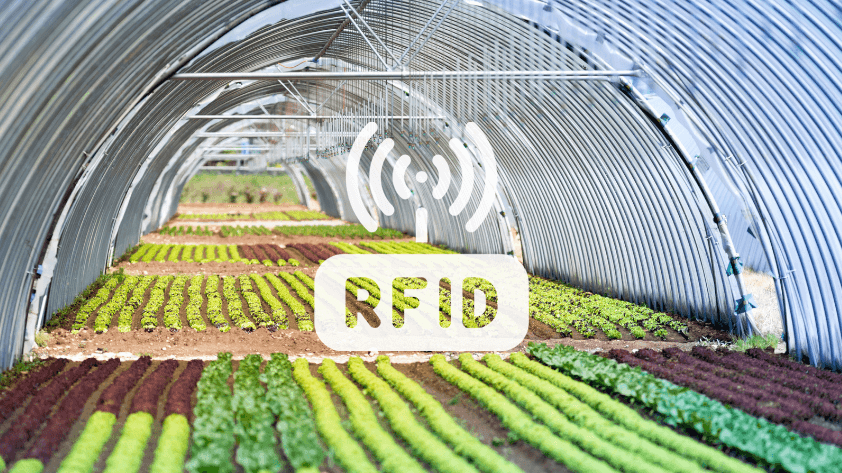
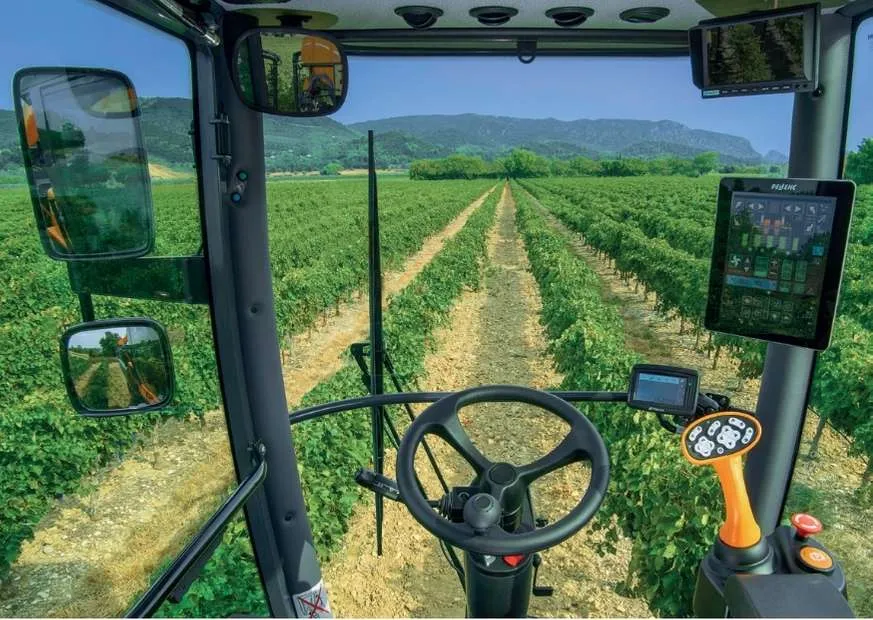
Agriculture is one of the oldest occupations in human history and perhaps one of the most important professions in the world today. With global population growth, changes in dietary needs, resource constraints, climate change and corporate competition, agriculture is under tremendous pressure to produce more food, and modern farmers are facing unprecedented challenges.
In fact, the Food and Agriculture Organization estimates that by 2050, global food production will need to increase by 70% to meet projected population growth. Fortunately, technological innovation has created new avenues for the agricultural industry to address this global challenge. Systems such as IoT sensors and big data analytics provide opportunities to redesign old agricultural practices, create more cost-effective production processes, and produce more food with less resource pressure.
The Internet of Things affects all aspects of the agricultural life cycle by streamlining resource collection, inspection and overall distribution. Agribusinesses around the world have recognized the potential of this technology and are using innovative solutions to produce safer, better foods and create greener, smarter production practices.
The latest advances in IoT technology have created a level playing field for agricultural production. IoT sensors provide a cost-effective, low-power system that collects all sensor data from soil and water quality to temperature, humidity, and vital signs of livestock. Using analysis from this information, farmers can generate predictive insights and optimize their operations, regardless of farm size.
The Internet of Things plays another important role on the farm in addition to crop production – monitoring livestock health. Despite many advances in improving livestock health and fertility methods, the mortality rate of cattle today is still comparable to the unsupported human fertility mortality of centuries ago. Nowadays, technology companies like MooCall are turning to the Internet of Things to improve modern livestock production practices.
The development of the Internet of Things in agriculture will have a huge impact on our ability to meet the growing global population. The vast amount of data collected through the IoT system enables farmers to obtain more information than ever before, increasing crop yields and creating safer livestock production practices. As this technology continues to evolve, the benefits will only continue to grow.
[post_grid id=”538″]