
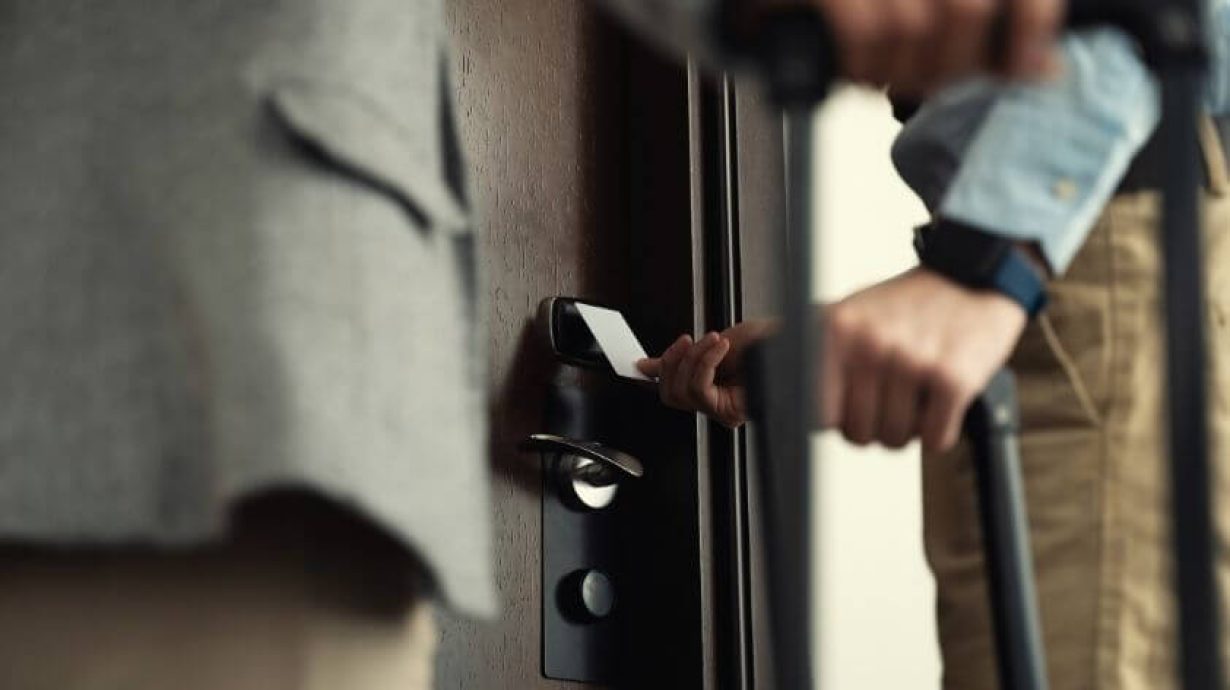

In the hotel industry, the adoption of RFID technology has transitioned from being a luxury option to an essential trend in industry development. More and more hotels are recognizing the value of RFID cards. These contactless smart cards streamline the check-in process and enhance the security control of hotel access. In this blog, we will delve into the unique features of MIFARE® Ultralight® RFID cards and explore the benefits they bring to modern hotel management. Let’s begin our exploration of the advantages this card offers!
1. What are MIFARE® Ultralight® RFID Cards?
MIFARE® Ultralight® RFID cards refer to a specific type of RFID card that incorporates the NXP MIFARE® Ultralight® chip series. Designed by NXP for efficient and cost-effective applications, the MIFARE® Ultralight® series chips are ultra-light and are widely utilized in various short-term and one-time scenarios, such as event tickets, membership cards, and temporary visitor management.

RFID hotel cards equipped with these chips serve as a small yet powerful tool for modern hotel management. They operate using a high-frequency wireless communication protocol of 13.56 MHz, allowing for quick information transmission without needing to physically contact the reading device. Guests can easily open doors or access activities with just a swipe when checking in at the front desk.
Key Features of MIFARE® Ultralight® RFID Cards
Low Price
For many hotels, budget constraints are a significant consideration when implementing new technology. The relatively low cost of MIFARE® Ultralight® RFID cards makes them an ideal choice for hotels operating within limited budgets. The basic functions they provide do not imply a compromise on quality; on the contrary, they deliver reliable services while managing costs, helping hotels enhance their overall quality.
Small and Light
The thin and lightweight design of the MIFARE® Ultralight® chip allows for a slimmer appearance of the RFID card, providing more design flexibility. This design not only enhances the aesthetics of the card but also makes it more convenient to carry. Additionally, due to the small size of the chip, the packaged card exhibits better resistance to damage, significantly improving its durability. This combination makes the MIFARE® Ultralight® RFID card both stylish and robust, perfectly suited to the needs of modern hotels.
Fast Communication Speed
In the fast-paced hotel environment, time is of the essence. MIFARE® Ultralight® RFID cards support rapid data reading and writing, improving operational efficiency and catering to high-traffic scenarios. This seamless experience not only delights customers but also alleviates pressure on front desk staff, allowing them to focus more on delivering quality service.
Security Features
Although MIFARE® Ultralight® RFID cards are positioned as economical products, they still incorporate basic security features. These cards typically come equipped with simple encryption technology to ensure data protection during transmission. Hotels can confidently use these cards for customer identification and access control, reducing the risk of data leakage while enhancing customers’ sense of security.
2. Application of MIFARE® Ultralight® RFID Cards in Hotels
In the hotel industry, the versatile application of MIFARE® Ultralight® RFID cards has brought numerous conveniences to both customers and managers. Let’s explore these application scenarios one by one.

Room Access
Imagine guests arriving at the hotel after a long journey. With MIFARE® Ultralight® RFID cards, there’s no need to queue at the front desk; they can check in quickly with just a swipe of their card. This convenient solution for room access control eliminates the hassle of traditional keys, enhancing both the check-in experience and hotel security. Guests appreciate the hotel’s respect for their time, making their stay more enjoyable.
Event Tickets
When the hotel hosts special events such as weddings, conferences, or parties, managing the admission process is crucial. MIFARE® Ultralight® RFID cards serve effectively as admission tickets. Guests can simply swipe their cards to gain quick entry, avoiding the frustration of waiting in line. This not only improves the efficiency of event organization but also leaves a positive impression on attendees.
Disposable Cards
For short-term visitors or special events, MIFARE® Ultralight® RFID cards are particularly useful. Providing these guests with one-time RFID cards helps avoid management challenges associated with long-term card usage. Whether for temporary meeting attendees or short-stay travelers, this flexible solution streamlines hotel management and enhances guest satisfaction.
Membership Cards and Loyalty Programs
By issuing exclusive MIFARE® Ultralight® RFID cards to hotel members, hotels can quickly identify and manage customer information. This enhances the personalized experience for guests and simplifies the management of points and rewards. Members will appreciate the hotel’s attention to their needs, increasing their likelihood of returning for future stays.
Payment and Consumption Management
MIFARE® Ultralight® RFID cards can also function as a payment method in hotel restaurants, gyms, bars, or spas. Guests can easily complete transactions by swiping their cards, eliminating the hassle of cash or card payments. This efficient and convenient payment method not only boosts customer satisfaction but also optimizes the hotel’s operational processes.
The diverse applications of MIFARE® Ultralight® RFID cards in hotels not only enhance the customer experience but also provide efficient solutions for hotel managers, creating a win-win situation for both parties.
3. Benefits of MIFARE® Ultralight® RFID Cards for Hotels
The benefits of MIFARE® Ultralight® RFID cards for hotels are numerous. Let’s explore these advantages in depth.

Improve Customer Experience
Customer experience is paramount in the hotel industry. By utilizing MIFARE® Ultralight® RFID cards, hotels can significantly enhance check-in efficiency. Once guests arrive, front desk staff can quickly encode the card, resulting in minimal wait times. After receiving the card, guests can swiftly enter their rooms with just a swipe. This seamless process greatly improves overall satisfaction. In case a guest loses their card during their stay, they can immediately contact the front desk to modify card permissions, significantly reducing the risk of financial loss—something traditional key cards cannot accommodate. A positive check-in experience not only leaves a lasting impression but also encourages repeat visits.
Reduce Costs
For hotels operating on limited budgets, MIFARE® Ultralight® RFID cards are an ideal solution. Their low cost and minimal maintenance requirements allow hotels to implement RFID technology without overspending. This cost-effective option not only helps hotels save on equipment purchases but also mitigates hidden costs associated with traditional management systems. Over time, this cost-efficiency lays a solid foundation for the sustainable development of hotels.
Flexible and Diverse Applications
The versatility of MIFARE® Ultralight® RFID cards is another significant advantage. Whether for temporary events, short-term stays, or long-term guest management, these cards can easily adapt to various scenarios. For instance, during a hotel meeting, RFID cards can serve as admission tickets, while in daily operations, they can function as room access controls. This flexibility not only enhances management efficiency but also provides greater convenience for guests.
4. Technical Features of MIFARE® Ultralight® Chips
When hotels consider implementing RFID cards, understanding the technical features is crucial. MIFARE® Ultralight® RFID cards are widely popular for their unique technical attributes, especially in the hotel industry.

Operating Frequency
MIFARE® Ultralight® RFID cards operate at a standard frequency of 13.56 MHz. This frequency complies with international standards and ensures good performance and compatibility. The 13.56 MHz frequency band is commonly used in hotel management, as it allows for shorter read and write distances while providing fast communication speeds and high security.
Memory Structure
The memory structure of the MIFARE® Ultralight® chip is meticulously designed and divided into multiple memory areas for efficient data storage and quick access. The main partitions include:
User Data Area: Used to store customers’ personal information, such as names and contact details. The size varies depending on the chip model.
Access Permission Area: Stores information related to room access rights, ensuring that only authorized users can enter specific areas.
Counter Area: Records the number of times the card is used or tracks the validity period, making it suitable for one-time or temporary use cards.
Application Data Area: Stores information for specific applications, such as event ticket data and promotional information.
The memory capacity of MIFARE® Ultralight® cards ranges from 48 bytes to 2KB, depending on the card model. For instance, the MIFARE® Ultralight® EV1 offers a larger memory capacity, suitable for storing more information. The data is organized in a specific format to ensure quick identification and access to each block. Each data area may include identifiers, data types, and data values, enhancing the neatness and security of the information. This structural design greatly improves the flexibility and efficiency of data management.
Data Storage Type
MIFARE® Ultralight® cards support various data storage types, including user personal information, room access rights, event ticket information, and more. This flexibility allows hotels to configure the card’s purpose according to their specific needs, improving management convenience. For example, hotels can link customer check-in information with access control permissions to ensure a unique experience for guests.
Communication Protocol
MIFARE® Ultralight® RFID cards utilize the ISO/IEC 14443 communication protocol, one of the most widely used high-frequency RFID protocols. This protocol ensures high efficiency and security of data transmission while supporting near-field communication (NFC). Through the ISO/IEC 14443 protocol, the card can quickly connect to the reader, typically completing data exchanges within a few milliseconds. This efficient communication capability ensures a smooth user experience when swiping the card, minimizing unnecessary waiting times.
Read and Write Speed
Read and write speed is a critical factor affecting operational efficiency. The design of MIFARE® Ultralight® RFID cards enables high read and write speeds, usually completing information reading and writing within 5 to 10 milliseconds. This speed is particularly important in scenarios requiring frequent card swiping, such as room access and event admission, effectively reducing customer waiting times and improving overall service quality.
Security Features
MIFARE® Ultralight® RFID cards come equipped with multiple security features, including data encryption (such as AES encryption), authentication mechanisms, and configurable access rights. These features effectively protect stored data and prevent unauthorized access. Additionally, the card design is anti-cloning, minimizing the risk of duplication while allowing read and write permissions to be set, ensuring that only authorized devices can access or modify information. These security features enhance customer trust and satisfaction with hotel services.
Compatibility
MIFARE® Ultralight® RFID cards are designed with interoperability in mind, ensuring compatibility with other RFID systems and devices. This feature simplifies the process for hotels looking to switch or upgrade between different devices in the future. For instance, if a hotel decides to implement a new access control system later on, the existing MIFARE® Ultralight® cards can continue to function seamlessly. This compatibility helps avoid duplicate investments and ensures a smooth transition to newer technologies.
Power Consumption
MIFARE® Ultralight® RFID cards are engineered for low power consumption, making them ideal for long-term use. This design not only extends the lifespan of the cards but also reduces maintenance costs. In daily hotel operations, utilizing low-power devices aids in more efficient energy resource management, aligning with modern sustainable development goals. Data indicates that employing low-power technology can cut energy consumption by 20% to 30%, positively impacting the hotel’s operational efficiency and environmental responsibility.
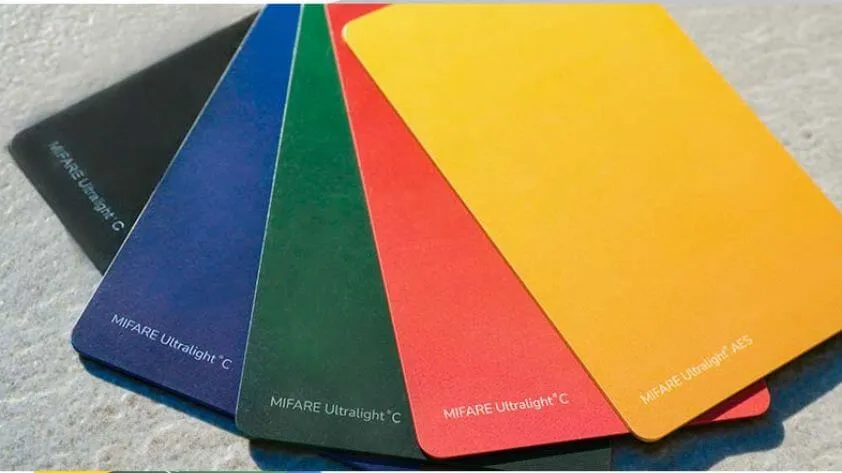
The MIFARE® Ultralight® series consists of three chips: MIFARE® Ultralight® AES, MIFARE® Ultralight® C, and MIFARE® Ultralight® EV1. The key differences among them are as follows:
| Product Name | Data Protection Level | Encryption Method | Authentication | Suitable Applications |
| MIFARE® Ultralight® AES | High, 128-bit AES protection | AES Encryption (128-bit) | CC EAL3+ | High-security environments, such as access control |
| MIFARE® Ultralight® C | Medium, 112-bit 3DES protection | 3DES Encryption (112-bit) | None | Medium-security needs, such as event ticketing |
| MIFARE® Ultralight® EV1 | Basic, 32-bit password + confirmation | Simple password protection | None | General security needs, such as temporary cards |
5. AES Security Certification for MIFARE® Ultralight® Series
AES (Advanced Encryption Standard) is a widely adopted encryption algorithm designed to provide robust data protection and security. It utilizes symmetric encryption technology, meaning the same key is used for both encrypting and decrypting data, making it ideal for safeguarding sensitive information.

How AES Enhances the Security of RFID Cards
In the context of RFID cards, AES significantly bolsters information security by encrypting the data stored on the card. Specifically, AES ensures the following aspects:
Data Confidentiality: By encrypting sensitive information, such as personal user details and access rights, AES guarantees that only authorized users can access this data.
Tamper-Proof Capability: AES encryption makes it more challenging for malicious users to tamper with or forge data, thereby enhancing the overall security of the system.
Authentication: AES can also be employed to implement authentication mechanisms, ensuring that only readers with the correct key can communicate with the RFID cards, which further strengthens security measures.
In Hotel Management, How Does AES Certification Protect Customer Data?
In hotel management, safeguarding customer data is of utmost importance. RFID cards utilizing AES certification provide hotels with several layers of protection:
Protecting Customer Information: Hotels manage vast amounts of personal customer information, such as ID numbers and credit card details. AES encryption ensures that this sensitive data is effectively protected during both storage and transmission, helping to prevent data leakage.
Improving Customer Trust: When customers are aware that their private information is secured by AES encryption, it fosters trust in the hotel. This trust not only enhances customer satisfaction but also promotes loyalty.
Addressing Data Leakage Risks: In an era where information leakage incidents are increasingly common, AES certification offers an additional layer of protection for hotels. Even if an RFID card is stolen, the thief cannot easily interpret the encrypted information contained within it.
In summary, AES security certification plays a crucial role in enhancing the security of RFID cards, particularly in the hotel management sector. By protecting customer data and improving system security, AES provides strong support for hotel operations and fosters customer confidence.
6. DES Encryption in MIFARE® Ultralight® Series
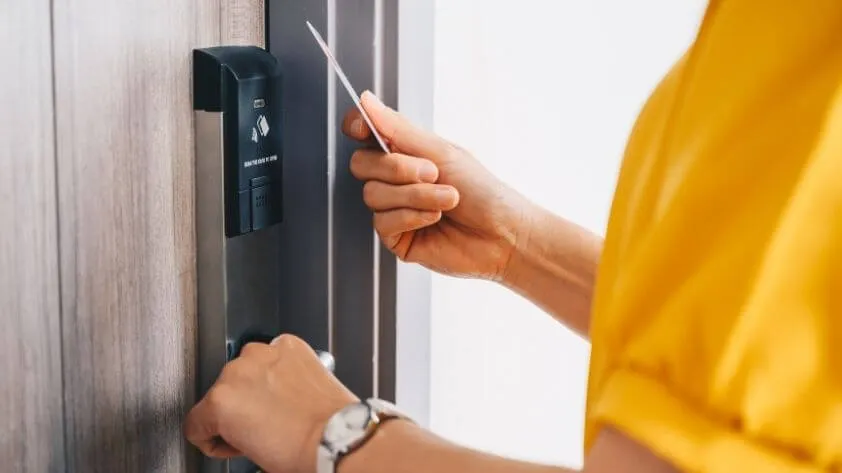
The MIFARE® Ultralight® C cards utilize 112-bit 3DES (Triple DES) encryption to provide a medium level of data security protection. This encryption method is commonly employed in various applications, particularly in scenarios where a certain degree of security is necessary but high security is not imperative.
How 3DES Encryption Works
3DES is a symmetric encryption algorithm that enhances data security by performing the DES encryption operation three times in succession. In the context of MIFARE® Ultralight® C, 3DES encryption safeguards sensitive data stored on the card, such as access rights and user information. This means that during data transmission, only devices equipped with the correct key can decrypt and access the information on the card, effectively preventing unauthorized access.
Advantages of DES Encryption in MIFARE® Ultralight® C
Medium Security: Compared to standard password protection, 3DES offers an additional layer of security, making it suitable for applications such as access control and ticketing.
Data Protection: 3DES encryption ensures that card data is not easily intercepted or stolen during communication, enhancing the overall security of transactions.
Preventing Copying: 3DES encryption reduces the risk of card cloning or unauthorized duplication, thereby strengthening the overall security of the system.
In summary, the implementation of 3DES encryption in MIFARE® Ultralight® C cards provides a balanced approach to data security, making it an effective choice for applications requiring moderate security measures.
7. Types and Differences of MIFARE® Ultralight® RFID Cards
The MIFARE® Ultralight® RFID card series is a cost-effective and flexible solution, particularly suitable for applications in hotels and short-term events. Below are several main types of MIFARE® Ultralight® RFID cards and their features:

NXP MIFARE® Ultralight® EV1 RFID Card
The MIFARE® Ultralight® EV1 is a widely used RFID card designed for high-frequency applications, making it ideal for environments that require low-cost solutions.
Main Features:
- Memory Structure: Offers a large memory capacity that supports various data storage needs.
- Fast Reading: Features quick read and write speeds, effectively enhancing the user experience.
- Convenience: Supports multiple applications, such as access control and ticket management, and is flexible enough to adapt to different scenarios.
NXP MIFARE® Ultralight® C RFID Card
The MIFARE® Ultralight® C provides enhanced security and additional storage space, making it suitable for applications that need to protect customer data.
Main Features:
- Security: Incorporates built-in security features, such as encryption and data protection mechanisms, to ensure the safety of user information.
- Enhanced Memory: Offers additional storage space for complex access control information.
- Compatibility: Compatible with other MIFARE products, facilitating easy integration into existing systems.
NXP MIFARE® Ultralight® AES RFID Card
This RFID card integrates the Advanced Encryption Standard (AES), providing a higher level of security suitable for environments with demanding security requirements.
Main Features:
- AES Encryption: Offers robust protection for data, preventing unauthorized access and data leakage.
- Versatility: Can be widely used in access control, event ticketing, and loyalty programs.
- High Security: Features a built-in authentication mechanism that ensures only authorized users can access stored information, further enhancing security.
Other Forms of MIFARE® Ultralight® Hotel Access Control Products
Key Fob:
Examples include the ABS RFID KEY-FOB Tag NXP MIFARE® Ultralight® C and ABS RFID KEY-FOB Tag NXP MIFARE® Ultralight® EV1. These small, lightweight RFID key fobs are easy to carry and are often used for access control in apartments and hotels, improving the check-in experience and eliminating the hassles of traditional keys.
RFID Silicone Wristband:
Examples include RFID Silicone Wristband MIFARE® Ultralight® C and RFID Silicone Wristband MIFARE® Ultralight® EV1. These silicone RFID wristbands are comfortable and waterproof, making them suitable for various activities. They are widely used in events such as hotel gatherings, pool entrances, and music festivals to manage participant entry and payments.
These different types of MIFARE® Ultralight® RFID cards and products each possess unique characteristics and can provide flexible, economical solutions tailored to the specific needs of hotels. By selecting the appropriate card type, hotels can effectively enhance operational efficiency and improve customer satisfaction.
8. Why Choose MIFARE® Ultralight® RFID Cards
Among the various RFID cards available, the MIFARE® Ultralight® series has emerged as an ideal choice for hotels and related industries due to its unique advantages. Here are some key reasons to help managers understand why they should opt for this solution.
Compared to RFID Cards with Other Chips
Price Advantage:
MIFARE® Ultralight® RFID cards deliver efficient performance at a relatively low cost, making them especially suitable for small hotels with limited budgets. When compared to higher-end RFID cards, the Ultralight series significantly reduces costs while still providing essential functions.
Excellent Performance:
These cards feature fast reading speeds, allowing for quick data transmission and minimizing customer waiting times. This capability is particularly crucial in high-traffic hotel environments, ensuring that guests enjoy a smooth and efficient check-in experience.
Ease of Use:
Designed with user experience in mind, MIFARE® Ultralight® RFID cards are straightforward and easy to use. Hotel managers can implement and maintain these cards without the need for complex technical support, and streamlining operations.
Low Management Costs:
Hotels utilizing MIFARE® Ultralight® cards typically experience reduced equipment and maintenance costs, as they do not require additional high-end equipment or intricate management systems. Compared to solutions that necessitate high security and complex data processing, MIFARE® Ultralight® cards offer an affordable means to achieve efficient daily operations.
Choosing MIFARE® Ultralight® RFID cards means selecting an economical and practical solution for hotel managers seeking to improve operational efficiency, reduce costs, and enhance the customer experience.
9. Hotels Suitable for MIFARE® Ultralight® RFID Cards
MIFARE® Ultralight® RFID cards are particularly well-suited for certain types of hotels and accommodations due to their cost-effectiveness and flexibility.

Small Hotels and Budget Hotels
In today’s competitive market, small and budget hotels face the dual challenge of enhancing customer satisfaction while reducing operational costs. MIFARE® Ultralight® RFID cards offer these hotels an ideal solution to meet the demands of their target market.
Target Market Analysis:
- Small hotels typically rely on short-term stays and experience high guest turnover, necessitating efficient check-in processes and simplified management systems.
- Budget hotels cater to price-sensitive travelers who seek a smooth check-in experience without compromising on service.
User Needs:
- Guests desire quick check-in and minimal waiting times; MIFARE® Ultralight® cards facilitate fast room access control through contactless technology.
- Hotel managers aim to reduce operating costs. The affordability and ease of management of MIFARE® Ultralight® cards can help hotels save on equipment and maintenance expenses.
Places for Short-Term Accommodation or Temporary Events
MIFARE® Ultralight® RFID cards also demonstrate their advantages in venues hosting special events or short-term accommodations. These locations require fast and efficient management solutions to handle fluctuating guest flows.
Weddings and Banquets:
Many hotels host weddings, conferences, or other events. Utilizing MIFARE® Ultralight® cards as event tickets simplifies admission management and allows for quick identification and recording of attendees. This not only enhances the efficiency of event organization but also improves the overall customer experience.
Short-Term Room Rentals:
For hotels or B&Bs offering temporary accommodations, MIFARE® Ultralight® cards can provide one-time room access rights for short-term guests. This approach enables hotel managers to easily control room access while minimizing the risk of loss or damage associated with long-term card use.
10. Flexibility and Future Scalability of MIFARE® Ultralight® RFID Cards
With the rapid advancement of technology, RFID is continuously evolving and driving the digital transformation of the hotel industry. The design of MIFARE® Ultralight® RFID cards enhances their adaptability, allowing them to meet the changing demands of the market.
Technology Trends
The rise of the Internet of Things (IoT) is significantly altering hotel operations. By integrating RFID cards with IoT devices, hotels can achieve intelligent management solutions, including automated room service, real-time customer feedback, and personalized guest experiences. These technologies not only boost operational efficiency but also allow hotels to adjust flexibly to customer needs.
Future Scalability
Looking ahead, the MIFARE® Ultralight® series is likely to introduce updated versions to align with evolving market demands. Future iterations may feature enhanced security standards, incorporating more advanced encryption technologies to address increasing cybersecurity threats. Additionally, improvements in storage capacity and data processing speeds will enable the cards to support a broader range of applications.
MIFARE® Ultralight® RFID cards present an attractive solution for the hotel industry, combining cost-effectiveness, flexibility, and an enhanced customer experience. This technology can effectively reduce operational costs while improving customer satisfaction, all while adapting to market changes. As a hotel manager, utilizing MIFARE® Ultralight® chip series RFID cards can facilitate your hotel’s digital transformation, yielding long-term benefits and enhancing your competitive edge in the industry.
Frequently Asked Questions (FAQs)
1. What is the main advantage of using MIFARE® Ultralight® RFID cards over traditional keys?
The primary advantage is the convenience and security they provide. MIFARE® Ultralight® cards enable keyless entry and streamline the check-in process, significantly enhancing the overall guest experience.
2.Are MIFARE® Ultralight® RFID cards secure?
While they come with basic security features, hotels should implement additional measures such as data encryption and regular software updates to further enhance security.
3. Can MIFARE® Ultralight® cards be used for multiple applications within a hotel?
Yes, these cards can serve various purposes, including room access, event management, and controlling access to amenities.
4. How can hotels ensure compatibility with existing systems when implementing MIFARE® Ultralight® cards?
Hotels should conduct compatibility assessments and consult with RFID specialists to ensure a smooth integration process with their existing systems.
5. What future trends should hotels be aware of regarding RFID technology?
Hotels should watch for the rise of IoT integration and sustainability initiatives, which can improve guest experiences and reduce environmental impact.
Recommended products
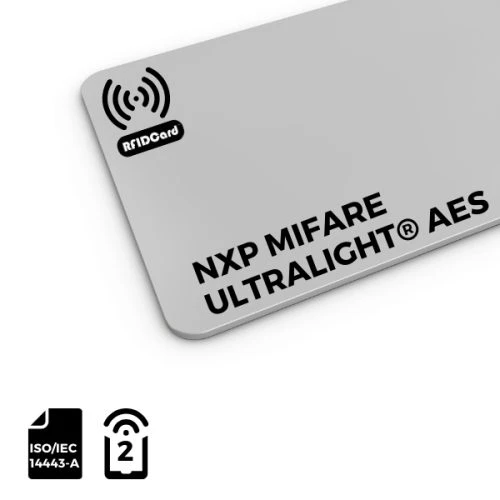
MIFARE Ultralight® AES PVC RFID Card

MIFARE Ultralight® AES PVC card is a contactless smart card based on MIFARE Ultralight AES chip, which supports AES encryption authentication, provides excellent performance and security, and is the highest security card in the MIFARE Ultralight® series. The card is made of PVC material and is widely used in access control, public transportation, ETC, events management, etc.
IMPORTANT NOTICE: All MIFARE Ultralight® AES cards supplied on this site is factory default (non-encrypted) version.



