With continuous advancements in wireless technology, Near Field Communication (NFC) has emerged as a powerful short-range, high-efficiency wireless connection method. NFC not only simplifies data transfer between devices but also shows immense potential across industries like payments, transportation, and healthcare. This article will explore practical NFC use cases across various sectors, revealing how this technology is transforming the way we live and work.
NFC Applications in the Retail Industry
Mobile Payments and Cashless Transactions: Enhancing Convenience and Security
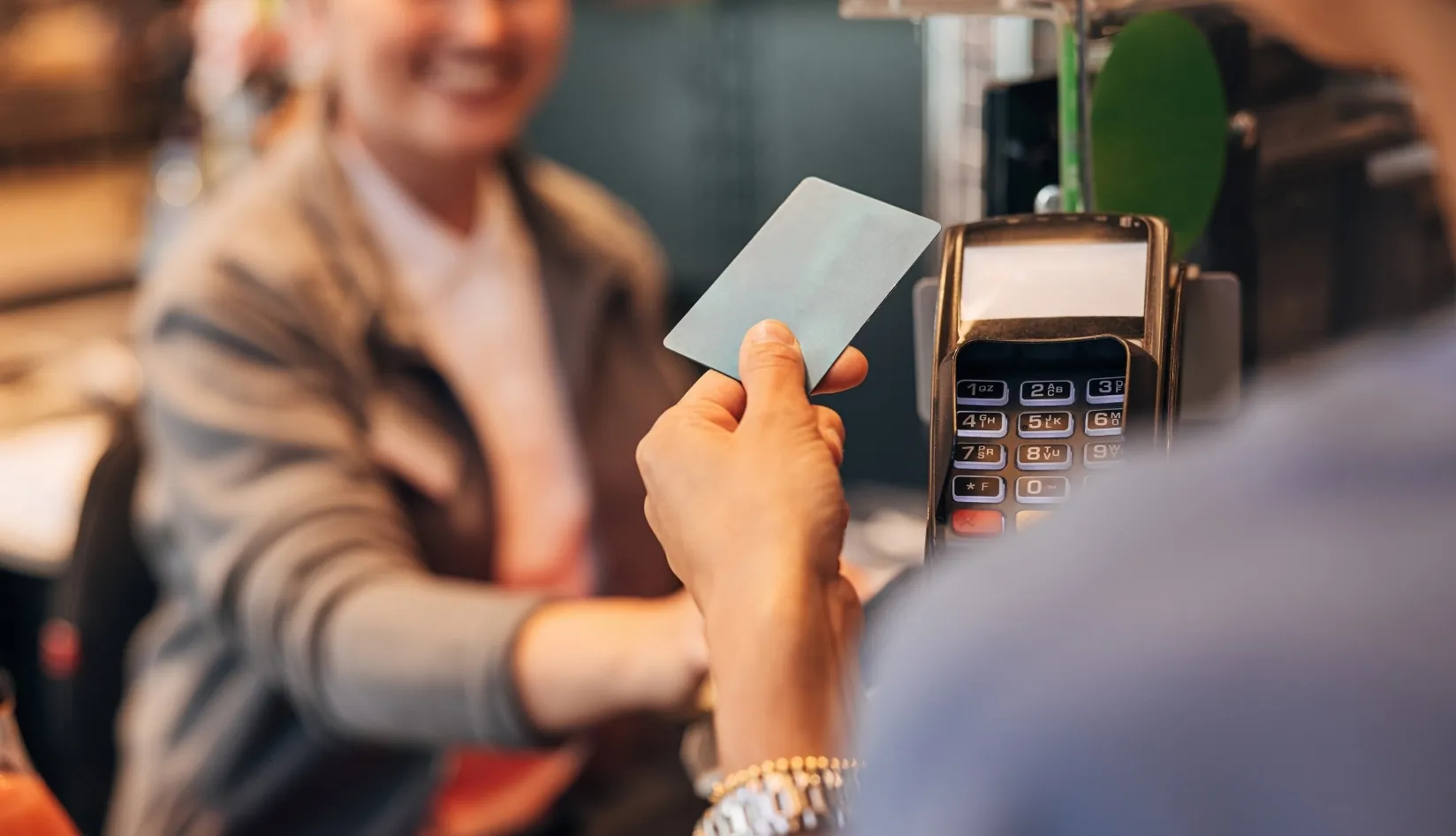
One of the most well-known uses of NFC in retail is mobile payments. Customers can simply tap their NFC-enabled smartphones or smartwatches on payment terminals to complete quick and secure transactions, significantly reducing checkout times and improving the shopping experience. NFC payments use advanced encryption and tokenization to protect users’ payment data from theft or tampering, minimizing risks associated with cash and traditional card payments. Additionally, cashless payments reduce physical contact, aligning with modern health and safety standards.
Smart Shelves and Inventory Management: Optimizing Supply Chain Efficiency
Retailers embed NFC tags in shelves and product labels to enable real-time inventory tracking. Smart shelves automatically detect product information and quantities, sending alerts when stock runs low to prevent out-of-stock situations or overstocking. NFC technology brings greater intelligence to supply chain management, boosting inventory turnover and cutting operating costs. Staff can quickly scan product details with NFC-enabled devices, speeding up inventory checks and improving accuracy while reducing human error.
Customer Engagement and Personalized Marketing: Delivering Targeted Offers via NFC
Retailers leverage NFC to interact directly with customers’ smartphones, delivering personalized promotions and discounts. When shoppers tap their phones on NFC tags embedded in products or displays, they instantly receive product information, special offers, or tailored recommendations. This interactive experience not only enhances customer satisfaction but also helps retailers collect valuable user behavior data, refine marketing strategies, and increase customer loyalty and repeat purchases.
NFC Applications in the Transportation Industry
E-Tickets and Contactless Gates: Enhancing Commuter Experience and Efficiency
NFC technology is widely used in public transit systems to enable e-tickets and contactless gates, greatly improving the commuter experience. Passengers simply tap their NFC-enabled smartphones or transit cards on the gate to quickly pass through without waiting in line to buy tickets or swipe cards, saving valuable time. Contactless entry also reduces physical contact, supporting public health and safety. The system records passenger entry and exit data in real time, helping transit authorities optimize scheduling and service.
Identity Verification for Car Sharing and Rental Services
Car-sharing and rental services use NFC for user identity verification and vehicle access. Users just tap their phone or NFC card on the vehicle’s sensor to verify their identity and unlock the car, eliminating the need for traditional keys or complicated passwords. This method improves convenience and security, reducing risks of lost or stolen vehicles. The system also automatically logs usage time and mileage, simplifying billing and fleet management.
Real-Time Traffic Information and Navigation Assistance
NFC is also used to provide real-time traffic updates and navigation help. Passengers can tap NFC tags to access live bus schedules, arrival times, and transfer guidance, making travel planning more efficient. Some smart bus stops and transit hubs feature NFC capabilities, allowing riders to tap tags for personalized navigation routes that optimize travel paths and minimize wait times.
NFC Applications in the Healthcare Industry
Patient Identification and Medical Record Management
NFC technology is widely used in healthcare for patient identification, ensuring accuracy and safety in medical services. Patients wear wristbands or cards embedded with NFC chips, allowing medical staff to quickly access their identity and medical history, reducing the risk of misdiagnosis or medication errors. The NFC system also supports real-time updates of medical records, enabling doctors across departments to access the most current patient information and improving treatment efficiency.
Drug Authentication and Tracking
Embedding NFC tags in pharmaceutical packaging is an effective way to prevent counterfeit drugs from entering the market. By scanning the NFC tag, pharmacies and patients can verify the authenticity and batch information of the medication, ensuring it comes from a trusted source. NFC also enables end-to-end tracking throughout the drug supply chain, increasing transparency, preventing counterfeit or expired medications from circulating, and safeguarding patient safety.
Medical Equipment Monitoring and Maintenance
When medical devices are equipped with NFC tags, maintenance staff can quickly retrieve usage data, maintenance history, and fault records using NFC readers, streamlining equipment management. NFC technology helps hospitals digitize asset management, optimize maintenance schedules, extend equipment lifespan, and ensure medical devices remain in optimal working condition, thereby supporting high-quality and safe healthcare delivery.
NFC Applications in the Hotel and Tourism Industry
Keyless Room Access Systems
NFC technology allows hotel guests to unlock their rooms using their smartphones or dedicated NFC cards, greatly enhancing convenience and security. Guests simply tap their device near the door lock sensor to unlock, eliminating risks associated with lost or duplicated traditional keys. The system also supports remote access management, enabling hotels to easily adjust room permissions and improve operational efficiency.
Fast Check-In and Check-Out Services
With NFC, hotels can offer streamlined self-service check-in and check-out processes. Guests verify their identity via NFC-enabled devices, completing registration and payment without waiting in line. Combined with mobile payments and electronic invoicing, the entire process becomes more efficient and seamless, boosting customer satisfaction while reducing front desk workload.
Personalized Guest Experiences and Smart Tours
By linking NFC tags with guest information systems, hotels can deliver personalized services such as tailored dining recommendations, event notifications, and room environment adjustments. Tourist attractions also use NFC to provide smart tour experiences, allowing visitors to tap NFC tags to access site information, multilingual guides, and interactive content, greatly enriching their travel experience.
NFC Applications in Manufacturing and Logistics
Asset Tracking and Equipment Maintenance
Manufacturers use NFC tags on critical assets and equipment to enable real-time tracking of location and status. Maintenance staff can access equipment maintenance history and fault records via NFC, allowing timely servicing to reduce downtime and improve equipment utilization. Additionally, NFC technology streamlines inventory audits and asset management, boosting overall efficiency.
Production Line Automation and Quality Control
NFC is widely applied on production lines to automatically identify workpieces and track manufacturing processes. Each workpiece carries an NFC tag, allowing machinery and inspection devices to read the tag and adjust processing parameters accordingly, ensuring consistent production and product quality. This technology also supports real-time data collection and analysis, helping companies quickly identify and address quality issues, reducing defect rates.
Supply Chain Transparency and Anti-Counterfeiting
By embedding NFC tags in product packaging and shipping containers, companies can achieve end-to-end transparency in the supply chain. NFC tags record key information about production, transportation, and storage, enabling verification at every stage. Consumers can also scan NFC tags to verify product authenticity, enhancing brand trust and preventing counterfeit goods from entering the market.
NFC Applications in Education and Public Services
Campus Identification and Access Control
NFC technology is widely used on campuses for student and staff identification and access management. Students and faculty carry NFC-enabled campus cards to enter classrooms, dormitories, and labs, ensuring campus security. The NFC system supports tiered access control, allowing flexible management of entry permissions for different groups, enhancing both safety and operational efficiency.
Library Borrowing and Resource Management
Libraries use NFC tags on books and equipment to enable quick and easy check-out and return processes. Patrons simply scan NFC tags with their campus cards or smartphones to complete self-service borrowing, with the system updating records in real time to reduce wait times. NFC also helps libraries efficiently manage collections and equipment, improving resource utilization and oversight.
Contactless Payments for Public Services
In public services, NFC technology is used for contactless payments such as bus fares, utility bills, and parking fees. Users just tap their NFC-enabled devices near payment terminals to complete transactions, boosting convenience and security. Contactless payments reduce cash handling, lower health risks in public spaces, and enhance the overall user experience.
Future Outlook and Trends
NFC Technology Development and Innovative Applications
As technology continues to advance, NFC applications will become more diverse and intelligent. Future NFC chips will be smaller, more energy-efficient, and offer faster data transfer speeds along with enhanced security features. Innovative uses will expand into areas such as smart homes, health monitoring, electronic payments, and identity verification, further driving digital transformation and the growth of smart living.
Integration of IoT and NFC
NFC will closely integrate with the Internet of Things (IoT), serving as a key bridge for device connectivity and seamless interaction. Thanks to NFC’s quick pairing and identification capabilities, smart devices can easily join IoT networks to enable automatic communication and collaboration between devices. For example, home appliances, wearables, and industrial sensors can connect and be controlled simply via NFC, improving the overall efficiency of smart systems.
AI-Assisted Intelligent Interaction
Combined with artificial intelligence (AI), NFC will enable smarter human-machine interactions. AI can analyze data collected through NFC to offer personalized recommendations and automated services. For instance, in retail, AI can use NFC data to push customized discounts and product information based on customers’ buying habits and preferences. In healthcare, AI-powered NFC devices can provide smart health monitoring and early warnings, enhancing service quality and operational efficiency.
Conclusion
NFC technology has proven its versatility and practical value across multiple industries, significantly enhancing convenience, security, and operational efficiency. As the technology continues to mature, businesses should actively explore and adopt NFC solutions to stay competitive and drive innovation. Embracing this trend is key to unlocking greater growth opportunities in the digital age.
FAQs
What are the key advantages of NFC cards compared to traditional magnetic stripe cards?
NFC cards use wireless communication, allowing contactless operation for greater convenience. They also offer enhanced security through encrypted data transmission, reducing the risk of theft or cloning. Additionally, NFC cards can integrate with smart devices to enable more advanced and interactive features.
How can businesses ensure customer data security when implementing NFC technology?
Businesses should use end-to-end encryption to protect data during transmission, conduct regular security audits, and strictly control access permissions. Implementing multi-factor authentication and anonymizing data also helps safeguard customer privacy to the highest degree.
In which emerging fields is NFC technology expected to see widespread adoption in the future?
Beyond traditional uses like payments and access control, NFC is expected to expand into smart healthcare, intelligent transportation, virtual reality (VR) and augmented reality (AR) interactions, and cashier-less retail, driving more convenient and personalized user experiences.