
Vending machines are ubiquitous worldwide, serving as crucial point-of-sale devices for the food and beverage industries. Traditional vending machines efficiently convert potential customers by offering ease of choice and payment. This article explores how RFID and NFC can transform vending machines for a better user experience.
Traditional Vending Machines and Room for Improvement
Traditional vending machines cater to numerous workers, pedestrians, and passersby, providing them with convenient access to beverages and snacks. These vending machines typically operate using coins, switches, or notes, and must confirm payment before dispensing the selected item. The conventional approach, however, has several disadvantages:
Misconduct or misuse of the machine: Some older vending machines lack efficient and accurate mechanisms to verify the inserted coin or note. Consequently, these machines may be susceptible to misconduct, where lower-value currency or similarly shaped objects can manipulate the system.
Payment not detected or identified incorrectly: Traditional vending machines may also fail to recognize a valid payment. Such errors can harm brand identity and potentially deter customers permanently.
No competitive advantage over other vending machine services: In areas with high vending machine density, it can be challenging for providers to maintain their revenue. RFID or NFC-based solutions allow brands to retain customers through prepaid balances or loyalty programs.
Traditional vending machines often lack a proper human-machine interface, and their physical payment methods can be flawed. RFID/NFC technology can address these issues.
Advantages of RFID/NFC-Based Vending Machines
RFID/NFC technology can revolutionize current vending machines, offering a new and improved user experience. Here are several advantages of RFID/NFC in vending machine operations:
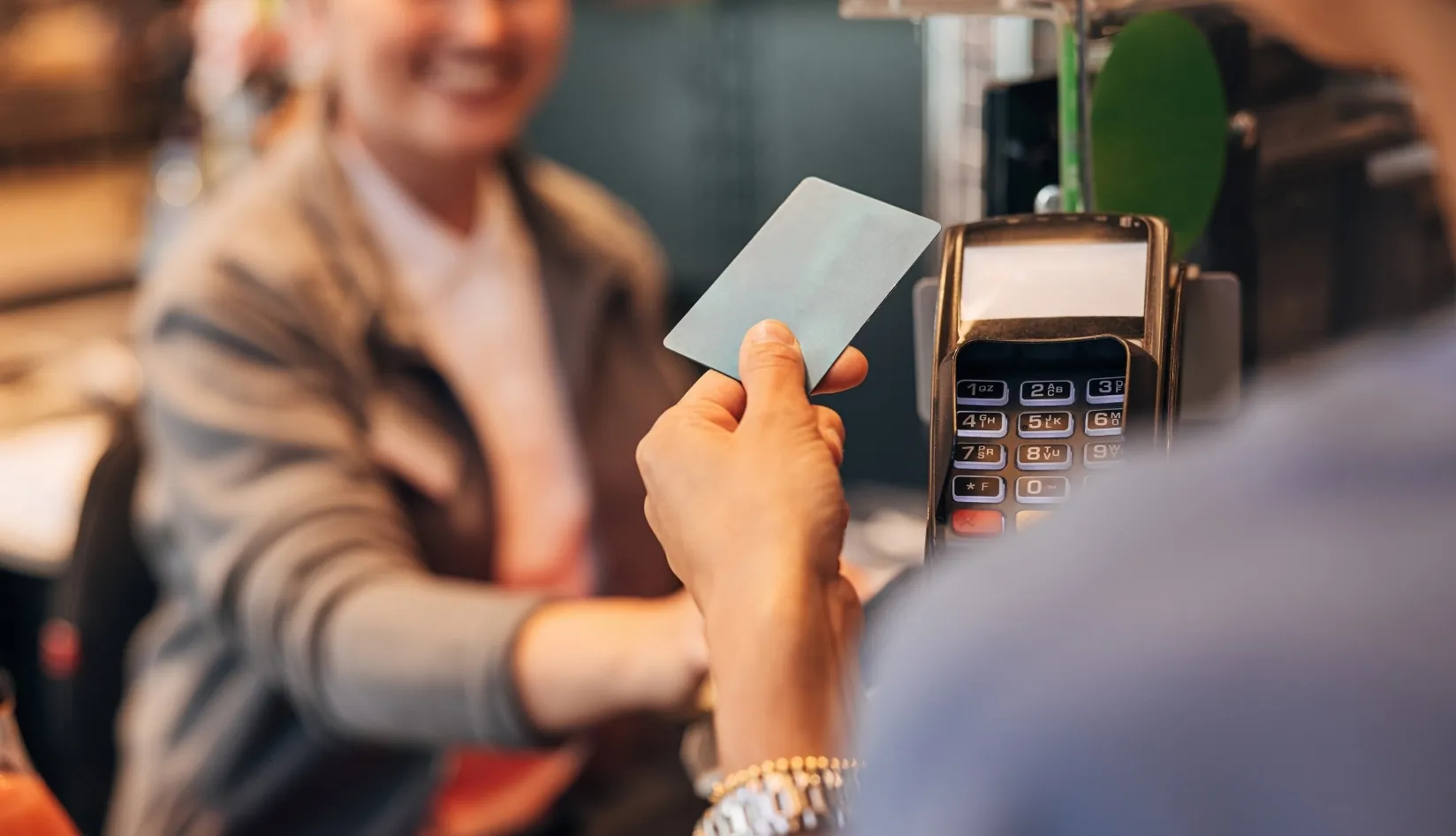
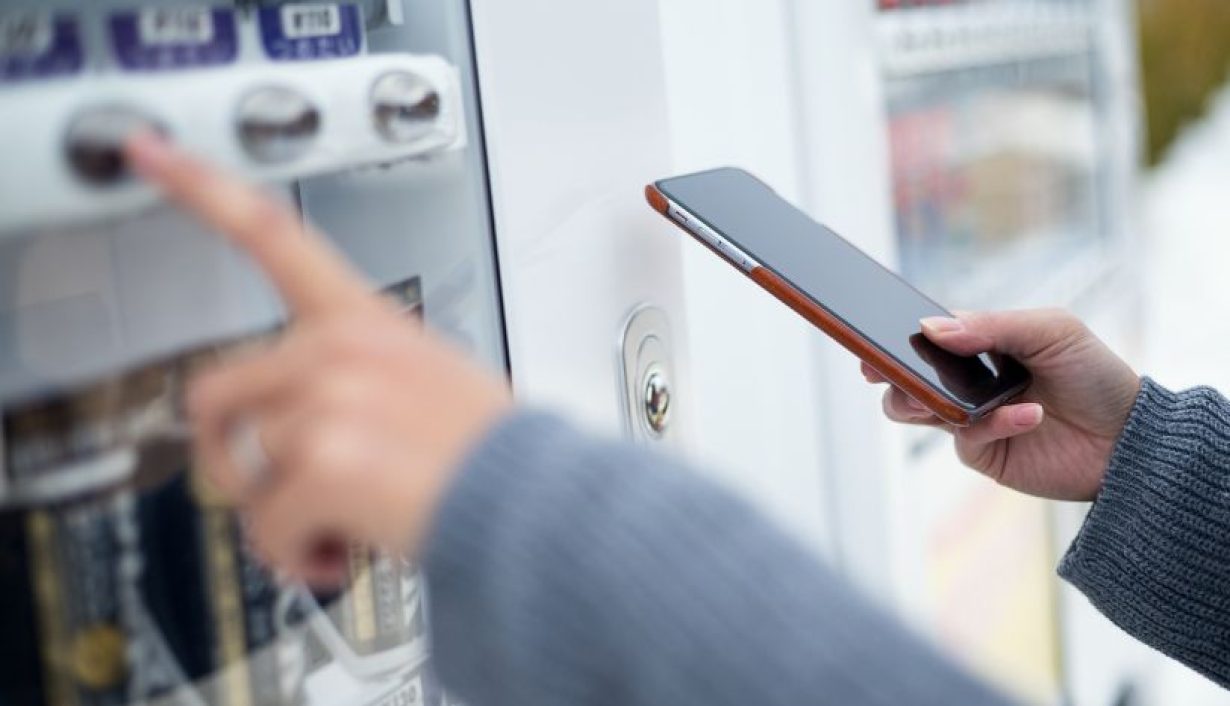
Wireless payments: Wireless payments can streamline purchases, enabling users to pay with minimal input. Customers can select their items and tap to pay at the vending machine.
Customer reward & loyalty: Brands can incentivize customers to choose their vending machines over competitors by offering perks and rewards. This strategy helps establish successful vending machines in new or less popular locations.
Consumption analysis: RFID/NFC-based vending machines can provide insights into consumption patterns by area, time, and user persona. This information allows companies to target the right products to the right audience.
Stock management: Customers often encounter vending machines with their favorite beverages or snacks out of stock. RFID technology can help ensure popular items are always available, reducing lost business by meeting customer needs.
In Conclusion
Vending machines have been a part of our lives for decades and will continue to be so for many more. Implementing the best technology solution, such as RFID/NFC, can facilitate long-lasting, reliable vending machine operations.