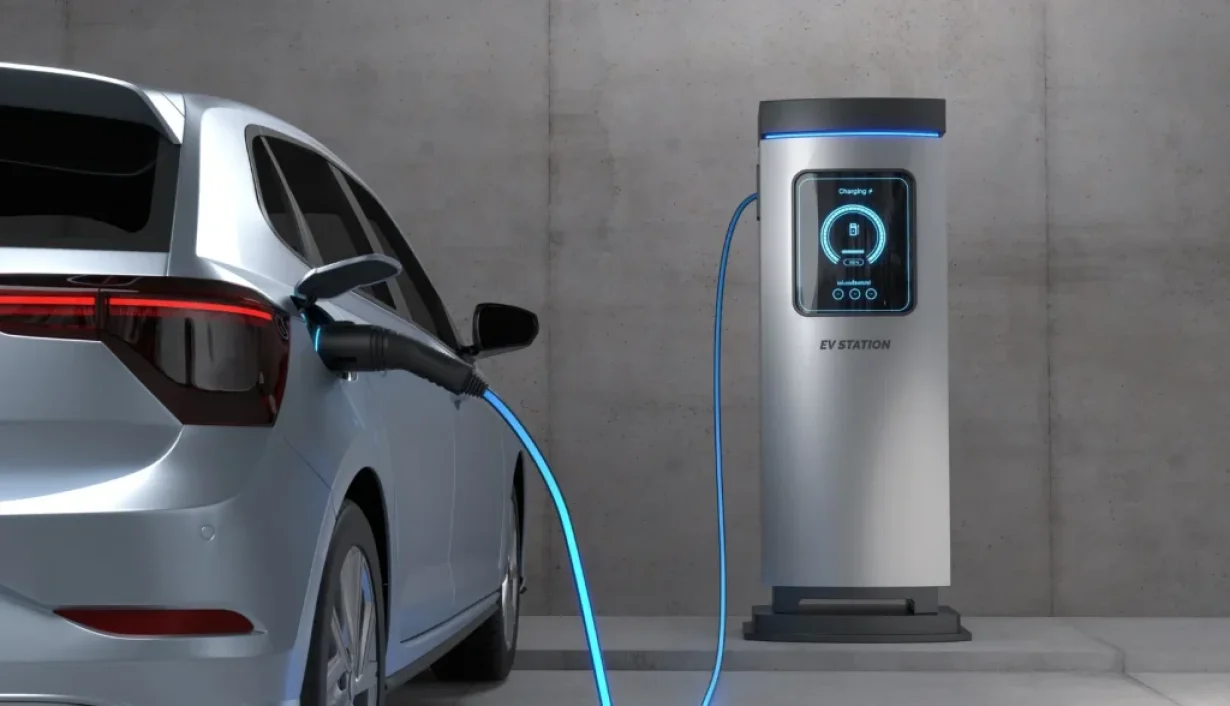

The rapid adoption of electric vehicles (EVs) is transforming the way businesses manage their fleets. As more companies integrate EVs into their operations, managing charging infrastructure efficiently becomes a critical concern. One of the most practical solutions for streamlining fleet charging is the RFID EV charging card. This small but powerful technology provides a seamless, secure, and efficient way for businesses to control access to charging stations, monitor usage, and optimize operational costs. Unlike traditional payment methods or app-based solutions, RFID cards offer reliability, speed, and flexibility, making them ideal for fleet operations where multiple vehicles and drivers need access to shared charging resources.
1. Understanding RFID Technology in EV Charging
To appreciate the benefits of this system, it is crucial to understand the underlying technology.

1.1 What is an RFID Card?
An RFID card is a small, passive device containing a microchip and an antenna. When brought near an RFID reader, the reader’s electromagnetic field energizes the card’s antenna, allowing it to transmit a unique identification code back to the reader. This process is instantaneous and requires no physical contact other than proximity.
The key difference between RFID and other authentication methods, such as magnetic stripe cards or mobile apps, lies in its simplicity and durability. Magnetic stripe cards can wear out or be easily damaged, while mobile apps rely on a stable network connection and a charged device. RFID, by contrast, is highly reliable, works in all weather conditions, and is extremely fast, making it ideal for the high-throughput environment of a commercial charging depot.
1.2 How RFID Works with EV Chargers
The integration of RFID into EV charging is seamless and straightforward. When a fleet driver pulls up to a charging station, they simply tap their rfid ev charging card against the station’s reader.
- Card Reading Process: The reader instantly captures the card’s unique ID.
- Authentication: This ID is sent to the central fleet management software (FMS) for verification. The FMS checks if the card is valid, active, and authorized to use that specific charger at that time.
- Session Initiation: Upon successful authentication, the FMS sends a signal back to the charger, unlocking the charging port and initiating the power flow.
- Data Logging: Throughout the session, the charger records key metrics—start time, end time, energy consumed (kWh), and the unique ID of the card used—and transmits this data back to the FMS.
The integration of RFID technology with fleet management software enables businesses to track charging times, energy consumption, and costs in real-time, providing insights that are critical for operational efficiency.
2. Benefits of Using RFID Cards for EV Fleets
The advantages of deploying an rfid ev charging card system extend far beyond simple access control, fundamentally improving the operational and financial management of an EV fleet.

2.1 Streamlined Access Control
For a business, control is paramount. An RFID system allows for granular access management:
- Assignment: Cards can be assigned to specific vehicles, ensuring that a vehicle’s charging costs are always tracked against its operational budget. Alternatively, cards can be assigned to individual employees, providing accountability for charging behavior.
- Security: By requiring a valid card to initiate a session, businesses prevent unauthorized use of their charging infrastructure by non-fleet vehicles or the general public, protecting their investment and ensuring charger availability for their own drivers.
- Flexibility: Access can be easily revoked or modified in real-time through the central FMS, offering immediate control over a lost card or a change in employee status.
2.2 Simplified Billing and Tracking
Another key benefit of RFID cards is their ability to simplify billing and tracking. Each charging session initiated by an RFID card is automatically recorded, capturing data such as time, duration, energy consumed, and cost. This data can be integrated with accounting or expense management systems, making it easy for businesses to allocate costs accurately. For fleet operators, this eliminates the need for manual logging or complex spreadsheets, saving time and reducing errors.
2.3 Improved Operational Efficiency
In a commercial environment, time is money. The speed and reliability of RFID contribute directly to improved operational efficiency.
- Faster Station Usage: The tap-and-charge process is significantly faster than navigating a mobile app, entering a PIN, or dealing with credit card transactions. This speed reduces the time a vehicle spends idle at the charger.
- Reduced Downtime and Bottlenecks: The rapid authentication process minimizes queues at busy charging depots, ensuring a smoother flow of vehicles and maximizing the utilization rate of the charging hardware. By reducing friction, drivers are more likely to charge when needed, preventing unexpected vehicle downtime.
2.4 Enhanced Data and Analytics
Beyond access control and billing, RFID technology provides valuable data insights. By monitoring charging patterns, fleet managers can identify peak usage times, determine the optimal number of chargers, and even adjust schedules to reduce energy costs. For example, charging during off-peak hours can significantly lower electricity expenses. Analytics derived from RFID card usage also enable better forecasting and planning, helping businesses scale their EV fleet operations more strategically.
3. Implementing RFID Cards in a Business Fleet
Successfully integrating RFID technology requires careful planning and execution across hardware, software, and personnel.
3.1 Choosing the Right RFID Cards
The selection of the physical rfid ev charging card is a critical first step. Businesses must consider:
- Durability: Commercial environments are demanding. Cards must be robust enough to withstand frequent use, temperature variations, and potential physical wear and tear.
- Compatibility: The cards must be compatible with the chosen charging hardware (the readers) and the central fleet management software. Most systems use standard frequencies (like 13.56 MHz, or NFC), but verification is essential.
- Security Features: While the primary security is handled by the FMS, the cards themselves should use secure encryption protocols to prevent cloning or unauthorized reading.
3.2 Fleet Management Software Integration
The RFID card is merely the key; the FMS is the lock and the brain of the entire operation. A robust FMS should offer:
- Centralized Dashboard: A single pane of glass for tracking all charging sessions, card statuses, energy consumption, and cost allocation.
- Reporting: Customizable reports that break down costs by vehicle, driver, location, and time period.
- Remote Management: The ability to remotely activate, deactivate, or update card permissions without needing physical access to the card or the charger.
4. Real-World Examples
The practical success of RFID in fleet management is well-documented. For instance, a major European logistics company operating a fleet of over 500 electric delivery vans faced significant issues with cost allocation and unauthorized charging across its 12 depot locations. Before implementation, they relied on a mix of public charging apps and shared credit cards, leading to a 15-20% discrepancy in monthly energy cost tracking. By deploying a system where each van was assigned a dedicated rfid ev charging card, the company achieved:
- 100% Cost Accuracy: Every kWh was tracked to a specific vehicle and cost center.
- 25% Reduction in Unauthorized Use: The closed-loop system eliminated external use of their private charging infrastructure.
- 10% Improvement in Depot Throughput: The faster authentication process reduced average vehicle wait times during peak charging hours.
5. Conclusion
In summary, an RFID EV charging card is a highly effective tool for businesses operating electric vehicle fleets. By streamlining access control, simplifying billing and tracking, improving operational efficiency, and providing valuable analytics, RFID cards address many of the challenges faced by fleet managers. With the right technology and implementation strategy, RFID cards ensure that fleets can operate smoothly, reduce downtime, and prepare for the future of EV fleet management. Ready to streamline your EV fleet operations and maximize efficiency? Invest in RFID EV charging cards today and experience faster, smarter, and more secure charging for your vehicles. Contact our team now to learn about compatible RFID solutions!
Recommended Product

RFID Card EPC Class 1 Gen 2 UHF IC Higgs® 3

The Higgs® 3 RFID cards are made with photo-quality PVC sheets in the size of CR80, suitable for use with most direct thermal or thermal transfer card printers. Higgs® 3 conforms to the EPCglobal Class 1 Gen 2 specifications and is a highly integrated single-chip UHF RFID Tag IC with 800-bit memory.