


In today’s globalized market, logistics and supply chain management are getting more and more complex. Companies not only have to respond to a variety of customer needs but also need to strike a balance between cutting costs and boosting efficiency. Traditional management methods often depend on manual operations, which are not only prone to mistakes but also make it tough to get key data in real time. As a result, more and more companies are starting to look for more efficient tech solutions, and RFID (radio frequency identification) technology is one of those solutions.
1. What is RFID? – Basic Technology in Logistics and Supply Chain Management
To understand the importance of RFID in logistics and supply chain management, we first need to grasp its basic principles. RFID (Radio Frequency Identification) is a wireless communication technology that uses radio waves to identify and track items. It operates with RFID tags, readers, and backend systems. For a deeper understanding of RFID technology, there is a blog “What’s RFID Technology: A Comprehensive Guide for Beginners.“

RFID tags with encoded information are attached to the items to be tracked in various ways. The reader that matches the tag’s operating frequency sends a signal, and the sensed tag responds by sending the information back to the reader. The reader then transmits this data to the backend system. Through this working principle, business managers can obtain the status and location of items in real time.
Features of RFID Technology
Compared to traditional barcode technology used in logistics and supply chain management, RFID technology exhibits a series of unique features. First, reading RFID tags does not rely on a direct line of sight, meaning operators do not need to align the tag and the scanner. Thanks to this non-contact identification method, RFID can identify multiple items at once. This efficient reading method enables companies to process inventory more quickly, greatly enhancing the smoothness and overall efficiency of operations.
Additionally, the amount of information that RFID tags can store far exceeds that of barcodes. They not only contain simple identification codes but also include various information such as production dates, batch numbers, and transportation history. This allows companies to have a more comprehensive perspective on management and aids in making more accurate decisions.
Furthermore, RFID tags are more durable. Whether in harsh environments such as humidity, dust, or extreme temperatures, they can operate reliably to ensure the continuous tracking of items throughout the supply chain.
2. Main Applications of RFID in Logistics and Supply Chain Management
RFID technology has a wide range of application scenarios in logistics and supply chain management, covering multiple key areas and providing enterprises with more intelligent management tools.

Inventory Management:
Real-Time Tracking of Cargo Location and Optimization of Warehousing Processes
By attaching RFID tags, enterprises can monitor the specific location and status of inventory items in real time. This precise tracking not only reduces the need for manual inventory counts but also optimizes warehouse layout and processes. By improving the accuracy of inventory data, companies can better predict demand and reduce excess or shortage inventory, thereby enhancing the overall management efficiency of warehouses.
Transportation Tracking:
Accurate Monitoring from Shipment to Delivery
During the logistics transportation process, RFID provides real-time tracking information for every link in the goods’ journey. From cargo loading and transportation to delivery, the RFID system can automatically record data at each stage and issue early warnings when necessary. This real-time monitoring not only improves transportation transparency but also enables companies to respond quickly to any delays or issues, ensuring that goods are delivered on time.
Inbound and Outbound Management:
Automatic Identification and Rapid Processing of Goods in and Out of the Warehouse
RFID technology greatly simplifies the process of managing goods coming in and out of the warehouse. By automatically scanning RFID tags, the system can quickly identify items and automatically enter relevant data, reducing the time and errors associated with manual operations. This automated identification function not only speeds up warehouse operations but also enhances data accuracy and minimizes the risk of lost or misplaced items.
Supply Chain Transparency:
Improve End-to-End Supply Chain Visibility and Reduce Blind Spots
RFID technology provides companies with end-to-end visibility of the supply chain, allowing every link to be accurately tracked and monitored. Whether it’s production, transportation, or delivery, companies can obtain real-time status updates at each stage, reducing information blind spots. Higher transparency helps companies identify and resolve potential issues in a timely manner, thereby improving the responsiveness and operational efficiency of the supply chain.
Reverse Logistics:
Managing Returns, Recycling, and Other Processes More Efficiently
The application of RFID in reverse logistics is also crucial. Companies can track the return process of products through RFID tags to ensure that each return is accurately recorded and processed quickly. This not only accelerates the returns process but also reduces product losses, helping companies manage returns and recycling processes more efficiently.
Anti-Counterfeiting Verification:
Ensuring Product Authenticity, Combating Counterfeit and Substandard Goods, and Enhancing Consumer Trust
In terms of anti-counterfeiting verification, RFID tags can store unique product identifiers, allowing companies to verify authenticity by reading the tag information. This function plays a significant role in combating counterfeit and substandard goods, protecting the brand’s reputation, and enhancing consumer trust in products. For high-value items or industries with stringent quality requirements, RFID’s anti-counterfeiting capabilities are particularly critical.
3. How Does RFID Improve Logistics Efficiency?
After implementing RFID technology, companies can significantly enhance operational efficiency and differentiate themselves from the competition. RFID helps enterprises optimize logistics management and improve overall efficiency by reducing manual operations, improving data accuracy, and enabling real-time tracking of the flow of goods.

Reduce Manual Operations and Improve Accuracy
Traditional logistics management often relies on manual operations, such as scanning barcodes or recording data by hand. This method is time-consuming and prone to human errors. By applying RFID technology, companies can automatically identify and record cargo information, eliminating the need for human intervention. For example, when goods pass through the warehouse entrance or exit, RFID readers can automatically scan cargo tags and update the system with data in real time without manual scanning. This not only boosts work efficiency but also significantly reduces the error rate in operations.
Fast Identification, Reduced Delays and Errors
One of the biggest advantages of RFID compared to traditional technologies is its contactless reading capability and its ability to process multiple tag information simultaneously. This means that goods do not need to be scanned one by one; they can be automatically identified as they pass through the reader’s range. Whether in the warehouse or in transit, this fast identification capability can reduce delays in processes and avoid errors caused by scanning mistakes or missed scans. In an efficient RFID system, the entry and exit of goods, as well as loading and unloading, can be completed in seconds, which not only enhances processing speed but also mitigates the risk of lost items.
Real-Time Data Update, Optimized Scheduling and Inventory
RFID systems provide enterprises with real-time updates on inventory and the status of goods. This transparency offers substantial benefits for scheduling and inventory management. As goods move through the supply chain, RFID tags send updated information continuously, helping companies track the exact location of items in real time. This enables businesses to better plan transportation routes, arrange storage space, and adjust supply chain operations based on real-time data. This dynamic adjustment capability can reduce inventory backlogs and save on storage costs, allowing companies to respond more swiftly to changes in market demand and improve the flexibility of the supply chain.
4. RFID’s Cost-Saving Potential in Supply Chain Management
RFID not only enhances the efficiency of logistics and supply chains but also brings significant cost savings to enterprises. From reducing inventory backlogs to optimizing transportation routes, the application of RFID enables companies to achieve smarter cost control across multiple links.

Reduce Inventory Backlogs and Lower Inventory Holding Costs
Traditional inventory management methods, especially those that rely on manual counting, often make it difficult to accurately assess inventory levels in a timely manner. This can force companies to maintain high inventory levels to accommodate potential demand fluctuations. The introduction of RFID technology allows enterprises to track the specific location and status of each product in real time, providing accurate inventory insights. This visibility reduces the likelihood of inventory backlogs, helps companies replenish stock more accurately, avoids unnecessary retention of goods, and significantly lowers inventory holding costs.
Optimize Transportation Routes and Reduce Transportation Costs
RFID can not only track inventory in real time but also monitor the location of goods during transit. This precise tracking capability enables companies to better plan transportation routes and shipping sequences, thereby avoiding empty vehicles and redundant trips. By minimizing unnecessary travel distances and fuel consumption, enterprises can significantly lower transportation costs while also enhancing the overall efficiency of the logistics network. Optimized transportation routes further shorten delivery times and improve customer satisfaction.
Reduce Labor Costs and Errors Caused by Manual Operations
In logistics and supply chain management, labor costs associated with manual operations can be substantial, and errors resulting from these operations can incur additional costs. RFID’s automation capabilities greatly reduce reliance on manual processes. Whether in warehouse inventory management, cargo sorting, or transportation oversight, RFID facilitates automatic identification and data recording. This not only cuts down the time spent on manual tasks but also helps prevent issues such as lost cargo, misdeliveries, or inaccurate inventory counts caused by human error, thereby saving companies from incurring extra costs related to error correction.
5. Application of RFID in Supply Chain Traceability
In all links of the supply chain, RFID technology provides a high degree of traceability, which is essential for the operation of modern enterprises. By accurately tracking the entire process of products from production to delivery, RFID technology ensures transparency and information integrity throughout the supply chain.

Traceability of Each Link in Product Production, Processing, Transportation, etc.
RFID technology can record detailed information about products at each stage, including production time, processing steps, and transportation routes. Whenever a product passes a new node, the RFID system automatically updates the data and synchronizes this information with the central management system. This allows enterprises to retrieve these records at any time, gaining a clear understanding of the product’s source, processing history, and transportation route, thereby effectively reducing the time needed to trace product-related issues.
Real-Time Control of the Status and Location of Items to Ensure Transparent Logistics
RFID tags enable companies to track the status and location of each item in real time, whether in warehouses, factories, or in transit. By automatically reading tag information, companies can ensure that items arrive at the right place at the right time and can take immediate action when abnormalities (such as transportation delays or damage) occur. This level of transparency provides strong support for supply chain optimization and problem resolution.
6. RFID and IoT Integration in Supply Chain
The combination of IoT and RFID has further advanced the development of smart supply chains. Through the synergy of these two technologies, enterprises can achieve comprehensive data monitoring and more precise operational control, significantly enhancing the efficiency and visibility of the supply chain.

How RFID and IoT Work Together to Provide Comprehensive Data Monitoring and Analysis
The integration of RFID and IoT connects every node in the supply chain to an intelligent network. RFID tags collect data on the current location, status, temperature, and other attributes of goods through wireless signals, while IoT devices are responsible for transmitting this data to a central system in real time. This integration not only eliminates information delays but also enables companies to make timely adjustments and decisions based on data analysis.
For example, in cold chain logistics, RFID tags can monitor the temperature of refrigerated goods, while IoT devices transmit temperature data to the cloud. If the temperature deviates from the set range, the system automatically issues an alarm, ensuring that the issue can be addressed immediately to prevent damage to the goods. The real-time and automated management of this data greatly enhances the response speed and management capabilities of the supply chain.
How RFID Helps Companies Build an Interconnected Smart Supply Chain System
In a smart supply chain, RFID tags serve not only as identification tools for items but also as “keys” for information circulation. When combined with IoT technology, companies can achieve more efficient resource scheduling and inventory management. RFID tags collect data and connect with other smart devices through the IoT platform to create an interconnected supply chain system.
For instance, when goods enter a warehouse, RFID automatically identifies and records their detailed information, synchronizing this data with the inventory management module in the IoT system in real time. Subsequently, the IoT device automatically arranges replenishment, order processing, and transportation scheduling based on the inventory data. This automation greatly reduces human intervention and improves overall efficiency.
7. Which Industries Are Suitable for Using RFID Technology in Supply Chain and Logistics Management?
RFID technology has demonstrated significant potential across various industries, particularly in areas where accurate supply chain and logistics management is crucial. The following industries are especially well-suited for adopting RFID technology in their supply chain and logistics operations.

Manufacturing
In the manufacturing sector, RFID technology helps companies better manage multi-level supply chain processes. Whether tracking raw materials, parts, or monitoring the flow of finished products, RFID tags provide real-time data to ensure accurate material supply at all stages of the production line. This capability helps prevent raw material shortages, minimizes parts loss, and reduces the risk of finished products being stranded in inventory.
Retail
The retail industry heavily relies on precise inventory management, and RFID technology offers the ability to track inventory in real time. By using RFID tags, companies can maintain a clear understanding of inventory levels in warehouses and stores, ensuring a seamless connection between the supply chain and actual sales demand, which helps reduce inventory backlogs and out-of-stock issues. Additionally, RFID can enhance in-store replenishment speed and improve the overall customer experience.
Food and Beverage Industry
In the food and beverage sector, RFID technology can achieve comprehensive tracking of the supply chain while ensuring food safety through real-time data monitoring. Companies can trace key information such as the source, production date, and transportation route of each batch of food, effectively preventing problematic products from entering the market. This enhances consumer trust and ensures compliance with safety regulations.
Pharmaceutical Industry
The pharmaceutical industry has extremely high requirements for security and traceability within the supply chain. Through RFID, companies can monitor every link in the drug production, transportation, and storage processes in real time, ensuring compliance with stringent regulatory requirements. Additionally, RFID technology helps reduce the risk of theft and counterfeiting of drugs while improving the accuracy of drug distribution.
E-Commerce and Logistics Companies
The e-commerce and logistics sectors have a strong demand for fast delivery, accurate inventory management, and efficient transportation. RFID technology assists companies in optimizing the delivery process, minimizing misdeliveries and missed deliveries, and enhancing transportation route efficiency through real-time data. This makes RFID an essential tool for improving operational efficiency in e-commerce and logistics.
Automotive Industry
Automobile manufacturing involves numerous parts and complex supply chain management. RFID technology enables companies to track the flow of each part in real time, ensuring that they arrive at the production line on schedule. Furthermore, RFID can monitor the transportation and delivery of finished vehicles, enhancing transparency and efficiency across the entire supply chain.
Cold Chain Logistics
In cold chain logistics, maintaining the proper temperature is crucial for ensuring the quality of goods. RFID technology not only helps companies track the location of items but also monitors temperature changes through sensors to ensure that the quality of temperature-sensitive products is preserved during transportation and storage. This is particularly important for products such as food and pharmaceuticals that require strict temperature control.
8. Successful Practice of RFID in Logistics and Supply Chain
RFID technology has been widely adopted by many leading companies, helping them achieve remarkable results in logistics and supply chain management. Below are several representative success cases that illustrate the impact of RFID technology in real-world operations.
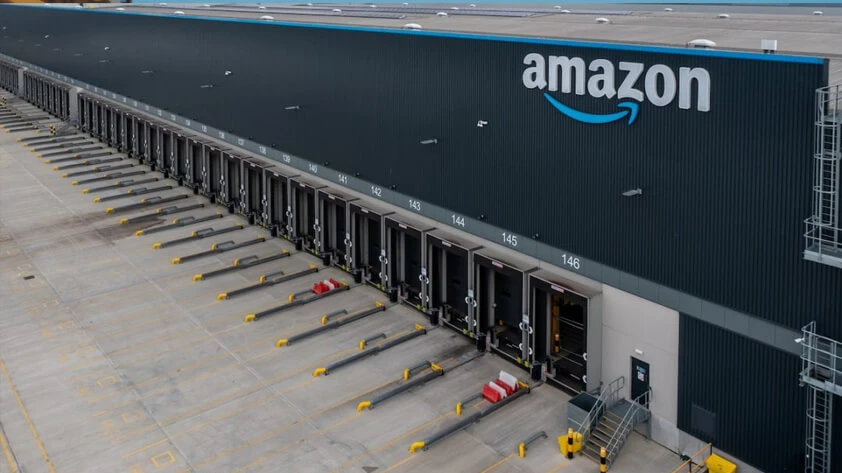
Case 1: Amazon Warehouse Uses RFID to Achieve Efficient Inventory Management
As the world’s leading e-commerce platform, Amazon has significantly enhanced the efficiency of its warehouse management by implementing RFID technology. Amazon warehouses utilize RFID tags to track the location of each item, ensuring real-time updates of inventory information. This capability allows Amazon to accurately manage inventory levels and avoid issues related to stockouts or overstocking. Additionally, RFID’s contactless reading feature greatly reduces the time required for manual inventory counts, increases shipping speed, and further enhances the customer shopping experience. Overall, RFID technology helps Amazon minimize errors in inventory management and improve the efficiency of warehouse operations.
Case 2: Walmart Uses RFID to Improve Supply Chain Transparency
Walmart, a major retail brand, has significantly increased supply chain transparency by extensively applying RFID technology throughout its operations. Every link of each product—from the production factory to the distribution center and finally to the retail store—is tracked in real time using RFID tags. This allows Walmart to monitor the specific location and status of goods at any moment, ensuring timely replenishment and preventing loss of merchandise. The implementation of RFID technology not only helps Walmart reduce blind spots in its supply chain but also significantly enhances the flexibility and responsiveness of its operations, providing robust technical support for its global business.
Case 3: Zara Uses RFID for Logistics Optimization
The clothing retail brand Zara employs RFID technology in its global supply chain to achieve a fast-response supply chain operation model. Zara uses RFID tags to monitor the production, transportation, and inventory status of each item, ensuring that each store receives the necessary goods in the shortest possible time. This technology enables Zara to quickly adapt to market changes and customer demands, significantly reducing the time from product design to sales while minimizing inventory backlogs. Through RFID technology, Zara not only enhances logistics efficiency but also achieves more effective inventory management and improved market forecasting accuracy.
9. Steps to Implement RFID: From Planning to Execution
Implementing RFID technology is a systematic project. When considering the introduction of this technology, enterprises must navigate multiple stages of planning and execution. Below are some key steps that organizations need to follow in the process of implementing RFID.
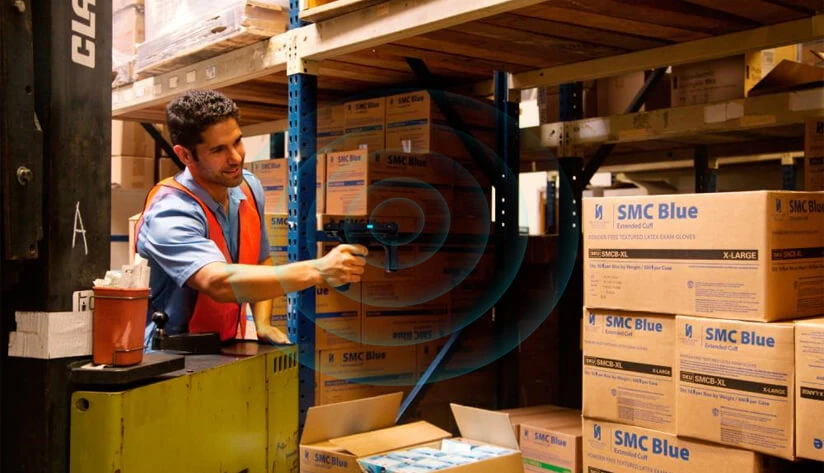
Demand Analysis
Identify the Pain Points in the Logistics or Supply Chain of the Enterprise
The first step in implementing RFID is conducting a comprehensive demand analysis. Enterprises need to identify the primary challenges in their logistics or supply chain management, such as inefficient inventory management, inaccurate cargo tracking, and lack of supply chain transparency. By thoroughly analyzing these pain points, companies can set clear objectives for the application of RFID technology and ensure that their technology investments lead to tangible business improvements.
Technology Selection
Choosing the Right RFID Tags, Readers, and Related Equipment
RFID technology is diverse, and different application scenarios require different types of tags and equipment. Therefore, when implementing RFID, enterprises must select the appropriate RFID tags and readers based on their specific needs. For instance, anti-metal tags are necessary in metal environments, while high-frequency or ultra-high-frequency RFID tags may be required for transportation tracking. Selecting the right equipment ensures that RFID technology operates stably and efficiently.
Our Company Provides Two Types of On-Metal RFID Tag Products:
This kind of tag is specifically designed for use on metal surfaces and boasts excellent anti-metal properties. It performs well in extreme temperatures and is resistant to corrosion from liquids and chemicals. This tag is particularly suitable for applications in warehousing, transportation, and manufacturing that require durability in harsh environments. It offers a good balance between performance and cost.
On-metal labels are mainly cost-effective and can be directly affixed to metal surfaces. They are convenient for large-scale applications and are primarily used for product identification and logistics management in standard metal environments. While providing RFID functionality, these labels resist interference from metal and are affordable, resulting in low investment costs.
There is a video for you showcasing the performance test of the sticky on-metal label, which is particularly essential in logistics and supply chain management. The video demonstrates its reading effectiveness on both metal and non-metal surfaces, allowing you to explore its performance advantages further.

Integrate RFID with Existing ERP, WMS, and Other Systems
The true advantage of RFID technology is its ability to seamlessly integrate with a company’s existing information systems, such as ERP (Enterprise Resource Planning) and WMS (Warehouse Management Systems), facilitating real-time data transmission and sharing. By connecting the RFID system with these back-end management systems, organizations can achieve comprehensive visibility across logistics, inventory, and supply chain processes. Successful system integration allows companies to fully leverage RFID technology, leading to improved operational efficiency.
Employee Training
Ensure That Relevant Personnel Have RFID Operation and Maintenance Skills
The effective application of RFID technology relies not only on the hardware and software systems but also on the support and skills of employees. Companies need to provide comprehensive training for relevant operators, ensuring they understand how to properly use RFID equipment, manage RFID data, and conduct preliminary diagnostics and troubleshooting for system issues. By investing in thorough training, organizations can minimize technical failures caused by human error and enhance overall system performance.
Pilot Operation
Conduct Pilot Operations in a Small Range and Gradually Expand the Application
Before fully implementing RFID, companies should typically conduct pilot operations within specific processes or limited areas. This approach allows organizations to verify the effectiveness of the selected technology while identifying potential issues in the implementation phase. By gradually expanding the scope of RFID applications, companies can ensure a smooth transition to the new technology and mitigate operational risks associated with a large-scale, one-time implementation.
10. Your Concerns and Solutions
Despite the numerous benefits of RFID technology, companies may encounter some common concerns during its implementation. Below, we address these questions one by one to help you better understand and tackle the challenges associated with RFID technology.

Cost Issues
How to Control Costs by Gradually Implementing RFID Systems
When considering the introduction of RFID technology, many companies first focus on cost concerns. While the initial investment in RFID systems can be significant, a gradual implementation strategy can help organizations effectively manage expenses. For example, companies can begin with a small-scale pilot project, implementing RFID in the most critical areas such as inventory management or transportation tracking. This approach not only reduces the initial investment but also allows companies to gain experience through pilot operations and optimize subsequent full-scale deployments. Additionally, companies can explore partnerships with RFID solution providers to seek financing options or installment payment plans that align with their budget, thereby minimizing one-time costs.
Data Security
How to Ensure Data Security During the Use of RFID Technology
As information technology becomes increasingly vital, data security issues have garnered significant attention from organizations. RFID systems may face potential security risks during data transmission and storage, including data interception or tampering. To mitigate these risks, companies can implement various measures to ensure data security. For instance, employing encryption technology to secure data transmitted between RFID tags and readers can prevent unauthorized access. Additionally, enterprises should conduct regular security audits and assessments of their RFID systems to ensure compliance and security. Employee training on security awareness is also crucial, ensuring that all personnel involved understand the importance of data security.
Technical Integration
How to Smoothly Integrate RFID with Existing Systems
Many companies express concerns about the seamless integration of RFID technology with their existing ERP, WMS, and other systems. To address this challenge, organizations should consider the compatibility and openness of the RFID system when making their selection. Conducting a detailed system analysis prior to implementation can help identify the architecture of the existing system and the interface requirements for the RFID solution. Collaborating with experienced technical service providers can assist companies in designing a robust integration solution, ensuring that RFID technology is smoothly incorporated into existing business processes. Furthermore, companies can gradually integrate RFID functionalities into their systems through phased implementation, reducing overall risks associated with the transition.
11. How RFID Promotes the Future Development of Logistics and Supply Chain Management
In the coming years, RFID technology will continue to drive the digital transformation of the logistics and supply chain industry, helping companies navigate increasingly complex market environments and evolving customer needs.

The benefits of RFID technology in improving efficiency, reducing costs, and enhancing transparency are already evident. Through real-time tracking and automated management, organizations can swiftly respond to market changes, optimize inventory levels, and ensure timely delivery of goods. Additionally, RFID provides robust support for supply chain traceability, bolstering consumer trust in brands.
Looking ahead, the further integration of RFID with other advanced technologies, such as artificial intelligence (AI) and big data, will inject new momentum into the development of smart supply chains. For instance, when combined with AI technology, RFID systems can analyze vast amounts of real-time data to help companies predict demand, optimize scheduling, and enhance decision-making accuracy. Through big data analysis, organizations can gain deeper insights into potential issues within the supply chain, identify optimization opportunities, and promote continuous improvement.
In summary, RFID technology is not only a key tool for advancing logistics and supply chain management but also serves as the foundation for the future smart supply chain, enabling companies to maintain a competitive edge. With ongoing technological advancements and an increasing number of application cases, we have every reason to believe that RFID will play an increasingly vital role in the future of supply chain management.
Frequently Asked Questions (FAQs)
1. What types of RFID tags are best for outdoor use in supply chain management?
For outdoor applications, it’s recommended to select RFID tags that are weatherproof and UV-resistant. UHF tags with robust enclosures are typically well-suited for various outdoor conditions, ensuring durability and consistent performance.
2. How does RFID technology affect inventory turnover rates?
RFID can significantly enhance inventory turnover rates by providing real-time visibility into stock levels. This capability enables businesses to optimize their inventory, reduce excess stock, and respond quickly to changes in demand, ultimately leading to faster turnover.
3. Can RFID technology be integrated with existing ERP systems?
Yes, RFID technology can generally be integrated with existing Enterprise Resource Planning (ERP) systems. This integration enhances data accuracy and streamlines processes, allowing businesses to leverage their current systems while incorporating RFID capabilities.
4. How much does implementing RFID in a supply chain cost?
The cost of RFID implementation varies based on the scale and complexity of the system. It typically includes expenses for tags, readers, software, and necessary infrastructure.
5. Are there specific industries that have seen more success with RFID in logistics?
Industries such as retail, healthcare, food and beverage, and pharmaceuticals have experienced significant success with RFID technology in logistics due to their requirements for real-time tracking, traceability, and compliance with regulations.
6. What is the typical lifespan of an RFID tag in supply chain applications?
The lifespan of an RFID tag depends on its type and environmental conditions. Generally, passive RFID tags can last several years, while active tags may have shorter lifespans due to their reliance on batteries.
7. How does RFID contribute to sustainability in supply chain management?
RFID promotes sustainability by reducing waste through improved inventory management, optimizing transportation routes to decrease emissions, and facilitating recycling and return processes for products.


