The modern library is undergoing a significant transformation, shifting from traditional staffed counters to innovative self-service models. This evolution is largely driven by the adoption of advanced technologies, with the RFID smart library at the forefront. This article will explore how self-service borrowing and returning, powered by RFID, works end-to-end, enhancing efficiency and user experience.
1. The Problem with Traditional Borrow/Return Desks
Before understanding the solution, it’s important to recognize the operational bottlenecks libraries have lived with for decades:
- Long queues during peak hours
- One-by-one barcode scanning
- Labor-intensive check-in and check-out
- Human error in item handling
- Limited service hours tied to staff availability
- Manual book drop processing that creates backlog

Barcode systems were designed for identification, not automation. They require line-of-sight scanning, physical handling, and staff participation at nearly every step. As circulation volume increases, the system scales poorly. More books mean more staff time, not more efficiency.
2. What Makes Self-Service Possible in an RFID Smart Library
The seamless self-service experience in an RFID smart library is made possible by the synergistic operation of several core components, each playing a vital role in automating library processes.
Each library item is equipped with a RFID tag containing unique identification data, readable wirelessly without direct line-of-sight. Self-check kiosks, featuring powerful RFID readers, empower patrons to manage their own transactions by processing several items simultaneously. Strategically placed security gates, integrated with the RFID system, detect unauthorized item removal, alarming only for un-checked-out items.
Finally, patrons use their RFID-enabled library cards for secure authentication at kiosks, linking their identity to borrowing and returning activities for accurate record-keeping.
3. How Self-Service Borrowing Works
The self-service borrowing process in an RFID smart library is designed for speed and convenience, offering a streamlined experience for patrons.
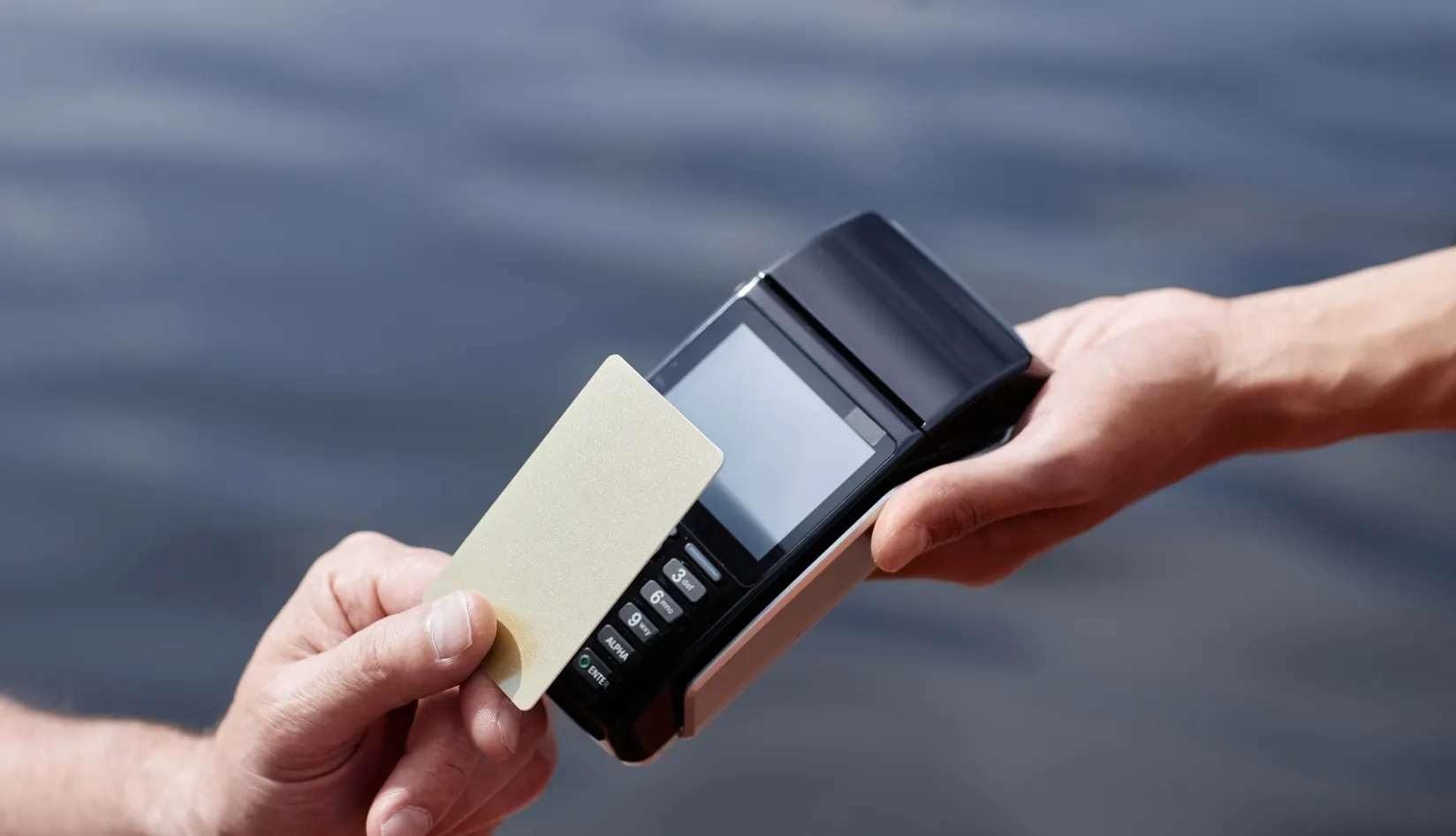
Patron taps their RFID library card on the kiosk. Next, multiple books are placed together on the kiosk’s RFID reader pad, allowing the system to instantly identify all items simultaneously. The borrowing transaction is then confirmed almost immediately, linking the items to the patron’s account and providing a receipt. Crucially, the security status of the borrowed items is automatically updated within the RFID tag, deactivating the security feature to prevent false alarms.
4. How Self-Service Returning Works
Returns are where libraries often lose the most time. Traditional book drops create hidden workload because every returned book must later be manually processed.
In an RFID smart library, returning becomes part of an automated flow:
- The patron drops books into the RFID return slot.
- As books pass through the chute, RFID antennas read each tag instantly.
- The system checks the items back in automatically.
- A conveyor system directs books into different bins based on category or destination.
- Inventory is updated in real time without staff touching the books.
- By the time staff arrive, books are already checked in and pre-sorted.
5. Why Barcode Systems Cannot Achieve This Level of Automation
It’s important to understand that this is not a matter of “upgrading kiosks.” Barcode technology fundamentally cannot support this workflow:
| Limitation | Barcode | RFID |
| Requires line of sight | Yes | No |
| Multiple items read at once | No | Yes |
| Automatic security status update | No | Yes |
| Automated sorting support | No | Yes |
| Patron identification via tap | No | Yes |
Because barcode requires manual aiming and scanning, it will always depend on staff time. RFID removes that dependency.
6. Benefits for Patrons
RFID technology significantly enhances patrons’ overall library experience. The borrowing and returning experience is significantly faster, with transactions completed in mere seconds due to multi-item processing. Self-service options empower patrons with greater privacy and independence, allowing them to manage their activities without direct staff interaction. Additionally, with strategically placed external return stations and accessible self-check kiosks, libraries can offer 24/7 self-service capability, extending operational hours and enhancing convenience and accessibility.
7. Benefits for Library Staff and Management
For library staff and management, the implementation of an RFID smart library translates into significant operational improvements and strategic advantages.

Staff experience a significant reduction in repetitive tasks, as mundane duties like manual scanning and initial sorting are automated, allowing for a reallocation of human resources. This shift enables staff to focus more on reader services and programs, dedicating attention to research assistance, personalized recommendations, and community engagement. Automation also leads to fewer errors in check-in/check-out, minimizing human error in record-keeping and reducing discrepancies. Ultimately, this results in better operational efficiency, making the entire circulation workflow smoother, faster, and more reliable, potentially leading to cost savings and improved resource utilization.
8. Operational Impact on the Entire Library Workflow
Once borrowing and returning are automated, the benefits ripple outward:
- Continuous circulation flow instead of bottlenecks
- Faster reshelving due to pre-sorted returns
- Easier inventory checks using handheld RFID readers
- Fewer misplaced or “lost” books
- Data insights into borrowing behavior and peak usage times
This is why the term RFID smart library is used. It’s not about one device—it’s about a smarter operational model.
9. Key Considerations When Implementing Self-Service in an RFID Smart Library
Implementing self-service in an RFID smart library requires careful planning, strategic investment, and a thorough understanding of potential challenges.

Libraries planning this transition should pay attention to several factors:
- RFID tag: tags must be durable, readable inside books, and placed consistently for optimal detection.
- RFID library cards: cards should be long-lasting, secure, and fully compatible with kiosk and gate readers.
- System integration: kiosks, gates, return stations, and library software must communicate seamlessly.
- Staff and patron education: clear signage and simple instructions help patrons adopt self-service quickly.
- Workflow redesign: staff roles should shift from scanning tasks to reader engagement and collection management.
10. Conclusion
RFID technology empowers patrons with autonomy while optimizing operations. It fundamentally improves how libraries manage circulation, increase efficiency, and create a better experience for both staff and readers.
RFIDCard provides high-quality RFID library cards and security gates. Visit our website today to discover the solution that best fits your library’s needs.
Recommended Product
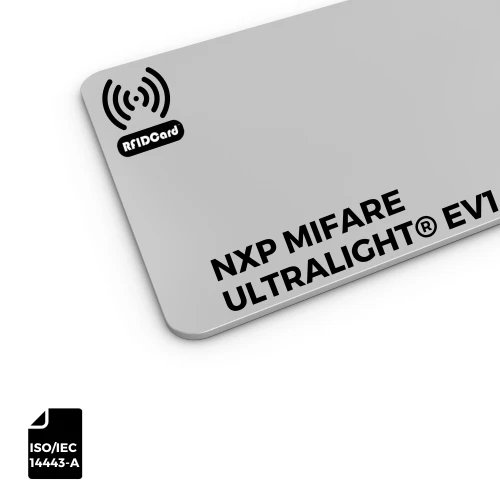
RFID Card NXP MIFARE Ultralight® EV1 ISO14443-A CR80

The NXP MIFARE Ultralight® EV1 blank RFID Cards fully comply with ISO/IEC 14443-A. The RFID cards are made with Photo-quality standard PVC/PET in the size of CR80, which are suitable for use with most direct thermal or thermal transfer card printers.
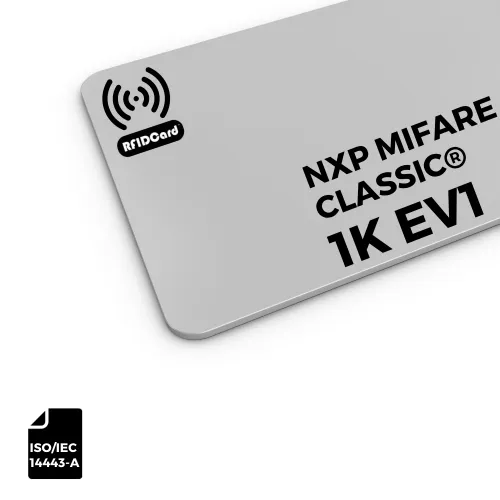
NXP MIFARE Classic® EV1 1K (S50) RFID Card ISO14443-A CR80
The NXP MIFARE Classic® EV1 1K (MIFARE® S50) blank RFID Cards are fully comply with ISO/IEC 14443-A. The RFID cards are made with Photo-quality standard PVC/PET in the size of CR80, which are suitable for use with most thermal transfer card printers.