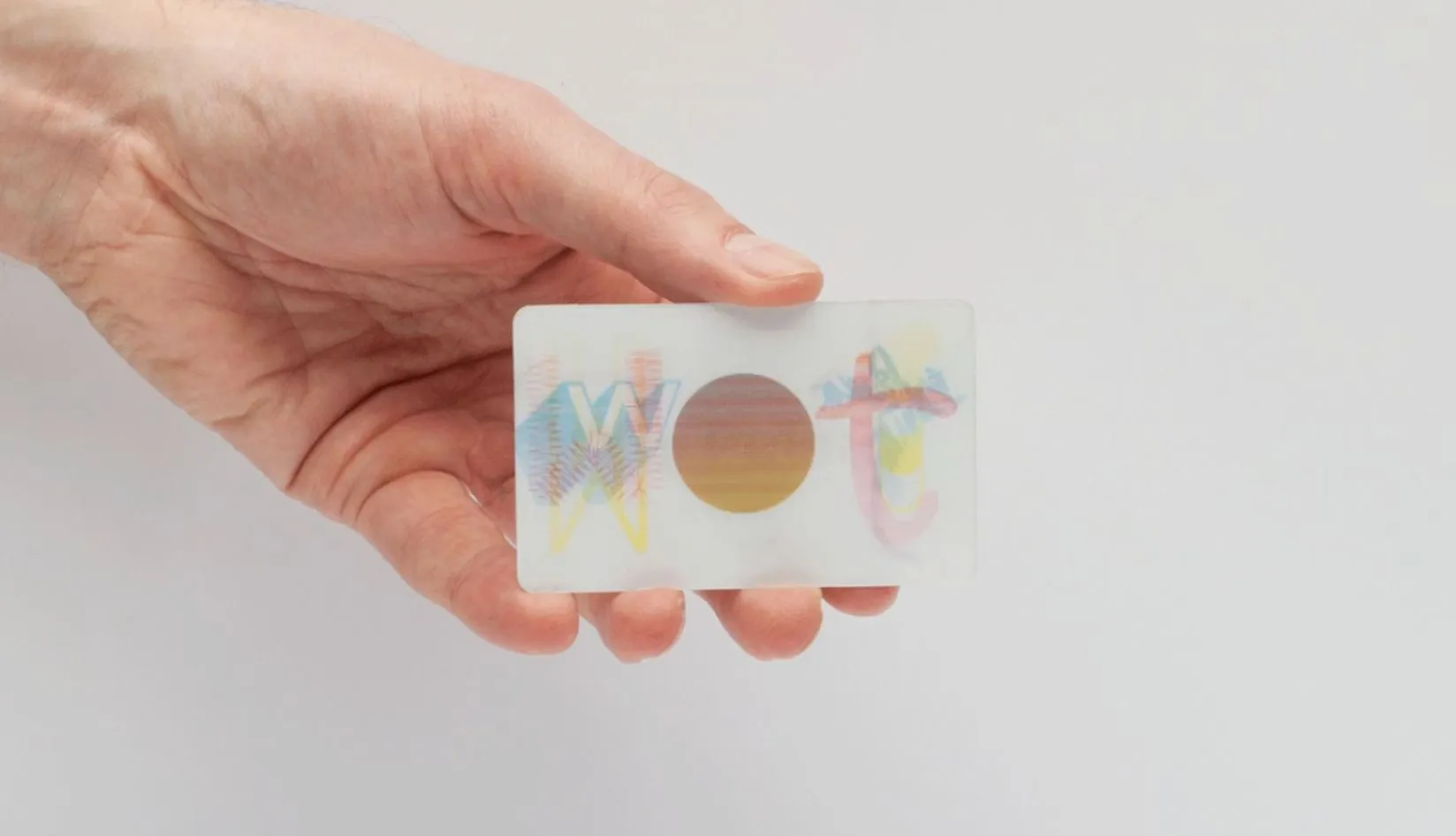
In today’s digital age, RFID (Radio Frequency Identification) technology is transforming the development and operation of the entertainment industry. By utilizing radio waves to identify and track items, RFID brings unprecedented convenience and efficiency to various activities and experiences. Whether in theme parks, music festivals, or sports events, the application of RFID technology is quietly reshaping the way we engage with entertainment.
1. Understand the Uniqueness of RFID Technology
More and more people are becoming familiar with RFID technology, a positive development. As a common object identification and tracking solution in modern life, RFID technology consists of interconnected components: RFID tags, RFID readers, and backend systems that work together efficiently to meet object tracking needs repeatedly.

The Secret of RFID Tags, Readers, and Data Transmission
The ability of RFID tags to store and transmit object information primarily stems from their built-in chips and antennas. The chip stores data, while the antenna transmits information to the reader.
When an RFID reader sends out a radio frequency signal at a frequency that matches that of the tag, the antenna in the tag detects the signal and transmits the stored information back to the reader. The backend system then receives the information collected by the reader, enabling effective management and tracking of the items. This entire process is fast and efficient, typically completed within a few milliseconds, which is key to the seamless interaction among these components.
The Unique Advantages of RFID in the Entertainment Industry
In the entertainment sector, the uniqueness of RFID technology is particularly evident in its capabilities for efficient identity authentication, convenient entry control, and real-time data collection. With RFID, audiences can enter venues quickly, bypassing long queues and ensuring secure ticketing. Additionally, RFID supports real-time monitoring and data analysis of audience flow, allowing event organizers to optimize resource allocation and enhance the overall customer experience.
Moreover, RFID’s personalized service features—such as customized interactive experiences and consumption management—further improve audience engagement and satisfaction. These advantages render RFID an indispensable technical tool in the entertainment industry. If you want to learn more about RFID technology, What’s RFID Technology: A Comprehensive Guide for Beginners is worth reading.
2. Popular Applications of RFID in the Entertainment Industry
What surprises can RFID bring to actual entertainment activities? What are the common applications today? If you’re curious about these questions, this section will provide the answers you’re looking for.

2.1 Ticketing System Upgrade: From Paper Tickets to Smart Tickets
RFID technology has revolutionized the traditional paper ticketing model in many areas of the entertainment industry. RFID smart cards, wristbands, and customized stickers have emerged as the new standard for tickets. By embedding RFID tags into tickets, the entertainment sector can achieve more efficient and secure access control. Traditional paper tickets are often vulnerable to counterfeiting, while RFID tickets significantly reduce this risk. Each RFID ticket is unique, and its information is protected by encryption technology, making it nearly impossible for criminals to duplicate or forge.
The Unparalleled Advantages of RFID Tickets
Improved Security:
RFID technology allows for real-time verification of ticket authenticity, ensuring that only valid tickets grant entry. This highly secure system effectively protects the integrity of events and prevents losses caused by counterfeit tickets.
Simplified Admission Process:
With RFID tickets, visitors can quickly enter a venue by simply placing their RFID wristband or ticket close to the reader. This streamlined process eliminates the hassle of waiting in line, significantly speeds up admission, and allows attendees to enjoy the event sooner.
Audience Flow Analysis Through Data Collection:
RFID tickets can record entry times and visitor flow patterns, providing valuable data for analysis. This information not only helps optimize the audience experience but also aids event organizers in making more accurate resource allocation and event planning decisions.
Case Study: The Successful Experience of Disney RFID Band
The RFID wristband project implemented by Disney in its theme parks has become a benchmark for the successful application of this technology. With this customized Disney-branded wristband, visitors can not only enter the park quickly but also enjoy a range of convenient services such as fast passes and payment options. Many visitors appreciate the wristband’s design and often share their experiences on social media.
Innovative Design Concept and Implementation Effect
The Disney RFID wristband is not only stylish but also capable of recording visitors’ activity data, helping Disney better understand customer needs and optimize services and experiences.
Visitors generally express high satisfaction with the convenience offered by RFID wristbands. Satisfaction surveys indicate that the overall experience of park visitors has significantly improved after the implementation of this technology. This enhancement not only increases customer return rates but also strengthens brand loyalty.
Through these applications, RFID technology is demonstrating its transformative potential in the entertainment industry, providing enhanced security, streamlined processes, and valuable insights into customer behavior.

2.2 Intelligent Asset Management: The Key to Improving Efficiency
In large-scale events, the efficient tracking of various equipment and other items is crucial for success. RFID technology empowers event organizers to monitor the location and status of assets in real-time by embedding RFID tags on each device and product. This capability significantly enhances management efficiency, ensuring that every piece of equipment can be located promptly, thus avoiding confusion caused by lost or misplaced items. For instance, the event planning team can easily verify whether specific equipment has been properly returned or check the inventory status of certain peripheral products.
The Obvious Advantages of RFID in Improving Asset Management
Effective Measures to Reduce Loss and Theft:
The RFID system allows for real-time monitoring of every asset in the entertainment industry, effectively diminishing the risks of loss and theft. By implementing an alarm system, if a device is moved out of its designated area without authorization, the system will immediately alert management personnel, enabling them to take appropriate action.
Significantly Improve Inventory Accuracy:
The automatic data update functionality of RFID tags enhances inventory management accuracy. This capability ensures that inventory data remains real-time and precise, helping entertainment companies make informed decisions regarding cost control and resource allocation.
Enhance Overall Operational Efficiency:
With the assistance of RFID technology, event organizers can swiftly access real-time asset data, optimizing resource allocation and utilization. Whether for equipment scheduling or commodity storage, they gain a clear understanding of resource availability, significantly improving overall operational efficiency and reducing operational costs.
RFID Application Cases in Concerts and Festivals
RFID technology has showcased its remarkable advantages in concerts and festivals. A prime example is the renowned Coachella Music Festival in the United States, where event organizers utilized an RFID system to effectively track the usage of equipment and peripheral products, ensuring the rational allocation of resources. Through real-time monitoring, organizers could quickly adjust equipment locations to respond to emergencies and maintain the smooth execution of the event.
Implementation and Actual Results
The successful execution of the Coachella Music Festival underscores the critical role RFID technology plays in asset management. By implementing the RFID system, organizers not only enhanced the safety and efficiency of the event but also received positive feedback from participants. The seamless experience enjoyed by the audience can be attributed to this efficient management approach.
How to Optimize Resource Allocation to Achieve Maximum Benefits
RFID data analysis also aids event organizers in optimizing resources for future events. By analyzing data from previous events, organizers can accurately forecast equipment demand and develop reasonable stocking strategies, further enhancing event outcomes and audience experiences. This data-driven decision-making process equips event organizers with a competitive edge in a fiercely contested market.
Through the effective use of RFID technology in asset management, companies can significantly improve efficiency, reduce losses, and enhance the overall experience for both organizers and attendees in the entertainment industry

2.3 Innovations to Enhance Audience Engagement: Customized Experience
RFID technology offers limitless possibilities for enhancing audience engagement. By collecting data in real-time, event organizers can provide tailored services based on audience interests and preferences. For instance, when attendees use RFID wristbands or tickets to enter an event, the system can track their movements and recommend relevant exhibitions, performances, or products. This personalized experience not only boosts audience satisfaction but also strengthens their connection to the event.
Diverse Forms of Audience Interaction
RFID technology also enables a variety of interactive experiences for the audience. For example, attendees can participate in on-site voting, surveys, or interactive games through RFID devices, which enhances their immersion in the event. This form of interaction not only increases audience engagement but also generates valuable data for event organizers, helping them better understand audience needs.
Example of Engagement Strategy: Improving Customer Loyalty
To foster customer loyalty, event organizers can leverage RFID technology to implement personalized product offerings. For instance, during an event, attendees can receive customized coupons via their RFID devices, encouraging them to purchase merchandise or engage in additional activities. This strategy not only boosts merchandise sales but also creates a unique experience for visitors, reinforcing brand loyalty.
Implementation of Interactive Experiences (Such as Social Media Integration)
RFID technology can be integrated with social media platforms to further enhance visitor engagement. Attendees can quickly share their event experiences on social media through RFID devices, facilitating interactions with other participants. For example, visitors might engage in real-time social media interactions at the event via RFID devices, deepening their connection with the brand. This integration not only fosters a unique experience for the audience but also amplifies the event’s promotional reach.
Case Study: Application of RFID Technology in Interactive Exhibitions
In large-scale interactive exhibitions, the application of RFID technology has markedly improved the visitor experience. For example, at the “Tech Expo” in California, USA, in 2019, visitors utilized RFID wristbands to interact with various exhibits. As attendees approached an exhibit, relevant information and videos would automatically display, significantly enhancing their immersion and learning experience.
How to Effectively Improve the Visitor Experience
This case illustrates that RFID technology can provide personalized information while enriching interactive experiences. By doing so, visitors gain a deeper understanding of the context and significance of the exhibits, leading to improved overall satisfaction.
Actual Effect and Feedback Analysis
After the event, organizers collected audience feedback, revealing that the exhibition utilizing RFID technology attracted more visitors and significantly enhanced visitor satisfaction. Many attendees expressed that the personalized interactive experience made them more inclined to participate in similar events in the future. This successful case demonstrates the immense potential of RFID technology in enhancing audience engagement and improving customer loyalty.

2.4 A New Level of Security Management: The Foundation for Securing Events
In large-scale entertainment events or competitions, effective security management is paramount. The introduction of RFID technology provides essential security guarantees for these events. Through accurate identity authentication and real-time data tracking, RFID can significantly mitigate the risk of criminal intrusion and ensure the safety of every audience member. Additionally, the RFID system can swiftly identify and respond to potential security threats during the event, thereby enhancing the overall security framework.
Exploration of Key Security Application Scenarios
The application of RFID in events greatly enhances access control efficiency. For instance, by embedding RFID tags in tickets, event organizers can facilitate fast and secure admission management. Attendees simply need to bring their RFID ticket card close to the reader to quickly complete identity authentication, eliminating the tedious and time-consuming manual inspections typically associated with entry. Moreover, the RFID system enables real-time monitoring of audience entry and exit, ensuring the safety of the event venue.
Real-Time Monitoring Ensures On-Site Safety
RFID technology also supports real-time on-site monitoring, allowing security personnel to quickly access critical information. In the event of an unexpected situation, the RFID system can immediately alert the security team and provide real-time location and status updates of on-site personnel, making emergency response efforts more efficient.
Implementation Effect of RFID in Sports Events
The use of RFID technology in sports events has become increasingly prevalent. For example, during the 2016 Rio de Janeiro Olympic Games, organizers implemented an RFID ticketing system that enabled efficient admission management and security monitoring. Attendees could simply scan their RFID wristbands to gain entry without waiting in line. This seamless admission experience not only improved audience satisfaction but also significantly reduced safety risks.
Specific Case Analysis and Successful Experience
The security management system at the event also utilized RFID tags to track staff and equipment within the venue, ensuring the smooth execution of the event. Post-event surveys indicated that attendees felt a heightened sense of security, with 90% reporting that the RFID system enhanced their trust in the event.
Positive Impact on the Audience’s Sense of Security
This successful implementation case demonstrates that RFID technology not only improves security management efficiency but also enhances the audience’s sense of safety. Through precise management and real-time monitoring, RFID has showcased its unique advantages in ensuring event security and has become an indispensable component of large-scale gatherings. By fostering a secure environment, RFID technology plays a crucial role in enhancing the overall experience for attendees and promoting confidence in event organizers.
3. Utilizing RFID Data Analysis: Insights Drive Industry Progress
With the widespread application of RFID technology, data collection, and analysis have become vital tools for enhancing operational efficiency within the entertainment industry. By thoroughly analyzing the data gathered by RFID systems, companies can gain valuable insights that promote continuous progress in the industry. This section explores the power of RFID in data analysis and its profound impact on the decision-making process.

The Power and Advantages of Data Collection
RFID systems can gather extensive real-time data on audience behavior and activities. This data encompasses not only entry times and flow paths but also the duration of audience attendance and the interactive activities they participate in. Through effective data analysis, companies can gain a deeper understanding of audience preferences and behavior patterns, enabling them to develop more targeted marketing strategies and event arrangements.
Transformation of Information-Driven Decision-Making
With RFID technology, companies can achieve a transformation towards information-driven decision-making. By analyzing the collected data, organizations can identify which activities are most popular, which areas experience the highest foot traffic, and even predict audience numbers for future events. This data-oriented approach allows companies to optimize resource allocation and enhance service quality more accurately, ultimately improving the overall audience experience.
Case Study: Practical Application of Data in Event Planning
A notable example is the event planning for the Glastonbury Music Festival. After implementing RFID technology, festival organizers utilized the collected audience data for in-depth analysis. By understanding audience flow and event participation levels, they were able to optimize facility configurations and performance schedules, ensuring that resources in each area were utilized effectively. As a result, the festival significantly improved audience satisfaction and became a successful case that garnered industry attention.
By effectively leveraging RFID data, the entertainment industry can not only optimize its operations but also gain a competitive edge in a fiercely competitive market. The insights derived from data analysis empower companies to make informed decisions that enhance audience engagement and satisfaction, paving the way for future growth and innovation.
4. RFID’s Dual Advantages of Operational Efficiency and Cost-Effectiveness
In the entertainment industry, RFID technology not only enhances operational efficiency but also significantly reduces costs. As more companies recognize these benefits, the application of RFID has emerged as a critical trend in the industry’s development.

In-Depth Analysis of the Significant Advantages of RFID in Time and Cost
RFID technology dramatically shortens the time required for admission and item tracking through automation and real-time data processing. For instance, when audiences utilize an RFID ticketing system, they can bypass long queues at the entrance and gain access simply by bringing their ticket card close to the reader. This improvement in efficiency not only enhances the audience experience but also reduces the reliance on human resources, ultimately lowering operating costs.
Additionally, the implementation of RFID technology in inventory management has led to significant efficiency gains. By tracking inventory status in real-time, companies can swiftly identify shortages or surpluses, optimize the replenishment process, and minimize capital tied up in inventory and associated losses.
Real Case Analysis of Return on Investment
Numerous entertainment activities and venues have realized a positive return on investment from RFID technology. For example, after adopting an RFID system, certain music festivals reported a reduction in admission time by over 50%. They also achieved a 30% decrease in overall operating costs due to reduced incidents of counterfeit tickets and lower labor expenses. This not only enhanced audience satisfaction but also significantly boosted ticket sales revenue, leading to a favorable return on investment.
Widespread Acceptance of RFID Technology in the Industry
As successful case studies proliferate, the acceptance of RFID technology within the entertainment industry continues to rise. Many large-scale events and venues are beginning to explore RFID’s potential to improve security, operational efficiency, and audience engagement. This trend indicates that RFID technology is gradually becoming a standard feature for future entertainment events, creating added value for enterprises.
Through RFID technology, the entertainment industry not only gains dual advantages in efficiency and cost-effectiveness but also opens up new avenues for future development. As companies continue to embrace RFID solutions, they are positioned to enhance their operations and remain competitive in an ever-evolving market.
5. Which Entertainment Activities Are Most Suitable for the Application of RFID Technology?
The flexibility and efficiency of RFID technology make it highly suitable for a variety of entertainment activities. Below are several types of events that particularly benefit from integrating RFID:

Music Festivals
Music festivals often attract large crowds, making RFID ticketing systems invaluable. These systems facilitate quick entry into venues, enhance security, and enable real-time audience flow analysis. Additionally, RFID wristbands can serve as cashless payment tools, enriching the overall attendee experience.
Sporting Events
Sporting events draw substantial spectator numbers, and RFID technology excels in admission control, audience identity verification, and real-time security monitoring. Furthermore, RFID can collect data on audience behavior, assisting organizers in optimizing future events.
Theme Parks
In theme parks, RFID technology is employed not only for ticket management but also for expedited entry and queue management. Visitors can use RFID wristbands to make reservations for rides, minimizing wait times and enhancing their overall experience.
Film Festivals and Exhibitions
These events often require efficient ticket management and audience data collection. RFID technology helps organizers track audience movement and provides data insights for optimizing subsequent events.
Live Performances and Dramas
For live performances and theatrical productions, RFID technology simplifies ticket management and boosts audience engagement. Attendees can use RFID cards for interactive experiences, such as participating in on-site voting or accessing customized content.
Amusement Parks and Water Parks
These venues typically feature a variety of rides and services. RFID technology can be utilized for smart queuing, fast entry, and consumption management, thereby improving overall visitor satisfaction.
Gambling Activities
In casinos and gaming venues, RFID technology is extensively used for chip management and guest tracking. RFID tags can be embedded in chips or playing cards, facilitating real-time monitoring that enhances security and prevents theft and cheating. Additionally, casinos can track high-value customer activities, enabling personalized services that elevate the customer experience.
RFID Playing Cards designed for poker enthusiasts and casinos are a prime example of this technology’s application. Each deck of playing cards is equipped with a unique RFID tag that tracks and manages the game process in real-time, reducing human error and improving overall game flow. With RFID playing cards, casinos can enhance security measures while providing customers with more personalized service, ensuring a seamless gaming experience.
The application of RFID technology extends beyond the activities mentioned above, demonstrating significant advantages across various entertainment scenarios. As technology continues to develop and market demands increase, more entertainment activities are expected to benefit from the integration of RFID technology in the future. This trend will enhance operational efficiency, improve customer experiences, and contribute to the overall growth of the entertainment industry.
7. How to Maximize the Return on Investment of Integrated RFID Technology
When integrating RFID technology into entertainment activities, understanding the necessary equipment and key considerations is essential for ensuring maximum return on investment (ROI). Here’s how to effectively approach this process.

List of Basic Equipment to Purchase
Types of RFID Tags
Common RFID tags used in the entertainment industry include:
RFID Cards: These are often used for access control and can hold user data for identification and tracking.
RFID Wristbands: Ideal for events, these are convenient for cashless payments and quick access to venues.
RFID Labels: Typically used for tracking merchandise and assets within venues.
NFC Rings: These are user-friendly and can be used for various applications, including payments and access control.
When selecting these tags, the operating frequency is a critical consideration:
Low Frequency (LF, 125-134 kHz): Suitable for short-range applications like identity authentication and animal tracking. Commonly used for access control at events.
High Frequency (HF, 13.56 MHz): Effective for shorter reading distances, often used for RFID cards and wristbands, making them ideal for fast payments and admission management.
Ultra-High Frequency (UHF, 860-960 MHz): Best for long-range reading, suited for large-scale events and asset tracking, such as facilitating rapid entry to exhibitions and theme parks.
Best Choice of Reader
Selecting the right RFID reader is crucial. Consider the following factors:
Reading Range: Ensure the reader can effectively cover the required distance for your applications.
Processing Speed: Choose a reader that can quickly process tags to reduce wait times during peak periods.
Compatibility: Verify that the reader is compatible with your chosen RFID tags and software systems.
Handheld vs. Fixed Readers: Handheld readers are suitable for field applications, while fixed readers work well for admission management and equipment monitoring.
Effective Integration of Software Systems
Choose a software system that integrates seamlessly with your RFID hardware to ensure smooth data collection and analysis. An effective management system should support functions such as:
- Real-time data monitoring
- Audience analysis
- Asset management
Key Considerations for Equipment Selection
Cost-Benefit Trade-Offs
When selecting equipment, evaluate its long-term costs against expected benefits. While high-end equipment may require a larger initial investment, the features and efficiency improvements it offers may yield greater returns over time. Additionally, consider the durability and maintenance costs of the equipment to ensure consistent ROI.
By carefully selecting the appropriate equipment and fully considering the return on investment, you can maximize the benefits of RFID technology in entertainment activities, ultimately enhancing operational efficiency and improving the audience experience.
9. Potential Problems and Solutions: Guarantee of Successful Implementation
In the process of implementing RFID technology, being aware of potential challenges and taking effective measures can ensure the smooth progression of the project. Here, we outline some common problems that may arise along with their corresponding solutions.

Problems That May Be Faced When Implementing RFID Technology
Limited Budget
The initial investment required to introduce RFID technology can cause hesitation among enterprises. Costs associated with equipment procurement, system integration, and ongoing maintenance may place significant pressure on projects with tight budgets. Therefore, reasonable cost forecasting and detailed financial planning are essential to ensure that projects remain financially viable.
Handling of Customer Personal Information
As data collection increases, audience concerns regarding privacy also rise. If the personal information collected by RFID systems is not properly managed, it may lead to user distrust. Consequently, ensuring data security and maintaining transparent data processing practices have become critical to successful implementation.
Effective Solutions to Problems
The Importance of Technical Support
To address the challenges of cost and technical implementation, selecting a reliable technology supplier is crucial. Professional technical support can help enterprises navigate technical difficulties during the deployment phase, and provide ongoing guidance in later maintenance to ensure the effective operation of the system. This support can alleviate concerns related to the complexities of RFID implementation.
The Necessity of Regulatory Compliance
When handling user data, it is the enterprise’s responsibility to comply with relevant laws and regulations. Formulating clear data management policies and ensuring that all operations adhere to local data protection laws can effectively mitigate user concerns. By establishing transparent privacy policies and robust data protection measures, companies can maintain user trust while enhancing their brand image.
By proactively addressing these challenges, companies can implement RFID technology more smoothly and fully realize its potential to improve operational efficiency and enhance the visitor experience. Investing in proper planning, technical support, and regulatory compliance will not only facilitate a successful implementation but also foster long-term success in leveraging RFID technology.
10. How Will RFID Continue to Transform the Entertainment Industry?
As technology continues to advance, the application potential of RFID technology is set to expand further, playing a pivotal role in the innovation and transformation of the entertainment industry.

Combination of RFID with the Internet of Things and Artificial Intelligence
In the future, RFID will be closely integrated with the Internet of Things (IoT) and artificial intelligence (AI) to create a smarter entertainment experience. Through IoT, RFID tags can collect and transmit data in real-time, enabling companies to monitor equipment status, audience behavior, and on-site dynamics. AI can analyze this data to predict audience needs and optimize resource allocation. For example, based on real-time audience data, event organizers can adjust facility opening hours or enhance security measures, improving the flexibility and efficiency of on-site management.
Deepening of Personalized Experience
RFID will support a higher level of personalized services in the future. By leveraging historical audience behavior data, companies can provide tailored recommendations, discounts, and interactive experiences that enhance user satisfaction and loyalty. For instance, in theme parks, RFID can analyze visitors’ preferences in real-time and push information about rides and activities that suit their interests.
Intelligent Security Management
With advancements in RFID technology, future security management will become more intelligent and automated. RFID can be integrated with advanced monitoring systems to track crowd density in real-time, provide timely alerts for potential safety hazards, and ensure the smooth execution of large-scale events.
Combination of Augmented Reality and Virtual Reality
RFID technology can also be blended with augmented reality (AR) and virtual reality (VR) to create immersive experiences. In theme parks or exhibitions, visitors can trigger personalized AR content through RFID tags, enhancing their interactive experience and engagement.
Overall, the ongoing development of RFID technology will introduce more innovative possibilities within the entertainment industry, fundamentally changing how audiences participate and optimizing operational efficiency. As these technologies become more widespread, the future entertainment experience will be safer, more convenient, and increasingly personalized, ultimately enriching the way audiences engage with events and experiences.
11. Are You Ready for the New Entertainment Experience Brought by RFID?
RFID technology is fundamentally reshaping the entertainment industry, and its vast potential and value cannot be overlooked. By enhancing security, streamlining processes, and improving the audience experience, RFID offers unparalleled advantages for event organizers and participants alike. From ticket management to asset tracking, and from personalized services to smart security, the application scenarios of RFID are continually expanding, driving innovation and development within the industry.

Now is the ideal time to consider how to effectively leverage these benefits in your own business. Whether you’re planning a music festival, organizing a sports event, or operating a theme park, RFID can provide you with more efficient solutions and an enhanced customer experience.
Actively exploring RFID technology allows you to harness its advantages to boost your business competitiveness and create a new, more intelligent, and interactive entertainment experience. Embrace the future of entertainment with RFID and position your business for success in a rapidly evolving landscape.
FAQs
1. How do I start implementing RFID technology in my event?
Begin by identifying your event needs, such as improving entry efficiency or enhancing security. Next, choose suitable RFID tags and readers based on the event’s scale and requirements. Ensure integration with existing systems, conduct thorough testing before the event, and optimize the RFID solution based on the results of those tests.
2. How does RFID improve ticketing in the entertainment industry?
RFID enhances ticketing by providing secure and user-friendly systems that reduce fraud, streamline entry processes, and facilitate better data collection regarding attendee behavior.
3. Can RFID be used for merchandise tracking?
Yes, RFID is widely used in asset management to effectively track equipment and merchandise, ensuring accurate inventory management and minimizing losses.
4. How does RFID enhance audience engagement?
RFID enables personalized experiences by collecting data on attendee preferences, allowing organizations to tailor their offerings and create interactive experiences that resonate with the audience.
5. How can I ensure a good return on investment (ROI) with RFID technology?
To maximize ROI, carefully select cost-effective RFID devices and systems. Optimize operational processes by minimizing manual tasks and leveraging RFID for automatic data collection. Analyze the collected data to gain insights into audience behavior and preferences, which can inform refined marketing strategies and resource allocation for future events.
6. How does RFID technology enhance safety at large events?
RFID technology facilitates effective management of entry and exit controls, ensuring that only valid ticket holders gain access. Real-time monitoring of audience flow helps quickly detect and address unusual situations. By reducing risks associated with counterfeit tickets and improving crowd management, RFID significantly enhances overall event safety.
Recommended Products
Click the image below to learn more about the details of the RFID tag in the entertainment industry.