ISO 14443 is the foundational international standard that defines the parameters for proximity integrated circuit cards, commonly known as contactless smart cards, and the devices that communicate with them. We at RFIDCard understand that in our increasingly interconnected world, contactless technology has become an indispensable part of daily life, from secure payment systems to efficient public transportation and access control. This standard, particularly its Type A and Type B variations, underpins the seamless and secure interactions we experience every day. Our goal is to demystify this critical technology, providing a comprehensive overview that highlights its importance and practical applications.
Introduction: Unveiling the Core of Contactless Technology
Contactless technology, driven by standards like ISO 14443, has revolutionized how we interact with various systems. It offers unparalleled convenience and speed, eliminating the need for physical contact and streamlining numerous processes. From tapping your card at a point-of-sale terminal to gaining entry into a secure facility, the underlying principles of ISO 14443 are constantly at work, ensuring reliable and secure data exchange. We believe that understanding these fundamental standards is crucial for anyone involved in or benefiting from modern RFID solutions.
The Ubiquitous Presence of ISO 14443 in Modern Life
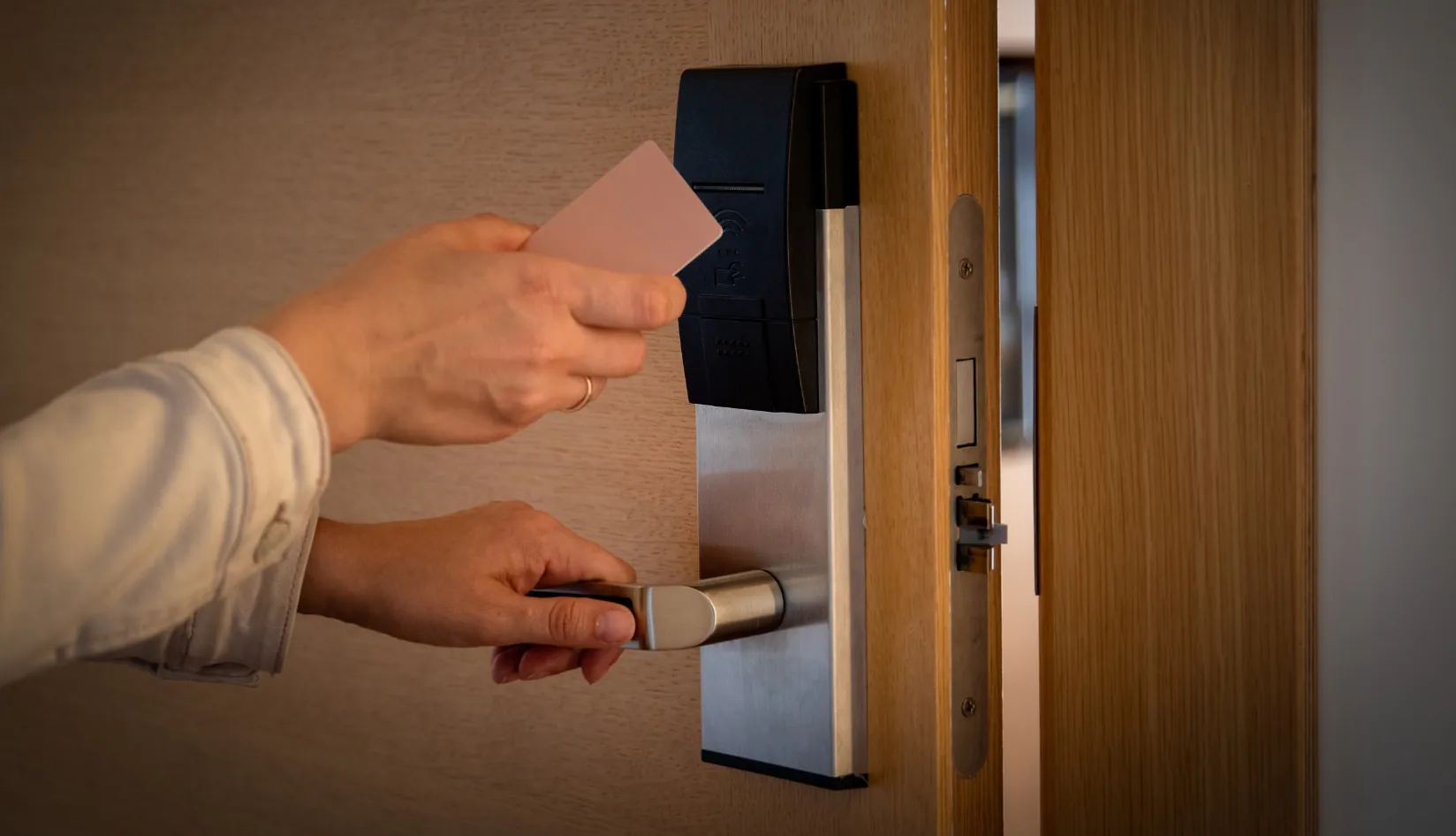
The reach of ISO 14443 extends far beyond simple payment cards. It is the backbone of e-passports, national ID cards, and various transit systems worldwide. Its robust security features and efficient communication protocols make it ideal for applications where speed, reliability, and data integrity are paramount. We see its influence in hotel key cards, access control systems, and even in the burgeoning field of smart ticketing for events and public transport. The standard’s adaptability has allowed it to integrate seamlessly into diverse sectors, continually enhancing user experience and operational efficiency.

Understanding the ISO 14443 Standard: A Foundation for Secure Transactions
The ISO 14443 standard is a cornerstone for contactless smart card technology, specifying the physical characteristics and radio frequency power interface for proximity cards. It ensures interoperability between cards and readers from different manufacturers, fostering a global ecosystem of contactless solutions. This standard is not just about convenience; it’s fundamentally about establishing a secure and reliable communication channel for sensitive data. We meticulously adhere to these standards in our RFID products, ensuring they meet the highest benchmarks for performance and security.
The Four Layers of the ISO 14443 Protocol
The ISO 14443 protocol is structured into four distinct layers, each addressing a specific aspect of communication between the contactless card and the reader. This layered approach ensures robust and efficient data exchange, from the physical radio frequency interaction to the application-level commands. Understanding these layers is key to appreciating the sophistication and reliability of contactless technology.
Layer 1: Physical Characteristics (RF Interface)
This layer defines the physical interface between the proximity card and the reader. It specifies the operating frequency (13.56 MHz), modulation methods, and signal strength. Essentially, Layer 1 dictates how the card and reader physically communicate through radio waves. Our commitment to precision engineering ensures that our products’ physical characteristics are perfectly aligned with ISO 14443 specifications, guaranteeing optimal performance.
Layer 2: RF Power and Signal Interface (Anti-collision)
Layer 2 addresses the anti-collision mechanism, which allows multiple cards to be present in the reader’s field simultaneously without interfering with each other. It defines how the reader identifies and selects individual cards for communication. This is crucial for applications like public transport, where multiple users might tap their cards almost simultaneously. We integrate advanced anti-collision algorithms into our RFID solutions to ensure smooth and efficient operation in high-traffic environments.

Layer 3: Transmission Protocol (Data Exchange)
This layer specifies the communication protocol for data exchange between the card and the reader. It defines the data framing, error detection, and correction mechanisms, ensuring that data is transmitted accurately and reliably. Layer 3 is vital for maintaining data integrity during transactions. Our products are designed with robust Layer 3 implementations, providing secure and error-free data transmission.
Layer 4: Application Layer (Command and Response)
Layer 4 defines the commands and responses exchanged between the application on the reader and the application on the card. This is where the actual functionality of the contactless system is implemented, such as reading data from the card or writing new information to it. This layer allows for diverse applications to be built upon the ISO 14443 standard, from payment processing to access control. We develop our RFID solutions with a keen understanding of Layer 4 requirements, enabling seamless integration with various application systems.
ISO 14443 Type A vs. Type B: Key Distinctions and Applications
While both Type A and Type B fall under the umbrella of ISO 14443, they possess distinct technical characteristics that make them suitable for different applications. Understanding these differences is crucial for selecting the right contactless technology for specific needs. We ensure our product range covers both types, offering flexibility and optimal performance for diverse client requirements.
Technical Differences: Modulation, Coding, and Frame Format
The primary distinctions between Type A and Type B lie in their modulation schemes, coding methods, and frame formats. These technical variations impact their performance, security features, and suitability for various environments.
| Feature | ISO 14443 Type A | ISO 14443 Type B |
| Modulation | Modified Miller coding with 100% modulation | NRZ coding with BPSK modulation |
| Coding | Manchester coding | NRZ coding with BPSK modulation |
| Frame Format | Shorter frames | Longer frames |
| Anti-collision | Bit-oriented anti-collision | Byte-oriented anti-collision |
| Security | Often combined with cryptographic protocols | Stronger inherent security features |
Practical Applications: Where Each Type Shines
ISO 14443 Type A is widely adopted for applications requiring high transaction speed and cost-effectiveness. It is prevalent in:
- Payment Systems: Many credit and debit cards utilize Type A for quick and secure transactions.
- Public Transportation: Transit cards in numerous cities worldwide rely on Type A for rapid boarding.
- Access Control: Building access cards and hotel key cards frequently employ Type A technology.
- ISO 14443 Type B, on the other hand, is often preferred for applications demanding higher security and robustness, particularly in government-issued documents. Its use cases include:
- E-Passports and National ID Cards: The enhanced security features of Type B make it ideal for sensitive identification documents.
- Electronic Healthcare Cards: Medical records and patient identification can benefit from Type B’s robust security.
- High-Security Access Control: Facilities requiring stringent security measures often opt for Type B solutions.
Real-World Impact: How ISO 14443 Powers Our Daily Lives
The pervasive influence of ISO 14443 in our daily lives is undeniable. It has transformed how we conduct transactions, travel, and secure our environments. The standard’s continuous evolution ensures that contactless technology remains at the forefront of innovation, offering ever-improving convenience and security. We are proud to contribute to this technological advancement through our high-quality RFID products.
Case Study: Enhancing Public Transportation with ISO 14443
One of the most compelling examples of ISO 14443’s impact is its widespread adoption in public transportation systems globally. Consider the Oyster card system in London, which revolutionized urban travel. Passengers simply tap their card on a reader, and the fare is automatically calculated and deducted. This system, built on ISO 14443 technology, significantly reduces queuing times, enhances operational efficiency, and provides a seamless travel experience for millions daily.

Why RFIDCard’s ISO 14443 Compliant Products Stand Out
At RFIDCard, we specialize in manufacturing a comprehensive range of RFID products that fully comply with the ISO 14443 standard, offering both Type A and Type B solutions. Our commitment to quality and innovation ensures that our products meet the diverse needs of our global clientele, from large hotel chains to retail giants and public transportation providers. We pride ourselves on delivering high-quality, customizable, and eco-friendly options that are designed for optimal performance and longevity.
Our product line includes:
•Hotel Key Cards: Secure and reliable access for guests, customizable with hotel branding.
- RFID Cards and Tags: Versatile solutions for various applications, including access control and identification.
- RFID Labels: High-performance labels for inventory management, asset tracking, and supply chain optimization.
- RFID Wristbands: Durable and comfortable options for events, healthcare, and recreational facilities.
We understand the critical importance of quality control, certifications, and efficient logistics in cross-border procurement. With five production lines and a strong presence in North America, Europe, and the UK markets, we offer flexible minimum order quantities and competitive pricing. Our expertise in RFID technology, combined with our dedication to customer satisfaction, makes us the preferred partner for businesses seeking reliable and advanced RFID solutions.

Conclusion: The Future of Contactless with ISO 14443
The ISO 14443 standard continues to be a driving force behind the evolution of contactless technology, enabling secure, efficient, and convenient interactions across countless applications. From enhancing daily commutes to safeguarding sensitive data, its impact is profound and ever-expanding. We believe that by understanding the intricacies of this standard, businesses and consumers alike can better appreciate the robust foundation upon which modern contactless solutions are built. We are dedicated to pushing the boundaries of RFID technology, providing innovative products that leverage the full potential of ISO 14443. After exploring the depth and breadth of this essential standard, we invite you to discover our extensive range of ISO 14443 compliant products and solutions. Visit rfidcard.com today to learn more about how our high-quality RFID cards, tags, and labels can elevate your operations and meet your specific needs.
FAQs
What are the primary security features of ISO 14443?
ISO 14443 incorporates several security features to protect data during contactless transactions. These include mutual authentication between the card and the reader, encryption of data, and secure messaging protocols. Additionally, the short read range inherent to proximity cards minimizes the risk of eavesdropping or unauthorized access. Many implementations also integrate advanced cryptographic algorithms to further enhance data protection and prevent cloning.
Can ISO 14443 cards be easily cloned?
While no technology is entirely immune to sophisticated attacks, ISO 14443 cards are designed with robust security measures to prevent easy cloning. The use of unique serial numbers, cryptographic keys, and secure authentication protocols makes it significantly challenging to duplicate these cards without authorization. Furthermore, continuous advancements in security technology and regular updates to the standard help to mitigate emerging threats, ensuring the ongoing integrity and security of contactless transactions.
Recommended Product
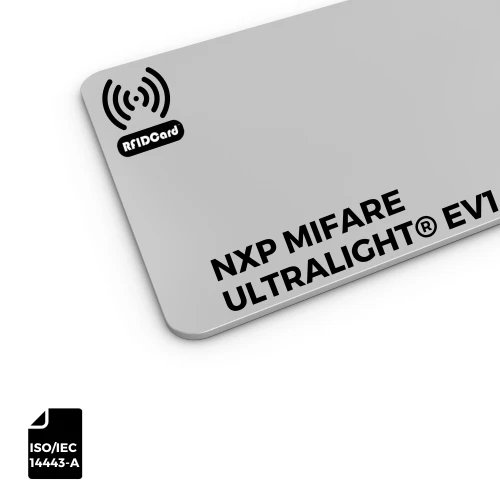
RFID Card NXP MIFARE Ultralight® EV1 ISO14443-A CR80

The NXP MIFARE Ultralight® EV1 blank RFID Cards fully comply with ISO/IEC 14443-A. The RFID cards are made with Photo-quality standard PVC/PET in the size of CR80, which are suitable for use with most direct thermal or thermal transfer card printers.