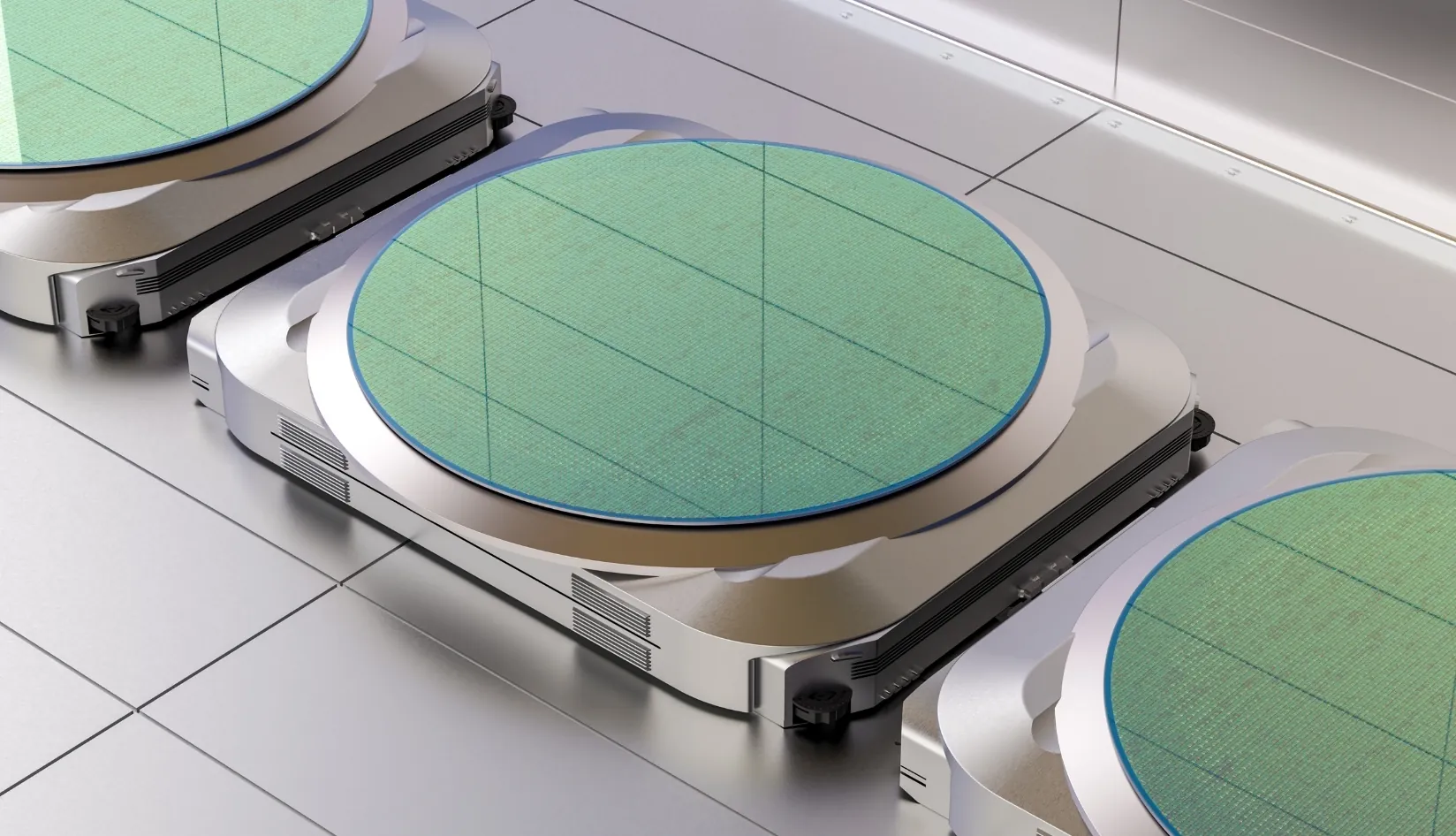
RFID (radio frequency identification) technology plays a vital role in modern supply chain management, inventory control, asset tracking and other fields. As technology develops, the size of RFID chips is also shrinking. From the initial few centimeters square to the current micron level, the size change of RFID chips is amazing.
RFID chip size classification
Standard size: RFID chip sizes are typically much smaller than the complete RFID tags or cards they are integrated into. In practical applications, the overall size of an RFID tag or inlay depends on factors such as antenna design, read range requirements, and application environment. Larger tag formats can accommodate larger antennas, which may improve reading performance and stability, making them suitable for applications such as logistics, inventory management, and asset tracking.
Small size: Small RFID chips are usually between 1 and 2 cm in size and are suitable for scenarios that require smaller tags, such as retail merchandise management, tickets and smart cards. Small chips are slightly inferior to standard size chips in reading distance and signal stability, but can still meet most application requirements.
Ultra-small size: These chips are less than 1 cm in size and can even reach the millimeter level. Ultra-small RFID chips are mainly used in application scenarios that require concealed and high-precision tracking, such as medical equipment, pharmaceutical packaging and small electronic devices.
Determinants of RFID chip size
The size of an RFID chip is affected by a variety of factors, including functional requirements, memory capacity, antenna design, and manufacturing process.
Functional requirements: The size of an RFID product is influenced by its functional requirements, including frequency band, antenna design, read range, and application environment. For example, HF RFID is commonly used in access control and payment applications, while UHF RFID is often used for longer-range identification in logistics and warehouse management. The final product size depends not only on the chip itself but also on the antenna and packaging design required for the application.
Memory capacity: An increase in the memory capacity of a chip leads to an increase in its size. Chips that store more data require more memory cells, which increases the physical size of the chip. For example, chips used in electronic passports need to store a large amount of personal information, so they are larger in size.
Antenna design: The antenna is a key component of an RFID chip, and its design directly affects the size of the chip. To ensure stable signal transmission, the length and shape of the antenna need to match the chip. A longer antenna can increase the reading distance, but it also increases the overall size of the tag.
Manufacturing process and material selection: Advanced manufacturing processes and the application of new materials are key to reducing the size of RFID chips. With the development of nanotechnology, the chip manufacturing precision has been improved, and more functions can be integrated into a smaller area. The application of new materials, such as high-performance polymers and nano-scale semiconductor materials, also makes the chip more compact and efficient.
How small can an RFID chip be
One of the well-known examples of ultra-small RFID technology is Hitachi’s μ-chip, which demonstrated extreme miniaturization with a prototype measuring approximately 0.05 mm × 0.05 mm. This tiny RFID IC showed the potential of integrating identification functions into very small objects and expanded possibilities for RFID applications in compact environments.
Although this ultra-small RFID chip is tiny in size, it still has complete RFID functions, such as reading, writing and transmitting data. Its tiny size allows embedding in extremely small objects, such as pills, microelectronic devices, and even paper, for anti-counterfeiting and covert tracking. The invention of this chip demonstrates the great potential of RFID technology in miniaturization.
What are the characteristics of a small RFID chip
Small RFID chips exhibit many unique characteristics, including the following:
Lightweight and concealed: Small RFID chips are very light and embed easily into various tiny objects without altering their weight or appearance. This concealment makes it very suitable for anti-counterfeiting and covert tracking.
Production cost: Although the production cost of ultra-small RFID chips is high, the cost is gradually decreasing with the advancement of production technology. In the future, manufacturers expect to mass-produce and apply this chip.
Signal transmission and data processing: The signal transmission distance and data processing speed of small RFID chips may be limited. As size decreases, the antenna’s length and power output also reduce, necessitating design optimization to ensure signal stability and reliable data transmission.
Protection issues: Small RFID chips require special protection to prevent physical damage and signal interference. The use of high-performance materials and advanced packaging technology can improve the durability and anti-interference ability of the chip.
Environmental protection and sustainability: With the improvement of environmental awareness, the materials and manufacturing processes of small RFID chips are also moving towards green and sustainable directions. The use of degradable materials and environmentally friendly production processes can reduce the impact of chips on the environment.
What are the uses of small RFID chips?
The application range of small RFID chips is very wide, covering multiple industries and fields.
Medical field
In the medical field, we can embed small RFID chips in drug packaging, medical equipment, and patient identification wristbands for accurate tracking and management. This can improve the safety of drugs and prevent the circulation of counterfeit drugs, while also improving the efficiency of medical equipment and the management level of patient information.
Retail industry
Logistics and warehousing
In the logistics and warehousing industry, companies can attach small RFID chips to small packages for efficient tracking and management. This can improve the tracking accuracy of goods and reduce the risk of loss and misdelivery.
Smart home
In the field of smart homes, small RFID chips can be embedded in appliances, furniture, and other household items for identification and information management. When integrated with smart home systems, RFID technology can support functions such as device identification, automated workflows, and user interaction, while remote control and status monitoring require additional sensors, communication modules, and software platforms.
Anti-counterfeiting and security
In the field of anti-counterfeiting and security, small RFID chips can be embedded in documents, certificates, and products to provide unique identification and support authenticity verification. By linking the chip data with secure databases or verification systems, organizations can improve traceability and reduce the risk of unauthorized duplication or misuse.
With the continuous advancement of technology, the size of RFID chips will continue to shrink and show its unique advantages in more fields. Small RFID chips not only improve the management efficiency of items, but also lay the foundation for future intelligent applications. We look forward to seeing more innovative applications of ultra-small RFID chips in various industries in the near future. We are RFID Card®, a professional RFID solution provider. If you have any questions or needs in RFID, you can contact us.
FAQs about small RFID chip
- In what fields can small RFID chip be used?
Small RFID chips serve various industries, including medical, retail, logistics, smart home, industrial automation, and anti-counterfeiting.
- What are the advantages of small RFID chip?
Small RFID components allow identification functions to be integrated into compact products or tags where space is limited. Their practical benefits, including size, cost, durability, and tracking performance, depend on the complete RFID design, including the chip, antenna, packaging, and intended application.
- How to ensure the signal stability of small RFID chip?
Ensuring the signal stability of small RFID chips requires optimized antenna design and the use of high-quality materials and advanced manufacturing processes.