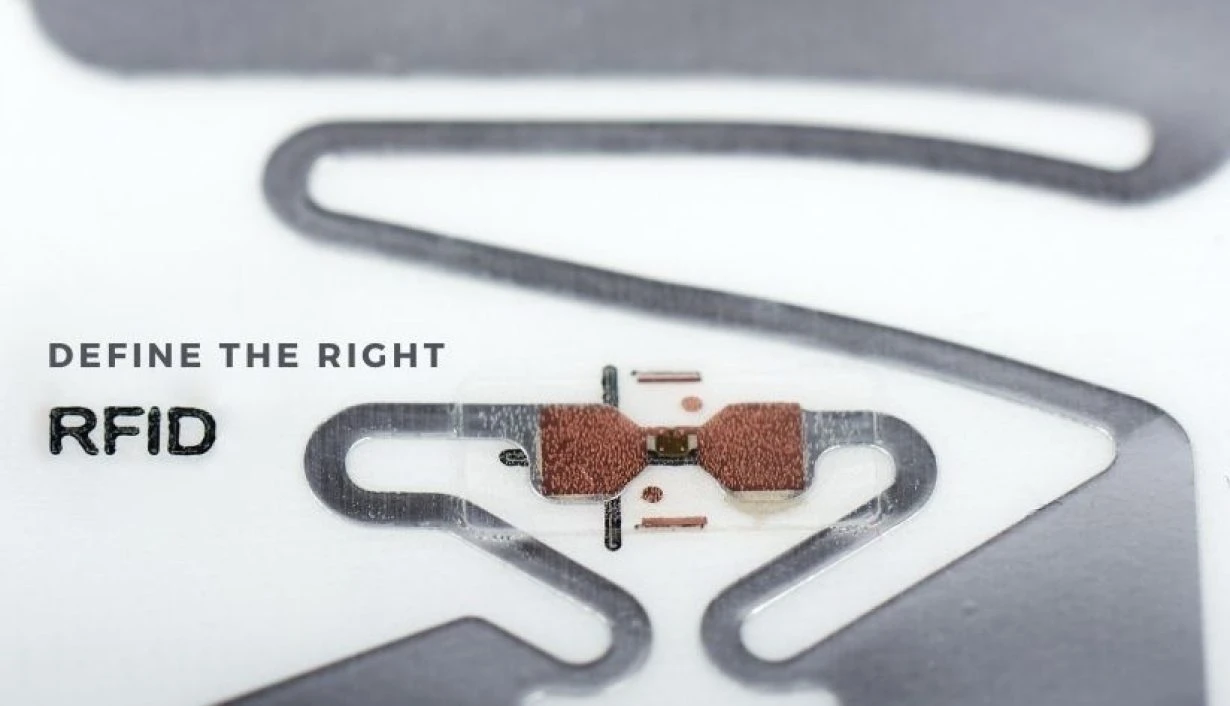

The number of options for proximity communication technology is increasing. Therefore, it is essential to understand the best choice to incorporate as a part of a product design or a system. Choosing the right piece of technology can be tricky, as there are several characteristics to consider. Therefore, It is the first step to identify a list of parameters that define which type or frequency of RFID tag is the key for a particular product and its application.
Types Of RFID Tags & Their Advantages
Tag type selection is based on a set of parameters such as read distance, product cost, and the device’s form factor. Here’s how active and passive tags dictate the choice for the right fit:
- Active RFID tags are the RFID tags that require a power supply to operate. As such, they require a battery. The inclusion of a battery increases the form factor of the device.
Having enough power, active RFID tags can offer a more extended read range of around 100 meters (300 ft). As such, being the distinct choice where a more extended range is needed and a larger form factor is viable
- Passive tags are the cheapest in comparison to semi-passive or active RFID tags. Moreover, they do not require an additional power supply and have the smallest form factor making it an easy choice for numerous low-range applications.
Moreover, the end application plays a role in deciding the right type of tag. For instance, if an application requires reading the ambient temperature of a smart medical fridge, it requires an active RFID tag that can interface with a temperature sensor and transmit it to a certain distance. Additionally, passive RFID tags are popular for mass implementations where the tag is helpful for one-time use.
Tag Frequency & How To Select The Right One
Tag frequency is also a complex factor that is dependent on several other items. Here are the complete parameters considered for selecting the right frequency:
- RFID read range
Low frequency and high-frequency tags that offer a shorter operation range are ideal for proximity services such as contactless payment or access control. An extended range of applications needs Ultra-high frequency tags, such as for supply chain management.
- Speed for data transfer
The higher frequency of tags allows higher data exchange speed which might be essential for different applications. Lower frequency works fine in a case where a small amount of data transmission takes place.
- Material and surroundings
The lower range of RFID tags is less affected by the presence of metal near tags. Similarly, low-frequency and high-frequency tags are better choices for indoor human navigation or animal tracking.
Summary
There are other parameters that also take place in making the right choice. These parameters can include the certification and compliance needs as well as the orientation/shape/directional range of operation of tags. It is helpful to have a clear picture of the end-user system operation to clearly understand which parameters are a “must-have” in a system to better architect the solution. Choosing the right components is an essential aspect of a successful product.