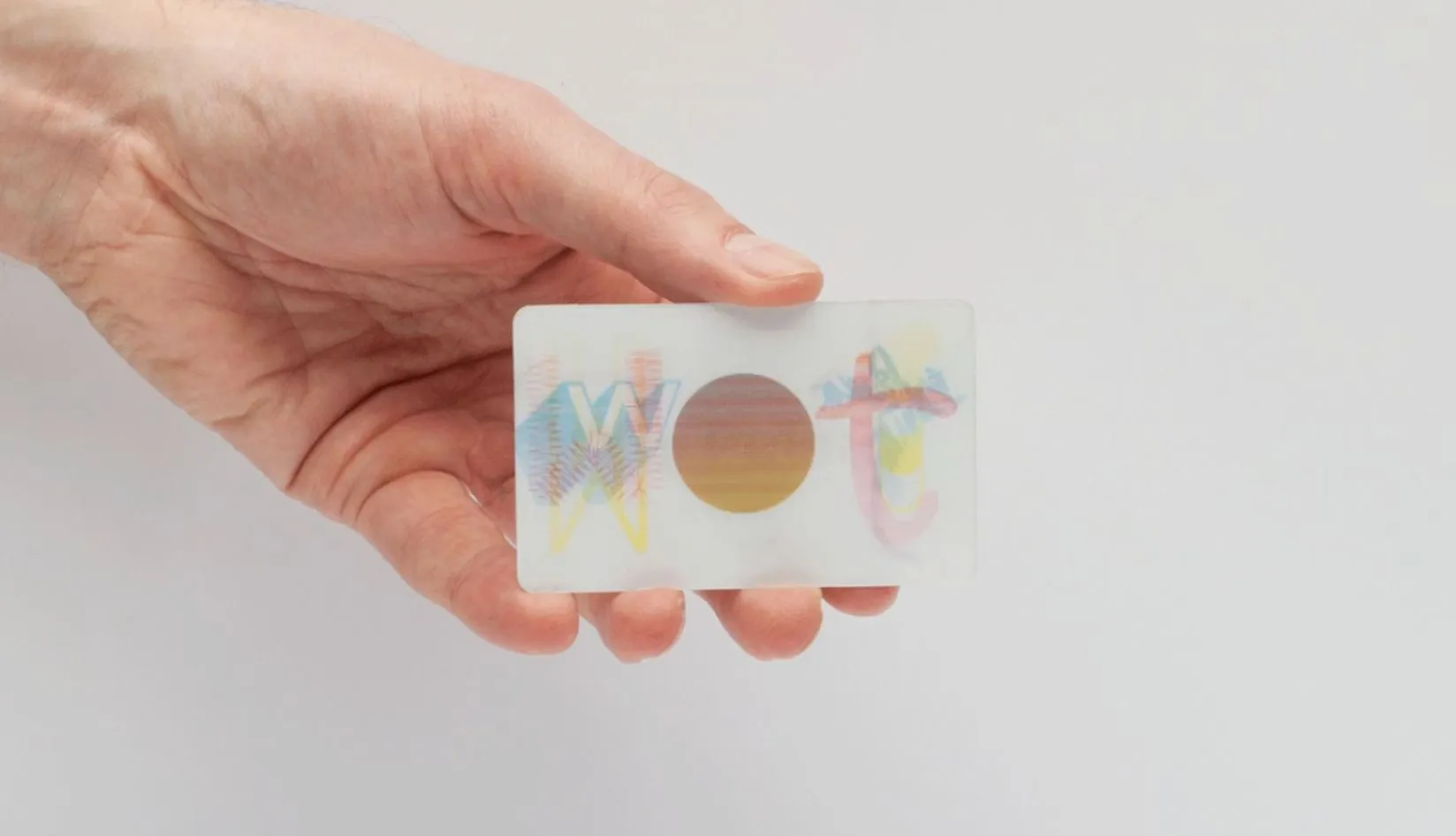
In today’s experience-driven entertainment market, theme parks are no longer just places for rides—they are immersive worlds where every visitor expects speed, convenience, and personalization. Traditional paper tickets and barcode scanners are now outdated in a world where smartphones, mobile wallets, and contactless experiences define how guests interact with brands. This is why the RFID ticket has become a transformative technology for the theme park industry. The RFID ticket not only enables faster entry and ride access, but also unlocks digital identity, cashless payment, and personalized experiences that were previously impossible. As more parks adopt the RFID ticket model, a new standard is being established: queueless, frictionless, and highly engaging park journeys powered by smart contactless systems.
1. What Is a Smart RFID Ticket for Theme Parks?
At its core, a Smart RFID Ticket utilizes Radio-Frequency Identification (RFID) technology, a form of wireless communication that uses electromagnetic fields to automatically identify and track tags attached to objects. In the theme park environment, this typically involves High-Frequency (HF) RFID, often operating at 13.56 MHz, which is the same frequency band used by Near Field Communication (NFC). This short-range, secure communication is ideal for quick, close-proximity interactions like tapping a gate or a payment terminal.
A smart RFID ticket serves three core functions simultaneously:
- Access: It acts as the guest’s entry pass to the park and to specific rides or attractions.
- Identity: It securely links the physical wearable to a unique guest profile in the park’s backend system, containing their ticket type, reservations, and preferences.
- Payment: It can be linked to a credit card or pre-loaded account, enabling instant, cashless transactions throughout the park.
The “smart” designation comes from its deep integration with the park’s entire ecosystem, including mobile apps, Customer Relationship Management (CRM) systems, and operational platforms. This integration allows the ticket to be more than just a key; it becomes a personalized digital identity that facilitates a truly frictionless experience.
2. From Entry to Exit: A Frictionless Guest Journey
Every stage of the theme park journey is transformed when the ticket becomes smart. The RFID ticket acts as a single credential across all touchpoints, eliminating friction from the moment a guest arrives.

2.1 Seamless Park Entry
The first impression is crucial. With an RFID system, park entry is transformed. Guests simply tap their wristband or card against a reader at the turnstile. This is a contactless gate access process that requires no scanning of barcodes, no dependency on mobile battery life or network connectivity. The transaction is near-instantaneous, drastically reducing the queue buildup at the main entrance, especially during peak hours. The speed and simplicity of this process set a positive tone for the entire day.
2.2 Fast Ride Access
RFID tickets unlock the power of virtual queuing and ride reservation systems. Instead of physically waiting in a long line, guests reserve a time slot through the park app. At the ride entrance, the RFID reader detects the ticket and grants priority access. This reduces stress, manages crowd distribution, and allows visitors to enjoy more rides and activities in the same amount of time.
For VIP experiences, premium tiers can be built into the RFID ticket system, delivering exclusive access passes that are linked automatically without the need to show paper vouchers or emails.
2.3 Cashless Payments
The convenience extends to commerce. The RFID card becomes a digital wallet, enabling instant payment at restaurants, gift shops, and vending machines. By securely linking cards to accounts during the initial setup, guests can make purchases with a simple tap, eliminating the need to carry cash or credit cards. This not only enhances guest convenience but also speeds up transaction times at point-of-sale (POS) terminals, further reducing queues and increasing overall sales volume.
2.4 Personalized Interactions
The smart RFID ticket is also a powerful tool for delivering personalized interactions. Because the RFID card or wearable is linked to a unique guest profile, it can be used to enhance magical moments. For example, during a character meet-and-greet, the character or an attendant can instantly access the guest’s name, birthday, or previous visit history, allowing for a truly personalized and memorable interaction. Similarly, the system can use the guest’s past behavior to send smart recommendations via the park app, suggesting nearby dining options, showtimes, or merchandise based on their profile and interests.
3. Operational Benefits for Theme Parks
Beyond the enhanced guest experience, the adoption of smart RFID technology delivers substantial, measurable benefits to park operations and profitability.

3.1 Reduced Waiting Time
By enabling sophisticated virtual queueing and crowd distribution algorithms, RFID systems allow parks to actively manage and smooth out visitor flow. The data collected from every tap provides a real-time view of where guests are congregating, allowing management to dynamically adjust ride capacity, open new queues, or deploy staff to high-traffic areas. This proactive management directly translates to reduced waiting time for guests, which is the single biggest driver of guest satisfaction.
3.2 Real-Time Analytics
Every tap of an RFID card generates a data point, providing an unprecedented level of insight into visitor behavior. This allows for precise visitor flow tracking, enabling the creation of heat maps and visitor behavior analysis. Park operators can see which areas are most popular, which pathways are most used, and how long guests spend in different zones. This data is invaluable for optimizing park layout, scheduling maintenance, and making data-driven decisions about future investments and operational changes.
3.3 Labor Efficiency
The automation provided by RFID systems leads to significant labor efficiency. Less manpower is required at gates and ride entrances, as the technology handles the validation process. This allows staff to be redeployed to more value-added roles, such as guest services or enhancing the entertainment experience. The self-service nature of the system empowers guests and reduces the need for staff intervention in routine transactions.
4. Key Technologies Behind RFID Theme Park Tickets
The smart RFID system is a complex, interconnected ecosystem built on several key technological pillars.

4.1 RFID Chip Types
The choice of chip is critical. Most theme park applications rely on chips compliant with ISO/IEC 14443 Type A or those specified by the NFC Forum Type 2/4 standards. These chips are designed for short-range and secure memory access. The chip’s memory capacity determines how much data can be stored directly on the card, though modern systems typically store only a unique identifier on the chip, with all personalized data residing securely in the backend. The security level of the chip, which often includes encryption and anti-cloning features, must be balanced against the cost for mass deployment.
4.2 IoT Integration
The physical RFID card or wearable is just the front end of a massive Internet of Things (IoT) integration. The readers at gates, rides, and POS terminals are all connected devices feeding data into a central backend system. This system must seamlessly interface with the Theme Park App, the park’s CRM (Customer Relationship Management) system to manage guest profiles, and the ERP (Enterprise Resource Planning) system for inventory and financial management. This holistic integration is what truly makes the RFID ticket “smart.”
4.3 Cloud-Based Ticketing
Modern theme park ticketing is managed through cloud-based ticketing platforms. This allows for the centralized ticket issuance and management of millions of tickets across multiple sales channels. The cloud infrastructure enables remote updates to ticket validity, access permissions, and linked payment methods in real-time, ensuring that the system is always current and responsive to operational needs.
5. Major Theme Park Use Cases
The success of smart RFID technology is best illustrated by its adoption by global leaders in the theme park industry.

5.1 Disney MagicBand
Perhaps the most famous example is the Disney MagicBand. This iconic RFID wearable wristband is a multi-functional device that has become synonymous with the Disney experience. It serves as the guest’s park ticket, FastPass+ reservation system, cashless payment method, and even their room access key at Disney resort hotels. The MagicBand’s seamless integration across all facets of the Disney ecosystem demonstrates the full potential of a unified RFID solution.
5.2 Universal Studios & Tap Entry
Universal Studios has also embraced the technology with its Tap Entry system, utilizing RFID tickets for ride reservations and express passes. Their system is heavily reliant on mobile app integration, allowing guests to manage their day, make reservations, and link their physical RFID ticket to their digital itinerary. This provides a high degree of flexibility and control to the guest.
5.3 Six Flags Digital Pass
Six Flags utilizes its RFID-enabled Digital Pass for managing various tiers of access, including season passes and premium skip-the-line options. The system is heavily focused on data analytics, using the tap data to gain deep insights into guest flow and popular attractions, which in turn informs pricing strategies and operational staffing.
6. Implementation Considerations
While the benefits are clear, successful implementation of a smart RFID system requires careful planning and consideration of several technical and logistical factors.
6.1 Chip Choice
The initial decision involves chip choice. Park operators must weigh the need for high security level vs cost. A highly secure chip with advanced encryption will be more expensive but offers better fraud protection. They must also consider memory capacity; while most data is stored in the cloud, some applications may require on-chip storage for offline functionality or faster processing.
6.2 Ticket Design
The physical ticket design is paramount to guest satisfaction. The card or wearable must be waterproof, sweatproof, and made of long-life materials to withstand a full day or even a week of theme park activities, including water rides and extreme weather. Comfort and aesthetics are also key factors in encouraging guest adoption and use.
6.3 Integration with Existing Systems
A major technical hurdle is the integration with existing systems. The new RFID infrastructure must communicate flawlessly with legacy POS (Point-of-Sale) systems, gates, the mobile app, and loyalty programs. This often requires custom middleware development to ensure data consistency and real-time synchronization across all platforms.
6.4 Data Protection & Privacy
Finally, the collection of vast amounts of personal and behavioral data necessitates strict adherence to data protection & privacy regulations, such as GDPR compliance in Europe. Parks must offer clear policies and provide options for guests, such as using anonymous vs registered user profiles, to ensure trust and legal compliance while still leveraging the power of the data.
7. Conclusion
A smart RFID ticket delivers everything a modern theme park needs: reduced queues, frictionless payment, operational efficiency, and personalized magic. For guests, it creates a seamless journey. For operators, it provides data insights and process automation that increase revenue and elevate brand experience. If your theme park or entertainment venue is exploring RFID ticket solutions, now is the ideal time to adopt this technology. Our RFID ticket solutions support full customization and integration with your existing digital systems. Contact us today for a product demo, detailed pricing information. Let us help you transform your guest journey from entry to exit.
Recommended Product
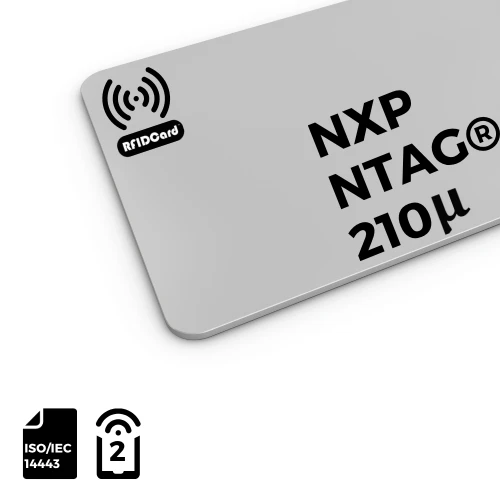
NFC Card NXP NTAG® 210μ

The NTAG® 210μ NFC card made with Photo-quality standard PVC sheets into size of CR80, that are suitable for use with most direct thermal or thermal transfer card printers. NFC Label or other types of tag with NTAG® 210μ IC also available upon request.