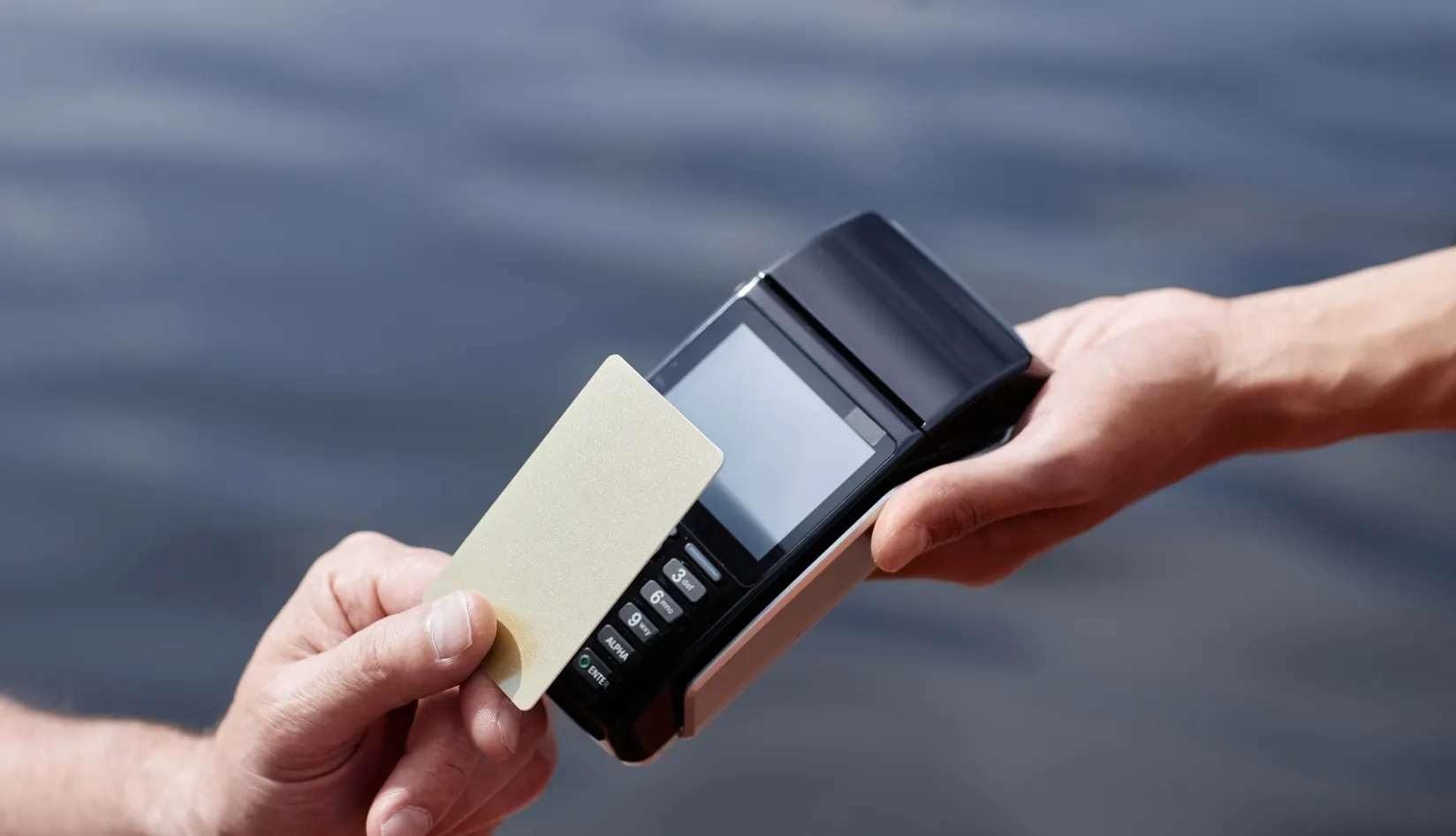
NFC (Near Field Communication) technology, with its quick response, encryption security, and strong compatibility, is being adopted by more and more hotels, office buildings, and co-working spaces worldwide. From contactless room keys to employee access control systems, NFC key cards not only enhance the user experience but also significantly reduce maintenance costs and human errors.
In 2026, the NFC key card market is rapidly expanding. Whether you’re looking to upgrade your existing access control system or seeking an efficient and reliable solution for a new project, this comprehensive guide will provide you with the key answers.
1. What Is an NFC Key Card and How Does It Work?
NFC (Near Field Communication) technology, with fast response, flexible compatibility, and support for secure authentication in compatible systems, is being adopted by more hotels, office buildings, and co-working spaces worldwide. From contactless room keys to employee access control systems, NFC key cards can enhance the user experience while helping streamline access management and reduce manual processes.
How NFC Key Cards Interact with Readers
The operation of an NFC key card is simple. Each NFC card contains a small NFC chip. When the card is held near an access control reader, the card and reader communicate wirelessly at a short distance to complete authentication and access authorization. The specific process is as follows:
Card Approaches the Reader: When the NFC card is close to the access reader, the reader activates the chip inside the card using an electromagnetic field.
Data Exchange: The chip inside the card exchanges data with the reader through wireless signals. The data typically contains the card’s authentication or encrypted information.
Authentication: After receiving the data, the reader sends the information to a backend server for authentication. If the authentication is successful, the system sends a signal to unlock the door, granting access.
NFC’s encryption mechanisms ensure the security of data during transmission, reducing the risk of common issues with traditional magnetic stripe cards, such as failure to read or duplication.

Real-World Applications of NFC Key Cards
The use of NFC key cards is becoming increasingly common in hotels, office buildings, and shared working spaces. Here are some typical application scenarios:
Hotels: NFC key cards make it easier for guests to access their rooms by simply bringing the card close to the door lock. Compared to traditional magnetic stripe cards, NFC cards are more secure and can be integrated with other hotel service systems (such as billing and restaurant payments), enhancing the overall guest experience.
Office Buildings: In office buildings, NFC key cards are commonly used for employee access control, allowing employees to enter authorized areas through contactless authentication. Compared with traditional keys, they simplify access management by supporting centralized issuance, replacement, and access permission updates. When integrated with compatible building management systems, NFC credentials can also support applications such as meeting room access or other workplace services.
Co-Working Spaces: NFC key cards provide flexible access management for co-working spaces, allowing users to access different areas based on their needs, simplifying the process of managing access rights.
As smart devices and IoT technology continue to develop, the range of applications for NFC key cards will expand further, making them a key component of future access control systems.
2. NFC Key Cards vs. Traditional Key Cards: What’s the Difference?
When choosing an access control system, it’s crucial to understand the differences between various types of key cards. The most common traditional key cards include magnetic stripe cards and RFID cards, while NFC key cards are a type of RFID-based credential that uses short-range communication, offering features such as convenient tap access and compatibility with supported systems.
Magnetic Stripe vs. RFID vs. NFC
Magnetic Stripe Cards: Magnetic stripe cards store data through a stripe of magnetic tape, and users swipe the card against a reader. The main drawbacks of magnetic stripe cards are that they are easily worn, can become unreadable, and are vulnerable to copying, making them less secure.
RFID Cards: RFID cards use radio frequency identification technology to communicate with readers via electromagnetic fields. They offer better security and durability than magnetic stripe cards.
NFC Cards: NFC cards use 13.56 MHz contactless communication and are commonly used with compatible readers, smartphones, and applications. Compared with traditional magnetic stripe cards, they support more flexible interactions and digital experiences. Security features and available functions depend on the card type, chip technology, data format, and system configuration.
Security, Durability, and Convenience Comparison
Security: NFC key cards can support advanced security features depending on the chip type and system configuration. Magnetic stripe cards are more vulnerable to data copying because they store information in a simple magnetic format. Contactless RFID and NFC credentials may provide stronger protection through features such as authentication and encrypted communication, but security depends on the specific card technology, reader, and access control system rather than communication distance alone.
Durability: Magnetic stripe cards are prone to wear and tear, making them less durable. RFID and NFC cards are both highly durable because their contactless nature reduces wear and tear and makes them less susceptible to physical damage, thus increasing their lifespan.
Convenience: Both NFC and RFID cards are more convenient than magnetic stripe cards. Users simply need to bring the card close to the lock to quickly complete authentication. In contrast, magnetic stripe cards require precise alignment and are prone to failure due to wear. Additionally, NFC cards are compatible with smartphones, making them even more flexible and convenient.
Why NFC Is the Next-Gen Choice
NFC cards are gradually becoming the top choice for hotels, office buildings, and other venues, and here’s why:
Higher Security: NFC cards can support advanced security features such as authentication and encrypted communication when used with compatible chips and access control systems. Compared with traditional magnetic stripe cards, NFC key cards provide stronger protection options, while the actual security level depends on the card technology and system configuration.
Better User Experience: NFC cards integrate with smart devices (such as smartphones), enhancing convenience. For example, guests can generate an NFC key through their smartphone, eliminating the need for a physical card.
Longer Lifespan: NFC cards, thanks to their contactless technology, avoid the wear and tear issues faced by traditional cards, offering a longer lifespan.
Scalability and Compatibility: NFC technology is compatible with IoT (Internet of Things) devices, and in the future, it will enable even more smart features, such as controlling access through a smartphone app.
3. Why Hotels and Offices Are Switching to NFC Key Cards
An increasing number of hotels and office buildings are switching to NFC key cards, primarily because this technology addresses several pain points of traditional access systems and brings significant improvements in operational efficiency.

Enhancing Guest and Employee Experience
NFC key cards offer a more convenient and seamless experience. Hotel guests can quickly and easily unlock their rooms, while office employees can efficiently access designated areas with NFC cards.
Reducing Future Investment Costs
Since NFC cards communicate via wireless signals, they are more durable, reducing the frequency of card replacements and maintenance costs, thus lowering operational expenses.
Better Adaptation to Digital Transformation
NFC technology integrates perfectly with mobile devices and smart systems (such as IoT devices), further enhancing management efficiency in hotels and businesses.
Stronger Data Tracking and Security Control
NFC key cards support more advanced data tracking functions, enabling precise records of guest or employee entry times and locations. This helps hotels and office buildings better manage and optimize resource use. Additionally, NFC cards use stronger encryption technologies, ensuring secure information transmission and enhancing the overall security of the premises.
4. Types of NFC Key Cards for Business Use
When selecting the right NFC key cards for your business needs, it’s essential to understand the different types of cards and their characteristics.
Contactless vs. Hybrid and Dual-Interface Cards
Contactless Cards
These are the most common type of NFC key cards. They rely entirely on wireless communication and don’t require physical contact with the reader. Simply bring the card near the reader to control access, make payments, and more.
Use cases: Hotel room access, office building access, etc.
Hybrid and Dual-Interface Cards
Hybrid cards combine multiple technologies or chip functions in a single card to support different application requirements. Dual-interface cards are a specific type of smart card that supports both contact and contactless communication through the same chip. These cards are commonly used where compatibility with different systems is required, such as financial and identification applications.
Common Chip Types
Here’s a breakdown of the most common NFC chip families and their ideal use cases.
NTAG® Series (NTAG213, NTAG215, NTAG216, NTAG424 DNA)
Brand: NXP Semiconductors® | Standard: ISO 14443-A | NFC Forum Type 2 / 4
Best for: Hotel room keys, digital business cards, event badges, simple access control
NTAG213 / 215 / 216: Various memory sizes, ideal for low-cost, fast-scanning applications
NTAG424 DNA: Advanced security features (AES-128, encrypted URL), great for anti-counterfeit and secure access
✅ Affordable, fast, mobile-friendly
MIFARE® Series (MIFARE Classic®, MIFARE Plus®, MIFARE DESFire®)
Brand: NXP Semiconductors® | Standard: ISO 14443-A
MIFARE Classic®: Basic security, widely used in hotel keys and staff ID cards
MIFARE Plus®: Enhanced security, allows migration from Classic to high-security
MIFARE DESFire® EV1/EV2/EV3: Enterprise-grade AES encryption, multi-application support
Best for:
DESFire®: Corporate offices, transport cards, campus IDs, smart city infrastructure
Plus®: Mid-security office and building access
Classic®: Entry-level hotel and staff access systems
✅ Flexible, scalable, high compatibility
FeliCa™ Lite-S
Brand: Sony® | Standard: NFC Forum Type 3
Best for: Asian markets, public transport, payment systems, hotel keys in Japan
Key feature: Fast communication speed and secure authentication
✅ Region-specific, high-speed
Topaz® 512
Brand: Broadcom® | Standard: NFC Forum Type 1
Best for: Disposable tags, tickets, simple access for short-term events
Limitation: Small memory and low security
✅ Simple, one-time use
ICODE® SLIX / SLIX2
Brand: NXP Semiconductors® | Standard: ISO 15693 (long-range NFC)
Best for: Libraries, inventory management, long-range identification (up to 1.5 meters)
Not suitable for: Real-time access control (slower than ISO 14443 chips)
✅ Ideal for asset tracking, not doors
ST25TA02KB / ST25TA512B
Brand: STMicroelectronics® | Standard: NFC Forum Type 4
Best for: Secure identity tags, anti-counterfeit labels, IoT device authentication
Features: Fast data transfer, security features, wide industrial compatibility
✅ Modern, secure, and IoT-ready
Summary Table: NFC Chip Selection Guide
| Chip Model | Market Availability | NFC Supported | Common Applications |
| NTAG213 / 215 / 216 | ✅ Yes | ✅ Supported | Access control, interactive tags, digital business cards, micro-ID systems |
| NTAG424 DNA | ✅ Yes | ✅ Supported | Anti-counterfeit, payments, secure access control |
| Topaz 512 | ⚠️ Less common | ✅ Supported | Basic ticketing, disposable cards |
| FeliCa™ Lite-S | ✅ Yes | ✅ Supported | Asian markets, public transportation, access control |
| MIFARE Plus | ✅ Yes | ✅ Supported | Secure access control, Classic card upgrade path |
| MIFARE DESFire | ✅ Yes | ✅ Supported | High-security use (corporate, transport, payments) |
| ST25TA02KB / ST25TA512B | ✅ Yes | ✅ Supported | Enterprise access, anti-counterfeit tags, IoT authentication |
| ICODE® SLIX | ✅ Yes | ✅ Supported (ISO 15693) | Long-range reading, libraries, asset tracking |
5. Customization Options: Make Your Brand Stand Out
When it comes to NFC key cards, functionality is just the beginning. Customization transforms a simple card into a powerful branding tool—one that not only grants access but also leaves a lasting impression. From design to data, you have a wide range of options to reflect your brand’s identity.
Custom Printing: Full-Color, Embossing, Foil, and More
A professionally printed card speaks volumes about your business even before it’s used. Whether you’re managing a high-end hotel, a creative coworking space, or a corporate office, here are the main options for customizing the look and feel of your cards:
Full-color printing: Vibrant visuals and logos printed edge-to-edge on both sides, ensuring a dynamic and professional appearance.
Embossing: Raised text or logos provide a premium tactile feel, making the card feel as sophisticated as it looks.
Foil stamping: Metallic accents (gold, silver, etc.) add a luxurious touch to your cards, elevating your brand’s image.
Spot UV: A glossy finish that highlights specific areas of the card for a striking and eye-catching effect.
These print enhancements don’t just improve aesthetics—they also serve as a tool for brand recognition and memorability.
Pre-encoding and Variable Data (e.g., Room Numbers, Access Levels)
Beyond the visual appeal, smart data customization can enhance both security and operational efficiency. With pre-encoding, cards can be delivered ready to use:
Unique identifiers: Assign different access levels to guests, employees, or visitors, ensuring secure and tailored access.
Room numbers or guest information: Pre-personalized data streamlines the check-in process and enhances guest convenience.
Batch encoding: Cards for large events or offices can be preloaded in bulk, saving time and reducing the chance of error.
This type of smart customization ensures a seamless user experience while maintaining secure and organized access management.

Special Finishes: Matte, Glossy, Transparent
The tactile and visual finish of your card says a lot about your brand identity:
Matte: Smooth and elegant; ideal for luxury or minimalist branding.
Glossy: Bright and bold, perfect for modern or tech-forward designs.
Transparent or frosted cards: Trendy and modern, often used by creative or high-end brands to stand out from the crowd.
While these finishes don’t impact functionality, they significantly influence how the card—and by extension, your business—is perceived.
Tips for Aligning Design with Brand Identity
A well-designed NFC card isn’t just aesthetically pleasing—it tells your brand’s story. Here are a few key tips to consider when designing your NFC key cards:
Stay consistent: Use your brand’s official colors, logo, and typography to maintain a unified brand identity.
Know your audience: A luxury hotel may opt for foil and matte finishes to evoke a sense of sophistication, while a coworking space may prefer vibrant colors and a modern layout.
Think beyond visuals: Consider the feel of the card in hand. The weight, texture, and finish can communicate quality and convey your company’s values.
Whether you’re handing the card to a hotel guest or an office visitor, every NFC key card is an opportunity to reinforce your brand image in a meaningful and memorable way.
6. How to Choose a Reliable NFC Key Card Supplier
Selecting the right supplier is critical to ensuring product quality, system compatibility, and long-term cooperation. A trustworthy NFC key card supplier does more than manufacture cards—they become a long-term partner who understands your technical needs and brand standards.
What to Look For: Certifications, Experience, and Support
When evaluating potential suppliers, pay close attention to the following areas:
Compliance and Certifications: Look for relevant quality certifications and compliance documentation, such as ISO 9001 for quality management systems, RoHS (environmental compliance) for restricted substances requirements, and CE marking where applicable. These demonstrate that suppliers follow recognized quality processes and meet applicable regulatory requirements.
Industry Experience: Choose suppliers with years of experience in NFC card manufacturing and global export, especially those familiar with North American and European standards and protocols.
Technical Support & After-Sales Service: A reliable supplier should offer expert guidance, fast response times, and support with system integration or testing.
These factors will help ensure that the cards you receive are reliable, secure, and easy to deploy.
Key Questions to Ask Your NFC Supplier
When engaging with suppliers, asking the right questions can help you identify who’s truly capable and customer-focused:
Which chip brands do you typically use? Do you support custom chip options?
Can you provide free samples for testing? What is your standard lead time?
Are cards available with pre-encoding and encryption support?
Can you assist in compatibility testing with our existing access control systems?
What is your minimum order quantity (MOQ), and how fast can you deliver bulk orders?
These conversations not only clarify capabilities but also set the tone for transparent, long-term cooperation.

Sample Request and Testing Process
Reputable suppliers will gladly offer sample cards for testing. Here’s how to approach it:
Request samples: Select chip types and printing styles relevant to your use case (e.g., MIFARE, NTAG series).
Define encoding needs: Test cards with preloaded access data or encryption to check system compatibility.
Evaluate quality: Inspect printing clarity, color accuracy, lamination, scratch resistance, and physical properties such as bending tolerance and anti-static features.
Based on these test results, you can determine whether the supplier’s bulk production meets your quality and functionality standards.
If you’re planning to upgrade your access control system or switch to a more dependable NFC card provider, now is the ideal time to act.
We offer free samples, customization consultations, and recommendations tailored to your access system—making it easier for you to choose the right chip, encoding format, and print style.
Click here to get your personalized quote or request a free sample.
Frequently Asked Questions
Q1: How long do NFC key cards typically last?
The service life of an NFC key card depends on the card material, chip type, manufacturing quality, handling frequency, and usage environment. In typical hotel or office applications, a well-made NFC card can often support several years of regular use. The contactless design helps reduce physical wear compared with traditional contact-based cards, but actual lifespan should be evaluated based on the specific card construction and operating conditions.
Q2: Can NFC cards be reused or re-encoded?
Yes. Most NFC chips (such as NTAG and MIFARE series) allow multiple rewrites and data erasure, making them ideal for hotels, coworking spaces, or membership cards.
Q3: Is NFC more secure than traditional RFID?
NFC is a type of RFID technology designed for short-range communication. Its security depends on the specific chip, authentication methods, and access control system configuration. Some NFC credentials support features such as encrypted communication and mutual authentication, but the NFC label alone does not determine the security level.
Q4: How can I assign different access permissions to NFC cards?
You can pre-encode data or integrate with your access control system to assign unique permissions like room numbers, time-based access, and user levels for each card.
Q5: Will NFC cards work with my existing door lock system?
Most modern access control systems (e.g., Salto, Onity, KABA) support NFC technology. If you’re unsure, simply send us your lock model—we’ll evaluate compatibility and suggest the best chip options.