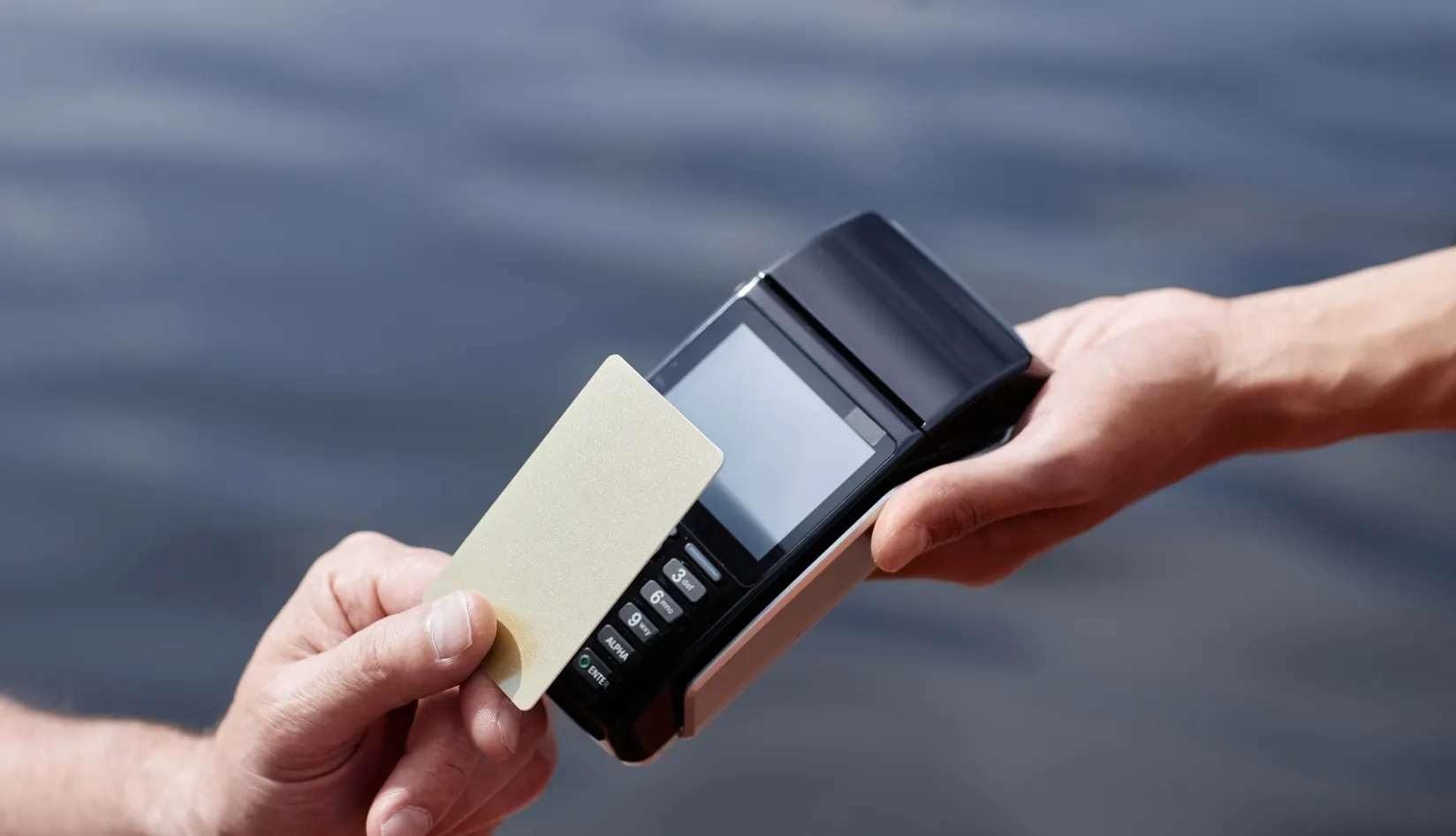
If you’ve ever managed office access, hotel operations, or customer loyalty programs, you know how small inefficiencies can snowball into big headaches. That’s where NFC cards come in. These smart cards aren’t just about tech—they’re about making your business run smoother, safer, and smarter.
In this guide, we’re going to break down everything you need to know about NFC cards: how they work, the different types available, and how companies like yours are using them to streamline operations and boost customer engagement. No tech jargon overload—just practical insights you can actually use to make decisions for your business today.
1. What is an NFC Card?
An NFC card—short for Near Field Communication card—is essentially a smart card that allows secure, contactless communication with NFC-enabled devices. These cards are already common in offices, hotels, retail environments, and transportation systems, but their value goes beyond convenience. For businesses, they offer a reliable way to streamline operations, enhance security, and improve customer experiences.
At its core, an NFC card consists of three main components:
Chip (IC) – The core processing unit of the card, responsible for storing data and managing communication protocols. It determines the card’s security level, memory capacity, and functionality.
Antenna (Coil) – A thin copper or aluminum coil embedded inside the card that enables wireless communication. It allows the card to transmit and receive data when interacting with an NFC reader.
Card Body (Substrate & Lamination Layers) – The physical structure that holds and protects the embedded components. Typically made of PVC, PET, or eco-friendly materials, it includes multiple layers such as the printed surface, protective overlay, and inlay encapsulation, ensuring durability, print quality, and long-term usability.
Think of it as a tiny, self-contained digital key—compact, secure, and ready to interact with your systems the moment it’s in range.

NFC vs RFID: What’s the Difference?
It’s easy to mix up NFC and RFID since they’re related technologies, but the differences matter:
- NFC is a subset of RFID focused on short-range, two-way communication. It’s ideal for secure access, payments, and interactive applications where devices need to exchange data instantly.
- RFID covers a broad range of technologies operating at different frequencies and read ranges. Some RFID systems, such as UHF RFID used in warehouse inventory tracking, can support longer-range identification, while others are designed for shorter-range applications. The communication method depends on the specific RFID system and application requirements.
Understanding their difference is key when choosing the right technology for your business needs. Check out the short video to see exactly how these technologies compare and which one is right for your business.
Popular NFC Card Types
Not all NFC cards are built the same, and the type you choose can impact security, compatibility, and functionality. Here are the most common options:
- MIFARE Classic® – A legacy NFC card widely used in older access control and transit systems, valued for its low cost and large installed base, but with limited security due to outdated encryption.
- MIFARE Plus® – A secure upgrade from MIFARE Classic®, offering AES-based encryption while maintaining compatibility with existing infrastructure.
- MIFARE Ultralight® – A family of NFC ICs commonly used for cost-effective and limited-use applications such as event tickets, transport passes, and tap-to-link marketing. Security features vary by model, with some variants supporting additional protection mechanisms.
- MIFARE® DESFire® – High-security NFC cards based on ISO/IEC 14443-4, supporting AES encryption and multi-application architecture, widely used in enterprise access control, government ID, and secure mobility systems.
- NXP NTAG® – NXP NTAG® – A family of NFC tags with different memory sizes, protocols, and security features. Common models such as NTAG213, NTAG215, and NTAG216 are NFC Forum Type 2 tags, while NTAG424 DNA provides advanced authentication features as an NFC Forum Type 4 tag. The right choice depends on the required data capacity, application, and security level.
- NXP ICODE® – Long-range HF RFID/NFC chips designed for item-level tracking, library systems, and industrial applications.
2. How NFC Cards Work
NFC cards work through near-field electromagnetic induction, which basically means they can exchange data without any physical contact. When an NFC card comes close to a reader, the card and reader create a short-range communication link. This allows instant, secure data transfer in a fraction of a second.
In practice, this is why you can tap your hotel key card to unlock a door or use a contactless payment card at a checkout terminal—no wires, no swiping, just a quick, seamless interaction.

How Data is Stored and Read
NFC cards can store a variety of data, from simple IDs to encrypted access credentials or small amounts of customer information. The data is stored in the card’s chip and can be read or written by a compatible NFC reader. Some cards, like DESFire, support multiple applications and advanced encryption, while lighter options like NTAG are ideal for marketing campaigns or business cards.
The read/write process is designed to be fast and reliable, so businesses don’t have to worry about delays or errors during day-to-day operations.
Range, Frequency, and Speed
NFC cards are built for short-range use, typically 2–4 centimeters (less than 2 inches). They operate at a standard frequency of 13.56 MHz, ensuring compatibility with most NFC-enabled devices.
Speed-wise, NFC is fast enough for everyday tasks like access control, contactless payments, and information sharing. While it’s not designed for long-range tracking like some RFID systems, its short-range nature actually adds a layer of security, preventing accidental or unauthorized scans.
Devices That Work with NFC Cards
One of the strengths of NFC technology is its wide compatibility. Common devices that can interact with NFC cards include:
- Smartphones – For reading, writing, or sharing information.
- Access control systems – Office doors, hotel rooms, and restricted areas.
- POS terminals – Contactless payments and loyalty programs.
This compatibility makes NFC cards a versatile tool for businesses, bridging security, convenience, and customer engagement in one simple solution.
3. Applications of NFC Cards
NFC cards are incredibly versatile, and their applications stretch across industries—from keeping workplaces secure to enhancing customer interactions. Let’s take a closer look at how businesses are using them in real-world scenarios.
Access Control & Security
NFC cards are widely used for office access, hotel room keys, and school security systems. They allow employees, guests, and students to move quickly and securely without the hassle of traditional keys or swiping cards.
For example, in hotels, a guest simply taps their NFC card to unlock their room—no key insertion, no waiting, and fewer maintenance headaches for staff. In offices and schools, NFC cards provide a fast, reliable way to control access to restricted areas while keeping detailed logs of entry activity.
Payments & Financial Services
NFC technology is also at the heart of contactless payments and public transportation cards. Tap-and-go payments have become standard because they’re faster and more convenient than traditional card swipes or cash.
From daily commuting to retail transactions, NFC cards allow businesses and customers to complete payments instantly, securely, and with minimal friction—helping businesses improve efficiency and customer satisfaction.

Marketing & Customer Engagement
NFC cards aren’t just about security and payments—they’re also a powerful tool for marketing and engagement.
- NFC business cards let recipients instantly access your website, portfolio, or contact info with a simple tap.
- Product authentication ensures that customers can verify the authenticity of high-value items, adding trust and reducing counterfeiting risks.
By turning a simple card into an interactive touchpoint, businesses can enhance brand experience and build stronger customer relationships.
Event Management
From conferences to music festivals, NFC cards are increasingly used as event passes and tickets. Attendees can tap their card at entry points, speeding up check-ins and reducing long queues.
Event organizers benefit too: NFC cards provide real-time data on attendance, prevent ticket fraud, and can even link to cashless payments or loyalty perks inside the venue. It’s a win-win for efficiency and experience.
IoT & Smart Cities
NFC cards play a growing role in smart offices, public services, and other IoT applications. They can integrate with lighting, access, or public transit systems to create seamless, automated experiences.
For example, employees can use a single NFC card to unlock doors, log work hours, and even control meeting room equipment. In smart cities, residents might tap an NFC card to access shared bikes, pay for parking, or use public services, simplifying daily life while keeping operations efficient and secure.
4. Benefits of Using NFC Cards
From improving security to boosting efficiency and enhancing customer interactions, NFC cards offer a range of benefits that can make a real difference for your business. Let’s break down the key advantages one by one.
Enhanced Security and Anti-Counterfeiting
One of the biggest advantages of NFC cards is their high level of security. Unlike traditional magnetic stripe cards, NFC cards support encryption and secure authentication, making it much harder for unauthorized users to copy or tamper with them.
This feature is especially valuable for access control, payments, and product authentication. For businesses, it means fewer security incidents and greater trust from employees and customers alike.
Fast and Convenient
NFC cards are contactless and quick to use, which saves time for both staff and customers. Simply tapping a card is enough to unlock a door, make a payment, or check in for an event.
The convenience of NFC cards reduces friction in everyday operations, allowing businesses to streamline processes, minimize delays, and improve overall efficiency.

Reprogrammable and Flexible
Many NFC cards can be rewritten and updated as needed, giving businesses flexibility to manage multiple applications with a single card. For example, a card can be used for office access today and later updated for event access or loyalty programs.
This adaptability makes NFC cards a cost-effective and future-proof solution for businesses of all sizes.
Customizable Design and Data
NFC cards can be custom-printed and encoded with dynamic data, logos, or branding, turning a simple card into a powerful marketing and engagement tool.
Whether it’s a sleek NFC business card, a branded hotel key, or a loyalty card with personalized features, customization helps businesses stand out and strengthen brand recognition.
Improved Customer Experience
Ultimately, NFC cards help create a smooth, seamless, and modern experience for customers and employees. From faster check-ins to interactive business cards and secure transactions, NFC technology reduces friction and enhances satisfaction.
By combining security, speed, flexibility, and customization, NFC cards not only solve operational challenges but also add real value to customer interactions.
5. How to Choose the Right NFC Card
With so many NFC card options available, it can be overwhelming to know which one fits your business needs. To make the decision easier, let’s break down the key factors to consider when selecting the right card.
Choose Based on Application
The first step is to identify how the NFC card will be used. Different card types are better suited for different scenarios:
- MIFARE Classic® – Reliable and compatible for access control and public transit.
- NXP® NTAG – Commonly used for lightweight NFC applications such as marketing campaigns and smart business cards. Different NTAG models offer different memory sizes and security features, so the right model depends on the application requirements.
- MIFARE® DESFire® – High-security applications like secure access control and multi-application systems.
Picking the right type upfront ensures that the card performs effectively for its intended purpose.
Consider Read/Write Range and Memory Capacity
Different NFC cards have varying read/write distances and storage capacities. Consider how far the card needs to be read and how much data you plan to store.
For instance, access control often requires only a small amount of data, while a loyalty card or business card might store URLs, contact info, or dynamic content. Matching range and capacity to your application helps avoid operational issues later.

Evaluate Security Requirements
Security is critical for many NFC card applications, especially for access control and payments. Some cards offer advanced encryption and authentication to prevent unauthorized access or cloning.
Determine the level of security your business needs and choose a card that meets those standards without overcomplicating the system.
Check Device and System Compatibility
Not all NFC cards work with every device or system. Make sure the card you choose is compatible with your existing readers, smartphones, POS systems, or access control infrastructure.
Compatibility ensures a smooth rollout and reduces headaches for IT and operations teams.
Factor in Cost and Bulk Purchasing
Finally, consider the price per card and options for bulk purchasing. While it’s tempting to go for the cheapest option, balance cost with reliability, security, and functionality.
However, many buyers only realize these trade-offs after making common purchasing mistakes when sourcing NFC cards in bulk.
For a more detailed breakdown of what to avoid, you can read the guide on “Top 5 Mistakes to Avoid When Buying Blank NFC Cards in Bulk.”
For businesses deploying hundreds or thousands of cards, choosing the right supplier and pricing model is crucial for long-term efficiency.
6. How to Encode and Use NFC Cards
Once you’ve chosen the right NFC card, the next step is making it work for your business. From writing data to managing security settings, understanding how to encode and use your cards correctly is key to a smooth rollout.
Writing and Encrypting Data
Encoding an NFC card simply means writing the data onto the card. Depending on your application, this could include an employee ID, access credentials, payment info, or a URL for marketing purposes. This process is explained in detail on programming a blank NFC card with a smartphone, where we walk through the full setup step by step.
Some NFC cards, such as MIFARE® DESFire®, support advanced cryptographic features to protect sensitive data and enable secure authentication with compatible systems. Other NFC cards, such as NXP® NTAG, are commonly used for lightweight applications like business cards and promotional campaigns, although security features vary by specific model. The right NFC card depends on the required data protection, application, and system compatibility.

Tips and Best Practices
To make the most of your NFC cards:
- Test before deployment: Always encode a few sample cards and test them with your system before rolling out in bulk.
- Keep software updated: Use the latest NFC writing tools to ensure compatibility and security.
- Label and organize cards: Especially for large deployments, proper labeling prevents mix-ups and confusion.
These small steps can save time and headaches down the line.
Common Issues and How to Solve Them
Even with careful planning, NFC cards can sometimes misbehave. Common issues include:
- Cards not reading – usually due to distance, interference, or an incompatible reader.
- Data not writing correctly – could be a software version mismatch or a locked card.
- Security access errors – often caused by misconfigured encryption or permissions.
Most problems can be resolved by checking device compatibility, updating software, or re-encoding the card. Having a clear troubleshooting workflow is essential for smooth operations.
7. NFC Card Security Considerations
While NFC cards are convenient and versatile, it’s important to understand the potential security risks and how to protect your business. Let’s explore the key considerations to keep your NFC systems safe and reliable.
Potential Risks: Cloning and Interception
Like any technology, NFC cards aren’t immune to misuse. The most common risks include:
- Card cloning – where someone copies the data from a legitimate card to create an unauthorized duplicate.
- Interception – in rare cases, data could be intercepted if proper encryption isn’t in place.
In many cases, these security issues are not caused by the technology itself, but by avoidable mistakes made during card selection and procurement. Understanding these risks is the first step toward implementing the right protections.

Protecting Your Data: Encryption and Access Control
Fortunately, NFC cards come with several ways to safeguard data:
- Encryption – Cards like DESFire support advanced encryption protocols, making it extremely difficult for unauthorized devices to read or modify the data.
- Access control – You can configure which devices are authorized to read or write data, limiting exposure and adding an extra layer of security.
By combining encryption with strict access policies, businesses can significantly reduce the chances of unauthorized access.
Enhancing Overall System Security
Beyond the card itself, system-wide security practices play a crucial role:
- Regularly update NFC readers and software to patch vulnerabilities.
- Monitor access logs to quickly detect suspicious activity.
- Use multi-layered authentication when necessary, such as pairing NFC cards with PIN codes or mobile verification.
These measures ensure that your NFC solution is not only convenient but also secure, reliable, and trustworthy for both employees and customers.
8. NFC Cards vs Mobile NFC (Phone)
With NFC technology now available in both physical cards and smartphones, many businesses wonder which option is best for their needs. Let’s break down the key differences and when to choose one over the other.
Comparing NFC Cards and Mobile NFC
Both NFC cards and smartphones use the same underlying technology, but there are practical differences:
| Feature | NFC Cards | Mobile NFC (Phone) |
|---|---|---|
| Security | High, especially with encrypted cards like DESFire | Dependent on phone security and apps |
| Convenience | Simple, tap-and-go, no battery required | Always carried, integrates with apps and digital wallets |
| Cost | Low per card, especially in bulk | No card cost, but depends on user devices |
| Compatibility | Works with any NFC reader, access system, POS | May require app installation, OS compatibility |
| Durability | Physical card is durable and long-lasting | Phone battery, OS updates, or hardware issues can affect use |
Choosing the Right Option for Different Scenarios
- Access Control & Security: NFC cards are often preferred in offices, hotels, and schools because they are simple, durable, and independent of personal devices.
- Payments & Customer Engagement: Mobile NFC can provide extra convenience with wallets, loyalty apps, and real-time updates.
- Mixed Environments: Many businesses adopt a hybrid approach—using cards for employees or guests, and mobile NFC for tech-savvy customers or optional features.
In short, there’s no one-size-fits-all solution. Consider your users, your system requirements, and the level of convenience versus security when deciding which NFC method is best for your business.
9. Five main types of NFC cards
Selecting the right NFC card is critical to ensuring a smooth experience with NFC technology. Different types of NFC cards serve various functions, performance levels, and application scenarios. Understanding these distinctions will help you make the best choice. Below are the five main types of NFC cards:
NFC Forum Tag Type 1
Storage Capacity: The memory capacity depends on the specific Type 1 chip and product implementation. Some Type 1 tags provide approximately 96 bytes of usable memory, while other implementations may offer higher memory capacity depending on the chip design.
Applicable Scenarios: Type 1 tags are mainly used for simple NFC applications, such as smart posters, product information sharing, and basic data storage.
Advantages: They are relatively simple and cost-effective to implement, making them suitable for applications that require basic NFC data exchange.
NFC Forum Tag Type 2
Storage Capacity: The memory capacity depends on the specific chip. Common Type 2 products range from a few dozen bytes to several kilobytes, although the exact capacity varies by product.
Applicable Scenarios: Type 2 tags are widely used for NFC tags, smart posters, product information, URL sharing, simple ticketing, and other standard NDEF applications.
Advantages: They offer broad compatibility with NFC-enabled smartphones and readers and are among the most widely used NFC Forum tag types.
NFC Forum Tag Type 3
Storage Capacity: The memory capacity depends on the specific FeliCa-based product. Some Type 3 implementations provide relatively large memory capacities, but there is no single capacity limit that applies to all Type 3 tags.
Applicable Scenarios: Type 3 tags are commonly used in FeliCa-based applications, including transportation systems, electronic identification, and other environments where FeliCa infrastructure is deployed.
Advantages: They can provide fast and reliable communication in FeliCa-based systems.
NFC Forum Tag Type 4
Storage Capacity: The memory capacity depends on the specific chip and product design. Type 4 tags support ISO/IEC 14443 communication protocols and are designed for applications requiring structured data exchange and, depending on the chip, advanced security features.
Applicable Scenarios: Type 4 tags are used in applications such as secure identification, authentication, smart cards, ticketing, and payment-related systems when supported by the relevant infrastructure.
Advantages: They support more advanced communication mechanisms than simpler tag types. However, encryption, authentication, and other security functions depend on the specific chip and system implementation.
NFC Forum Tag Type 5
Storage Capacity: The memory capacity depends on the specific ISO/IEC 15693-based chip and product design. Type 5 products are available with different memory sizes, from relatively small capacities to larger capacities.
Applicable Scenarios: Type 5 tags are commonly used for industrial applications, asset tracking, smart labels, product identification, and IoT-related scenarios where a longer read range than many conventional NFC tags is beneficial.
Advantages: They are based on ISO/IEC 15693/NFC-V technology and are designed for applications where longer read ranges are beneficial. Actual performance depends on the tag design, antenna, reader configuration, operating environment, and device compatibility.

A complete comparison of NFC Forum Tag Types 1–5, including technical specifications and real-world use cases, is available in the NFC Tag Type guide. Among these options, NFC Type 2 cards are the most common and widely used across various industries, particularly for access control, membership cards, and ticketing applications.
Our website (www.rfidcard.com) provides NFC cards that not only adhere to industry standards but also excel in various aspects. We offer a wide range of materials and printing options, ensuring you find the card that fits your needs perfectly.
FAQs:
1. What is the difference between NFC and traditional magnetic stripe cards?
NFC (Near Field Communication) cards and traditional magnetic stripe cards differ significantly in their operating principles. Magnetic stripe cards transmit data by reading the magnetic stripe information on the card, whereas NFC cards utilize wireless radio frequency technology to exchange data through short-range electromagnetic fields. NFC cards require no physical contact with the reading device; users simply hold the card near the reader to complete transactions, making NFC cards more convenient and efficient. In contrast, magnetic stripe cards require direct contact or sliding to access information.
2. Will NFC cards affect the battery life of mobile phones?
NFC cards themselves do not have a significant impact on mobile phone battery life. In reality, phones consume minimal power while using the NFC function. When NFC operates in the background, it activates only when necessary, resulting in less drain than functions like GPS or high-brightness screens. Keeping the NFC feature on will only use a small amount of power briefly when engaging related applications.
3. Can NFC cards be reused?
Yes, NFC cards are reusable. Most NFC cards feature programmable chips that allow for multiple read and write operations. For instance, NFC membership cards or transportation cards can be updated with new information or balances as needed, making them ideal for scenarios requiring frequent use or information refreshes.
4. How can I protect NFC cards from misuse?
To safeguard NFC cards from unauthorized use, consider implementing the following measures:
Enable Password Protection: Some NFC cards can be secured with a password or PIN code, ensuring they can only be used after the correct credentials are entered.
Use RFID Blocking Wallets or Card Holders: These specially designed accessories help prevent unauthorized NFC scanning and enhance card security.
Regularly Check Card Usage Records: For NFC cards linked to bank accounts or membership services, routinely reviewing transaction logs can help identify any unusual activity promptly.
Keep NFC Cards Physically Secure: Avoid placing cards in easily lost locations, and minimize unnecessary external contact.